Tennessee Young Sportsman Turkey Weekend
Getting kids involved in hunting can feel like a daunting task, especially with all the rules, regulations, and the sheer challenge of finding game. But few experiences bond families and instill an appreciation for nature like a successful turkey hunt. That's why Tennessee’s Young Sportsman Turkey Weekend is such a treasured event, offering a dedicated window for mentors to introduce the next generation to the thrill of spring gobblers in a less pressured environment.
Understanding Tennessee's Young Sportsman Turkey Weekend
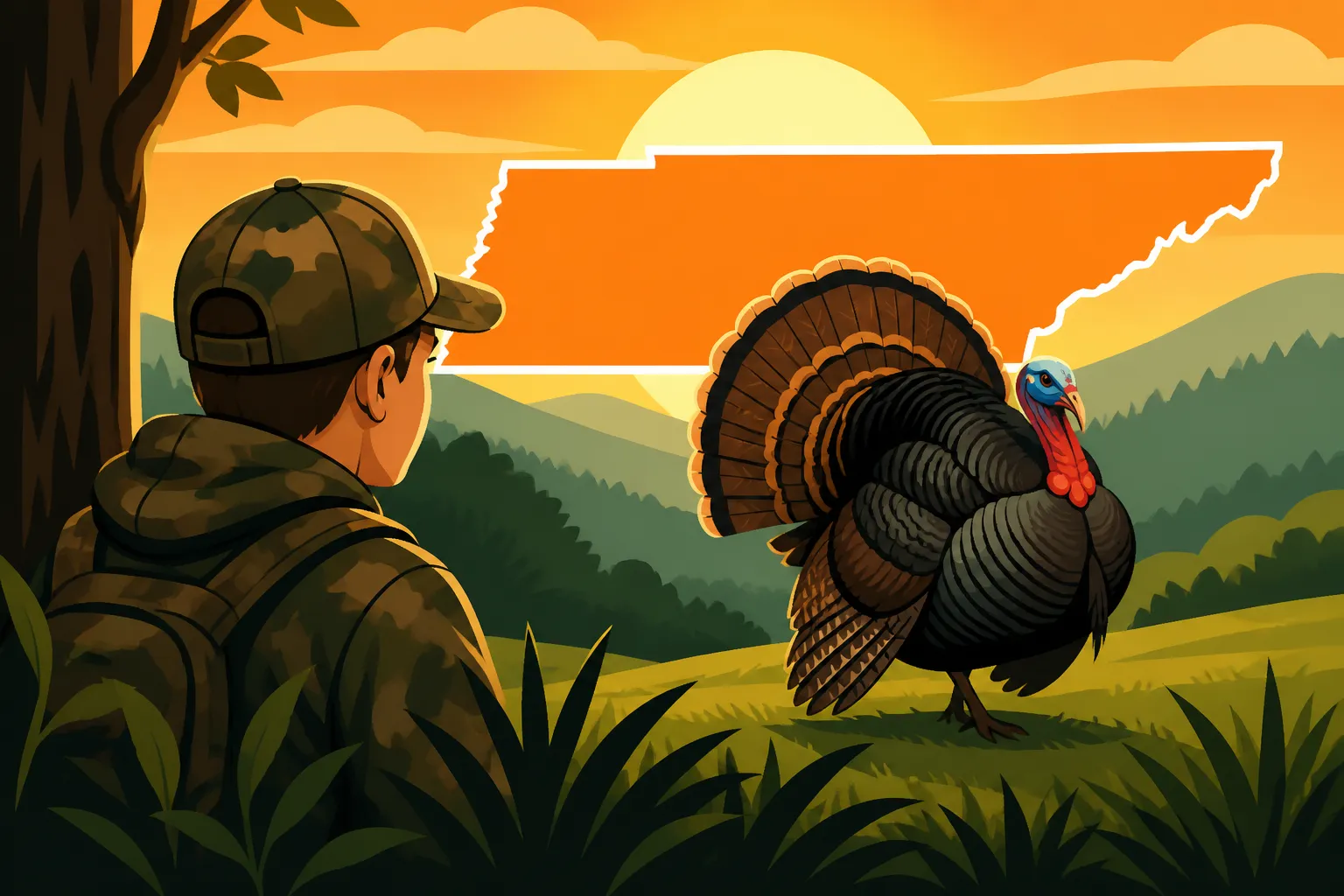
The Tennessee Young Sportsman Turkey Weekend is more than just another hunting date on the calendar; it's a carefully designed opportunity to foster new hunters, teach responsible outdoor ethics, and create lasting memories. It’s a chance for young hunters, often accompanied by a seasoned mentor, to experience the magic of a spring morning in the turkey woods, listening for the first gobble, long before the general season opens to everyone.
What Makes This Weekend Special for Youth Hunters?
Imagine the woods, still waking up from winter, with the air crisp and full of anticipation. Now imagine experiencing that with fewer other hunters around, giving your young one a better shot at hearing and working a bird. That's the core advantage of the Young Sportsman Turkey Weekend. By setting it a week or so before the statewide opener, the Tennessee Wildlife Resources Agency (TWRA) dramatically reduces the hunting pressure, which can make all the difference for a new hunter. Turkeys are often less wary, more vocal, and generally more responsive to calls. This creates a more forgiving and, frankly, more encouraging environment for a child or young adult who is still learning the ropes.
For many of us, our first hunts were chaotic affairs, full of missed opportunities and the frustration of dealing with highly pressured birds. This weekend aims to sidestep some of that, allowing for a calmer, more focused learning experience. Mentors can take their time explaining scouting signs, calling sequences, and shot placement without the added stress of competing with dozens of other hunters. It’s about building confidence and a love for the outdoors, not just filling a tag. The emphasis shifts from harvesting a bird to the entire journey – the early mornings, the quiet moments in the blind, the sound of a distant gobble echoing through the timber.
Eligibility Requirements and Key Dates
To participate in this special weekend, both the young hunter and their accompanying adult mentor need to meet specific criteria. First and foremost, the "young sportsman" must be 6 to 16 years of age. This age range ensures that children are old enough to safely handle a firearm and understand basic instructions, while still being young enough to qualify for a youth-specific opportunity.
The most critical information to nail down each year is the specific dates for the Young Sportsman Turkey Weekend. While it typically falls one week prior to the regular statewide turkey season opener, these dates can shift slightly year to year based on the calendar. You'll always want to confirm the exact dates on the TWRA's official website or in their current hunting guide to avoid any disappointment. For instance, if the regular season opens on April 13th, the youth weekend would likely be April 6th and 7th. You can also look up the specific Tennessee Young Sportsman Turkey Weekend Dates for the current year.
Regarding supervision, an adult, 18 years of age or older, must accompany and supervise the young hunter. This isn't just a suggestion; it's a legal requirement. This adult can be anyone designated by the child's parents, but they must possess a valid hunting license. The supervising adult cannot hunt themselves, but they are there to mentor, call, and ensure safety. Young hunters who haven't completed a hunter education course can still participate, but they must hunt under the direct supervision of a licensed adult who is at least 21 years old, or they can opt for a special Tennessee Apprentice Hunter License Rules. This apprentice license allows individuals to hunt under the direct supervision of a licensed adult for a specific period, waiving the hunter education requirement initially. For all the comprehensive details on what's required for adult supervision and youth licenses, it’s always wise to review the Tennessee Hunter Education Requirements as well.
Navigating the Rules and Regulations
Just like any other hunting season in Tennessee, the Young Sportsman Turkey Weekend comes with its own set of rules and regulations. Understanding these is absolutely paramount, not just for legal compliance but for ensuring a safe and ethical hunt. It’s easy to get caught up in the excitement, but taking the time to review the specifics with your young hunter before heading afield is a crucial step for a responsible mentor.
Licenses, Permits, and Tagging Procedures
First things first, let's talk about licenses. For the youth hunter, a valid Tennessee hunting license is required. Children under 13 typically don't need a license to hunt small game or furbearers, but for big game like turkey, they do need a valid big game license. Often, a Junior Hunt/Fish/Trap license (Type 002) is the most suitable option, covering hunting, trapping, and fishing. This license is very affordable and covers all big game species, including turkeys. The supervising adult, as mentioned, must also possess a valid Tennessee hunting license, but they are not permitted to carry a firearm or bow and arrow for the purpose of hunting turkey during the youth weekend. They are strictly there as a supervisor and mentor.
Once a turkey is harvested, the tagging and reporting procedures are critical. Every turkey harvested in Tennessee must be immediately tagged with a kill tag from the hunter's license and reported to the TWRA. This can be done online through the Go Outdoors Tennessee website, via their mobile app, or by phone. It’s a good practice to walk your young hunter through this process, explaining why we report harvests—it’s vital for wildlife management. The bag limit for the Young Sportsman Turkey Weekend is one (1) bearded turkey, which counts towards the statewide season limit of two (2) bearded turkeys. This means if a youth harvests a bird during this weekend, they have one remaining tag for the regular season. For a deeper dive into statewide regulations, you can read up on the Tennessee Spring Turkey Season Rules. It's crucial to understand these limits; exceeding them can lead to significant penalties, and more importantly, it's unethical.
Legal Firearms and Gear for Young Hunters
When it comes to equipment, safety and suitability are key. For turkey hunting, the most common and effective firearm is a shotgun. In Tennessee, shotguns 10 gauge or smaller, loaded with shot no larger than #4, are legal for turkey hunting. While larger shot sizes like #5 or #6 are common for turkeys, it's always best to verify the specific restrictions for the current season. You should consult the Turkey Shotgun Gauge Choice for more detailed information on selecting the right shotgun.
For young hunters, choosing the right shotgun often involves considering a smaller gauge, like a 20 gauge, with lighter loads. A 20 gauge delivers plenty of punch for turkeys within reasonable ranges, but with significantly less recoil than a 12 gauge, making it much more comfortable and enjoyable for a smaller shooter. You want the experience to be positive, not one that results in flinching or fear of the gun. Semi-automatic shotguns can also help reduce felt recoil. Beyond the shotgun, appropriate camouflage clothing is a must to blend into the spring woods. Blaze orange is not required for turkey hunting in Tennessee; in fact, it's generally avoided to help with concealment, though some hunters wear a small amount when moving between setups for safety.
Table: Tennessee Young Sportsman Turkey Weekend vs. General Season Overview
| Feature | Young Sportsman Turkey Weekend | General Spring Turkey Season |
|---|---|---|
| Eligibility | Hunters 6-16 years old | All licensed hunters (16+ or 6-15 with permit) |
| Supervision | Adult (18+) with license, cannot hunt | No specific supervision required for adults |
| Dates | Typically one week prior to general opener | Statewide, usually early April to mid-May |
| Hunting Pressure | Significantly lower | Can be moderate to high, especially on public land |
| Bag Limit (Weekend) | 1 bearded turkey | N/A (Part of overall season limit) |
| Overall Season Limit | 2 bearded turkeys (includes youth weekend kill) | 2 bearded turkeys (statewide) |
| License Required | Youth Hunting License, Big Game Permit | Valid Hunting License, Big Game Permit |
Effective Tactics for Mentors and Young Hunters
Getting a turkey to commit, especially with a young hunter in tow, requires patience, good woodsmanship, and solid tactics. The mentor's role here is invaluable, guiding the young sportsman through the nuances of turkey behavior and hunting strategy. It's about teaching them to "speak" the language of the birds and to understand the landscape.
Scouting Before the Hunt
The groundwork for a successful hunt is laid long before opening morning, and this is where a mentor truly shines. Pre-season scouting is absolutely critical, even more so when you're trying to put a young hunter on a bird. This means getting out into the woods a few weeks before the Young Sportsman Weekend to look for fresh turkey sign. You're searching for roosting areas where turkeys spend the night, often identifiable by droppings and feathers under large trees. Strut zones – open areas where gobblers display for hens – are another key indicator, often marked by wing drag marks in the dirt. You might find tracks along old logging roads or creek bottoms, and don’t forget to listen for distant gobbling at dawn and dusk.
Using mapping tools can be a game-changer for scouting, especially on public land. Apps like GoHunt offer detailed satellite imagery, topographic maps, and even public/private land boundary overlays, allowing you to identify potential roost sites, open fields, and travel corridors from home. You can mark waypoints for promising locations, allowing you to efficiently check them in person. When scouting, focus on areas with good cover for setting up a blind or sitting against a tree, as well as potential entry and exit routes that are quiet. Understanding Where Tennessee Turkeys Are Densest can also guide your scouting efforts to more promising counties and regions.
Calling Strategies and Decoy Use
Once you're in the woods, calling becomes your primary tool to draw a gobbler into range. For a young hunter, it's often best to keep calling simple and consistent. The mentor usually does most of the calling, at least initially, while explaining the sounds and what they mean. Basic yelps and clucks are often all you need. Focus on sounding like a lonesome hen looking for companionship. Sometimes, silence is the best call after a few initial yelps; let the gobbler work himself up and try to find the "hen." You can get more in-depth knowledge on this by checking out Calling a Tennessee Gobbler Off the Roost.
Decoys can be incredibly effective, especially for drawing a bird away from its natural approach or giving it something visual to focus on, distracting from your subtle movements. A single hen decoy, or a hen and jake setup, placed 15-20 yards in front of your position, works wonders. Ensure the decoy is visible from a distance but placed in a safe shooting lane. Positioning the decoy slightly off to one side of your line of sight can help ensure the gobbler comes into range looking at the decoy, not directly at you. This setup also helps the young hunter visualize the shot placement more easily. Remember to place the decoy where it doesn't obstruct the shooter's view or create a situation where the bird is behind natural cover. Learning about Decoy Placement for Pressured Tennessee Birds can give you an edge, even with less pressured youth season birds.
When setting up, particularly on public land, always prioritize safety. A big, wide oak tree that protects your back from other potential hunters is ideal. Teach your young hunter to always be aware of their surroundings and never wave or use turkey calls if they see another hunter approaching. Sometimes, the most effective tactic is to set up along a field edge, giving you good visibility and providing a natural travel corridor for turkeys. Detailed strategies for Setting Up Against a Big Oak or using Turkey Tactics for Farmland Field Edges can significantly increase your odds.
Safety First: Prioritizing a Positive Experience
No matter the outcome of the hunt, the absolute priority must always be safety. Introducing a young person to hunting carries a profound responsibility, and instilling safe firearm handling and ethical hunting practices is far more important than any harvest. A positive, safe experience will build a lifelong appreciation for the sport.
Essential Safety Protocols for the Field
Before ever stepping foot in the woods with a firearm, review the four fundamental rules of firearm safety with your young hunter:
- Treat every firearm as if it's loaded.
- Always point the muzzle in a safe direction.
- Be sure of your target and what is beyond it.
- Keep your finger off the trigger until ready to shoot.
In the turkey woods, specific safety considerations come into play. Never stalk a turkey; the risk of being mistaken for a bird by another hunter is simply too high. Always call birds to you. When setting up, ensure you have a safe backdrop, like a large tree, that will stop any projectile. Establish clear zones of fire with your young hunter, identifying where it is safe to shoot and where it is not. If another hunter approaches, make your presence known verbally and loudly, without waving or moving erratically. Wearing a bit of blaze orange when moving from one setup to another, then removing it once you're settled, is a good safety practice.
Communication between mentor and youth is paramount. Discuss the plan, confirm targets, and ensure the young hunter understands when it is safe to raise their firearm and when to wait. Patience is key; rushing a shot almost always leads to a poor outcome and can compromise safety.
Making the Hunt Enjoyable and Educational
While getting a turkey is the ultimate goal, the true success of the Young Sportsman Weekend lies in the experience itself. It’s an opportunity to connect with nature, learn about wildlife, and spend quality time together. Encourage your young hunter to observe everything around them – the different bird calls, the tracks in the mud, the subtle changes in the forest. Teach them how to read the landscape, identify different trees, and understand the role each element plays in the ecosystem.
Even if a gobbler doesn't show up, celebrate the small victories: a perfect call, a successful camouflage setup, a close encounter with a deer or squirrel. Emphasize patience and persistence, explaining that hunting isn't always about instant gratification. It’s about the challenge, the strategy, and the respect for the animal. If a bird is harvested, teach the young hunter about ethical shot placement, how to properly field dress the turkey, and the importance of reporting the harvest correctly. This instills a sense of responsibility and reinforces the idea that hunting is a privilege, not just a sport. For more detailed rules on the overall season, including bag limits and harvest reporting, check out Making the Most of a Two-Bird Season Limit. This weekend should be a positive foundation for a lifetime of ethical hunting.
Common Challenges and How to Overcome Them
Hunting, especially for a tricky bird like a wild turkey, is rarely a straightforward affair. There will be frustrating moments, bad weather, and uncooperative birds. As a mentor, your ability to anticipate and navigate these challenges, transforming potential setbacks into learning opportunities, is crucial for keeping a young hunter engaged and enthusiastic.
Dealing with Uncooperative Birds and Bad Weather
We've all been there: that moment when the gobbler you've been working tirelessly suddenly shuts up, or worse, gobbles furiously from a neighboring property where you can't hunt. It's tough for experienced hunters, and it can be downright demoralizing for a youngster. Teach your young hunter that turkeys are wild animals, and they don't always follow the script. Sometimes they'll gobble on the roost but fly down the other way, or they'll get "hung up" just out of range.
When birds go quiet or seem to ignore your calls, resist the urge to over-call. Sometimes, less is more. Try a soft cluck or two, then go silent for 15-20 minutes. Change locations if you're confident the birds have moved on. The GoHunt app can be useful here, showing you terrain features or property lines that might be holding up a gobbler. Maybe there's a small creek bottom or a subtle ridge feature that's preventing the bird from approaching directly. Explaining these scenarios to your young hunter turns frustration into a lesson in turkey behavior.
Then there's the weather. Spring in Tennessee can be a rollercoaster – warm and sunny one minute, pouring rain and cold the next. Prepare for everything. Pack rain gear, extra layers, and hand warmers. Make sure your young hunter is dressed for the conditions. Sitting still in a cold, wet blind is no fun for anyone, let alone a child. If the weather turns truly miserable, it's okay to call it a day early. A warm breakfast or hot chocolate back at the truck can salvage the mood and prevent a negative association with hunting. Sometimes, just sitting quietly and watching nature in the rain can be a magical experience, even without a turkey.
Managing Expectations and Building Confidence
The biggest challenge for many mentors is managing expectations – both their own and the young hunter's. It's easy to get caught up in the desire to see the child succeed with a harvest. However, emphasizing that success is measured in many ways beyond a filled tag is vital. Did they sit quietly? Did they learn something new? Did they enjoy being outdoors? Those are the real victories.
If the hunt doesn't result in a harvested bird, take the time to debrief. Talk about what went well and what could be done differently next time. Point out all the wildlife you did see, the beautiful sunrise, or the satisfying sound of a distant gobble. Use it as a learning experience about persistence and the unpredictable nature of wild animals. Celebrate their effort and enthusiasm. Building confidence comes from participation and learning, not solely from the kill. Encourage them to help with setup, calling, or even carrying some gear. Making them an active participant, rather than just a passive observer, fosters a sense of ownership and pride.
Ultimately, the Tennessee Young Sportsman Turkey Weekend is about forging connections – with nature, with family, and with the rich tradition of hunting. It's an investment in the future of conservation, one shared memory at a time. The Tennessee Turkey Population Trends show that our efforts to restore turkey populations have been incredibly successful, thanks in part to responsible hunting and management. By teaching the next generation, we ensure these opportunities continue for years to come.
Disclaimer
Please note: Hunting regulations and season dates are subject to change. Always consult the most current Tennessee Wildlife Resources Agency (TWRA) regulations and official publications before planning any hunting trip. This guide provides general information and should not be considered a substitute for official TWRA rules.