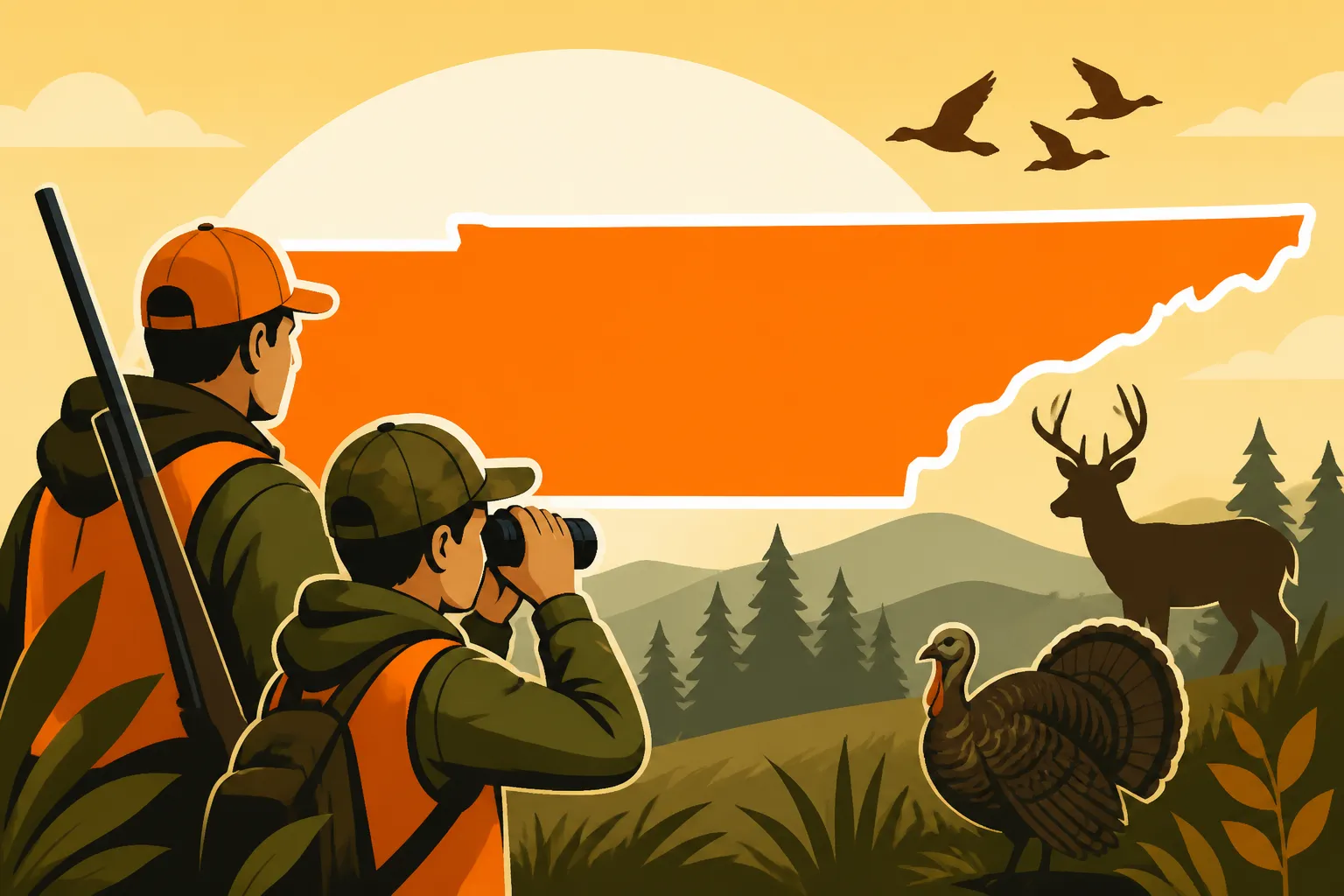
The Tennessee Young Sportsman Weekend Dates
It can be incredibly frustrating to keep up with all the different hunting seasons and regulations in Tennessee, especially when you're trying to introduce a young person to the sport. The Tennessee Wildlife Resources Agency (TWRA) does a fantastic job providing opportunities for our youth, but deciphering the exact dates and rules for the Young Sportsman Deer Hunts can feel like a puzzle. This guide is here to clear up that confusion, giving you a comprehensive breakdown of the dates, requirements, and tips to make your young hunter's experience safe, successful, and truly memorable.
Understanding the Tennessee Young Sportsman Hunt Dates
The Young Sportsman Deer Hunt Weekends are a cornerstone of Tennessee's efforts to recruit and retain new hunters, offering a dedicated time for kids to get out in the woods before the general firearms season opens up to everyone. This creates a less pressured environment and allows for focused mentorship. If you've ever felt the rush of trying to find a quiet spot during opening weekend of the main gun season, you'll immediately appreciate why these special youth hunts are so valuable. They're designed to give young hunters a chance to build confidence and enjoy the experience without feeling overwhelmed by crowds or intense competition.
Why the Young Sportsman Weekend is So Important
For many of us, our first hunting experiences were with a parent or grandparent, patiently teaching us the ropes. The Young Sportsman Weekend embodies this spirit, creating an intentional space for mentorship. Imagine taking your child, perhaps for their very first deer hunt, without the added stress of navigating crowded public lands or worrying about experienced hunters pushing game around. These weekends provide that kind of sanctuary, allowing you to focus on teaching vital skills like tracking, ethical shot placement, and understanding deer behavior. It's not just about harvesting an animal; it's about instilling a lifelong passion for wildlife and conservation.
This dedicated youth season allows adults to give their full attention to the young hunter. You can take your time walking, pointing out deer sign, explaining wind direction, and truly experiencing nature together. This early exposure, in a supportive setting, is crucial for fostering responsible, ethical hunters who will carry on our traditions. It builds memories that last a lifetime, far beyond the size of any antler or the weight of any deer. It’s about connection, learning, and the quiet beauty of the Tennessee outdoors.
Key Dates to Mark on Your Calendar
While the exact dates can shift slightly year to year, Tennessee typically offers two primary Young Sportsman Deer Hunt Weekends. The first often takes place near the end of October, usually the last weekend, running Saturday and Sunday. This hunt generally falls after When Tennessee's Archery Season Opens has been underway for a while, but before the main gun season kicks off, giving young hunters a unique opportunity to pursue deer with firearms or archery equipment. It's a prime chance to hunt when deer are actively moving and sometimes still patterned from early season scouting.
The second Young Sportsman Weekend usually occurs later in the season, often in mid-January. This hunt provides another exciting opportunity, typically after the bulk of the regular firearms season has concluded. By January, deer patterns might have shifted, and food sources become more critical, which can present a different set of challenges and learning experiences for young hunters. It's a great way to extend the hunting season and give youth another chance to fill a tag when other seasons are winding down. Always remember to consult the official TWRA regulations each year for the precise dates.
How to Confirm Official Dates Each Year
It's absolutely critical to confirm the official dates directly from the Tennessee Wildlife Resources Agency (TWRA) every single year. Regulations can change due to wildlife management needs, legislative updates, or even calendar shifts. Relying on last year's dates is a recipe for frustration, or worse, a potential violation. You can usually find the updated hunting and trapping guide on the TWRA website, typically released in late summer or early fall before the seasons begin.
Many hunters also find online platforms incredibly helpful for keeping up-to-date. Tools like the GoHunt app or website often integrate state regulations and season dates into their mapping and planning features, making it super convenient to cross-reference while you're scouting or making plans. While these resources are excellent, always treat the official TWRA publications as the final authority. A quick check on the TWRA website, or picking up a physical copy of the guide at a sporting goods store, will ensure you have the most accurate information right at your fingertips.
Eligibility and General Rules for Young Sportsmen
Understanding who qualifies for these special hunts and what rules apply is just as important as knowing the dates. These hunts are specifically tailored for youth, with certain age and supervision requirements designed to ensure safety and provide a positive learning experience. It’s not just about letting kids loose in the woods; it’s about guiding them responsibly.
Age Requirements and Supervision Mandates
To participate in the Tennessee Young Sportsman Deer Hunts, hunters must typically be between the ages of 6 and 16 years old. This age range is designed to capture a broad spectrum of youth, from those just starting out to teenagers who might be quite experienced but still benefit from the dedicated youth-only framework. The key aspect here, and one that cannot be stressed enough, is the supervision requirement. Any young sportsman afield must be accompanied by an adult, typically 21 years of age or older, who holds a valid Tennessee hunting license. This adult is responsible for the direct supervision of the young hunter.
This isn't just a suggestion; it's a critical safety rule. The supervising adult doesn't need to be actively hunting themselves, but they must be present and capable of exercising immediate control over the young hunter. For instance, a grandparent taking their grandchild might enjoy simply being out in nature, offering guidance, and sharing stories, even if they aren't carrying a firearm themselves. The adult supervisor is there to provide instruction, ensure safe firearm handling, assist with navigation, and help make ethical decisions in the field. This close mentorship is what makes these weekends so special and safe. You can find more detailed information on age and supervision by reviewing the Tennessee Youth Deer Hunt Rules.
Equipment and Bag Limit Specifics
When it comes to equipment, young sportsmen during these designated weekends can generally use the same legal firearms and archery equipment that are permitted during the statewide deer season. This means rifles, shotguns, muzzleloaders, and bows (including crossbows) are usually allowed, depending on the specific hunt details for that weekend. However, always double-check the regulations for any specific weapon restrictions that might apply. The idea is to allow the youth to use appropriate tools for deer hunting, giving them the best chance at success, while still adhering to established safety and ethical hunting practices.
Bag limits during the Young Sportsman Weekends often follow the general deer management unit (DMU) limits for the specific county you are hunting in, though there can be special provisions. For example, a young hunter might be allowed to harvest one antlered deer and a certain number of antlerless deer, depending on the DMU. It's vital to know your county's DMU and its specific limits. For instance, in a DMU allowing three antlerless deer during the regular season, the youth hunt may also allow that. Always confirm these details with the TWRA guide to avoid any issues. For a broader understanding of how limits work, check out Tennessee Deer Season Structure Explained.
Tennessee Young Sportsman Deer Hunt Overview (Typical)
| Category | First Hunt (Late Oct) | Second Hunt (Mid-Jan) |
|---|---|---|
| Duration | Saturday & Sunday | Saturday & Sunday |
| Age Eligibility | 6-16 years old | 6-16 years old |
| Supervision | Required (Adult 21+ with valid license) | Required (Adult 21+ with valid license) |
| Weapon Allowed | Archery & Firearms (Check TWRA for specifics) | Archery & Firearms (Check TWRA for specifics) |
| Bag Limit | Follows County DMU limits (e.g., 1 antlered, X antlerless) | Follows County DMU limits (e.g., 1 antlered, Y antlerless) |
| Precedes | General Firearms Season | Post-General Firearms Season |
| Focus | Mentorship, early opportunity | Mentorship, late season opportunity |
Always consult the current year's official TWRA Hunting and Trapping Guide for exact dates and regulations.
What Licenses and Permits Are Needed
Navigating hunting license requirements can be one of the most confusing parts for new hunters and their mentors. For the Young Sportsman Deer Hunts in Tennessee, the young hunter (ages 6-16) will need their own Tennessee hunting license. Thankfully, Tennessee offers specific, often reduced-cost or even free, licenses for youth, such as the Junior Hunter/Trapper License. This makes it more accessible for families to get their kids involved. It’s important to purchase this license before heading out.
The accompanying adult supervisor also needs to have a valid Tennessee hunting license, even if they aren't actively participating in the hunt (i.e., not carrying a weapon or attempting to harvest game). This ensures that the supervisor is familiar with hunting laws and regulations. If the adult supervisor plans to hunt themselves during the general season, they will need the appropriate licenses and permits for their own activities. You can find detailed information on these requirements, including options like the Tennessee Resident Hunting License Options or the Sportsman License, directly on the TWRA Go Outdoors Tennessee website. Always ensure both the youth and the supervising adult have their proper credentials in hand or easily accessible via the GoHunt app or a digital copy on their phone before stepping into the field.
Planning Your Young Sportsman Weekend Hunt
A well-planned hunt is almost as rewarding as a successful one, especially when you're involving young hunters. It's about setting the stage for a positive experience, focusing on safety, and making sure everyone is comfortable and prepared for the day ahead.
Scouting and Preparation Tips
Successful deer hunting, regardless of age, often boils down to good scouting. For a Young Sportsman hunt, this is even more crucial because you want to maximize the chances of seeing deer and keep the young hunter engaged. Start by scouting your chosen hunting area well in advance. Look for fresh deer sign like tracks, rubs, scrapes, and feeding areas. During the late October hunt, deer are often still focused on food, so locate prime acorn crops, agricultural fields, or food plots. For the January hunt, colder weather makes consistent food sources, especially standing crops or browse, even more important.
Consider using tools like aerial maps or the GoHunt app to identify potential bedding areas, travel corridors, and funnels. Pay attention to how deer might move between these areas. Set up trail cameras a few weeks before the hunt to get an idea of deer movement patterns and verify the presence of deer. When you're out scouting, involve the young hunter. Teach them how to identify deer tracks, differentiate between buck and doe sign, and understand the importance of wind direction. This pre-season involvement makes them feel like a true participant and builds excitement. For more in-depth scouting, consider resources like Reading Aerial Photos for Cumberland Plateau Deer.
Gear and Safety Considerations
Safety should always be the absolute top priority, particularly when hunting with youth. Ensure both the young hunter and the adult supervisor are wearing the required amount of blaze orange (or blaze pink, which is also legal in Tennessee). This is typically a minimum of 500 square inches of solid fluorescent orange or pink, visible from all sides, worn above the waist. This highly visible clothing helps prevent accidents by making hunters easily identifiable to others in the field. You can learn more about these requirements in Tennessee Blaze Orange Requirements.
Beyond safety orange, prepare for the weather. Tennessee weather can be unpredictable, especially in October and January. Layering is key: start with moisture-wicking base layers, add insulating mid-layers, and finish with a waterproof and windproof outer shell. Comfortable, waterproof boots are essential for walking through dew, mud, or even light snow. Ensure the young hunter's firearm is properly fitted to them and that they are proficient in its safe operation. Eye and ear protection are non-negotiable during shooting practice and when actively hunting. Reinforce the four cardinal rules of firearm safety repeatedly. Taking a hunter education course, as discussed in Tennessee Hunter Education Requirements, is a fantastic way to ensure everyone is on the same page regarding safety and ethics.
Making the Experience Enjoyable for Young Hunters
The primary goal of a Young Sportsman Hunt isn't just to harvest a deer; it's to foster a love for the outdoors and the tradition of hunting. To achieve this, focus heavily on making the experience enjoyable for the young hunter. Keep the sits shorter than you might for yourself; kids have shorter attention spans and get cold or bored more easily. Bring plenty of snacks and drinks, and even a book or small, quiet activity for downtime if you're in a blind.
Encourage questions and patiently explain everything, from identifying different bird calls to understanding why deer use certain trails. Celebrate small victories, like spotting a squirrel, identifying a fresh track, or simply enjoying the sunrise together. If a deer isn't harvested, it's not a failure. Talk about the lessons learned, the wildlife observed, and the fun you had. Building positive memories and experiences will ensure they want to come back year after year, laying a strong foundation for them to become dedicated, ethical hunters.
Post-Hunt Procedures and What Comes Next
Bringing a hunt to a successful conclusion involves more than just pulling the trigger. It's about respecting the animal, adhering to regulations, and properly caring for the harvest. These are crucial lessons for any young hunter to learn.
Reporting Your Harvest
Once a deer is harvested during a Young Sportsman Weekend, prompt and accurate reporting is absolutely mandatory in Tennessee. This isn't just a bureaucratic hurdle; it's a vital part of wildlife management. The data collected from hunter harvests helps the TWRA monitor deer populations, assess herd health, and make informed decisions about future season structures and bag limits. Failing to report a harvest is a serious violation, so ensure you understand the process before you ever head afield.
Tennessee makes it relatively easy to report your harvest. You can typically do this online through the Go Outdoors Tennessee website or by using the TWRA's mobile app. You'll need information like the county of harvest, the date, and whether the deer was antlered or antlerless. Teach your young hunter how to fill out the report themselves, or at least be actively involved in the process. This reinforces their responsibility as a hunter. For a step-by-step guide, check out Reporting a Tennessee Deer Harvest Online. If you're hunting in a Chronic Wasting Disease (CWD) management zone, there might be additional requirements for carcass movement or testing, so be sure to check those specific regulations as well.
Meat Care and Processing
Proper meat care begins immediately after the harvest. Especially during the warmer October youth hunt, quickly field dressing the deer is crucial to cool the carcass and prevent spoilage. Teach your young hunter the basics of field dressing, emphasizing hygiene and efficiency. Even if you handle most of the physical work, having them observe and understand the process is invaluable. For the colder January hunt, while cooling is less urgent, proper field dressing is still essential. You can find useful tips in guides like Field Dressing a Deer in Cold Weather.
After field dressing, consider how you'll get the deer from the field to a processor or your home. This might involve dragging, using a deer cart, or a sled depending on the terrain. Once out of the field, the deer needs to be kept cool. If you're not taking it to a professional butcher, plan to process it yourself quickly and store the meat properly. Involve your young hunter in the butchering process if they are willing and old enough. Seeing the transformation from a whole animal to packaged cuts of meat helps them appreciate the full cycle of the hunt and the food it provides.
Reflecting on the Hunt and Future Opportunities
After the hunt, take time to reflect with your young hunter. Talk about what went well, what could have been done differently, and what they learned. Celebrate the experience, whether a deer was harvested or not. These debriefing sessions are where much of the real learning happens and where memories are solidified. What did they see? What did they hear? What was their favorite part? These conversations reinforce the positive aspects of hunting and strengthen your bond.
Remember that the Young Sportsman Deer Weekends are just one of many youth hunting opportunities in Tennessee. The TWRA offers various Tennessee Special Youth Hunt Windows for other species like turkey and small game. Keep an eye on the regulations for these additional chances to get your kids out in the field. Continue to use resources like the GoHunt platform to track upcoming season dates and plan future adventures. Fostering a continuous connection to hunting and the outdoors will ensure that your young sportsman grows into a responsible and passionate conservationist.
Disclaimer
Please remember that hunting regulations, season dates, and license requirements are subject to change. Always consult the official Tennessee Wildlife Resources Agency (TWRA) Hunting and Trapping Guide for the current year before engaging in any hunting activities. This article is for informational purposes only and does not supersede official state regulations.