Tennessee Deer Tag Transfer Rules
It's a common scenario: you’re out in the Tennessee woods, maybe on a deer drive with friends or you’ve punched out your last buck tag early, and the thought crosses your mind – "Can I just transfer one of my unused deer tags to a buddy who still needs one?" Or perhaps a new hunter in your family is struggling, and you want to give them a leg up. The rules around transferring deer tags in Tennessee can feel like a tangled thicket of regulations, leading to confusion and, frankly, a lot of well-intentioned but potentially unlawful actions. This guide is here to clear the air, diving deep into Tennessee's specific regulations regarding deer tag transfers, what's strictly prohibited, and how you can actually help fellow hunters legally and effectively.
Understanding Tennessee's Deer Tag System First
Before we even get into the nitty-gritty of transferring tags, it’s absolutely essential to grasp how Tennessee's deer tag system works for each individual hunter. This foundation will help you understand why the transfer rules are structured the way they are.
The Basics of Tennessee Deer Tags
When you purchase your hunting license in Tennessee, especially a big game permit, you're essentially buying the privilege to hunt and harvest specific animals, like deer. Your deer tags aren't really separate physical items in the old-school sense anymore, but rather an electronic entitlement tied directly to your individual hunting license number. For most hunters, these tags are managed electronically through the TWRA's Go Outdoors Tennessee system, often reflected on a printed license that shows your harvest limits. This digital integration means that when you harvest a deer, you're required to "tag" it immediately, which usually involves reporting the harvest electronically via the Go Outdoors Tennessee app or website.
Think of it this way: your hunting license and big game permits are unique to you, like your driver's license. They represent your legal right to participate in the hunt and to claim a harvested animal within specified limits. These limits are detailed in the annual hunting guide and depend on the specific type of license you hold. For instance, a basic annual hunting license might allow you certain antlered or antlerless deer, while a more comprehensive license like the Type 94 Sportsman License covers almost everything, including big game. Understanding the nuances of these licenses is the first step, and you can always consult a detailed guide like Tennessee Hunting Licenses and What They Cost to ensure you're squared away with your personal permits.
Why Tagging is Crucial for Wildlife Management
The act of "tagging" a deer, whether physically or electronically, isn't just a bureaucratic hoop to jump through; it's a critical component of sound wildlife management here in Tennessee. Every deer harvested and reported contributes vital data to the Tennessee Wildlife Resources Agency (TWRA). This data allows biologists to track deer populations, assess herd health, monitor trends in antler growth, and, perhaps most crucially in recent years, track the spread and prevalence of Chronic Wasting Disease (CWD).
Without accurate and individual-specific harvest data, the TWRA would be flying blind when it comes to setting season dates, bag limits, and implementing management strategies. Imagine if tags could be freely transferred and reported by anyone – the data would be skewed beyond recognition, making it impossible to make informed decisions for the long-term health of our deer herds. Proper tagging helps the agency understand which counties are seeing high harvests, where population management might need adjustments, and where CWD testing efforts should be focused. This is especially true for managing zones like the Tennessee's Chronic Wasting Disease Management Zone, where accurate reporting is paramount for containment and research. Every time you correctly tag and report your deer, you're directly contributing to the future of hunting in Tennessee, ensuring sustainable populations for generations to come.
The Official Stance on Tennessee Deer Tag Transfers
Let's cut right to the chase because this is where many hunters get confused or inadvertently step on the wrong side of the regulations.
Are Deer Tags Transferable? The Short Answer is No
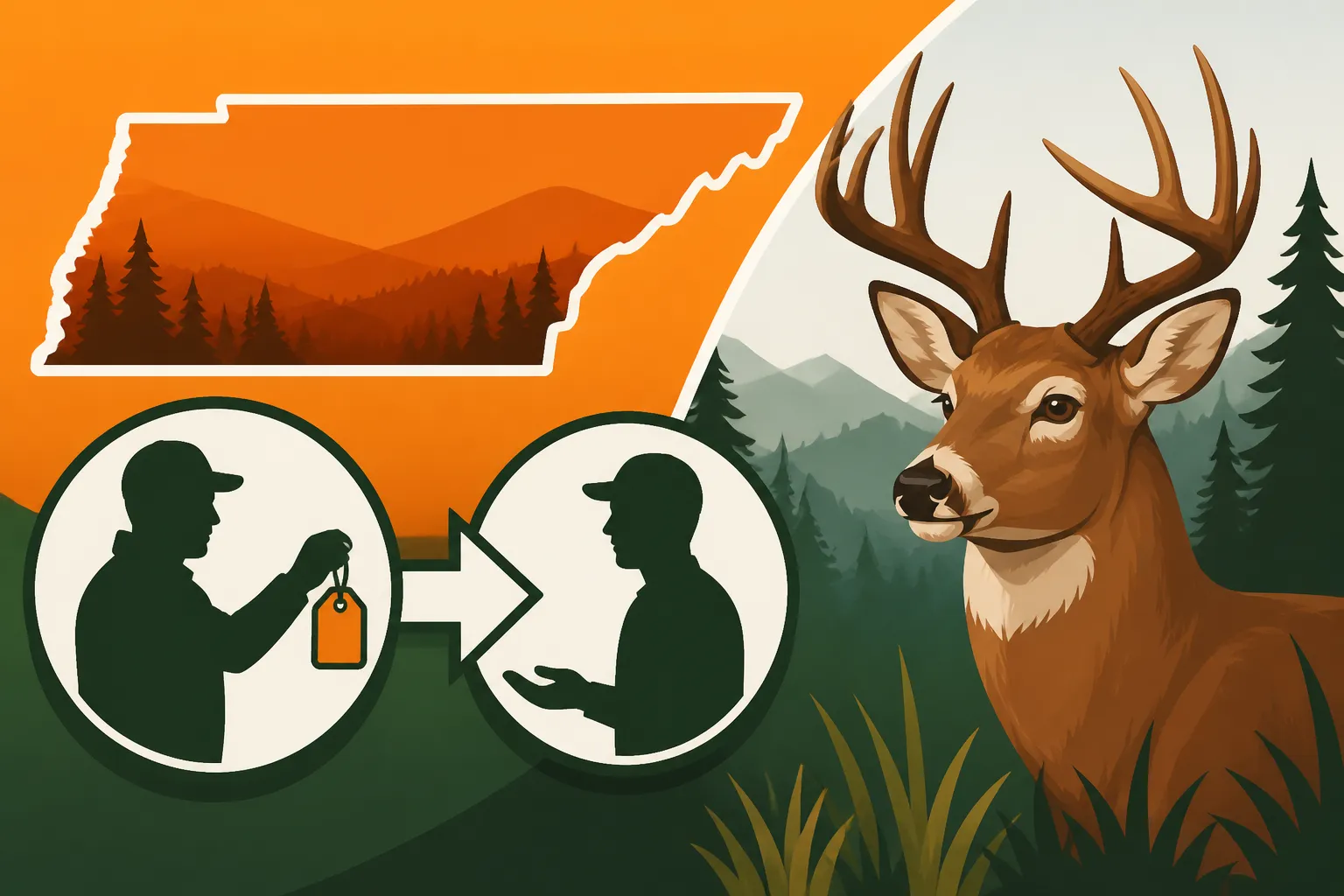
In Tennessee, deer tags are, for all intents and purposes, not transferable from one individual hunter to another. Your deer tags are personal entitlements, linked directly to your hunting license and your unique identity. This means you cannot legally give an unused buck tag to your friend, your spouse, or even your child (unless they are hunting under specific youth provisions, which we'll get to).
The legal rationale behind this is quite straightforward: each tag represents a harvest opportunity allotted to a specific licensed individual. If you've purchased a license that allows you two antlered deer and three antlerless deer in a particular unit, those five "tags" are yours and yours alone to fill. You can't fill your buck tags and then hand over your remaining antlerless tags to a buddy who still needs one, even if you’re hunting together and they are also fully licensed. The hunter who pulls the trigger or releases the arrow is the hunter whose tag must be affixed to the animal and reported. It's a fundamental principle of hunting ethics and regulation designed to maintain order and fairness.
Why This Rule Exists: Preventing Abuse and Ensuring Accountability
The TWRA's firm stance on non-transferable tags isn't about making things difficult for hunters; it's about maintaining the integrity of the hunting system and preventing potential abuse. Imagine a scenario where tags could be transferred. You might have one highly skilled hunter filling multiple tags for less successful friends, effectively circumventing bag limits and creating an unfair advantage. This could lead to:
- Market for Tags: People might start "selling" their unused tags, creating an unregulated market that undermines the value and purpose of hunting licenses.
- Overharvest: If multiple hunters' success could be funneled through one person's tags, it would be incredibly difficult to manage deer populations effectively, potentially leading to overharvest in certain areas.
- Lack of Accountability: If a deer is harvested illegally (e.g., out of season, without proper permission), tracing accountability would be nearly impossible if tags were interchangeable. The current system ensures that the individual who tags the deer is responsible for that harvest.
- Skewed Data: As discussed earlier, accurate harvest data is crucial. Transferable tags would severely compromise the quality of this data, making it impossible for wildlife biologists to make sound management decisions, which ultimately impacts all hunters.
The rule reinforces the idea that each hunter is individually accountable for their own harvest, from securing the appropriate Tennessee Big Game License Requirements to adhering to bag limits and proper reporting procedures. Tools like the GoHunt app are fantastic for helping individual hunters manage their own licenses, tags, and reporting, further reinforcing this individual responsibility. They provide a streamlined way to view your current tags, report a harvest, and ensure you're always within your legal limits.
Nuances and Exceptions: What You Can and Cannot Do
While the core rule about non-transferable tags is strict, there are many ways hunters can legally and ethically assist each other in the field. It’s important to understand the line between helping and illegally transferring tags.
Helping Another Hunter Harvest: Spotting, Driving, and Calling
This is where the distinction often gets blurry for hunters. While you cannot give your tag to another hunter, you can absolutely assist them in many other aspects of the hunt. In fact, many successful hunting traditions, like deer drives or calling turkeys, rely on teamwork.
For example, if you're participating in Deer Drives With Three or Four Hunters on public land, one hunter might push deer while others post. The deer they push are fair game for any licensed hunter on the posts, provided that hunter has a valid tag for that specific deer. The key here is that the hunter who ultimately harvests the deer must be the one with the valid tag in their possession, and they are the one responsible for reporting it.
Similarly, if you're skilled at Rattling and Grunting in Tennessee and manage to call a big buck into range for your friend, that's completely legal and encouraged. Your calling skills are a form of assistance, not a tag transfer. Your friend, with their own valid tag, makes the shot, applies their tag, and reports their harvest. The same goes for spotting deer, helping track a wounded animal, or setting up treestands. These are all acts of camaraderie and assistance that enhance the hunting experience without violating tagging regulations.
The critical takeaway is that the harvest itself, and the subsequent tagging, must always be performed by the hunter whose tag is being used. You can be the best guide, caller, or spotter in the world, but you cannot legally punch your tag for someone else's kill, nor can they use one of your unused tags.
Youth Hunts and Mentored Hunting
Tennessee offers fantastic opportunities for young and new hunters, and these programs are sometimes misinterpreted as a form of tag transfer. They are not. Instead, they are structured programs that allow individuals to gain experience under specific rules.
- Youth Deer Weekends: Tennessee hosts special Tennessee Youth Deer Hunt Rules during the deer season. During these weekends, eligible young hunters (typically 6-16 years old) can often hunt deer with special bag limits, sometimes even before the general season opens, provided they are accompanied by a non-hunting adult (or a hunting adult over 18 who is not carrying a weapon or actively hunting). The crucial part is that the youth hunter must have their own valid license and big game permits, or be exempt from purchasing one due to age. The tags they use are theirs, part of their personal allocation. The accompanying adult is there to supervise and teach, not to transfer tags or shoot a deer for the youth.
- Apprentice Hunting License: For those new to hunting, Tennessee offers an Tennessee Apprentice Hunter License Rules. This license allows individuals (both youth and adults) who have not completed hunter education to hunt for one year under the direct supervision of a licensed mentor. Again, the apprentice hunter must purchase their own license and permits, and any animals they harvest must be tagged with their tags and reported by them. The mentor is there to guide and supervise, ensuring safety and compliance, but they cannot transfer their tags to the apprentice.
These programs are designed to introduce new hunters to the sport responsibly, ensuring they learn proper ethics and regulations while operating within their own legal limits, not leveraging someone else's.
The "Bonus Tag" and Antlerless Opportunities
Tennessee's deer management units (DMUs) often have varying antlerless deer limits, and in some cases, hunters can purchase additional "bonus" antlerless tags. This system helps manage localized deer populations and provides more opportunities for hunters, but these bonus tags are also non-transferable.
If you're hunting in a DMU where you can purchase additional antlerless tags, like in DMUs One Through Three Antlerless Limits which often have more liberal harvest opportunities, those extra tags become part of your personal allocation. They are linked to your individual license and are for your use only. You can't buy an extra antlerless tag and then hand it to a friend who has already filled their limit. The intent of these additional opportunities is to allow individual hunters to harvest more deer if they choose, thereby contributing to population management in high-density areas.
It’s always a good idea to check the TWRA regulations specific to your DMU before you head out, especially regarding antlerless limits and the availability of bonus tags. Resources like the GoHunt app are invaluable here, as they often provide quick access to localized regulations, helping you verify your personal limits and available tags without guesswork. Knowing your own Bonus Antlerless Tag Purchase Rules ensures you maximize your personal hunting opportunities legally.
Best Practices for Hunters and Avoiding Common Mistakes
Navigating hunting regulations can feel like a maze, but a few best practices can keep you on the right side of the law and ensure an ethical hunting experience.
Plan Ahead and Understand Your Limits
The absolute best way to avoid issues with deer tag transfers is to thoroughly understand the rules before you even set foot in the woods. Don't wait until you've got a deer on the ground to figure out who's tagging what.
- Study the Regulations: Every year, the TWRA publishes a hunting and trapping guide. Get a copy, read it, and keep it handy. Pay particular attention to the Tennessee Deer Season Structure Explained and the specific rules for the county or Wildlife Management Area (WMA) you'll be hunting.
- Know Your DMU: Tennessee has six distinct Deer Management Units, each with its own specific regulations and bag limits. Knowing Finding Which DMU Your County Sits In is crucial. Your opportunities, including the number of antlered and antlerless deer you can take, are determined by the DMU.
- Utilize Technology: Apps like GoHunt are excellent resources. They often allow you to pull up regulations, check your license status, and view your current harvest limits right from your phone, even when you're in the field with limited service. Use these tools to stay informed and ensure you're always aware of your personal limits. This proactive approach eliminates much of the confusion that might lead to contemplating illegal tag transfers.
- Communicate with Hunting Partners: If you're hunting with a group, have an open conversation beforehand about individual tag limits and who is responsible for tagging which deer. This shared understanding prevents awkward situations and ensures everyone is on the same page.
Accurate and Immediate Tagging of Your Own Harvest
Once you've successfully harvested a deer, the proper tagging procedure is critical and must be done by you, the hunter who made the kill.
- Immediate Tagging: Tennessee law requires you to tag your deer immediately upon harvest, before moving it from the kill site. With the electronic tagging system, this means reporting your kill via the Go Outdoors Tennessee app or website. You'll need your license number, the date and time of kill, the county, and other details like sex and antler points. This information is instantly recorded to your personal harvest record.
- Legal Implications of Improper Tagging: Tagging a deer with someone else's tag, or having someone else tag your deer with their tag, is a serious violation. It's not just a technicality; it undermines wildlife management efforts and can carry significant penalties, including fines, loss of hunting privileges, and even jail time in severe cases. Don't risk it.
- Follow Reporting Requirements: After tagging, ensure you follow all Tennessee Deer Harvest Reporting Rules. This typically involves reporting online or through the app within a specific timeframe. Missing the Tennessee Deer Reporting Deadline can also lead to citations. Again, platforms like GoHunt provide user-friendly interfaces to make this process as smooth as possible, ensuring you fulfill your legal obligations easily.
In essence, while the spirit of camaraderie and helping fellow hunters is a cherished part of the sport, the actual act of harvesting and tagging a deer remains an individual responsibility. By understanding and respecting these rules, you not only stay within the bounds of the law but also contribute to the ethical and sustainable future of deer hunting in our beloved Tennessee.
| Action | Allowed (Legal) | Not Allowed (Illegal) |
|---|---|---|
| Giving/Receiving a Physical Tag | No | Yes (All deer tags are non-transferable) |
| Helping Locate/Track a Deer | Yes, for any licensed hunter | No |
| Calling or Driving Deer for Another Hunter | Yes, if the other hunter is licensed and tags their own harvest | No |
| Using Your Tag for a Deer You Harvested | Yes, and must be reported immediately | No |
| Using Your Tag for a Deer Someone Else Harvested | No | Yes, if the deer was harvested by a different person |
| Youth Hunter Using Their Own Tag | Yes, under specific youth hunt rules | No |
| Purchasing a "Bonus Tag" for Your Own Use | Yes, if available in your DMU | No |
Disclaimer
Please remember that hunting regulations, seasons, and licensing requirements in Tennessee can change. Always consult the most current Tennessee Hunting and Trapping Guide published by the Tennessee Wildlife Resources Agency (TWRA) or visit their official website before engaging in any hunting activities. This article is intended for informational purposes only and should not be considered legal advice.