Hunting the Tennessee Youth Deer Weekend
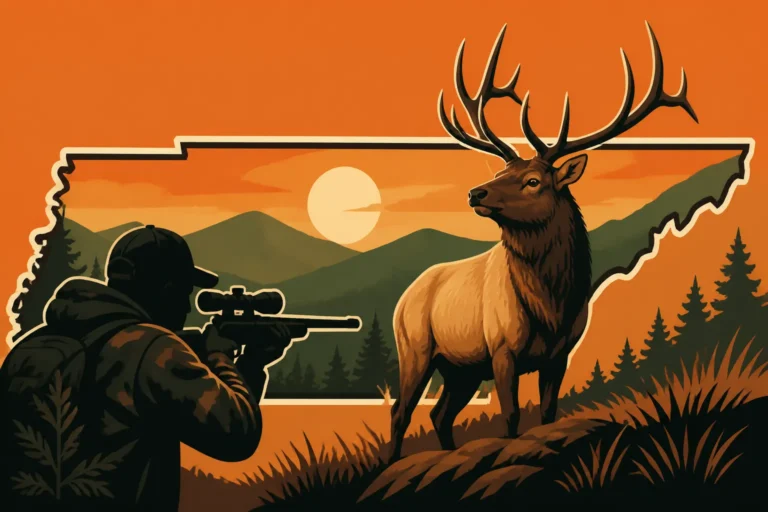
The Tennessee Youth Deer Weekend is truly a special time on the hunting calendar, a chance to get our younger generation out into the woods and, hopefully, spark a lifelong passion for the outdoors. But let's be real, introducing new hunters, especially kids, comes with its own set of challenges, from keeping them warm and engaged to understanding all the specific rules that apply to these special hunts. This guide aims to demystify the Tennessee Youth Deer Weekend, offering practical advice, regulatory clarity, and tips to make it a memorable and successful experience for both young hunters and their mentors.
Understanding Tennessee's Youth Deer Weekend Rules
Navigating the regulations for any hunting season can feel like decoding ancient scrolls, and the youth deer weekend has its own unique parameters. This isn't just a regular deer hunt with a kid tagging along; it's a carefully designed opportunity by the Tennessee Wildlife Resources Agency (TWRA) to give young hunters a dedicated window with specific rules that aim to maximize their chances and provide a safe, educational experience.
Eligibility and Mentorship Requirements
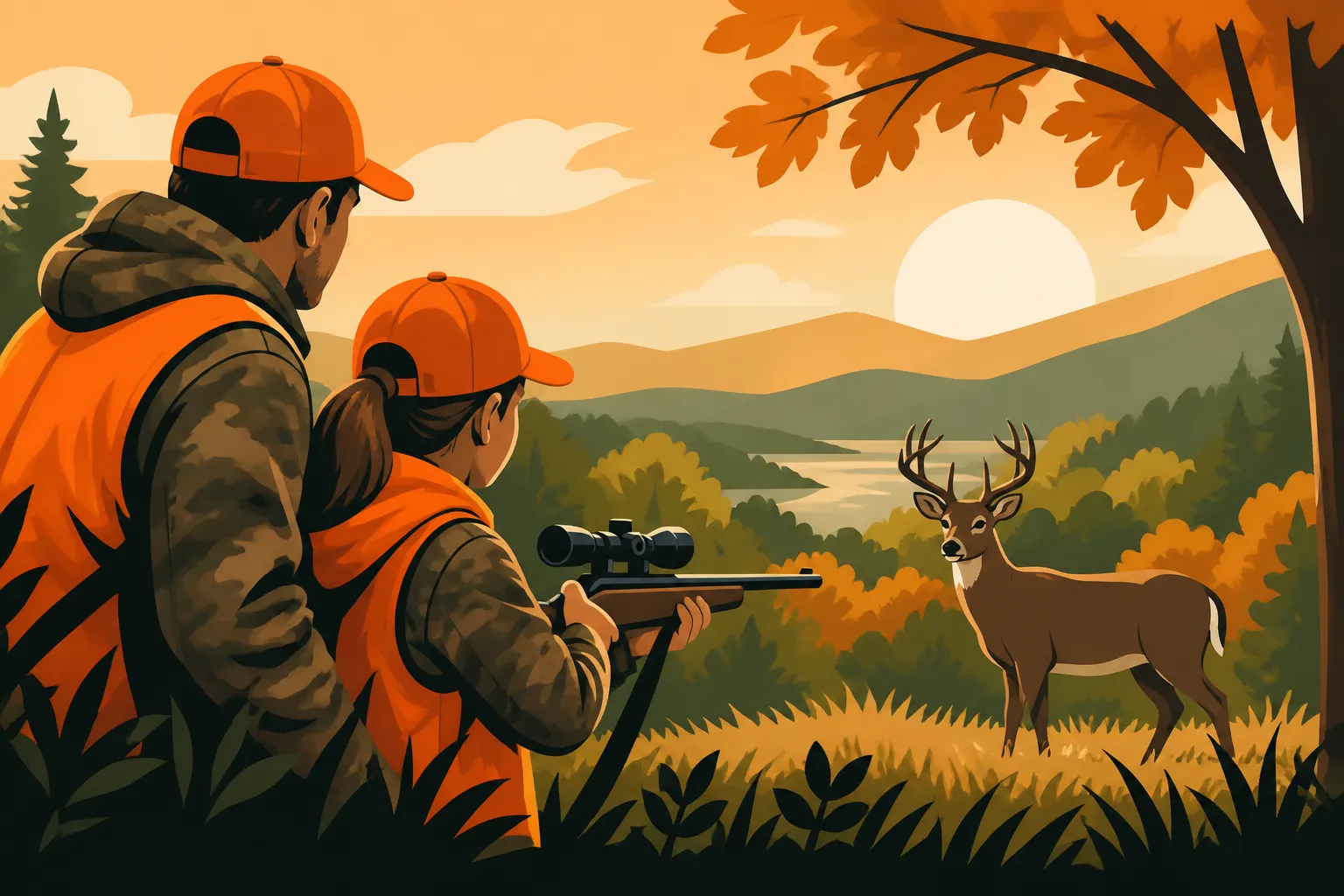
First and foremost, who can participate? The Tennessee Youth Deer Weekend is specifically for hunters 6 to 16 years of age. This age range is critical because it dictates who can carry a firearm or bow in the field under these special conditions. The absolute cornerstone of this hunt is the mentor requirement. Every youth hunter must be accompanied by a non-hunting adult 21 years of age or older. This adult isn't just along for the ride; they are directly responsible for the immediate supervision of the young hunter. They need to be in a position to take immediate control of the hunting device if necessary, and they must comply with all blaze orange or blaze pink requirements, even if the youth is wearing it.
It's not enough for the adult to just be present; they need to be actively engaged in mentoring. This means guiding the youth, teaching safe firearm handling, identifying legal game, and generally ensuring a safe and ethical hunt. The non-hunting adult cannot possess a hunting device themselves, which means no bringing your own rifle "just in case" to fill your own tag. This weekend is exclusively for the youth hunter. Understanding the nuances of Tennessee Apprentice Hunter License Rules and How Close a Tennessee Mentor Must Stay can be really beneficial here, as they outline the spirit and letter of the law for mentorship.
Permitted Hunting Devices and Bag Limits
The gear permitted during the youth deer weekend is fairly standard for Tennessee deer hunting, but it's worth double-checking. Youth hunters are allowed to use legal archery equipment, muzzleloaders, or firearms. This flexibility is a huge advantage, allowing young hunters to use whatever method they are most comfortable and proficient with, which is a great confidence booster. For instance, a youth accustomed to shooting a .243 rifle can use that, or an aspiring bowhunter can utilize their compound or crossbow setup. Knowing the specific Tennessee Legal Firearms for Deer Hunting and Crossbow Versus Vertical Bow in Tennessee can help mentors guide their youth in choosing the right tool.
The bag limit for the youth deer weekend is generous and designed to give kids a good chance at success: one antlered deer and an unlimited number of antlerless deer. However, this is always subject to the county's specific Deer Management Unit (DMU) limits. So, while it's "unlimited," you still need to know which DMU you're hunting in and what the antlerless limits are for that particular zone during the regular season, as the youth hunt usually mirrors these. Always consult the current TWRA regulations for the exact DMU rules where you plan to hunt. This flexibility, especially with antlerless deer, can be key to keeping a young hunter engaged, as seeing and potentially harvesting more deer can be very exciting.
Maximizing Success and Engagement During the Hunt
The goal of the Youth Deer Weekend isn't just about bagging a deer; it's about fostering a love for hunting and the outdoors. That means making the experience enjoyable, educational, and, yes, as successful as possible in terms of seeing game and having shot opportunities. It's a fine balance between serious hunting and keeping a kid's attention.
Strategic Scouting and Location Selection
Success often starts long before opening day. For the youth deer weekend, scouting is paramount. You're looking for areas that hold deer, but also consider accessibility and comfort for your young hunter. A long, arduous hike into a remote wilderness area might be too much for a beginner, especially if they're carrying their own gear. Look for locations with good food sources – acorns dropping, green fields, or cornfields still standing in farm country. Early season food plots or natural mast crops like white oak acorns can be phenomenal draws. Using tools like GoHunt can be incredibly helpful here, allowing you to layer maps, identify property lines, and mark potential stand sites from the comfort of home. This kind of pre-season work teaches kids the value of preparation and helps them visualize the hunt.
Public lands offer excellent opportunities, but remember, the youth weekend can attract crowds. Consider scouting less-pressured areas or walking a little further off the beaten path if your youth hunter is up for it. Scouting Tennessee Public Land Before Season is invaluable, helping you identify travel corridors, bedding areas, and pinch points. For example, a saddle between two ridges on the Cumberland Plateau or a funnel between two creek bottoms in West Tennessee can concentrate deer movement and increase your odds. Identifying these spots early means less guessing on the actual hunt day.
Effective Stand Setup and Comfort
Once you've scouted a good location, the setup needs to prioritize the youth hunter's safety and comfort. Whether you're using a ground blind or a treestand, make sure it's stable and provides a safe shooting rest. For younger kids, a ground blind offers warmth, concealment, and the ability to move around a bit without spooking game, which can be a huge advantage for restless little hunters. Brush it in well using natural surroundings for maximum concealment. If using a treestand, safety is paramount. Always use a full-body harness for both the youth and the adult mentor, and make sure the youth understands how to use it properly. Reviewing Treestand Safety Gear for Steep Ground is a must.
Comfort directly impacts engagement. Bring plenty of snacks, water, and perhaps a thermos of hot chocolate or coffee (for the mentor!). Layering clothing is crucial for Tennessee's unpredictable autumn weather. A warm, dry hunter is a happy hunter. Consider a portable heater for ground blinds on colder mornings. A comfortable sit, even if deer aren't moving, still offers valuable time for conversation, teaching about the woods, and simply enjoying nature together. This is where patience truly becomes a virtue, both for the mentor and for helping the youth develop it.
Beyond the Shot: Processing and Lessons Learned
The moment a young hunter takes their first deer is monumental. But the hunt doesn't end there. The steps that follow are just as important for instilling respect for the animal, understanding the effort involved, and complying with all post-harvest regulations.
Field Dressing and Game Care
After a successful shot, it's vital to teach the youth hunter the responsibility that comes next: ethical game recovery and processing. This is a hands-on learning opportunity. Involve them as much as possible in the tracking process, looking for blood and signs. Once the deer is recovered, walk them through the field dressing process. Explain why it's done, how to do it efficiently, and the importance of cooling the meat quickly, especially if it's not a cold morning. You might not want them doing the gutting themselves on their very first deer, but having them hold legs, hand you tools, and observe is incredibly educational.
For warm weather hunts, which can happen during early youth seasons, having a plan for immediate cooling is critical. Bringing a cooler with ice, or knowing how to quickly quarter and bag the meat, can make all the difference in meat quality. This is where Field Dressing a Deer in Cold Weather and Meat Care Gear for Tennessee Hunters can offer excellent insights, even if the weather isn't freezing. Emphasize that taking care of the harvest is a sign of respect for the animal and ensures good quality venison for the table.
Reporting and Celebration
One of the most crucial post-hunt steps in Tennessee is harvest reporting. Every deer harvested during the youth weekend, just like any other deer, must be reported to the TWRA. This can be done online through their Go Outdoors Tennessee website or app, or by phone. Teach your youth hunter how to log into the system (or observe you doing it) and enter the necessary information, such as county, species, sex, and harvest method. This reinforces the legal and ethical obligations of hunting. You can find detailed instructions on Tennessee Deer Harvest Reporting Rules.
| Requirement | Details | Important Notes |
|---|---|---|
| Youth Age | 6-16 years old | Youth must be within this age range. |
| Mentor Age | 21 years or older | Must be non-hunting and directly supervising. |
| Mentor Possession | Cannot possess a hunting device | Mentor's role is strictly supervisory, not hunting. |
| License | Youth needs appropriate license (e.g., Type 001 Jr. Hunt/Fish or Type 002 Jr. Hunt) | Mentor needs a valid license to mentor, typically a Type 001 or equivalent. |
| Blaze Orange/Pink | Both youth and mentor must meet requirements | Consult current regulations for specific requirements based on WMA/private land. |
| Bag Limit (Antlered) | 1 antlered deer | Statewide, subject to DMU limits. |
| Bag Limit (Antlerless) | Unlimited (subject to DMU limits) | Always check county-specific DMU regulations for antlerless limits. |
| Legal Devices | Archery, muzzleloader, or firearm | Must comply with all legal specifications for each device type. |
| Harvest Reporting | Required for all harvested deer | Must be reported online or by phone through TWRA within 48 hours. |
Finally, celebrate the experience! Whether it was a successful harvest or just a day spent together in the woods, acknowledge the effort, the patience, and the learning. Take pictures, share the story, and involve them in preparing the venison. These moments build memories that last a lifetime and solidify their connection to hunting. The Tennessee Youth Deer Weekend is more than just a hunt; it's an investment in the future of our hunting heritage, creating new stewards of the land and its wildlife.
Disclaimer
Please remember that hunting regulations can change. Always consult the most current Tennessee Wildlife Resources Agency (TWRA) hunting guide and local regulations before heading afield. This guide is for informational purposes only and does not supersede official TWRA regulations.