Tennessee Squirrel Season Dates
For many Tennessee hunters, the sound of falling acorns and the rustle of leaves underfoot signals one thing: squirrel season. But knowing exactly when you can grab your trusty .22 or shotgun and head afield can sometimes feel like a moving target, especially with various regulations and zones to navigate. This comprehensive guide is here to clear up the confusion, walking you through Tennessee's squirrel season dates and offering insights to help you make the most of your time in the woods.
Understanding Tennessee Squirrel Season Dates
Tennessee offers a generous squirrel season, a true testament to the health of our state's squirrel populations and the enduring tradition of small game hunting. However, pinning down the exact dates requires a little attention to detail, as statewide regulations lay the foundation, but specific Wildlife Management Areas (WMAs) can have their own nuances.
General Statewide Dates and Zones
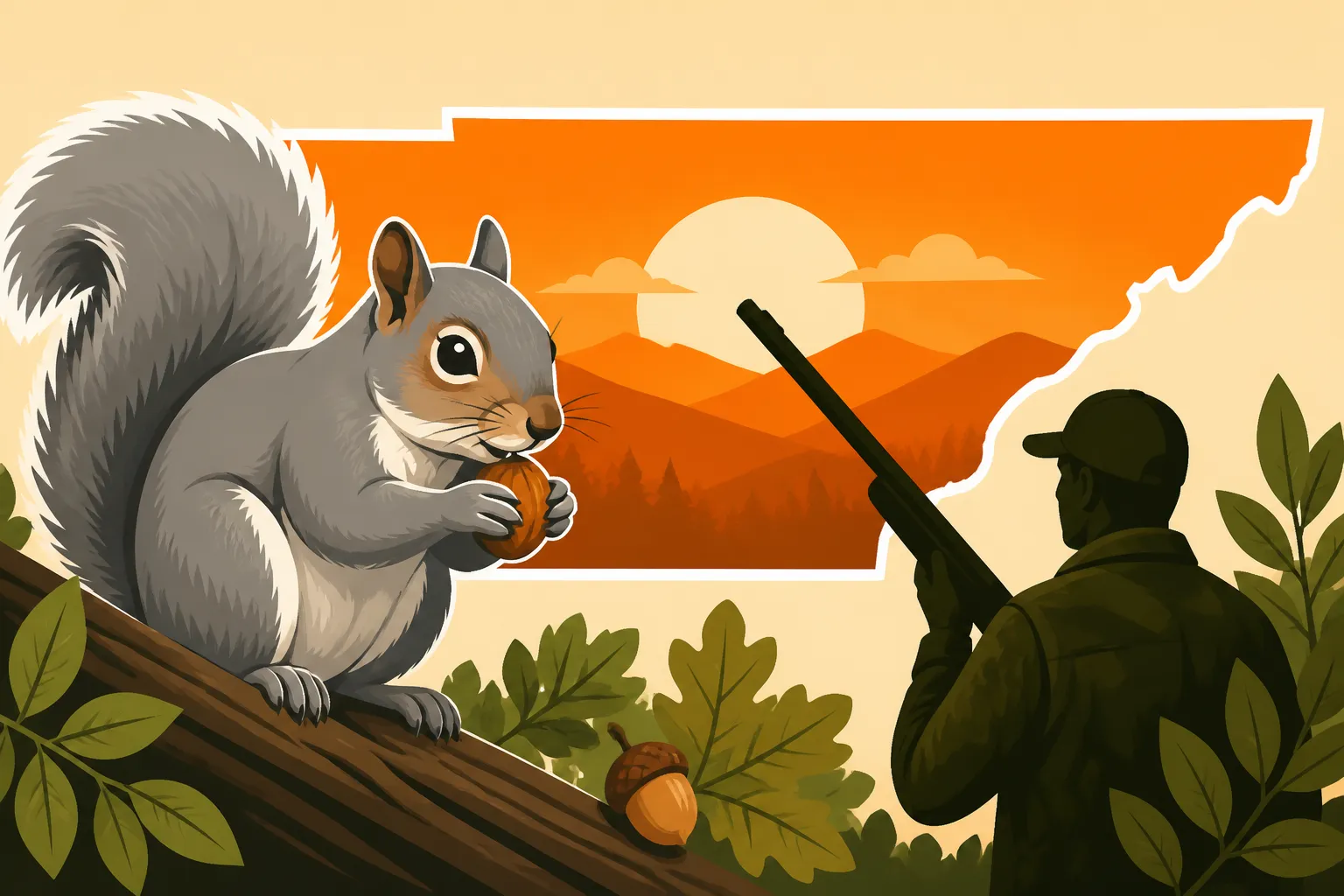
Typically, the statewide squirrel season in Tennessee opens in late August and runs all the way through the end of February. This long season provides ample opportunity for hunters to pursue both gray and fox squirrels, from the hot, early days of fall right through the chilly depths of winter. The consistent dates across most of the state make planning relatively straightforward for general public and private land hunting. For example, a hunter on private land in Dickson County will generally follow the same dates as someone on private land in Greene County.
The bag limit is usually ten squirrels per day, which is a healthy number, allowing for a good morning or afternoon hunt to fill the cooler. Possession limits typically mirror the daily bag limit. This extended season acknowledges the robust nature of Tennessee's squirrel populations and provides diverse hunting conditions, from dense canopy in early fall to more open woodlands after leaf drop, which calls for different tactics.
Special Youth Hunt Opportunities
The Tennessee Wildlife Resources Agency (TWRA) often designates special youth hunting days for various game species, and squirrels are no exception. These youth-only weekends usually occur just before the statewide opener, offering younger hunters (often those 16 years old and younger) a fantastic chance to experience the excitement of the hunt without the pressure of a crowded opening day. These specific dates are a wonderful way to introduce the next generation to hunting, fostering skills and appreciation for the outdoors in a controlled, educational environment. Always check the current year's Tennessee Hunting and Trapping Guide for precise dates for these special opportunities, as they can sometimes shift slightly from year to year. A mentor, usually an adult with a valid hunting license, must accompany youth hunters, providing guidance and ensuring safety in the field.
WMA Specific Regulations
While the statewide dates provide a good baseline, it's crucial to remember that Wildlife Management Areas (WMAs) often operate under their own sets of rules, which can include differing squirrel season dates, bag limits, or even specific hunting methods. WMAs are managed intensively to meet specific conservation goals, and that sometimes means adjusting hunting pressure or timing.
For instance, some WMAs might have an earlier closing date, or they might restrict hunting to certain days of the week, or even require a WMA-specific permit. This is particularly true for WMAs that host deer quota hunts or other special events, where small game hunting might be temporarily closed to minimize disturbance. Always, and I mean always, consult the TWRA's official WMA regulations booklet or the online WMA lookup tool before you plan a trip to any WMA. Ignoring these specific rules can lead to fines and loss of hunting privileges. Digital tools like the Go Outdoors Tennessee app or mapping platforms can be invaluable for cross-referencing these details, helping you confirm that your chosen WMA is open for squirrel hunting on your desired dates.
Here's a quick reference for general statewide dates, but remember to verify with official TWRA sources for the most current information, especially for WMAs.
| Season Type | Opening Date | Closing Date | Daily Bag Limit | Possession Limit |
|---|---|---|---|---|
| Statewide Squirrel | Late August (e.g., last Saturday) | End of February | 10 | 10 |
| Youth-Only Squirrel | Mid-August (specific weekend) | Mid-August (specific weekend) | 10 | 10 |
Note: Specific dates and WMA regulations can change annually. Always verify with the latest TWRA hunting guide.
Why Squirrel Season Varies and What It Means for Hunters
Understanding the "why" behind Tennessee's squirrel season dates can significantly improve your hunting strategy and success. These dates aren't just pulled out of a hat; they're based on scientific principles of wildlife management, ecological factors, and the balance of providing ample hunting opportunities while ensuring healthy squirrel populations for years to come.
Biology Behind the Timing
The late August opening for squirrel season isn't arbitrary. It typically coincides with the availability of early mast crops, like various acorns and hickory nuts, which are crucial food sources for squirrels. By late summer, most juvenile squirrels are mature enough to be independent, and populations are generally at their peak after the spring and summer breeding cycles. Hunting at this time allows for harvesting surplus animals without negatively impacting the overall breeding stock. This timing aligns with the peak of squirrel activity as they are actively foraging and stashing food for the leaner winter months.
As the season progresses through fall and winter, squirrels adapt their behavior. In the warmer early season, they might be active earlier in the morning and later in the evening, taking refuge during the midday heat. However, once the leaves drop and temperatures cool, their activity patterns often shift to concentrate around the warmest parts of the day. This provides different hunting challenges and opportunities. For those interested in a deeper dive, examining Tennessee Squirrel Harvest Numbers can give you insight into population trends and the success of past seasons.
Impact on Hunter Strategy
The long, varied season means hunters can employ a range of strategies depending on the time of year. Early season squirrel hunting, especially in late August and September, is often characterized by thick foliage. This requires keen observation, sharp ears, and often a more patient, still-hunting approach. Hunters might focus on Squirrel Hunting Tennessee Bottomland Hardwoods where mast is abundant, or seek out active nut trees by listening for the tell-tale cutting sounds of squirrels processing nuts. You might also find squirrels more spread out as food sources are plentiful.
As the season transitions into late fall and winter, the absence of leaves changes the game. Visibility improves dramatically, allowing for longer shots and easier spotting. However, squirrels also become warier with less cover. This is when identifying key food sources like white oaks or red oaks becomes paramount, and knowing Reading Cuttings Under an Oak can reveal recent activity. Cold weather can also concentrate squirrels around dense cover or specific food patches. Hunters might adapt by focusing on Squirrel Hunting a Tennessee Oak Ridge or using a slow, deliberate walk-and-stalk method. The late season can be particularly rewarding, as squirrels are often concentrated, and the crisp air and quiet woods provide a classic hunting experience.
Essential Resources for Planning Your Tennessee Squirrel Hunt
Navigating the regulations and finding the best spots for squirrel hunting in Tennessee requires leveraging the right resources. From official government publications to advanced digital tools, having these at your fingertips will ensure a successful and compliant hunt.
Official TWRA Resources and Online Tools
The Tennessee Wildlife Resources Agency (TWRA) is your absolute go-to for all official hunting regulations and season dates. Each year, they publish a comprehensive "Tennessee Hunting and Trapping Guide," which is available both in print at local license vendors and online as a downloadable PDF on their website. This guide contains all the legal specifics, including statewide squirrel season dates, bag limits, weapon restrictions, and detailed WMA rules.
Beyond the annual guide, the TWRA website offers several valuable online tools. Their interactive WMA map is excellent for locating public hunting lands and viewing specific WMA regulations directly. You can also purchase your Tennessee Hunting Licenses and What They Cost directly through their Go Outdoors Tennessee portal. Keeping tabs on Tennessee Small Game Season Rules is vital, as changes can sometimes occur. Always cross-reference your plans with the most current TWRA publications before heading out. It's not just about compliance; it's about staying safe and informed.
Using Digital Scouting Tools like GoHunt
In today's world, digital mapping and scouting tools have revolutionized how hunters approach the woods. While the TWRA provides essential regulatory information, platforms like GoHunt can significantly enhance your planning by offering detailed topographical maps, satellite imagery, and public/private land boundary overlays. For squirrel hunters, this means you can identify potential oak ridges, bottomland hardwoods, or creek drainages that are likely to hold squirrels, even before you set foot in the field.
GoHunt allows you to mark waypoints for promising areas, track your movements, and even check weather conditions for your specific hunting zone. This is invaluable when you're trying to locate the prime habitat for both Gray Versus Fox Squirrels in Tennessee. You can use the app to identify overlooked pockets of public land, plan your approach to minimize disturbance, and ensure you're within legal boundaries. Before heading out, remember to cross-reference with tools like GoHunt, which can often pull up WMA-specific regulations and even help you scout potential squirrel hotspots. Using the GoHunt app to overlay public land boundaries with satellite imagery can give you a significant advantage, helping you pinpoint those prime oak ridges or isolated stands of mature nut trees that might otherwise go unnoticed.
Squirrel Hunting Beyond Dates: Key Considerations
Knowing the season dates is just the beginning. To truly become a successful squirrel hunter in Tennessee, you need to understand the animals themselves, their preferred habitats, and how external factors like weather influence their behavior.
Habitat and Food Sources to Focus On
Squirrels, whether gray or fox, are creatures of the forest, and their presence is heavily dictated by the availability of food and cover. Both species thrive in mature hardwood forests, particularly those rich in mast-producing trees like oaks, hickories, walnuts, and beech. Gray squirrels tend to favor more dense, continuous canopy, often found in larger timber tracts and river bottoms. Fox squirrels, on the other hand, are often found in more open timber, woodlots, and even farm country edges, though they still rely heavily on nuts.
When planning your hunt, scout for these key food sources. In late summer and early fall, look for red oak and white oak varieties, as their acorns are a primary food source. Hickory nuts and walnuts are also prime targets. Fresh "cuttings" (the discarded shells and nut fragments) on logs, stumps, or the forest floor are tell-tale signs of recent squirrel activity. During the late season, after many natural foods have been consumed, squirrels might concentrate around lingering food sources, such as unharvested cornfields bordering timber or persistent mast crops. Understanding Late-Season Food Sources for Tennessee Whitetails might also give you clues to where squirrels are foraging, as their diets often overlap. The presence of water, such as creek bottoms or small ponds, can also draw squirrels, especially in drier periods.
Weather's Role in Squirrel Activity
Weather plays a significant role in squirrel behavior and, consequently, your hunting success. Generally, squirrels are most active on calm, clear, and cool days.
- Temperature: In the early season (August/September), hot, humid days can push squirrel activity to the cooler parts of the day, meaning early mornings and late afternoons. As temperatures drop in late fall and winter, squirrels might be more active during the midday hours when the sun is highest, and it's warmest. Extremely cold days can send them into their nests for prolonged periods.
- Wind: Wind is often a squirrel hunter's worst enemy. Strong winds make it difficult to hear the subtle sounds of squirrels cutting nuts or rustling in the leaves, and they also make squirrels themselves more cautious and less active, as they become more vulnerable to predators. Calm days are ideal.
- Rain: Light rain or drizzle can sometimes make squirrels more active, as it dampens the leaves, allowing them to move more quietly. However, heavy downpours will usually send them scurrying to their nests. After a rain, once the ground starts to dry, can be an excellent time to hunt, as the quiet forest floor makes spotting and hearing much easier. Cold-Weather Sitting Strategy in Tennessee could offer some parallel advice for staying comfortable during late-season hunts where temperatures can drop significantly.
Remember, dressing in appropriate Clothing for a Tennessee Late Season and Boots for Walking Tennessee Ridges will keep you comfortable and focused, no matter what the weather throws at you.
Disclaimer
The information provided in this guide is for general informational purposes only and is not legal advice. Hunting regulations, season dates, and bag limits are subject to change by the Tennessee Wildlife Resources Agency (TWRA). It is the hunter's sole responsibility to consult the most current official TWRA hunting regulations and any specific WMA rules before engaging in any hunting activities. Failure to do so may result in legal penalties.