Opening Weekend Crowds on Tennessee Public Land
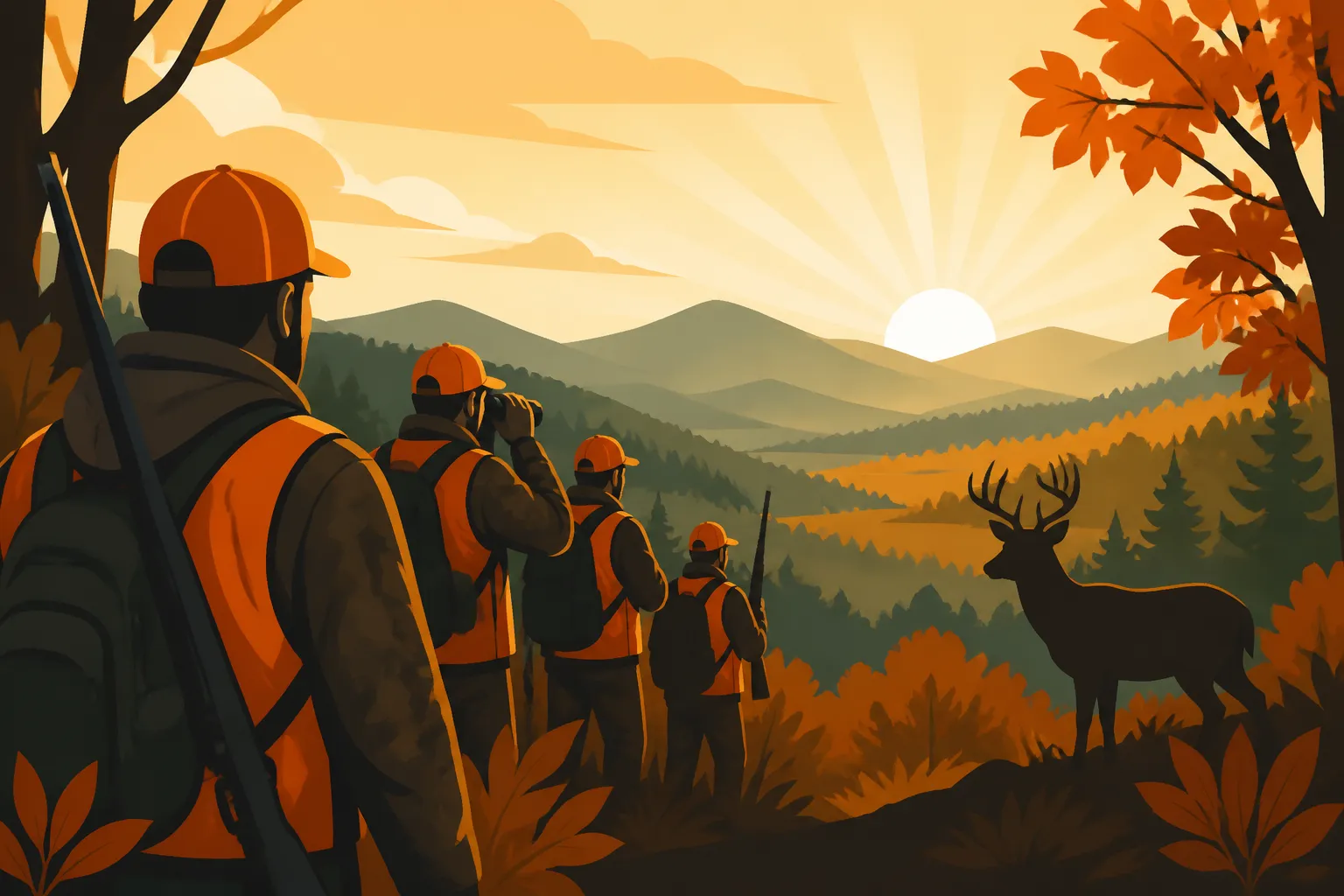
There’s nothing quite like the excitement of an opening weekend in the Tennessee woods, whether it's for deer, turkey, or small game. The air practically hums with anticipation. But for many of us who rely on public land, that excitement is often tempered by a familiar dread: the crowds. You pull into the parking lot before dawn, only to find a dozen other trucks already there, headlamps bobbing into the timber like fireflies. This guide is all about understanding why opening weekends on Tennessee public land can feel so congested and, more importantly, what you can do to find success and a bit of solitude even when it seems like everyone else had the same idea.
Why Opening Weekends Turn into a Jamboree on Tennessee Public Land
It's not just your imagination; opening weekends are genuinely packed on public lands across Tennessee. There are several good reasons for this, and understanding them is the first step toward developing strategies to deal with the pressure. It’s easy to get frustrated, but remember, everyone out there shares a similar passion, and often, similar constraints on their time.
The Allure of the First Bell: High Hopes and Limited Time
Think about it: after months of scouting, shed hunting, or just dreaming about the upcoming season, opening day is finally here! For many working folks, weekends are the only chance they have to get out and chase game. That first Saturday morning, especially for deer season, feels like a holiday. There’s a fresh slate, untouched possibilities, and the highest hopes of the entire season. Who wouldn't want to be out there? This concentrated burst of hunters, all with high expectations, naturally funnels onto accessible public properties. It's a combination of eagerness and practical scheduling that creates this initial wave. Many hunters might only have a few days off all season, and they're going to use them when the season first opens, maximizing their chances while the woods are "fresh."
The sheer novelty of the season starting also plays a huge psychological role. Everyone has been talking about it, preparing for it, and now it's finally here. Social media lights up with pictures, and the camaraderie around opening weekend is infectious. This collective excitement, while wonderful for the spirit of hunting, inevitably draws more people to the woods at the exact same time. It's a phenomenon that makes places like Cherokee National Forest Hunting or Land Between the Lakes Hunting buzz with activity right out of the gate.
Accessibility and Habitat: Why Certain Spots Get Hammered
Tennessee's public lands are vast, but not all acres are created equal when it comes to huntable habitat and ease of access. The areas that receive the most pressure often share common traits: they're close to major roads, have well-maintained parking areas, or are relatively flat and easy to walk into. These "easy access" zones become prime targets for hunters who may not be able to hike miles into rugged terrain, or who simply prefer to hunt closer to their vehicles.
Furthermore, specific habitat types naturally concentrate game, and by extension, hunters. A perfect example is a powerline cut that runs through a WMA, or a public land field edge that borders private agriculture. These "transition zones" are magnets for deer and turkey, offering food, cover, and travel corridors. Everyone knows it, and everyone wants to be there. Waterfowl hunters see this on a grand scale at places like Reelfoot Lake Waterfowl Access where the prime blind locations are highly sought after. These well-known, productive, and accessible areas are often the first to fill up, and if you're not planning around them, you'll be right in the middle of the crowd. Understanding these pressure points is crucial for devising a counter-strategy.
Strategies for Finding Solitude Amidst the Rush
While opening weekend crowds are a reality, you are not powerless. There are definitely ways to increase your chances of finding a quiet spot and having a quality hunting experience, even when it feels like the whole state is in the woods with you. It often comes down to putting in a little extra effort and thinking outside the box.
Go Deeper, Go Steeper: The Hunter's Mantra
This is the golden rule of public land hunting. The vast majority of hunters will not venture far from roads or easy trails. Their comfort zone typically extends only a few hundred yards, maybe half a mile, from their truck. This means if you are willing to hike a mile, two miles, or even further into the backcountry, especially into areas with significant elevation changes, your odds of finding unpressured game and undisturbed hunting opportunities skyrocket.
Think about those ridges and hollows on the Cumberland Plateau or the steeper sections of North Cumberland Wildlife Management Area. Most people will stick to the accessible bottomlands or the flatter ridge tops. If you can navigate a steep climb or a long, winding trek through thicker cover, you'll often find yourself in a completely different hunting world. Investing in good physical conditioning and reliable navigation tools, like an app such as onX Hunt or GoHunt that helps identify terrain and property lines, can be a game-changer. These tools are invaluable for plotting routes that avoid the main thoroughfares and take you into areas that are just a little too hard for most. Remember, deer and other game often seek refuge in these less accessible spots once the shooting starts.
Scouting Smart: Finding Unpressured Pockets Before the Season
Effective pre-season scouting is absolutely critical, especially if you want to avoid the crowds. Don't just look for game sign; look for access points and potential pressure points. Walk the property in the off-season. Mark down every trail, every logging road, every parking area. Then, actively seek out areas that are harder to get to, that might be bordered by private land, or that offer dense cover away from main travel routes. Deer, especially mature bucks, often have escape routes and sanctuary areas they retreat to once the hunting pressure builds. Your job is to find those before opening day.
Use aerial photos and topographic maps (many hunters find Reading Aerial Photos for Cumberland Plateau Deer incredibly helpful) to identify bottlenecks, natural funnels, and thick bedding areas that are off the beaten path. Look for sections of a WMA that require a long walk in, or that have a steep, nasty climb right at the beginning. These are the places where others will likely turn back, and where you'll have a better chance of finding a deer that hasn't seen a hunter every twenty minutes. Even if you're Scouting Tennessee Public Land Before Season for general deer sign, make a mental note of how easily other hunters could access that area.
Timing is Everything: Mid-Week and Mid-Day Advantages
If your schedule allows, hunting mid-week versus opening weekend can dramatically reduce the competition. Many hunters exhaust their limited time on the opener, or simply can't take off work during the week. A Tuesday or Wednesday hunt on public land often feels like a completely different experience than a Saturday. The woods are quieter, and the animals, having been bumped around, might start to settle back into more natural patterns.
Even on a busy opening weekend, consider hunting strategies that run counter to the typical schedule. Most hunters are out at first light and then again for the last couple of hours before dark. What about the middle of the day? Many will head back to camp for lunch, or even leave for the day, creating a lull in pressure. Deer, especially bucks, often move during these quieter mid-day hours, particularly if they've been pushed from their bedding areas in the morning. This might mean a longer sit, but it could also mean a less interrupted hunt. Similarly, don't be afraid to take a long, slow walk through thick cover during those mid-day hours. You might surprise a deer that's trying to sneak between bedding and feeding areas.
| Strategy | Description | Ideal Timeframe | Potential Outcome |
|---|---|---|---|
| Deep Woods | Hike further away from established roads, trails, and parking areas. Seek remote, rugged terrain. | Anytime | Encounter less pressured game; more solitude. |
| Steep Terrain | Focus on areas with significant elevation changes that deter less physically capable hunters. | Anytime | Find deer seeking refuge from easier access points. |
| Mid-Week Hunt | Hunt Monday-Friday, avoiding peak weekend pressure. | After opening weekend | Significantly reduced hunter density; more natural animal movement. |
| Mid-Day Push | Remain in the woods during lunch hours or make slow, quiet pushes through bedding areas. | Opening weekend, 10 AM-2 PM | Intercept deer moving between morning and evening patterns; avoid peak hunter activity. |
| Late Season | Shift focus to later seasons when hunter numbers naturally drop off due to weather or deer behavior. | Late November, December, January | Much less pressure; deer often patterned to specific food sources. |
Navigating the Challenges: Safety and Etiquette
Even with the best strategies for finding solitude, you're still on public land, and you're bound to encounter other hunters. How you handle these interactions, and how you prepare for them, can make a huge difference in your safety and enjoyment. We're all sharing these precious resources, so a little courtesy goes a long way.
Communication and Consideration: Being a Good Public Land Neighbor
When you do encounter another hunter, a friendly nod, a wave, or a quiet greeting can set a positive tone. Most hunters are respectful, and a simple acknowledgement can prevent misunderstandings. If you stumble upon someone else's Treestand Setups in Cherokee National Forest or Using a Ground Blind on Tennessee Public Land, simply back out quietly and find another spot. We all have "our spots" we hope to keep secret, but on public land, boundaries are fluid. Respecting another hunter's space is paramount. If you see someone walking in a certain direction, consider taking a different route to avoid crowding their chosen area.
This consideration extends to how you hunt. If you're doing a deer drive, be mindful of where other hunters might be. If you're rattling or grunting, understand that those sounds carry and might draw other hunters in, or make them think you're calling to their deer. Open communication, even if it's just a polite wave from a distance, can help avoid conflict. Remember, we're all out there for the same reason, and a shared passion can lead to shared respect, even if you’re competing for the same resources.
Gear Up for Safety: Visibility and Awareness
In crowded public land situations, safety becomes even more critical. You might be focused on the deer, but you also need to be acutely aware of other people. This is where blaze orange (or blaze pink, which is also legal in Tennessee) becomes non-negotiable, even when it might not be strictly required by law for your specific season or weapon choice. Always know How Much Blaze Orange Tennessee Requires for gun season, but consider wearing more, especially on opening day. A blaze orange vest or hat can make you much more visible to other hunters, significantly reducing the risk of being mistaken for game.
Beyond visibility, personal awareness is key. Constantly scan your surroundings, not just for game, but for human activity. Listen for distant shots, voices, or approaching footsteps. Use tools like onX Hunt or GoHunt that offer GPS tracking, so you always know your precise location and can identify property lines or safety zones. Consider carrying a whistle for emergencies. And critically, always identify your target and what's beyond it. Never take a shot if you're not absolutely certain of what you're shooting at and where your bullet will end up. This isn't just a rule; it's a moral imperative that keeps everyone safe. Taking Tennessee Hunter Education Requirements isn't just about passing a test; it's about internalizing these safety principles for every hunt.
Disclaimer
This article is for general informational purposes only and does not constitute professional advice. Laws, prices and regulations vary by location and change over time. Consult a qualified professional for guidance on your specific situation.