Why the Unaka Unit Draws Bear Hunters
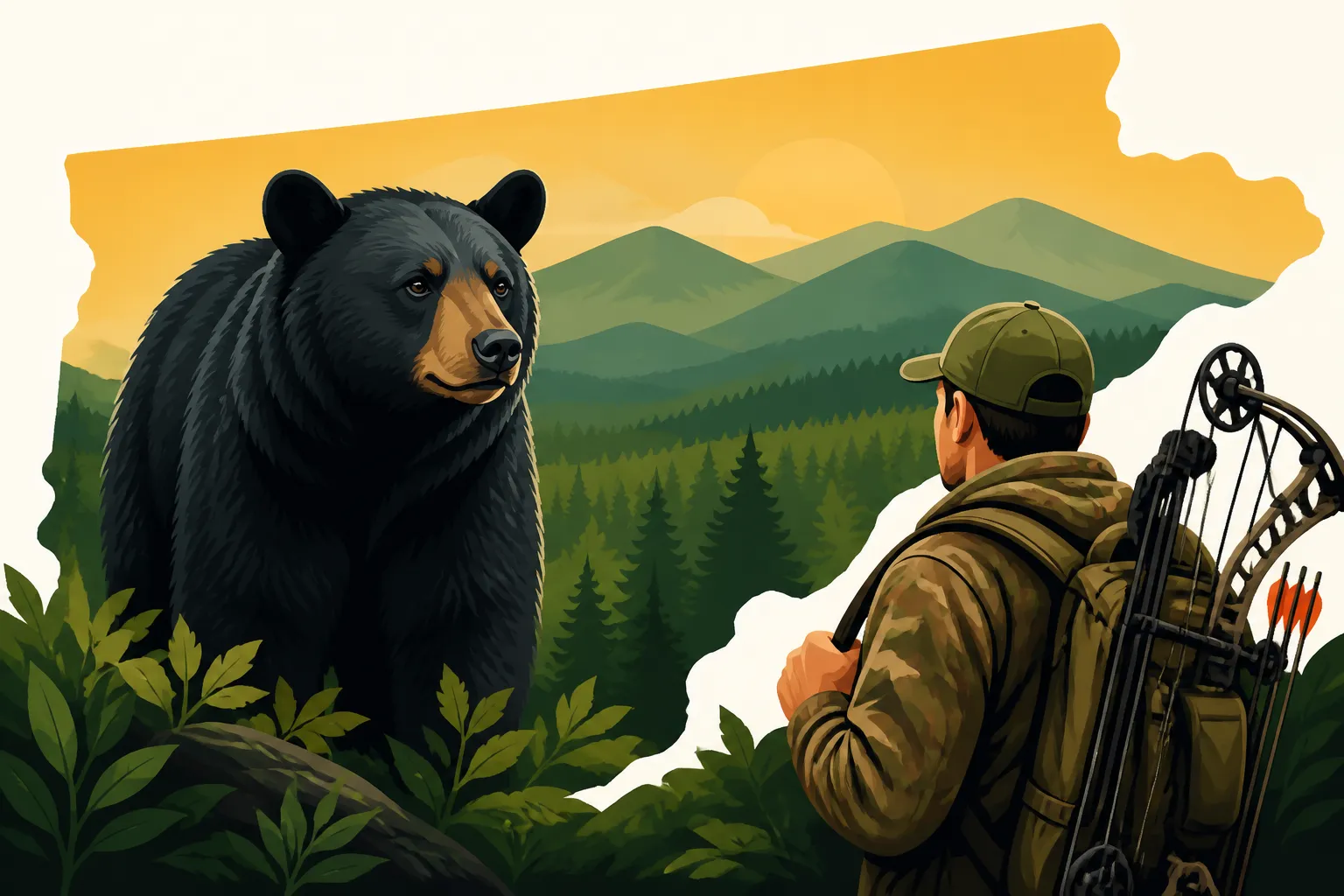
There's a special kind of hunter who answers the call of the Unaka Unit of the Cherokee National Forest, and often, that call sounds like a black bear. This rugged, unforgiving terrain in East Tennessee isn't for the faint of heart, but for those willing to put in the effort, it offers some of the most challenging and rewarding bear hunting experiences the state has to offer. If you've ever wondered why this particular corner of Tennessee draws so many dedicated bear hunters, you're in the right place. This guide will delve into the unique characteristics of the Unaka Unit that make it a premier destination for pursuing these magnificent animals, from its dense forests to its challenging landscape, and what you need to know to plan a successful hunt.
Understanding the Unaka Unit's Unique Landscape
The Unaka Unit isn't just another section of woods; it's a sprawling, ancient wilderness that demands respect. Nestled in the Appalachian Mountains along Tennessee's eastern border, this part of the Cherokee National Forest comprises truly wild, steep country. It’s a place where timbered slopes stretch as far as the eye can see, punctuated by deep hollows and rushing creeks. This extreme topography is precisely what makes it a haven for black bears, offering them the solitude and resources they need to thrive.
Geography and Forest Composition
Imagine mile after mile of mixed hardwood and evergreen forests, clinging to mountainsides that often feel like they go straight up. That's the Unaka. You'll find a blend of oak, hickory, and maple trees on the lower and mid-slopes, transitioning to hemlock, pine, and rhododendron thickets at higher elevations and along stream beds. These diverse forest types create a mosaic of habitats, each offering different food sources and cover at various times of the year. The sheer scale of How Many Acres Cherokee National Forest Covers means there's always new ground to explore, and more importantly, always untouched areas for bears to live undisturbed.
The elevations here can be staggering, with peaks reaching over 5,000 feet in some areas. This creates dramatic changes in temperature, vegetation, and snowpack, influencing where bears might be found throughout the season. Hunters often find themselves navigating rocky outcrops, fallen timber, and dense laurel slicks that can be incredibly challenging to push through. It’s a terrain that favors the fit and the determined, where every yard gained feels hard-won.
Accessibility Challenges
One of the defining characteristics of the Unaka Unit is its relative inaccessibility. While there are forest roads that provide entry points, many of the prime bear hunting areas require significant hiking deep into the backcountry. You won't find many easily drivable logging roads cutting through the heart of the most remote sections, which is both a blessing and a curse. It means less hunting pressure in those deeper pockets, but it also means hunters need to be prepared for strenuous, multi-mile treks carrying all their gear.
Cell service is often non-existent in these remote valleys and high ridges, making navigation a critical skill. This is where tools like onX Hunt become invaluable. Hunters rely on downloaded maps to pinpoint their location, mark potential bear sign, and ensure they stay within public land boundaries, away from private parcels that might be interspersed. It’s a wild place, and respecting its wildness, including its navigational challenges, is paramount for safety and success.
Why the Unaka Unit is a Bear Haven
The Unaka Unit isn't just rugged; it's rich. Its natural bounty directly contributes to a robust black bear population, providing everything these omnivores need to grow large and healthy. This abundance of resources, combined with the relative lack of human disturbance in much of its vastness, creates an ideal environment for bears, which in turn draws hunters seeking a quality experience.
Abundant Food Sources
Bears are opportunistic eaters, and the Unaka Unit provides a year-round buffet. The mixed hardwood forests are a goldmine for mast crops. Think about the massive acorn crops that drop in the fall from various oak species – white oaks, red oaks, chestnut oaks. These are carbohydrate-rich powerhouses that bears gorge on to pack on fat reserves for winter. Hickory nuts and beechnuts also contribute significantly to their diet. Hunting Bears Over Natural Mast in the Mountains is a key strategy here.
Beyond hard mast, the Unaka also offers a variety of soft mast throughout the warmer months. Blackberries ripen in early summer, followed by blueberries at higher elevations, and various wild cherries and grapes later in the season. These fruits provide essential sugars and nutrients, especially important for sows with cubs. The presence of these consistent, diverse food sources means bears don't have to travel far or compete excessively, allowing for higher densities and healthier animals.
Vast, Undisturbed Cover
Black bears are naturally reclusive creatures, and the sheer scale and density of the Unaka Unit provide them with exactly what they need: sanctuary. With hundreds of thousands of acres of contiguous forest, bears can range widely without constantly encountering humans. This vastness offers endless places to bed down, raise cubs, and escape pressure. The dense rhododendron and mountain laurel thickets, often referred to as "slicks," provide impenetrable cover that bears utilize to avoid detection, making them challenging to hunt but ensuring their survival.
This undisturbed habitat also means that many bears in the Unaka grow to impressive sizes and ages. They aren't constantly harassed, allowing them to follow natural patterns and fully utilize the available resources. For hunters, this translates to the potential for encountering mature, formidable animals, adding to the allure of the region. It's a true wilderness experience, where you know you're venturing into their domain.
Population Dynamics
The management of Tennessee's black bear population, particularly within Tennessee's Three Bear Hunting Zones, contributes directly to the Unaka Unit's status as a premier bear hunting destination. The Unaka falls primarily within Bear Zone One, which is specifically managed for its healthy and expanding bear population. This zone often has more liberal harvest opportunities compared to other areas, reflecting the robust nature of the local bear numbers.
The Tennessee Wildlife Resources Agency (TWRA) closely monitors bear populations through various methods, and their data supports the viability of these hunting seasons. This careful management ensures that hunting remains sustainable, allowing the population to continue to thrive while providing ample opportunities for hunters. It's a testament to successful conservation efforts that such a healthy bear population can exist and be hunted responsibly in a state like Tennessee.
Strategies for Hunting Unaka Unit Bears
Hunting black bears in the Unaka Unit is an experience that tests a hunter's skill, endurance, and patience. The methods employed often reflect the rugged nature of the terrain and the elusive habits of the bears themselves. It’s not a sit-and-wait game on a food plot; it's an active, demanding pursuit.
Still-Hunting and Stalking in the Mountains
For many, the appeal of bear hunting in the Unaka lies in the challenge of still-hunting and stalking. This involves moving incredibly slowly and deliberately through the forest, pausing frequently to glass slopes, listen for sounds, and search for fresh sign. Hunters focus on areas known for mast crops, especially along ridge tops, benches, and in the heads of hollows where bears feed. Spot-and-Stalk Tactics for Cherokee Forest Bears are paramount here.
The dense cover means visibility can be limited, so hunters must pay close attention to details: fresh tracks in soft earth, overturned rocks or logs from bears foraging, claw marks on trees, and scat. Using quality binoculars is essential for picking apart distant shadows on a remote mountainside. This method requires immense patience and the ability to cover significant ground quietly and efficiently, often stopping to glass for extended periods from advantageous points like rock outcroppings or saddles.
| Hunting Method | Key Characteristics | Physical Demands | Equipment Emphasis |
|---|---|---|---|
| Still-Hunting | Slow, deliberate movement; observation | High (strenuous hiking, stealth) | Optics, quiet clothing, sturdy boots |
| Hound Hunting | Tracking with trained dogs; pursuit | Extremely High (fast, long chases) | GPS collars, dog box, reliable vehicle |
Bear Hunting with Hounds
Perhaps the most iconic and traditional method for hunting bears in the Unaka Unit, and indeed much of the Appalachian region, is with trained hounds. This method is legal in specific bear zones, and the Unaka (Zone 1) typically allows for it. It's an adrenaline-fueled endeavor that involves turning skilled dogs loose on a fresh bear track, allowing them to pursue the bear until it either "trees" (climbs a tree) or "bays up" (stands its ground, often on a rock ledge or in a thicket). Running Hounds for Cherokee Forest Bears is a deeply ingrained part of the culture here.
Hound hunting is not for the faint of heart. Hunters often follow the dogs for miles over incredibly rough terrain, listening to the baying chorus of the pack as they work the track. A good GPS tracking system for the dogs is absolutely vital for safety and recovery, with brands like Garmin's Alpha or Astro series being standard. The physical demands are extreme, as hunters must keep pace with the dogs or strategically cut them off based on topography and bear movement. It's a team effort, often involving multiple hunters, and culminates in a challenging recovery of the bear from steep, remote locations.
Scouting for Sign
Regardless of the method, effective scouting is the cornerstone of a successful Unaka bear hunt. Bears are creatures of habit, often returning to productive feeding areas year after year, especially when mast crops are plentiful. Before the season, hunters spend countless hours walking logging roads, hiking trails, and even bushwhacking through dense cover, looking for evidence of bear activity.
What kind of sign? Fresh tracks in muddy creek beds or damp earth, torn-up logs where bears have ripped apart rotten wood looking for grubs, overturned rocks, and piles of bear scat filled with acorn hulls or berry seeds. Rubs on trees, particularly small saplings broken or bent over, can also indicate a bear's travel path. Scouting Tennessee Public Land Before Season becomes an expedition in itself. Using a mapping app like GoHunt or onX Hunt to mark these locations, observe topography, and identify potential travel corridors, even when out of cell service, is critical for piecing together a bear's movements. You're looking for patterns, trying to predict where a bear might be feeding or traveling from bedding areas to food sources.
Key Considerations for Your Unaka Bear Hunt
Beyond the specific hunting strategies, there are critical logistical and safety considerations that every hunter venturing into the Unaka Unit for bears needs to keep in mind. This is wild country, and preparation can make all the difference between a memorable hunt and a dangerous situation.
Physical Demands and Preparation
Let's be blunt: the Unaka Unit will test your physical limits. The terrain is relentlessly steep, uneven, and often slick with wet leaves or mud. A multi-mile hike here feels like double the distance on flatter ground. Being in excellent physical condition isn't just about success; it's about safety. Strong legs, good cardiovascular endurance, and stable ankles are essential. Many hunters spend the off-season hiking with a loaded pack, mimicking the demands of a real hunt.
Your footwear is paramount. Invest in high-quality, waterproof, ankle-supporting boots with excellent traction. There's nothing worse than wet, blistered feet miles from your truck. Boots for Tennessee Hollows and Creek Bottoms are not just a luxury; they're a necessity. Beyond physical fitness, the mental fortitude to push through discomfort and stay focused in challenging conditions is equally important.
Navigating the Rugged Terrain
As mentioned, cell service is often unreliable or non-existent in the deep hollows and remote ridges of the Unaka. Relying solely on your phone for navigation is a recipe for trouble. Always carry a physical map and compass, and know how to use them. Additionally, a dedicated GPS unit or a smartphone with pre-downloaded offline maps (like those offered by onX Hunt or GoHunt) is a non-negotiable piece of gear. These apps allow you to see topography, mark waypoints, and track your progress even without a signal.
Understanding Wind and Thermals on a Ridge System is also vital. The complex topography creates unpredictable air currents, especially in the mornings and evenings, which can carry your scent directly to a bear you're trying to sneak up on. Always have a plan for how you'll get back to your vehicle, especially if you're pursuing a bear deep into unknown territory. Finding Ground Others Walk Past often means going where others won't, and that's usually the hardest to navigate.
Season Dates and Regulations
Tennessee's bear hunting seasons and specific regulations can vary by zone and year, so it is absolutely crucial to check the most current TWRA regulations before planning your hunt. While the Unaka Unit is generally within Bear Zone One, which has specific dates and methods, these details can change. Pay close attention to season dates, bag limits, legal weapons, and any WMA-specific rules that might apply. Hunting Bear Zone One in Northeast Tennessee will have specific nuances.
It's also important to be aware of any requirements for checking harvested bears. The TWRA often requires bears to be reported and sometimes physically checked to gather biological data. Being informed about these regulations ensures a legal and ethical hunt, contributing to the continued success of bear management in Tennessee.
Gear Essentials
Beyond your weapon and navigation tools, a few other items are non-negotiable for a Unaka bear hunt:
- Packs: A sturdy, comfortable pack is crucial for carrying water, food, extra layers, and potentially packing out meat. A good day pack will suffice for most still-hunts, but if you're planning an overnight trip or a multi-day hound hunt, a larger frame pack will be necessary. Packs for a Cherokee Forest Day Hunt need to be robust.
- Water and Food: You'll burn a lot of calories and sweat a lot on those steep climbs. Carry more water than you think you'll need, or a reliable water filter. High-energy snacks are also essential.
- First Aid Kit: Accidents happen in rough terrain. A well-stocked First Aid Kits for Remote Cherokee Forest Ground is a must, including items for cuts, blisters, snake bites, and sprains.
- Lighting: A headlamp with extra batteries is critical, as you may be walking out in the dark after a long day or a late harvest.
- Rain Gear: Mountain weather can change in an instant. Lightweight, durable rain gear is invaluable.
- Optics: Good quality binoculars are essential for glassing distant slopes and thickets. A rangefinder is also extremely useful for judging distances in the broken terrain.
- Game Processing Gear: If successful, you'll need a sharp knife, game bags, and perhaps a small saw for field dressing. Consider how you'll cool the meat, especially in warmer early season hunts.
The Unaka Unit offers an incredible challenge and an unparalleled opportunity for bear hunters. Its rugged beauty, abundant resources, and healthy bear population combine to create a true wilderness experience that keeps hunters coming back year after year.
Disclaimer
This article is for general informational purposes only and does not constitute professional advice. Laws, prices and regulations vary by location and change over time. Consult a qualified professional for guidance on your specific situation.