Big South Fork National River Hunting
Hunting the vast, rugged landscape of the Big South Fork National River and Recreation Area (BISO) can feel like stepping back in time, offering an incredible wilderness experience that many dream of but few truly understand how to navigate. For those of us who yearn for that genuine backcountry hunt, away from crowded public land, the sheer scale and unique rules of BISO can feel overwhelming, like trying to find a needle in a haystack while blindfolded. This guide is here to shed light on how to prepare for, access, and successfully hunt the challenging yet rewarding terrain of the Big South Fork, helping you unlock its incredible potential.
Understanding Big South Fork National River and Recreation Area (BISO)
When you look at a map of Tennessee, Big South Fork National River and Recreation Area really stands out. It's not just another patch of public land; it’s a sprawling, dramatic expanse of rivers, gorges, and high plateaus that offers a hunting experience unlike almost anywhere else in the state. This area isn't just big; it's genuinely wild, demanding a different kind of preparation and mindset from hunters.
A Unique Landscape for Hunters
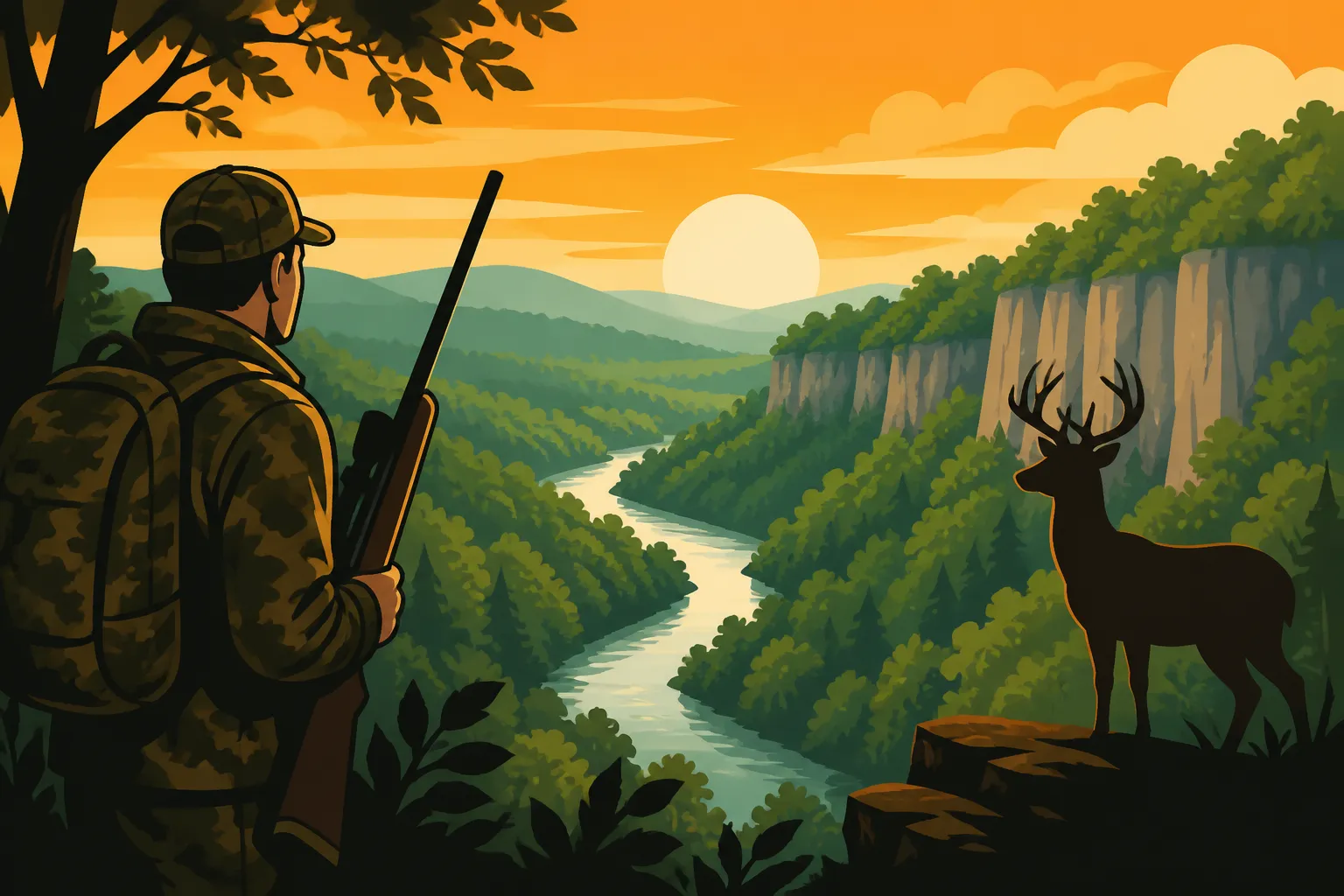
The terrain within Big South Fork is absolutely breathtaking, but it's also a serious challenge. You've got the deep, winding gorge carved by the Big South Fork River and its tributaries, flanked by towering sandstone bluffs. Descending into these gorges means navigating steep, rocky slopes, often covered in dense rhododendron thickets and heavy timber. The river bottoms themselves can be narrow, wet, and difficult to traverse, but they also offer unique habitat and travel corridors for game.
Above the gorge, the land flattens out into expansive, rolling plateau country. Here, you'll find a mix of mature hardwood forests, pine plantations, and old farm clearings slowly reverting to timber. This diverse blend of habitats, from the rugged depths of the gorge to the more open plateau, creates varied opportunities and challenges for hunters. It's a place where you might be glassing across a wide bottomland one minute and then rappelling down a bluff line (okay, maybe not rappelling, but it can feel like it!) the next. Understanding this topographical diversity is your first key to success.
Managed by the National Park Service
One of the most crucial distinctions for Big South Fork is that it's managed by the National Park Service (NPS), not solely by the Tennessee Wildlife Resources Agency (TWRA) or the Kentucky Department of Fish and Wildlife Resources (KDFWR), although they collaborate closely. This means you’re not dealing with a typical Wildlife Management Area (WMA) or National Forest setup, where state rules often reign supreme with minimal federal overlay. Instead, you're looking at a federal area with its own set of unique regulations that supplement, and sometimes supersede, state laws.
For hunters, this translates into specific permits, access rules, and limitations that you won't find on other public lands. For example, while hunting is generally allowed, certain areas might be designated as "no-hunting zones" or have special restrictions on methods of take or camping. It’s absolutely essential to consult the Big South Fork National River and Recreation Area's official hunting regulations in addition to both state’s general hunting guides. Ignoring these specific NPS rules can quickly turn a planned hunt into a citation.
Multi-State Jurisdictions and Reciprocity
Adding another layer of complexity, Big South Fork straddles the state line between Tennessee and Kentucky. This isn't just a fun fact; it has real implications for hunters. You might be hunting what feels like one continuous block of land, but the moment you cross that invisible state line, the rules can change dramatically. What's legal in Tennessee might not be in Kentucky, and vice-versa, from weapon choices to bag limits and even season dates.
This multi-state aspect means you need to be acutely aware of your exact location at all times, especially if you plan to hunt both sides. Scouting With the Tennessee TWRA App can help with boundary lines, but also consider tools like onX Hunt that clearly delineate property lines and state borders. If your hunt takes you into both states, you will need valid hunting licenses for both Tennessee and Kentucky, in addition to any specific BISO permits. This isn't a situation where one state's license "reciprocates" or covers you in the other; they are entirely separate jurisdictions requiring separate credentials.
Navigating Hunting Regulations and Permits
The complexity of hunting Big South Fork really comes into focus when you start digging into the regulations. It’s not enough to just buy your standard Tennessee hunting license and big game permits. Because of the unique management structure and its bi-state nature, there are additional layers you need to peel back.
Tennessee and Kentucky State Licenses
Before you even think about setting foot in BISO with your hunting gear, you absolutely must have the appropriate state licenses. If you plan to hunt on the Tennessee side, you’ll need a valid Tennessee hunting license and any specific big game permits (like deer, turkey, or bear) required for the species you're pursuing. The same goes for Kentucky; if you cross into the Bluegrass State's portion of Big South Fork, you need a Kentucky hunting license and the relevant species permits. This is non-negotiable.
Many hunters find it easiest to choose one side and stick to it for a particular hunt to minimize the regulatory headache, especially if they are new to the area. However, for those looking to maximize their opportunities or chase specific game trends, possessing both state's credentials is a must. Remember, just because you have a Tennessee license, it doesn't grant you any privileges across the state line, even if it feels like the same piece of woods. You'll need to check the Tennessee Wildlife Resources Agency's website for specific Tennessee Deer Season Structure Explained or Tennessee Spring Turkey Season Rules, and do the same for Kentucky.
Big South Fork's Special Permits
Beyond the state-level requirements, Big South Fork National River and Recreation Area often requires its own special permit for hunting. This isn't always a "license" in the traditional sense, but rather a no-cost registration or area permit that helps the park service track hunter numbers, manage harvest data, and communicate specific area closures or rules. It's their way of managing hunting within a national park unit, which is typically off-limits to hunting in other national parks.
You can usually obtain these permits directly from the park's headquarters or through their official website. Sometimes, they might even be available at specific kiosks or ranger stations at major access points. It's crucial not to overlook this step. Even if your state licenses are in perfect order, lacking the required BISO permit can lead to fines and the immediate termination of your hunt. Always check the official Big South Fork NPS website well in advance of your trip to understand the current permit requirements and how to obtain them. These requirements can change year to year, so don't rely on old information.
Species-Specific Regulations
Once you've got your state licenses and any necessary BISO permits, you still need to dive into the nitty-gritty of species-specific regulations. While Tennessee and Kentucky have their overarching season dates and bag limits, BISO often has specific rules that apply only within its boundaries. For example, certain areas might be designated as archery-only, even if statewide gun seasons are open. There could be restrictions on baiting, the use of ATVs (which are generally highly restricted or prohibited off designated roads), or even where you can park.
Deer hunting might have specific antler point restrictions or antlerless harvest limits that differ from the surrounding counties. Tennessee's Six Deer Management Units are a good general guide, but BISO might have its own twist. Turkey hunting might see different opening or closing dates, or restrictions on shotgun gauges or ammunition types. Bear hunting in particular often has very specific zones and dates within BISO, separate from the broader Tennessee's Three Bear Hunting Zones. For small game and furbearers, methods like trapping might be prohibited or severely restricted in certain areas. Always double-check the BISO-specific hunting brochure or website, which will outline these localized rules.
| Species | TN General Rules (Example) | KY General Rules (Example) | BISO Specific Rules (Example) |
|---|---|---|---|
| White-tailed Deer | DMU-specific bag limits, various weapon seasons | Zone-specific bag limits, various weapon seasons | May have designated archery-only areas, specific season dates, or limited quota hunts within BISO. Check for ATV/vehicle restrictions. |
| Wild Turkey | Statewide bag limits (2 bearded birds), specific weapon rules | Statewide bag limits (2 bearded birds), specific weapon rules | May have different season dates, limited zones, or restrictions on decoy use. |
| Black Bear | Zone-specific seasons, dog hunting allowed in some zones | Zone-specific seasons, dog hunting allowed in some zones | Highly regulated, often specific permits, zones, and dates. Baiting generally prohibited. Dog hunting might be restricted or disallowed. |
| Small Game | General season dates for squirrel, rabbit, etc. | General season dates for squirrel, rabbit, etc. | May have specific areas closed, or restrictions on methods (e.g., no traps). |
Accessing the Big South Fork Backcountry
Getting into the Big South Fork backcountry is half the adventure and all of the challenge. This isn't a place where you'll find a hunter access road every quarter-mile. The sheer ruggedness and vastness mean you need a solid plan for getting in, navigating, and getting out safely – especially with game.
Primary Access Points and Trailheads
Big South Fork has several main visitor centers and access points, and understanding these is crucial for planning your entry. On the Tennessee side, places like Bandy Creek Visitor Center and Leatherwood Ford are often starting points for various trails that lead into the interior. These spots offer parking, restrooms, and sometimes maps or information. However, don't expect a direct shot to prime hunting ground from these popular areas. You'll likely need to put in some serious legwork from trailheads.
Beyond the major hubs, there are numerous smaller, often unimproved road ends or trail access points scattered around the perimeter of the area. These might be less obvious but can offer more direct routes into less-pressured areas. Just be aware that roads leading to these points can be gravel, rough, or seasonal. Always check a detailed map – like one from onX Hunt – and local road conditions before heading out, especially after heavy rain. Knowing which specific roads lead to which areas and what their condition is will save you a lot of headache.
Foot Travel and Horseback Riding
For most of Big South Fork, foot travel is going to be your primary mode of transportation. This is true backcountry hunting, meaning you'll be covering miles on foot, often off-trail, through steep and uneven terrain. This isn't a place for the faint of heart or the unprepared. Your physical conditioning needs to be top-notch, and your boots need to be broken in and reliable. Boots for Tennessee Hollows and Creek Bottoms are essential here.
The extensive trail system within BISO is primarily designed for hikers and horseback riders, but it can serve as an excellent spine for hunters to access different areas. While trails are great for covering distance, remember that game often moves away from well-used paths. Don't be afraid to leave the marked trail and bushwhack into thick cover, especially if you're looking for mature animals. Horseback riding is also a popular way to cover ground in Big South Fork, and it can be incredibly effective for reaching remote areas and packing out game. If you're considering this, ensure your horse is conditioned for mountain travel, and you understand all the park regulations regarding equestrian use.
River Access for Remote Hunting
The Big South Fork River itself, along with its major tributaries like Clear Fork and New River, offers a unique way to access some of the most remote and least-pressured hunting grounds. Imagine floating downriver in a canoe or kayak, quietly slipping past areas that are nearly impossible to reach on foot. This allows you to hunt sections of the gorge that see minimal human disturbance.
You might launch at one access point, float several miles downriver, pull out at another, and then hike a few hundred yards inland to set up. This strategy requires significant planning, understanding river conditions, and knowing where legal put-in and take-out points are located. It's a fantastic tactic for Hunting Tennessee River Bottom Funnels but it's not for the inexperienced paddler. You'll need to be proficient in reading currents, navigating rapids, and ensuring your gear stays dry. Always wear a life vest and be prepared for changing weather and water levels.
Key Game Species and Hunting Opportunities
Big South Fork is home to a diverse array of game, offering challenging and rewarding hunts for multiple species. The varied habitats, from deep gorges to rolling plateaus, support healthy populations, but each species demands a unique approach in this rugged environment.
Deer Hunting in the Gorge and Plateau
Deer hunting in Big South Fork presents a fascinating dichotomy between the gorge and the plateau. In the deep river gorges, deer density can be lower, but the deer that do inhabit these areas are often less pressured and incredibly wary. They'll use the steep bluffs and dense rhododendron thickets for bedding and escape cover. Hunting here means still-hunting slowly, often working your way down into hollows or along benches. Pay close attention to subtle deer sign, like rubs and scrapes, along the few flat areas or old logging roads you find. Reading a Ridge for East Tennessee Deer and Hunting a Funnel Between Two Bottoms apply perfectly here, as deer will often utilize terrain features to move.
On the plateau, the hunting often feels more familiar, resembling hunting on the Cumberland Plateau. Here, you'll find more traditional hardwood forests, small clearings, and potentially old fields. Deer tend to move between bedding areas in thicker timber and feeding areas, which might include mast crops like acorns, or even some small, isolated food plots on private inholdings if you're lucky enough to gain permission. Stands can be effective here, especially near saddles, ridge points, or along creek drainages that deer use as travel corridors. Scouting for Late-Season Food Sources for Tennessee Whitetails is critical, especially when the mast crops are gone.
Turkey Hunting Challenges and Rewards
Spring turkey hunting in Big South Fork is an immersive, physical experience that tests even seasoned hunters. The sprawling terrain means you'll be doing a lot of walking, listening, and climbing to locate gobblers. Roosting birds the evening before can be incredibly helpful, but be prepared for them to fly down into incredibly steep, difficult-to-access areas the next morning. Roost Hunting Tennessee Gobblers requires extreme stealth and knowledge of the terrain.
Calling strategies need to be versatile. In the deep hollows, calls can echo and deceive, making it hard to pinpoint a bird. On the plateau, more open woods might allow for longer-range calling. Often, a run-and-gun approach is best for covering ground and locating responsive birds, especially on public land. Run-and-Gun Turkey Tactics on Public Land are practically mandatory here. The reward for this effort is often a truly wild gobbler, sometimes one that hasn't heard many calls and responds aggressively. Setting up against a large tree and remaining patient is key once you've engaged a bird, as they will often hang up on steep terrain features before committing.
Small Game and Furbearer Potential
While deer and turkey get most of the attention, Big South Fork offers excellent opportunities for small game and furbearers. Squirrel hunting, particularly for gray squirrels, can be fantastic in the extensive oak and hickory forests, especially along creek bottoms and ridges where mast is abundant. Squirrel Hunting a Tennessee Oak Ridge provides practical advice for these conditions. A quiet morning spent listening for cutting nuts can fill a game vest quickly.
Rabbit hunting is also productive, especially in old fields, overgrown clearings, and along the edges of timber where thick briars and brush provide cover. Running beagles can be incredibly effective here, providing an exciting hunt. For furbearers and predators, coyotes are abundant throughout the area. Calling them in, especially during the colder months, can be a thrilling experience. While bobcats are present, they are more elusive. Trapping furbearers like raccoons, opossums, and beavers is also an option, but be sure to check BISO's specific regulations on trapping methods and locations, as they can be stricter than statewide rules.
Strategic Considerations for Big South Fork Hunters
Hunting Big South Fork isn't just about knowing the rules and having the right licenses; it's about a strategic approach that acknowledges the unique demands of this incredible wilderness area. Your planning and preparation must go beyond typical WMA hunts.
Topography and Physical Demands
Let's be real: Big South Fork is not flat. It's steep, rugged, and unforgiving. The topography alone can be a significant barrier for many hunters, and it’s a frustration that many newcomers quickly discover. You'll be climbing, descending, and traversing uneven ground all day, often far from any roads or easy access. A mile in BISO feels like two or three miles elsewhere. This isn't just about being in shape; it's about being prepared for the type of physical exertion. Hauling a deer out of a deep gorge is a monumental task that requires teamwork or an incredibly strong will and specific gear like a good game cart or deer sled if you can even get it to the game. Dragging a Deer Out of a Steep Hollow becomes a real-world scenario here.
To succeed here, you need to commit to physical conditioning well before your hunt. Hiking with a weighted pack, doing stair climbs, and strengthening your core will pay dividends. Understand that a "short walk" to your stand might involve a 500-foot elevation change. Don't underestimate the energy drain these mountains can inflict. Hydration and proper nutrition during the hunt are absolutely critical to avoid bonking halfway through the day.
Scouting and Navigational Tools
Given the vastness and complexity of Big South Fork, pre-season scouting is paramount. You can't just show up on opening day and expect to find game easily. Start with topographical maps and aerial imagery. This is where tools like onX Hunt really shine, allowing you to identify ridge lines, saddles, creek bottoms, and potential bedding or feeding areas from the comfort of your home. You can mark waypoints for potential stand locations, water sources, or tricky terrain features. Another great option is GoHunt for research and planning your trip.
Once on the ground, use your GPS or mapping app religiously. Signal can be spotty in the deep gorges, so ensure you have downloaded offline maps. Identifying key landmarks, using a compass, and understanding how to navigate by terrain features are essential skills. It's incredibly easy to get turned around when you're following a deer trail through dense laurel thickets or along a bluff line. Always let someone know your hunting plan, including your intended entry/exit points and expected return time.
Safety and Preparedness in Remote Areas
Hunting in Big South Fork's remote backcountry means being self-sufficient and prepared for anything. Cell service is unreliable at best, especially in the bottomlands and deep canyons. Always carry a reliable form of communication, such as a satellite messenger (Garmin InReach, Zoleo) or a two-way radio if hunting with a partner. A comprehensive first aid kit is non-negotiable, stocked for sprains, cuts, snake bites, and other wilderness emergencies. First Aid Kits for Remote Cherokee Forest Ground has valuable overlap for BISO.
Weather can change rapidly in the mountains. A warm, sunny morning can quickly turn into a cold, driving rain or even snow. Layer your clothing appropriately, choosing materials that wick moisture and retain warmth even when wet. Clothing for a Tennessee Late Season talks about layering and materials that will be useful here. Carry extra food, water, a headlamp with spare batteries, fire-starting materials, and an emergency shelter. Assume you will be spending more time in the woods than planned, and pack accordingly. Your life could depend on it.
Conservation and Ethical Hunting
Hunting in a cherished place like Big South Fork National River and Recreation Area comes with a profound responsibility. As stewards of this incredible landscape, hunters have a vital role to play in conservation and ensuring ethical practices are upheld.
Leave No Trace Principles
The "Leave No Trace" principles are not just for hikers; they are absolutely paramount for hunters in a wilderness setting like BISO. This means packing out everything you pack in, and then some. Don't leave spent casings, food wrappers, or any other trash behind. If you field dress an animal, do so away from trails and water sources, and scatter the remains widely to allow for natural decomposition. Bury any human waste properly.
Minimizing your impact extends to your camp, if you choose to backcountry camp (always check BISO regulations on camping). Use existing campsites when possible, keep fires small (where allowed), and avoid cutting live trees for firewood. The goal is to leave the area as pristine as you found it, so the next person, hunter or otherwise, can enjoy the same wild experience. This commitment to low-impact hunting helps preserve the very essence of what makes Big South Fork so special.
Reporting Violations and Wildlife Sightings
Being a responsible hunter in Big South Fork also means being an extra set of eyes and ears for the National Park Service and state wildlife agencies. If you witness any poaching, illegal dumping, or other violations of hunting or park regulations, it is your ethical duty to report them. Take down as much information as possible: vehicle descriptions, license plates, physical descriptions of individuals, and the specific location and nature of the violation.
Similarly, reporting unusual wildlife sightings, such as sick animals, unusually high concentrations of a species, or even rare animal observations, can be valuable for wildlife management. The data collected helps agencies monitor population health and detect potential issues like disease outbreaks. You can typically report these incidents to the BISO park rangers or through the Tennessee Wildlife Resources Agency or Kentucky Department of Fish and Wildlife Resources. Your vigilance helps protect this incredible resource for future generations of hunters and outdoor enthusiasts.
Disclaimer
This article is for general informational purposes only and does not constitute professional advice. Laws, prices and regulations vary by location and change over time. Consult a qualified professional for guidance on your specific situation.