North Cumberland Wildlife Management Area
Many Tennessee hunters yearn for vast, wild landscapes that truly challenge their skills and offer the chance to pursue a variety of game, but often find themselves on smaller, fragmented public lands or battling crowds. The North Cumberland Wildlife Management Area (WMA) stands apart as a sprawling, rugged haven, presenting unique opportunities and demanding respect. This guide will take you deep into the heart of this incredible area, helping you understand its terrain, species, and how to successfully plan your next hunt.
Welcome to the Wild Heart of Tennessee: North Cumberland WMA Overview
Imagine stepping into a hunting ground so vast it feels endless, where towering ridges meet deep hollows, and the echoes of a bugling elk or a gobbling turkey truly reverberate through untouched wilderness. That's the North Cumberland WMA. It's not just another public hunting area; it's an experience unto itself, a testament to Tennessee's commitment to conserving large tracts of wild land for future generations of hunters and outdoor enthusiasts. It demands respect, preparation, and a willingness to embrace the wild.
A Giant Among WMAs: Scale and Scope
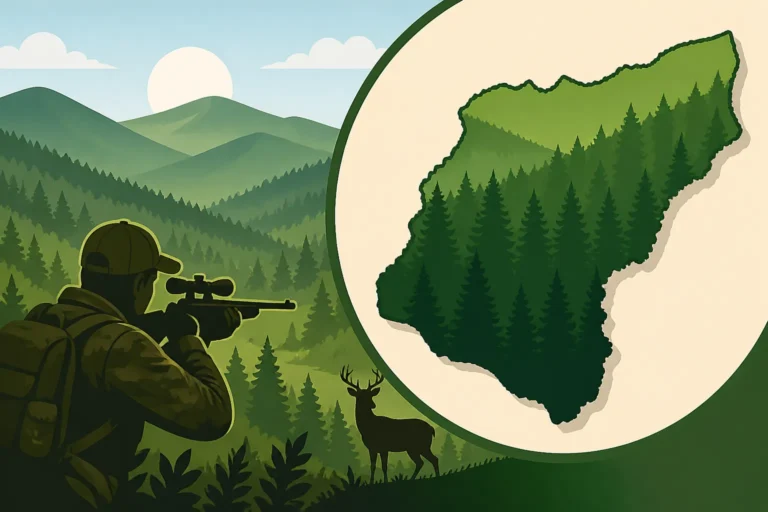
The North Cumberland WMA is truly a behemoth in Tennessee's public land system, sprawling across an impressive expanse that encompasses parts of five distinct counties: Scott, Morgan, Campbell, Anderson, and Claiborne. This isn't your typical small county WMA that you can scout in a weekend; it's a massive, contiguous block of land, covering well over 100,000 acres, possibly even pushing towards 200,000 when considering associated lands. This sheer scale is what sets it apart, offering an unparalleled sense of wilderness that's increasingly rare in the eastern United States. For perspective, many other WMAs across Tennessee might be a few thousand or tens of thousands of acres, but North Cumberland dwarfs them all, providing room for game to roam and hunters to truly get away from it all.
This immense size means diverse opportunities, but also requires a different approach to hunting. You won't be bumping into other hunters every hundred yards if you're willing to put in the legwork. It's a place where you can feel truly immersed in the landscape, miles from paved roads, and reliant on your own scouting and navigation skills. The management of such a vast area is a monumental task, handled expertly by the Tennessee Wildlife Resources Agency (TWRA) and other partners, all aimed at fostering healthy game populations and providing high-quality outdoor recreation. It's a crown jewel for Tennessee hunters, especially those seeking big game.
Diverse Habitats and Rugged Terrain
The landscape of North Cumberland WMA is as varied as it is rugged, a tapestry woven from steep mountain ridges, deep, shaded hollows, and expansive mixed hardwood forests. Much of the WMA sits atop the Cumberland Plateau, characterized by sharp elevation changes, dramatic rock outcrops, and numerous drainages that carve their way through the land. You'll encounter dense stands of oaks and hickories, providing crucial mast crops, alongside pockets of pine and hemlock. The forest floor can be thick with rhododendron and mountain laurel in places, creating challenging but excellent cover for wildlife.
Beyond the natural forests, you'll also find areas that were once surface coal mines, now reclaimed and revegetated. These reclaimed lands often feature a mix of grasses, young timber, and brushy growth, creating unique habitats that can be magnets for deer, elk, and small game. The diversity of these habitats, from mature timber to early successional growth, is vital for supporting the array of species that call North Cumberland home. This isn't flat, easy walking; expect significant climbs and descents, often over uneven ground. Understanding the terrain, how it influences thermals and game movement, is absolutely critical to successful hunting here.
The North Cumberland Legacy: Coal and Conservation
The story of North Cumberland WMA is deeply intertwined with the region's industrial past, particularly its history as a major coal mining area. For decades, the land was actively mined, leaving behind a landscape marked by strip benches, high walls, and overburden piles. However, in a remarkable testament to conservation and land stewardship, much of this land has been purchased or leased by the state and federal government agencies and subjected to extensive reclamation efforts. These projects aim to restore the land to a more natural state, mitigating the environmental impacts of mining and creating vital wildlife habitat.
Today, while remnants of the mining past can still be seen in places, the WMA stands as a prime example of successful land reclamation and its benefit to wildlife. The varied topography, including the old benches and cuts, creates unique travel corridors and bedding areas for deer and elk. The younger successional growth on reclaimed areas provides excellent browse and cover. This legacy is not just about environmental recovery; it's about providing a vast, accessible hunting ground for the public, turning an industrial landscape into a vibrant ecosystem. Hunters here aren't just pursuing game; they're walking through a living history book of environmental transformation and conservation success.
Unraveling the North Cumberland Elk Saga: A Hunter's Dream
For many Tennessee hunters, the mention of North Cumberland WMA immediately brings to mind one word: elk. This magnificent animal, once extirpated from the state, has made a triumphant return, largely thanks to the extensive efforts centered right here in North Cumberland. The opportunity to hunt these massive animals in their native habitat is a truly unique experience, drawing hunters from across the state and beyond. It’s a conservation success story that continues to unfold, and hunters are a vital part of its next chapter.
The Return of the Monarchs: Elk Restoration Success
The reintroduction of elk to Tennessee, with North Cumberland WMA as its epicenter, is one of the greatest wildlife conservation achievements in the state's history. Beginning in the early 2000s, elk were brought from other states and released into the vast, rugged terrain of the WMA. This effort wasn't just about releasing animals; it involved careful habitat management, extensive monitoring, and public education. The terrain of North Cumberland, with its mix of forests, reclaimed mine lands, and remote hollows, proved to be an ideal environment for the burgeoning herd to thrive.
The success of this program has been phenomenal, leading to a healthy and growing elk population that now roams freely within the designated restoration zone. Hunters are now able to participate in a highly regulated quota hunt, a true testament to the health and sustainability of the herd. This opportunity to pursue a native species, once lost and now restored, offers an incredibly powerful connection to the wild heritage of Tennessee. It’s a privilege and a thrill unlike any other. If you're looking for more details on the big picture, check out Tennessee's Restored Elk Herd.
Navigating the Elk Hunt Zones
Hunting elk in North Cumberland WMA is not like hunting deer; it's a unique endeavor governed by specific rules and limited opportunities designed to manage this precious resource. The WMA is carefully divided into several distinct elk hunt zones, each with its own specific regulations and harvest objectives. Access to these hunts is highly restricted, operating on a quota permit system that requires a rigorous application process. The odds of drawing one of these coveted permits are notoriously low, reflecting the limited number of tags issued each year to ensure the sustainable growth of the herd.
Hunters must be acutely aware of which zone their permit is valid for and meticulously plan their hunt within those boundaries. This isn't a situation where you can simply decide to go elk hunting on a whim; it demands foresight, application deadlines, and a healthy dose of luck. While the draw odds can be frustrating, the reward of potentially harvesting a Tennessee elk is immeasurable. These strict rules are in place for a good reason: to protect the herd and ensure future generations can also experience the thrill of elk hunting in the Volunteer State. To learn more about how this system works, read Tennessee Elk Quota Hunt Rules.
Elk Hunting Tactics: From Bugles to Bows
Once you've secured that rare elk tag for North Cumberland, the real work begins. Elk hunting in this rugged terrain is physically demanding and requires a blend of skill, patience, and adaptability. During the early archery seasons, the name of the game is often calling. Locating a bugling bull during the rut, especially in the remote hollows and ridges, can be an electrifying experience. Mastering a bugle tube and cow calls is crucial for enticing a bull into range, but remember, calling too much or at the wrong time can also spook wary animals. Silence and careful listening are often just as effective as aggressive calling. For insights on this, dive into Calling a North Cumberland Bull Elk.
As the season progresses into the general firearms hunts, tactics shift. While calling can still be effective, especially if you find unpressured animals, still-hunting and spot-and-stalk techniques become more prominent. The reclaimed mining areas, with their mix of open ground and dense cover, can offer opportunities for glassing. Understanding thermal air currents, which can shift dramatically with elevation changes, is vital for a successful approach. Whether you're carrying a bow or a rifle, shot placement is paramount on an animal of this size, and practice at extended ranges, relevant to the terrain, is non-negotiable. Don't forget to study up on Hunting the Archery-Only Elk Season for specific bowhunting insights.
Beyond Elk: Deer and Bear Hunting in North Cumberland
While elk often steal the spotlight, North Cumberland WMA offers outstanding opportunities for other big game species, particularly white-tailed deer and black bear. These hunts present their own unique challenges and rewards, demanding different strategies than those employed in more agricultural or suburban settings. Hunters willing to put in the effort will find a fulfilling experience in pursuit of these resilient mountain animals.
Whitetail Deer in the Rugged Mountains
Hunting white-tailed deer in North Cumberland is a completely different ballgame compared to the farm country of West or Middle Tennessee. Here, deer densities might be lower, but the potential for encountering older, larger-bodied bucks is real, especially if you're willing to venture deep into the remote areas. These mountain deer are conditioned to steep climbs and dense cover, making them incredibly hardy and elusive. Forget about sitting on a green field; success often comes from understanding ridge systems, bedding areas, and subtle food sources.
Focus your scouting on areas with good mast crops like acorns and hickories, particularly on south-facing slopes that warm up faster in the morning. Look for benches and saddles along ridge lines, which often serve as natural travel corridors for deer moving between bedding and feeding areas. Hunting the edges of reclaimed mine sites, where early successional growth provides browse and cover, can also be productive. Still-hunting slowly and quietly, or setting up a treestand along a well-used trail in a bottleneck, are classic mountain deer tactics. You'll definitely want to read Reading a Ridge for East Tennessee Deer to help understand the topography.
Black Bear Encounters: Zone Management and Opportunity
North Cumberland WMA is a significant part of Tennessee's thriving black bear habitat, primarily falling within what the TWRA designates as Bear Zone One and potentially overlapping with other zones depending on the specific location. Bear hunting here presents a true backcountry challenge and an exhilarating experience. The population has steadily grown, offering hunters a chance to pursue these powerful animals. Bear hunting regulations are specific and require careful study, especially regarding methods and areas.
Methods for bear hunting in North Cumberland can include still-hunting, spot-and-stalk, or, in designated areas and specific seasons, hunting with trained hounds. If you're pursuing bears on foot, focusing on areas with abundant natural mast (acorns, berries, soft mast) and thick cover is key. Bear sign, such as scat, claw marks on trees, and turned-over rocks, are good indicators of activity. For those interested in hound hunting, understanding the rules for Hunting Bear Zone One in Northeast Tennessee is critical, as hound use is often confined to specific seasons and parts of the WMA. Always check current regulations for Tennessee's Three Bear Hunting Zones before planning your hunt.
Strategic Considerations for Big Game
Whether you're after an elk, a big mountain buck, or a black bear in North Cumberland, a few strategic considerations will greatly increase your odds of success. First and foremost, scouting is absolutely paramount. Because the terrain is so vast and often visually complex, understanding pinch points, travel corridors, and preferred bedding/feeding areas before the season opens is non-negotiable. Use aerial maps and topo maps (like those found on onX Hunt or GoHunt) to identify potential areas, then put boots on the ground to confirm.
Secondly, thermals and wind play a massive role in the mountains. As the sun rises, warm air begins to move uphill, creating an upward thermal draft. In the evenings, as the air cools, it reverses and flows downhill. Knowing how these thermals will affect your scent dispersal is critical, especially when approaching a bedding area or calling an animal. Always try to position yourself so your scent is blowing away from where you expect game to be. Lastly, food sources are everything. While acorns are a primary draw, don't overlook soft mast like wild grapes, persimmons, and berries, especially during the early seasons. Locating a productive food source can be the key to finding concentrated game activity.
Spring Thunder: Turkey Hunting in North Cumberland
As the snow melts and the hardwoods begin to green up, North Cumberland WMA transforms into a premier destination for spring turkey hunters. The deep hollers and high ridges echo with the thrilling sound of gobblers, offering a challenging yet incredibly rewarding experience for those willing to chase these vocal birds across the rugged landscape. It's a hunt that demands patience, keen hearing, and a whole lot of legwork.
Roosting and Running the Ridges for Gobblers
Turkey hunting in the mountains of North Cumberland is a true run-and-gun affair. Unlike flatter terrains where birds might work a field edge, here gobblers will often roost high on a ridge, their calls carrying for miles across the valleys. The pre-dawn hours are spent listening intently, trying to pinpoint a bird's location from its initial gobble. Once a bird is located, the challenge is to close the distance quietly and set up in a favorable position without being seen or heard.
This often means navigating steep, leaf-littered slopes in the dark, trying to get within striking distance of a gobbler before he flies down from his roost. Patience is key; sometimes a bird will stay on the roost gobbling for an hour or more, testing your resolve. Once on the ground, they can be incredibly wary, especially if pressured. Being able to mimic a hen's calls effectively, from soft yelps to excited cutting, is crucial. If you're eager to try this thrilling approach, make sure you study Roost Hunting Tennessee Gobblers.
Understanding Public Land Pressure
Like many prime public hunting areas, North Cumberland WMA can experience significant hunting pressure, especially on opening day and weekends during the early part of the turkey season. While the sheer size of the WMA helps to disperse hunters, finding unpressured birds requires effort and strategy. The birds quickly become call-shy and wary after the initial onslaught of hunters, learning to avoid aggressive calling and common setups.
To counter this, consider venturing deeper into the WMA, away from easy road access and popular parking areas. These remote birds often haven't heard as many calls and might be more responsive. Hunting on weekdays, if your schedule allows, can also dramatically reduce the number of other hunters you encounter. Another tactic is to focus on areas with difficult topography, such as steep hollows or thick laurel patches that other hunters might shy away from. Adapting your calling style, sometimes using softer, more subtle calls, can also entice birds that have heard every trick in the book. Run-and-Gun Turkey Tactics on Public Land offers more specific advice on handling pressure.
Decoy and Call Strategies
When it comes to calling turkeys in North Cumberland, versatility is your best friend. A good mouth call allows for hands-free operation, crucial when you're perched on a steep slope or trying to adjust your gun. Slate and box calls can produce a wider range of sounds and are excellent for reaching out to distant birds, but can be cumbersome in dense cover or wet weather. Mastering a variety of calls will help you adapt to different situations and bird moods.
Decoys can be effective, especially during the early season when birds are more aggressive. A single hen decoy, or a jake and hen combination, can draw in a curious gobbler. However, in heavily pressured areas or when hunting thick terrain, decoys can sometimes be a liability, drawing attention from other hunters or being difficult to position. Always be mindful of your surroundings and other hunters when using decoys. The key is to match your calling and decoy strategy to the specific bird you're working and the environment you're in, always prioritizing safety and realism.
Small Game and Furbearers: The Unsung Heroes of North Cumberland
While big game often dominates the conversation surrounding North Cumberland WMA, it's important not to overlook the fantastic opportunities for small game and furbearer hunting. These pursuits offer a different pace, often less strenuous, but equally rewarding way to experience the WMA's diverse ecosystems. They provide accessible hunting options for those not focused on big game, or a great way to fill some extra freezer space after a successful big game season.
Squirrels and Rabbits in the Hardwoods
North Cumberland's vast hardwood forests, particularly those dominated by oaks and hickories, are absolutely teeming with squirrels. Both gray squirrels and the larger fox squirrels call this area home, providing excellent opportunities for a classic small game hunt. Targeting mature timber stands with a healthy understory of nut-producing trees is your best bet. Look for fresh cuttings on the forest floor, indicating active feeding. A quiet walk through the woods with a .22 rifle or a small-gauge shotgun can yield a bountiful harvest and offers a relaxing way to spend a morning. For a specific approach, consider Squirrel Hunting Tennessee Bottomland Hardwoods, as many of the principles apply to ridge country.
Rabbit hunting is another excellent option, especially in the reclaimed mining areas where brushy growth, thickets, and grasses provide ideal habitat. These areas often have an edge habitat where young timber meets more open ground, creating perfect escape cover and feeding zones for cottontails. A good pair of beagles can turn a rabbit hunt into an exciting chase, but still-hunting or flushing rabbits out of thick cover on foot can also be very productive. Early morning or late afternoon are prime times. If you're interested in the details of rabbit hunting, check out Rabbit Hunting Tennessee Fencerows.
Predator and Furbearer Pursuit
North Cumberland WMA provides ample opportunities for hunting a variety of predators and furbearers, including coyotes, bobcats, foxes, and raccoons. Coyotes are particularly prevalent across the WMA, offering a challenging hunt for those looking to thin their numbers and protect other game species. Calling coyotes, either with electronic calls mimicking distress sounds or hand calls replicating rabbit or fawn cries, can be incredibly exciting. Setting up along ridge lines or overlooking open reclaimed areas can provide good visibility for calling setups.
Bobcats, while more elusive, are present and can be pursued during regulated seasons. Their secretive nature makes them a tough quarry, often requiring specialized calling techniques or incidental encounters while hunting other species. Foxes and raccoons also offer opportunities for hunting or trapping, depending on the season and specific WMA rules. Pursuing furbearers is not just about the harvest; it's about understanding the intricate predator-prey dynamics within the ecosystem. Remember to always consult the current TWRA regulations for specific seasons, bag limits, and permitted methods for all furbearers in the WMA. For a broader view, read Predator and Furbearer Hunting in Tennessee.
Planning Your North Cumberland Adventure: Logistics and Rules
Embarking on a hunting trip to North Cumberland WMA requires more than just a hunting license; it demands meticulous planning, an understanding of complex regulations, and a commitment to safety in a truly wild environment. This isn't a place to wing it; proper preparation is the cornerstone of a successful and safe adventure.
Access Points and Trail Systems
Given its immense size, navigating North Cumberland WMA effectively starts with understanding its access points and internal road network. The WMA is crisscrossed by a mix of paved roads (like parts of Hwy 63 that run through it), maintained gravel forest roads, and numerous unmaintained or gated logging roads and trails. Many primary access points are off main highways, but once you turn onto a WMA road, be prepared for rougher conditions. Four-wheel drive vehicles are highly recommended, especially after rain or snow, and during peak hunting seasons when roads see heavy traffic.
Using detailed mapping tools is absolutely essential. While physical paper maps are a good backup, digital mapping apps like onX Hunt or GoHunt are invaluable. They allow you to overlay private and public land boundaries, identify existing trails, access points, and even show topography, making it easier to plan your ingress and egress. Mark your parking spot, your chosen hunting area, and any key landmarks. Remember that many gates might be closed seasonally or permanently, requiring you to hike in farther than anticipated. Always be aware of designated parking areas and avoid blocking any roads or gates.
Permits, Licenses, and Regulations
Hunting in North Cumberland WMA, like any public land in Tennessee, requires specific licenses and permits, and these can vary depending on what you're hunting and your residency status. At a minimum, you'll need a valid Tennessee hunting license, along with any relevant big game or waterfowl permits. For the highly sought-after elk hunts, a special quota permit drawn through a lottery system is mandatory. Additionally, some WMAs, including parts of North Cumberland, might require a specific WMA permit or stamp in addition to your statewide license.
It is absolutely crucial to consult the current TWRA hunting guide for the specific year you plan to hunt. Regulations, season dates, bag limits, and legal weapons can change annually. Pay close attention to the specific rules for North Cumberland WMA, as they might differ from statewide regulations. For instance, specific bear zones have unique rules, and elk seasons are entirely separate. Understanding Tennessee Hunting Licenses and What They Cost and Tennessee Big Game License Requirements is your starting point, but always drill down into the WMA-specific rules. Ignorance of the law is never an excuse, and TWRA officers patrol these areas regularly.
Safety, Camping, and Preparation
Safety should always be your top priority when venturing into a rugged area like North Cumberland WMA. The sheer size and remote nature mean help can be a long way off. Always let someone know where you are going and when you expect to return. Carry a fully charged cell phone (though service is spotty in many areas) and consider a satellite communication device for emergencies. A well-stocked first-aid kit is non-negotiable. How Much Blaze Orange Tennessee Requires is a crucial piece of safety information, particularly during deer and bear gun seasons, but wearing bright colors is wise even during archery seasons for visibility to other hunters.
Camping is often permitted in designated areas or under primitive camping guidelines, but always verify specific rules for North Cumberland WMA or the Cherokee National Forest portions. Practice Leave No Trace principles: pack out everything you pack in, minimize your impact, and respect the wilderness. The weather in the mountains can be unpredictable, with rapid changes in temperature and precipitation, so pack accordingly. Be prepared for strenuous hiking, potential encounters with wildlife, and the solitude of true wilderness.
Gear Up for the Mountains: What to Bring
Hunting in North Cumberland WMA isn't like hunting a small farm plot; the rugged terrain, vast distances, and varied weather demand specialized gear. The right equipment won't just make your hunt more comfortable; it can be critical for your safety and success in this challenging environment.
Essential Navigation and Communication
Getting lost in the vastness of North Cumberland is a real possibility if you're not prepared. A reliable GPS unit or a smartphone with a robust hunting app like onX Hunt or GoHunt is absolutely essential. These apps allow you to download maps for offline use, mark waypoints, track your movement, and clearly show land boundaries. However, never rely solely on electronics; carry a physical map of the WMA and a compass as a backup. Knowing how to use them manually could be a lifesaver if your battery dies or devices malfunction.
Cell service is notoriously unreliable in many of North Cumberland's hollows and remote ridges. For emergencies, consider investing in a satellite messenger or a personal locator beacon (PLB). These devices can send messages or an SOS signal even when you're far beyond cellular range, providing peace of mind and a critical link to the outside world if something goes wrong. Always make sure someone knows your hunting plan and expected return time.
Clothing and Footwear for Rugged Terrain
The unpredictable weather and demanding climbs of North Cumberland necessitate a smart layering system for your clothing. Start with moisture-wicking base layers to manage sweat. Add insulating mid-layers for warmth, such as fleece or wool. An outer shell that is both waterproof and breathable is crucial for protection against rain, snow, and wind, which can pick up quickly on exposed ridges. For guidance on appropriate attire, refer to Clothing for a Tennessee Late Season. Avoid cotton, which absorbs moisture and loses its insulating properties when wet, leading to dangerous hypothermia.
Your footwear choice is arguably the most critical piece of gear. You'll be doing a lot of hiking over uneven, steep, and often rocky terrain. Invest in high-quality, waterproof hunting boots with excellent ankle support and aggressive tread. Break them in well before your hunt to prevent blisters. Consider bringing an extra pair of socks or two, especially if expecting wet conditions, as dry feet are key to comfort and preventing foot problems on long hunts.
Specialized Gear for Big Game and Backcountry
When pursuing big game like elk, deer, or bear in North Cumberland, your gear list will expand to include items tailored to the size of the animal and the backcountry environment. For elk hunting, especially, a powerful rifle chambered in a suitable caliber is a must. Optics such as binoculars and a rangefinder are critical for spotting game across expansive terrain and making accurate shots. A sturdy backpack capable of carrying heavy loads is invaluable for packing out meat, especially if you're planning to debone an animal in the field. To ensure you're fully prepared, check out Elk Hunting Gear for North Cumberland.
For bear hunters, similar robust gear is needed. If you're going to use bait (where permitted and regulated), you'll need appropriate bait barrels and scent control. If hunting with hounds, specialized collars and GPS trackers for your dogs are essential. For any big game, always carry a sharp, quality field dressing knife, game bags to protect meat, and possibly a bone saw if you're not planning to debone in the field. Dragging or quartering out an animal from a deep hollow requires immense effort, so think about a game cart or sled for easier extraction on less rugged paths. For more bear-specific items, consult Bear Hunting Gear in Cherokee Forest.
Remember, less is often more when packing, but critical items should never be left behind. Each item should serve a purpose and be able to withstand the rigors of a true mountain hunt.
| Species | Primary Season | Challenge Level | Typical Permits Required | Common North Cumberland Tactics |
|---|---|---|---|---|
| Elk | Archery/Firearms | Extreme | Statewide Hunt/Fish + Quota Permit | Calling, Spot & Stalk, Extensive Scouting |
| Deer | Archery/Muzzleloader/Gun | Moderate-High | Statewide Hunt/Fish + Big Game | Still-Hunting, Stand Hunting, Scouting Ridges |
| Black Bear | Archery/Gun/Hounds | High | Statewide Hunt/Fish + Big Game | Still-Hunting, Spot & Stalk, Hound Hunting (specific zones) |
| Turkey | Spring | Moderate-High | Statewide Hunt/Fish + Big Game | Roosting, Run & Gun, Calling, Decoys |
| Squirrel | Fall/Winter | Low-Moderate | Statewide Hunt/Fish | Still-Hunting, Stalking, Small Caliber Rifle |
Disclaimer
This article is for general informational purposes only and does not constitute professional advice. Laws, prices and regulations vary by location and change over time. Consult a qualified professional for guidance on your specific situation.