Hunting the Rut in Early November
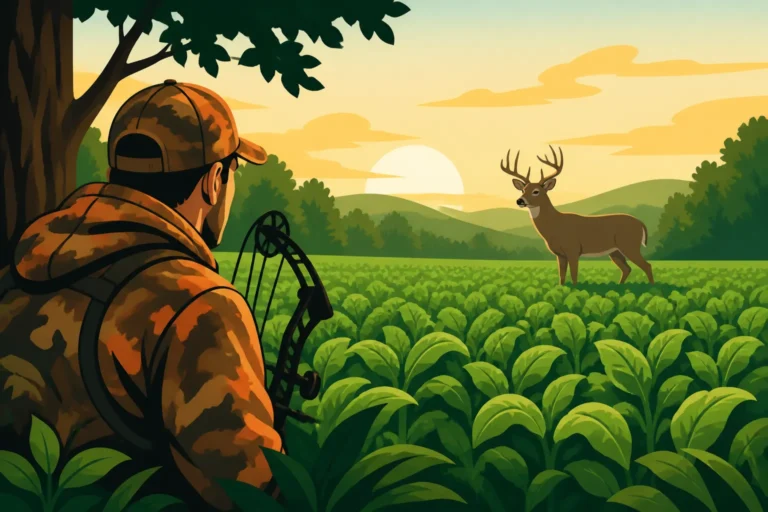
That feeling when early November rolls around in Tennessee is something every deer hunter knows. It's a mix of eager anticipation and sometimes, let's be honest, a little bit of anxiety. You've heard the stories, seen the trail camera pictures, and dreamt of that monster buck finally dropping his guard. But actually being there and making it happen during the rut can feel like chasing a ghost. This guide is all about demystifying that crucial early November period, helping you understand what's really going on in the woods, and giving you actionable strategies to punch your tag when the bucks are on the move.
Understanding the Early November Rut in Tennessee
The term "rut" often conjures images of bucks wildly chasing does through the woods all day long, but the reality, especially in early November, is a bit more nuanced. It's a dynamic period, full of anticipation and often, surprising shifts in deer behavior.
The Phases of the Rut and Early November's Significance
Think of the rut not as a single event, but a series of overlapping phases. Early November in Tennessee typically lands us squarely in what many call the "seeking" or "pre-breeding" phase, though it can sometimes dip into early "chasing" depending on specific weather patterns and local deer populations. This isn't usually the full-blown, chaotic chase you might see later in the month. Instead, bucks are actively seeking out receptive does. Their testosterone levels are surging, and they're becoming increasingly bold and less cautious than they were in October.
During this time, you'll see a significant increase in rub and scrape activity. Bucks are essentially announcing their presence and readiness to breed, leaving calling cards for any does in the area. While you might witness some short, intense chases, especially with younger bucks, the primary behavior is often a more deliberate search. Bucks are covering ground, cruising through known doe hot spots, checking scrapes, and sniffing the air for any hint of estrus. Understanding When the Tennessee Rut Peaks for your specific region can fine-tune your expectations, but generally, early November is a high-odds window across most of the state.
Reading Deer Behavior and Sign
Success during early November hinges on your ability to interpret what the deer are telling you. Forget old sign; you're looking for fresh, hot indicators that bucks are actively working an area.
Fresh scrapes are your best friend. A "working" scrape will have disturbed earth, fresh urine, and often a broken licking branch above it. Bucks will visit these regularly, especially at night and during crepuscular hours, leaving their scent and checking for doe pheromones. Multiple fresh scrapes along a line, often called a "scrape line," are like a neon sign indicating heavy buck traffic. Don't just look for one; look for a series of them, especially where cover transitions or along old logging roads.
Rubs also tell a story. While you might have seen small rubs appearing in September, early November rubs are typically more aggressive – larger trees, shredded bark, and often a higher density. These indicate a buck's frustration and aggression, often leading up to or during chasing. A cluster of fresh rubs, especially on larger saplings, can mean a mature buck has spent time in that immediate vicinity, scent-marking his territory and preparing for the next phase. Combine this with the added insight from a mapping tool like GoHunt, which helps you identify likely rub lines and scrape areas based on terrain and historical data, and you're well on your way to narrowing down prime locations.
Prime Locations for Early November Rut Hunting
While deer can seemingly be anywhere during the rut, certain types of terrain and habitat features become undeniable magnets for buck activity. Focusing your efforts on these prime spots dramatically increases your odds.
Targeting Funnels and Choke Points
Funnels and choke points are natural corridors that concentrate deer movement, making them absolute goldmines during the rut. Deer, especially bucks cruising for does, are looking for the path of least resistance or areas where they can scent-check a large area efficiently.
Think about timbered draws winding between open fields, saddles connecting two ridges, or narrow strips of woods that pinch down between a river and a clear-cut. In places like West Tennessee, a subtle rise in elevation between two bottomland sloughs can act as a perfect funnel. Along the Cumberland Plateau, Hunting a Ridge-Top Saddle for Rutting Bucks can be incredibly effective, as bucks will often use these high points to traverse between bedding areas while still getting a good scent cone. Anywhere deer are forced to condense their travel is a potential ambush site. Look for these areas on aerial maps and then confirm them with boots on the ground, searching for fresh tracks and sign. A good resource like GoHunt can layer topographic maps with aerial imagery, making these funnels jump out before you even step foot in the woods.
Creek bottoms also deserve special attention. They offer cover, water, and often serve as natural travel routes. A slight bend in a creek, or where two small tributaries meet, can create an excellent choke point. Similarly, a thick fencerow or a strip of hardwoods between two agricultural fields in Middle Tennessee can act as a major travel corridor. Consider Hunting a Funnel Between Two Bottoms where deer are moving between different feeding or bedding areas, as bucks will often patrol these natural highways.
Identifying Doe Bedding and Feeding Areas
Ultimately, during the rut, bucks are looking for does. Therefore, finding where the does are bedding and feeding is paramount. Bucks will often cruise the periphery of these areas, scent-checking for does ready to breed.
Doe bedding areas tend to be in thicker cover, offering security and protection. This could be a dense pine thicket, a steep hillside with heavy undergrowth, or a regenerate clear-cut. In the chill of early November, south-facing slopes, which catch more sunlight, can be preferred bedding spots, especially on colder days. Look for multiple deer trails leading into these thickets.
While the primary acorn drop might be waning, does still need to eat. Focus on remaining Late-Season Food Sources for Tennessee Whitetails like late-dropping white oaks, persimmon trees, or agricultural fields. Winter wheat, clover plots, or even Hunting a Standing Cornfield in Farm Country can be highly attractive. Bucks will often stage in thicker cover downwind of these food sources, waiting for does to emerge or circling around to scent-check them. Pay close attention to transition zones—where thick bedding cover meets a preferred food source. Bucks will often work these edges, hoping to intercept a doe moving from bed to feed.
Effective Tactics for Early November Success
Once you've pinpointed those prime locations, it's time to put some proven tactics into play. This isn't the time for passive hunting; this is the time to be proactive and engage with the deer activity.
Calling Strategies for Rutting Bucks
Early November is arguably the best time to incorporate calling into your hunting strategy. Bucks are pumped full of testosterone and are often more responsive to sounds that mimic other deer.
Rattling can be incredibly effective, especially if you think a buck is in the vicinity but just out of sight. Start with a softer, inquisitive rattle, then build to a more aggressive, longer sequence, mimicking a serious fight between two bucks. Follow it up with some grunts. Experiment with the volume; in thick cover, Rattling Volume in Thick Cover should be adjusted so it doesn't sound unnatural. After a rattling sequence, remain completely still and scan the woods; a buck might come in cautiously or even charge in aggressively.
Grunting is another powerful tool. A deep, guttural "contact" grunt can often stop a cruising buck or pique his curiosity. More aggressive "challenge" grunts can sometimes draw in a dominant buck looking for a fight. Sometimes, simply using soft Grunt Calls in Mature Tennessee Timber can sound like a buck is just passing through, making an unseen buck feel more comfortable approaching. Don't be afraid to throw in a few doe bleats, especially an estrus bleat, which can be a game-changer if a hot doe is nearby. Always be mindful of your wind direction when calling. A buck might circle downwind to get a sniff, so position yourself accordingly. Tools like GoHunt can help identify potential approach lanes for bucks based on terrain, helping you set up for optimal calling.
Stand Placement and Scent Control
Your setup is just as crucial as your calling strategy. Sloppy entry, poor stand placement, or inadequate scent control can blow your hunt before it even begins.
Careful entry and exit routes are non-negotiable. Approach your stand from a direction that keeps you out of known deer bedding or travel areas, ideally using terrain features or thick cover to mask your approach. Always factor in Wind and Thermals on a Ridge System, especially in hilly East Tennessee terrain, as these can carry your scent far and wide.
When it comes to stand placement, think about the prevailing wind and where a buck might approach from. You want to be positioned to intercept him before he winds you. For example, if you're Hanging a Stand on a Cumberland Ridge, consider a spot that allows you to see down a travel corridor but is slightly off the main trail, allowing you to draw your bow or shoulder your rifle unnoticed. Elevated stands are often preferred for their scent dispersion and broader view, but sometimes a well-placed Using a Ground Blind on Tennessee Public Land can be just as effective, especially in areas with limited suitable trees or if you need to be mobile. Just make sure it's brushed in naturally and has been out for a while to let deer get used to it.
Scent control cannot be overstated during the rut. Bucks are using their noses constantly to find does and detect danger. Use scent-eliminating sprays, wash your hunting clothes in scent-free detergent, and store them in airtight containers. Avoid walking through thick brush that can transfer odors to your clothes. Every little bit helps.
All-Day Sits and Adaptability
The early November rut demands patience and a willingness to adapt. This isn't the time for short, morning-only hunts; it's the period when staying on stand all day can truly pay off.
The Case for All-Day Stays
During the peak of the rut, normal deer patterns often go out the window. Bucks, fueled by hormones, can be on their feet at any time of day, often chasing does through the mid-day hours when most hunters have headed back to camp. That mature buck you've been after, who only moved at dawn and dusk for months, might suddenly show up at 11 AM or 2 PM.
Committing to an all-day sit drastically increases your odds. This means packing enough food, water, and warm layers, as Cold-Weather Sitting Strategy in Tennessee is essential in November. A comfortable seat, a good book, or even just embracing the quiet solitude of the woods can help you endure those long hours. Remember, you can't shoot a buck if you're not in the woods. Identify a stand location where you feel confident a buck could pass through at any hour, ideally with nearby bedding and feeding areas, and settle in. Utilizing a tool like GoHunt to mark potential mid-day travel routes or thickets a buck might use to "bed down" briefly can help you choose the best spot for those extended sits.
Adapting to Pressure and Changing Conditions
Even during the rut, deer can react to hunting pressure. If you're hunting public land or a heavily hunted private parcel, bucks might become nocturnal or move to thicker, harder-to-reach areas. If a spot you thought was hot suddenly goes cold, don't be afraid to move.
Recognize when a particular stand or area might be "burned out" by too much human activity. This might mean the deer have started avoiding it, or they've shifted their patterns. Have backup plans and scout alternative locations that might offer less pressure, perhaps a little deeper into public land or a different corner of your private property. GoHunt's public/private land layers can be invaluable here for finding those less-pressured pockets.
Additionally, pay attention to weather changes. A sudden cold front can ignite deer movement, prompting bucks to be more active. Heavy rain can also change deer patterns, often making them move more aggressively before or after the front passes. Be flexible with your strategy. If calling isn't working, switch to a still-hunting approach through thickets. If a funnel is quiet, move to a known bedding area. The early November rut is about persistence and smart adaptation.
| Rut Phase (Early November) | Primary Buck Behavior | Recommended Tactics | Key Signs to Look For |
|---|---|---|---|
| Seeking/Pre-Breeding | Actively searching for does, establishing dominance. | Calling (grunts, light rattles, doe bleats), all-day sits, targeting funnels. | Fresh scrapes, aggressive rubs, cruising buck sightings. |
| Early Chasing | Short, intense chases; bucks pushing does. | Ambushing travel corridors, sitting over doe bedding areas, rattling. | Actual chasing, does appearing "hot," bucks showing less caution. |
Disclaimer
Hunting is an inherently dangerous activity. Always prioritize safety, understand and follow all Tennessee Wildlife Resources Agency (TWRA) regulations, and ensure you have the appropriate licenses and permits. The information provided here is for educational purposes and general guidance only; conditions and regulations can change, so always verify the latest rules before heading afield.