Shed Hunting on Tennessee Public Land
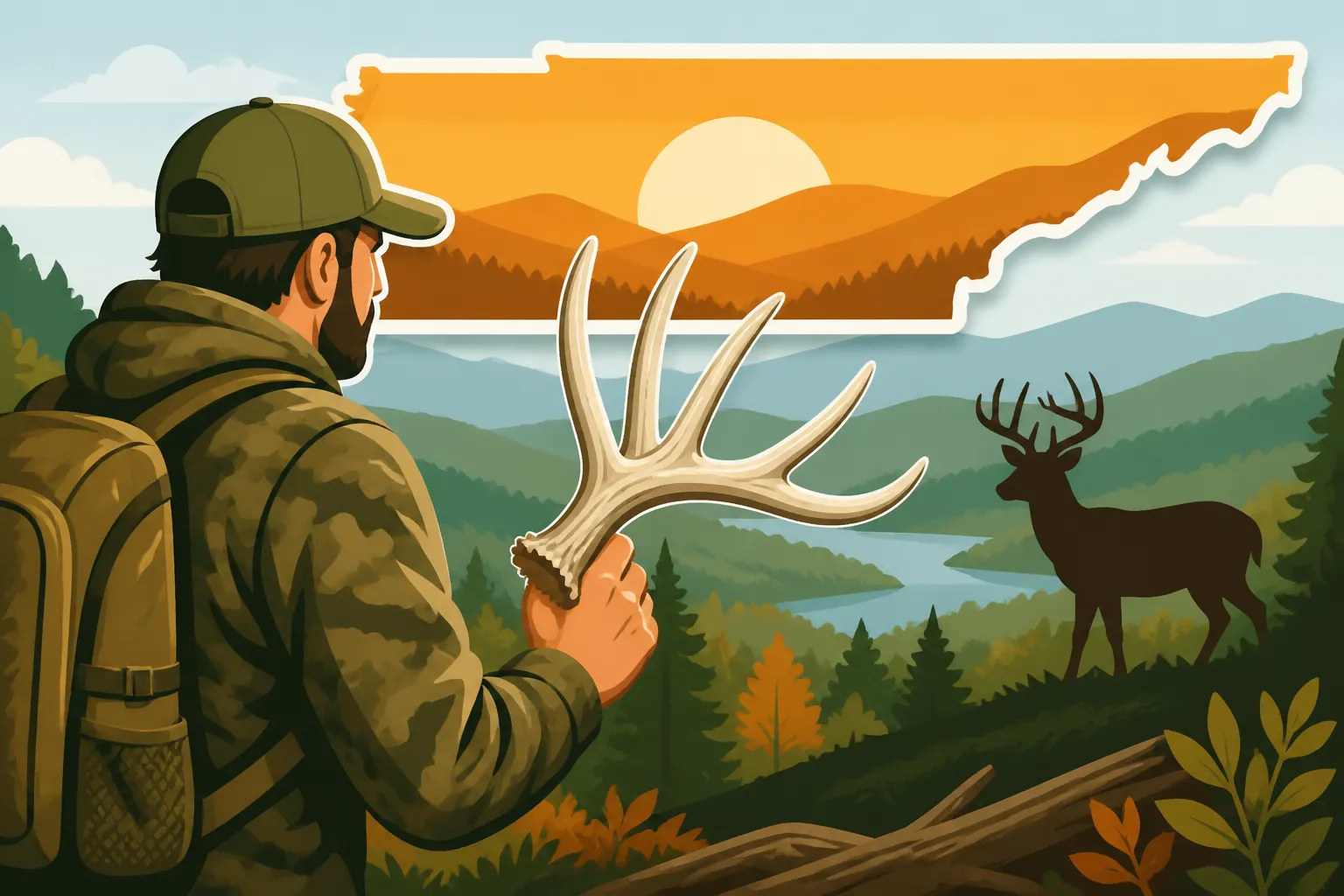
For many Tennessee hunters, the close of deer season often brings a bittersweet feeling – the thrill of the chase is over, but the woods still hold secrets. One of the most common frustrations is feeling disconnected from the land until next fall, yet there's a fantastic, low-pressure way to stay engaged and even improve your next season: shed hunting on public land. It's a challenging, rewarding pursuit that demands patience and keen observation, and this guide will walk you through making the most of it.
Why Shed Hunting Tennessee Public Land is a Challenge Worth Taking
The prospect of finding a discarded antler, a testament to a buck's past year and his future potential, is truly addictive. But tackling public land in Tennessee for sheds isn't like walking your back forty; it comes with its own unique set of hurdles and rewards.
The Allure of Antler Gold
There’s something primal and incredibly satisfying about discovering a shed antler. It’s tangible proof of a majestic creature that roamed those very woods, a piece of natural art that carries a story. For many of us, it’s not just about the antler itself, but what it represents: a connection to the deer, a glimpse into their winter habits, and a treasure hunt that keeps us active outdoors during the "off-season." Imagine finding a massive drop tine from a buck you've been chasing for years, or just stumbled across on a trail camera. It's a non-lethal way to bag a trophy, and it gives you invaluable insights into the deer living on that public ground. Each find fuels the fire for the next season, providing concrete evidence of a buck's presence and travel patterns.
Understanding Public Land Dynamics
Shed hunting on Tennessee public land means navigating varying terrain, different habitat types, and, crucially, managing expectations around hunting pressure. Unlike private tracts where deer might have more consistent patterns, public land bucks are often displaced or pushed by late-season hunting activity. This can scatter them, making their wintering areas less predictable. Furthermore, more eyes are often on public land sheds, meaning you're competing with other enthusiasts. It requires a different mindset, more patience, and a willingness to explore areas others might overlook. You’ll encounter rugged mountains in the east, rolling hills in Middle Tennessee, and the flat, agricultural bottomlands of West Tennessee, each presenting its own shed hunting opportunities and challenges. Don't forget, understanding the nuances of how Tennessee's Deer Management Units affect deer populations can also inform where bigger bucks might be holding out.
Timing Your Shed Hunt for Best Success
Knowing when to hit the woods is just as important as knowing where. Go out too early, and you'll miss the drop; too late, and squirrels and mice might beat you to them, or other hunters will have already scoured the area.
When Bucks Drop Their Antlers in Tennessee
The timing of antler drop in Tennessee can vary significantly depending on factors like genetics, buck health, and the severity of the winter. Generally, most bucks will begin shedding their antlers from late January through March. Older, healthier bucks might hold their antlers longer, sometimes into early April, while younger bucks or those stressed by a tough rut or poor nutrition might drop earlier. For optimal success, many seasoned shed hunters start their serious efforts in mid-February, allowing a good portion of the deer to have shed but still getting out there before the really early birds clean everything up. However, it's not uncommon to find a late drop in April or even May. This means you need to be observant, perhaps even checking your trail cameras post-season to see when the local bucks in your area start to go bald.
Post-Season Scouting and Observation
The real secret to successful shed hunting isn't just walking aimlessly; it's an extension of your hunting season scouting. After the regular deer season wraps up, particularly after the late-season January lull, take note of where deer are still concentrated. Focus on areas with good late-season food sources like leftover agricultural fields (soybeans, corn), green browse, or mast crops that might still be around. Bucks will often gravitate to these spots to recover from the rut, which drains their energy and nutrient reserves. Pay close attention to trails leading to and from these food sources, especially those crossing fences, ditches, or creek banks where an antler might be jarred loose. Utilizing tools like the GoHunt app or other mapping software to review your hunting season tracks, mark deer sightings, and identify potential bedding and feeding areas can be incredibly helpful for your shed hunting strategy. Don't underestimate the value of just going for a hike in known deer country and simply observing where deer are currently feeding and bedding.
Strategies for Locating Sheds on Public Ground
Shed hunting is often described as an Easter egg hunt for grown-ups, but on public land, it's more like finding needles in a haystack. You need a system and an understanding of deer behavior.
Key Terrain Features and Habitat to Target
When you're out there pounding the public land, knowing where to concentrate your efforts is crucial. Deer, especially bucks recovering from the rut, will seek out specific types of habitat for food, cover, and warmth during the winter months.
- Thick Cover and Bedding Areas: Bucks love security. Look for dense cedar thickets, brushy clear-cuts that have grown up, briar patches, or areas of thick regrowth. These spots offer refuge from the elements and predators. Deer will often bed down in sunny spots on south-facing slopes during cold weather to absorb warmth. These bedding areas are prime locations for sheds, as antlers often fall when a buck stands up or lies down.
- Transition Zones: The edges where two different habitat types meet are always productive. Think about where a mature timber stand meets a clear-cut, or where a ridge drops into a creek bottom. These transition lines are natural travel corridors for deer.
- Food Sources: Even after hunting season, deer need to eat. Search around any remaining agricultural fields, especially those with standing beans or corn that might have been missed by harvest equipment. In timber, look for areas with browse, honeysuckle, or late-dropping acorns if you can still find them. These areas, particularly the trails leading to and from them, are hot spots.
- Travel Corridors and Fences: Deer often drop antlers when jumping over obstacles or navigating tight spaces. Focus on fence lines, creek crossings, ditches, logging roads, and even well-worn deer trails. Any place a buck might jar an antler loose is worth a thorough inspection. When you're Reading a ridge for East Tennessee deer, think about how those travel corridors are used in the late season.
The Grid Search Method and Slow Pacing
Shed hunting isn't a race; it's a meticulous search. One of the most effective strategies, especially in dense cover or open fields, is the grid search.
- Systematic Approach: Instead of wandering aimlessly, pick a starting point and walk in a straight line for a set distance (say, 50-100 yards). Then, turn and walk parallel to your first line, overlapping slightly to ensure full coverage. Repeat this pattern, essentially "gridding" the area. This systematic approach ensures you don't miss sections and helps you stay focused.
- Slow and Steady Wins the Race: This is perhaps the most important tip. You can't rush shed hunting. Walk slowly, scanning not just directly in front of you, but from side to side, looking for anything that seems out of place – a tines curving up, the distinct brown or white color of bone against leaf litter. Antlers blend in incredibly well, especially older, sun-bleached ones. Don't be afraid to stop and scan an area from multiple angles. Sometimes, a subtle shift in perspective reveals an antler that was previously hidden. It's truly amazing how a shed can hide in plain sight until you hit just the right angle.
Using Technology to Your Advantage
In today's world, you don't have to rely solely on boot leather and intuition. Technology can significantly enhance your shed hunting efficiency.
- Mapping Apps: Tools like GoHunt, onX Hunt, or the TWRA's Go Outdoors Tennessee app are invaluable. Before you even set foot on public land, use them to:
- Identify Public vs. Private: Clearly define boundaries so you stay legal.
- Scout from Above: Look for those thickets, clear-cuts, creek bottoms, and potential food sources mentioned earlier. You can often spot subtle terrain features or old logging roads that might act as travel corridors.
- Mark Waypoints: Drop pins for potential bedding areas, areas with good sign, or even where you previously found a shed. This helps you develop a mental map and revisit productive spots.
- Track Your Path: Use the tracking feature to ensure you're systematically covering an area. This is especially helpful when employing the grid search method, allowing you to see where you've been and where you still need to go. If you're Scouting Tennessee public land before season, you've likely already got these apps dialed in, and the same principles apply for sheds.
- Trail Cameras: While not directly for finding sheds, trail cameras can inform your timing. If you leave cameras out after deer season, you can get real-time intel on when bucks in your specific hunting area are starting to drop their antlers. A series of photos showing a buck with antlers, then the same buck without, tells you it's time to hit the woods. This is great for monitoring areas where you've been Finding sign in big Cherokee Forest timber or other remote public land.
What to Do When You Find That Prized Shed
The moment you spot that antler, whether it’s a tiny spike or a giant multi-tined masterpiece, is exhilarating. But there are a few things to keep in mind once you’ve found it.
Respecting the Resource and Rules
Shed hunting, like any outdoor pursuit, comes with responsibilities, especially on public land.
- Know the Regulations: Always double-check the Tennessee Wildlife Resources Agency (TWRA) regulations. While shed hunting is generally allowed on public lands, some specific Wildlife Management Areas (WMAs) might have unique rules or restrictions, such as seasonal closures or permits needed for certain activities. It’s rare, but it’s always best to be sure. Generally, you don't need a special permit to pick up sheds in Tennessee, but it's good practice to ensure you're familiar with general public land rules.
- Leave No Trace: Practice Leave No Trace principles. Pack out everything you pack in, and leave the woods as you found them. Avoid disturbing wildlife, especially during late winter when deer are recovering and may be stressed. If you find a shed near a bedding area, collect your prize and move on quietly to minimize disturbance.
- No Hunting Pressure: Remember, shed hunting is not hunting. Do not carry firearms (unless legally permitted for self-defense and not used for hunting), avoid chasing deer, and respect their need for peace during this critical recovery period. This is about observation and discovery, not disturbance.
Documenting Your Finds and Learning from Them
Every shed antler tells a story, and you can learn a lot by paying attention to the details of your finds.
- Mark Your Spot: When you find a shed, use your mapping app to drop a pin. Include notes about the date, type of habitat, and any other observations (e.g., "found near thick cedar bedding," "by creek crossing," "fresh drop"). Over time, this data will help you identify patterns and increase your success rate in future years. Knowing Where Cumberland Plateau bucks bed can lead you to repeat shed finds.
- Analyze the Antler: Look at the base of the antler where it attached to the skull. If it's fresh, it will have a rough, jagged edge. Older sheds will be smoother and weathered. This can give you an idea of how recently it was dropped. Note any broken tines or unique characteristics – these can help you match it with a trail camera photo or even a shed from a previous year.
- Consider the Pairing: While finding both sides of a matched set is the holy grail of shed hunting, it's also incredibly rare. Bucks often drop their antlers in different locations, sometimes days or even weeks apart. Don't be discouraged if you only find one. If you do find one, however, spend extra time meticulously searching the immediate vicinity (within 100 yards or so), as the other side might not be far.
- Share Your Success (and Learn from Others): Join online forums or local shed hunting groups. Sharing photos of your finds and discussing tactics can be a great way to learn from other experienced hunters and contribute to the community. You might even connect with someone who can offer tips for Hunting where the antlerless limit drops to two if you find a particularly promising area on public land.
Shed hunting on Tennessee public land is an enriching experience that deepens your connection to the outdoors and provides invaluable insights into the local deer herd. It teaches patience, observational skills, and rewards persistence. So grab your boots, your mapping app, maybe a good pair of binoculars, and hit the woods. You might just find the antler of a lifetime.
| Feature Type | Best Times to Search | Key Characteristics | Why Sheds are Found Here |
|---|---|---|---|
| Thick Bedding Areas | Late Feb – March, sunny days | Dense cedars, briar thickets, clear-cuts, south-facing slopes | Bucks seek warmth and security; antlers jarred loose when bedding/rising. |
| Late-Season Food | Mid-Jan – Early March | Leftover ag fields (corn, beans), green browse, honeysuckle | Bucks concentrate here to recover; trails to/from food are common drop zones. |
| Travel Corridors | Anytime after drop begins | Well-worn trails, logging roads, creek crossings, fence lines | Antlers jarred loose by obstacles or movement. |
| Steep Undulations | After deep freezes/thaws | Sharp inclines, rocky outcrops | Sudden movements or impacts can dislodge antlers. |
Disclaimer
Please remember that hunting regulations and land access rules can change. Always consult the most current Tennessee Wildlife Resources Agency (TWRA) regulations and local WMA rules before heading out. Safety should always be your top priority in the outdoors.