When the Tennessee Rut Peaks
For many deer hunters in Tennessee, knowing when the rut truly kicks into high gear feels like unlocking a secret code. It's the period we dream about, the time when big bucks throw caution to the wind, making all those hours of scouting and stand prep potentially pay off. But the frustration is real: when exactly is that magic window? This guide will dive deep into the nuances of the Tennessee rut, helping you understand its typical timing, regional variations, and the signs to look for so you can maximize your time afield.
Understanding the Whitetail Rut in Tennessee
The whitetail rut isn't a single event but a complex series of phases driven primarily by a doe's estrous cycle and a buck's hormonal surge. It's an annual phenomenon that, despite popular belief in "magic dates," is heavily influenced by photoperiod – the length of daylight hours – and to a lesser extent, environmental factors. In Tennessee, this means a fairly predictable general timeframe, but with important localized variations.
Think of the rut as having several stages: the pre-rut, the peak rut (or breeding phase), and the post-rut. The pre-rut is characterized by increasing buck activity, as they rub trees, make scrapes, and begin sparring to establish dominance. This is when you might start seeing younger bucks chasing does, and older bucks becoming more visible as they search for the first does coming into estrus. It's often a high-energy time, full of anticipation.
The peak rut, from a hunting perspective, is often considered the time when bucks are most actively chasing and breeding does. This doesn't mean all does are in estrus simultaneously; rather, it's when the majority of does become receptive. Bucks will be covering ground, scent-checking, and engaging in intense pursuit. This can lead to daytime movement that is often elusive during other times of the season, making it a prime opportunity for hunters. The post-rut sees a decline in frenzied activity, but weary bucks are still looking for any remaining estrous does and beginning to shift their focus back to food sources. Understanding the entire cycle, not just the peak, is key to consistent success.
General Timing of the Peak Rut Across Tennessee
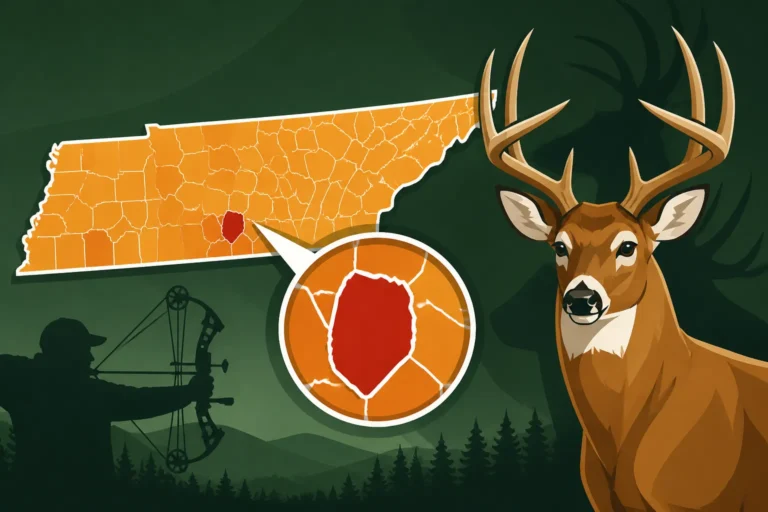
While light cycles largely dictate the broad timing of the rut, Tennessee's varied geography, from the Mississippi River bottoms to the Appalachian foothills, means that "the peak" isn't a one-size-fits-all date. Generally speaking, Tennessee hunters can anticipate the peak of the chasing and breeding activity to fall primarily within November.
Many seasoned hunters and wildlife biologists agree that the first two to three weeks of November represent the most consistent period for significant rut activity across much of the state. This is when you're most likely to observe frantic buck movement, from scraping and rubbing to active chasing. However, it's critical to note that this is an average. Local conditions, herd health, and deer density can nudge this window slightly earlier or later in specific areas. For instance, in areas with a higher buck-to-doe ratio, the rut might feel more intense and condensed, as competition among bucks is higher. Conversely, in areas with a skewed ratio, the rut might be more drawn out.
It's also worth distinguishing between the peak of chasing activity and the peak of actual breeding. Often, what hunters perceive as the "peak rut" is the period of most intense chasing and seeking, which typically precedes peak breeding by a few days to a week. The peak breeding activity, when the majority of does are actually being bred, might occur when many of the mature does are "locked down" with a buck, making them temporarily less visible. This can lead to a perceived "lull" in activity for hunters, even though the core breeding is happening. For maximizing your hunting opportunities, focusing on the pre-rut and early peak-rut chasing phase is often most productive.
Regional Variations in Tennessee's Rut
Tennessee is a long state, stretching from the low-lying farmlands of the Mississippi Delta to the rugged peaks of the Unaka Mountains. This diverse landscape directly impacts the specific timing and intensity of the deer rut. Hunters who understand these regional nuances stand a much better chance of being in the woods at the opportune moment.
West Tennessee Bottomlands
In the fertile agricultural regions of West Tennessee, particularly around the Mississippi River and its tributaries, the rut can often appear to kick off a bit earlier and be quite intense. The sheer amount of available food, coupled with often dense populations of deer, means that bucks don't have to range quite as far to find does. Here, you might see significant pre-rut activity picking up in late October, with the primary chasing and breeding phase often peaking in the first week or two of November. Hunters in these areas, like those focused on Hunting West Tennessee Bottomland Deer, should pay close attention to scrape lines and buck sign emerging even before November 1st. The flat terrain and thick cover can make spotting distant chases challenging, so focusing on funnels and pinch points becomes paramount.
Middle Tennessee's Rolling Hills and Farmlands
As you move into Middle Tennessee, with its rolling hills, mixed timber, and widespread agricultural fields, the rut typically aligns very closely with the statewide average. The first two to three weeks of November are generally prime time here. Areas with a good mix of timber and open ground, like those around the Highland Rim, often offer excellent rut hunting. Bucks are often seen crossing fields at dawn and dusk, or cruising timber edges in search of does. This is a great time to be Rattling and Grunting in Tennessee, as bucks are highly responsive to calls that mimic competition. The deer herd in this region benefits from abundant food and diverse habitat, leading to a strong, visible rut.
Cumberland Plateau and Eastern Ridge Country
The Cumberland Plateau and the Ridge and Valley regions of East Tennessee present a different challenge. The terrain is more rugged, with steeper ridges, deeper hollows, and vast expanses of timber. In these areas, the rut often feels like it peaks a bit later, or at least the most intense activity can extend further into November, sometimes even touching the very end of the month. Deer density might be lower in some of the most remote sections, and bucks have to cover significant ground to find estrous does. This can mean more "cruising" activity from bucks. Hunters targeting these areas, especially on public lands like the Cumberland Plateau, might find success later in the window by focusing on ridge-top saddles, creek bottoms, and benches where deer movement is naturally funneled. Using a tool like GoHunt's satellite imagery can be incredibly helpful for identifying these terrain features before you ever step foot in the woods.
Cherokee National Forest and Mountainous Regions
Deep in the Cherokee National Forest and the extreme eastern mountains, the rut can sometimes be the latest of all. While mid-November is still a strong period, intense buck activity and breeding can extend into the last week of November and even bleed into early December in some of the highest elevations or most remote pockets. The harsh environment and lower deer densities mean bucks are working harder and longer to find receptive does. This is where patience is key, and understanding factors like Wind and Thermals on a Ridge System becomes even more critical for successful hunting. These areas are vast, and deer movement can be subtle, so extended hunts might be necessary to intercept a rutting buck.
Here's a quick overview of the general peak rutting activity windows across Tennessee's diverse regions:
| Tennessee Region | Primary Peak Rutting Activity (Chasing/Seeking) | Notes |
|---|---|---|
| West Tennessee Bottoms | Late October – Mid-November | Often an early onset with intense initial activity. Focus on transition areas between bedding and feeding, and thick cover. Many hunters track local deer movement using GoHunt to identify specific hot spots. |
| Middle Tennessee Hills | Early November – Third Week of November | Classic "statewide peak." Bucks are actively cruising and responding to calls. Excellent time for stand hunting near travel corridors and field edges. |
| Cumberland Plateau | Mid-November – Late November | Can feel slightly later due to rugged terrain and potentially lower densities. Bucks cover more ground; target ridge lines, saddles, and creek bottoms. |
| Eastern Mountains | Mid-November – Early December | Often the latest peak. Bucks are still seeking out the last remaining estrous does. Focus on traditional deer sign and patience in remote areas. |
Identifying Rut Activity and Timing Your Hunt
Knowing the general dates is one thing, but truly understanding when the Tennessee rut peaks in your specific hunting spot requires keen observation and strategic planning. Deer behavior will tell you more than any calendar date.
Scouting for Pre-Rut Signs
Before the main event, deer will leave unmistakable clues that the rut is approaching. Bucks will begin to lay down serious sign. Fresh rubs, where bucks strip bark from saplings and small trees, are a clear indicator of rising testosterone levels. Pay attention to the size and freshness of these rubs; larger rubs often indicate bigger bucks. Equally important are scrapes. These are patches of ground cleared by bucks, often under an overhanging branch, where they deposit urine and scent from glands on their forehead and eyes. These serve as communication hubs for deer. Fresh scrapes, especially those being worked repeatedly, are prime spots to set up a stand, particularly during the pre-rut and early rut. Many hunters use Trail Camera Rules on Tennessee Public Land to monitor these areas without disturbing the deer.
You'll also start noticing bucks sparring. They're not fighting to the death yet, but pushing and shoving, testing their strength and establishing the hierarchy that will determine breeding rights. Observing these behaviors, either directly or through trail camera footage, can give you a strong indication that the rut is on the horizon. This early activity means you should be in your stand as much as possible, as a buck might cruise through looking for does at any time of day.
Hunting During the Peak Rut
When the peak rut hits, deer behavior can become erratic and exciting. Bucks will become far less nocturnal and much more focused on finding and chasing does. This is the time when you might see bucks traveling at all hours of the day, seemingly oblivious to their surroundings. Focus your hunting efforts on areas where does frequent – known food sources, thick bedding cover, and the travel corridors in between. Bucks will often cruise these areas, scent-checking for estrous does.
This is also a fantastic time to use deer calls. Both rattling antlers and grunt calls can be incredibly effective at drawing in curious or territorial bucks. A doe bleat can also entice a buck looking for a receptive partner. Knowing when to be aggressive with calls, and when to be subtle, comes with experience and reading the deer's response. On some of the larger public land tracts, like sections of the Cherokee National Forest Hunting, covering ground can be effective, but often, the most successful strategy is to find a good funnel and stay put for long periods. Utilizing tools like GoHunt can help you identify these crucial pinch points, whether it's a saddle between ridges, a narrow strip of timber connecting two larger woodlots, or a creek bottom that provides cover.
Adapting to Post-Rut Behavior
Once the main breeding activity winds down, usually by late November or early December, deer behavior shifts again. Bucks are exhausted, having expended significant energy during the rut. Their focus will quickly turn back to replenishing lost body weight. This means a strong emphasis on late-season food sources for Tennessee whitetails. Identifying acorn flats, standing corn, soybean fields, or winter food plots becomes critical. Bucks will still be on the lookout for any unbred does, particularly younger does that might come into estrus later, but the frenzied chasing largely subsides.
While the peak rut is often the most exciting time, the immediate post-rut can still offer excellent hunting opportunities for those willing to adapt. Bucks are vulnerable as they seek to recover. They'll be moving more cautiously and predictably, often following established feeding patterns. This is where scouting again becomes vital, but with a renewed focus on food rather than just scrapes and rubs. Pay attention to fresh tracks around these food sources and adjust your stand locations accordingly. Understanding the full cycle, including the post-rut, allows for a comprehensive approach to deer hunting throughout Tennessee's long season.
External Factors Influencing Rut Activity
While photoperiod is the primary driver of the rut, several external factors can subtly influence deer movement and the perception of rut activity. Hunters often debate these influences, and while none will fundamentally change the biological timing of the rut, they can certainly dictate when and how intensely deer move.
Weather Conditions
Temperature and precipitation can have a significant impact on when and how much deer move during the rut. Colder temperatures generally stimulate more daytime movement, making bucks more visible. A sudden cold front during the peak rut can ignite a flurry of activity as deer feel more comfortable moving in cooler air. Conversely, unseasonably warm spells can cause deer to become more nocturnal or move more during the coolest parts of the day (early morning and late evening), making them harder to pattern.
Rain, especially light rain or drizzle, can also be beneficial, as it dampens sound, making deer feel more secure moving. Heavy downpours, however, typically put deer movement to a halt. Snow, particularly fresh snow, is a hunter's friend during the rut. It not only makes deer tracks incredibly easy to spot, revealing fresh activity, but also provides a stark contrast that makes spotting deer easier in the timber. Planning your hunting around favorable weather forecasts can dramatically increase your chances of success during the rut.
Hunting Pressure
Hunting pressure is a massive factor, especially on public lands or smaller private tracts that see a lot of activity. When a lot of hunters are in the woods, deer—especially mature bucks—will adapt. They might become more nocturnal, move through thicker cover, or use less obvious travel routes. This is a common challenge for hunters on many of Tennessee's Wildlife Management Areas. Even during the peak rut, heavy pressure can suppress visible deer movement.
To counter this, consider hunting during weekdays when pressure is typically lower, or be willing to walk further into remote areas that other hunters might avoid. Finding Ground Others Walk Past is a critical strategy during high-pressure times. Using mapping tools like those from GoHunt can help you identify areas with limited access or challenging terrain that might deter other hunters, potentially offering a sanctuary for pressured deer. Understanding that a "slow" rut might be due to pressure rather than a lack of activity can change your strategy.
Moon Phases
The moon's influence on deer movement, particularly during the rut, is a topic of perennial debate among hunters. Some swear by specific moon phases, arguing that full moons or new moons can trigger increased daytime activity. Others dismiss it as superstition, adhering strictly to the photoperiod theory.
While the scientific consensus leans toward photoperiod as the primary rut initiator, many hunters observe anecdotal evidence that moon phases can influence when deer are most active within the rutting window. For example, some believe that a full moon leads to more nocturnal movement, pushing daytime activity to dawn and dusk, while a new moon might encourage more mid-day movement. There's no definitive, universally accepted truth here, but it's worth considering in your overall strategy. Pay attention to your own observations in your hunting area; if you notice a pattern related to the moon, use it to your advantage. At the very least, understanding the moon's brightness can help you plan your entry and exit routes, especially when Blood Trailing After Dark in Tennessee becomes necessary.
Disclaimer
This article is for general informational purposes only and does not constitute professional advice. Laws, prices and regulations vary by location and change over time. Consult a qualified professional for guidance on your specific situation.