Tennessee Big Game License Requirements
Navigating the labyrinth of hunting regulations in Tennessee can feel like trying to track a mature buck through a briar patch – confusing, challenging, and often frustrating. Many seasoned hunters, and especially newcomers, find themselves scratching their heads when it comes to figuring out exactly which licenses and permits they need just to pursue their passion. This guide is here to untangle the Tennessee big game license requirements, making sure you're properly equipped and legal for your next hunting adventure.
Understanding the Foundation: Basic License Versus Big Game Permits
Before you even think about hitting the woods for deer, bear, or turkey, it’s absolutely crucial to understand Tennessee's two-tiered licensing system. It’s not just one single document that covers everything; rather, it’s usually a combination of a foundational annual hunting license and specific big game permits. This system can be a bit of a head-scratcher, especially if you're used to other states where a single "all-inclusive" tag might cover your needs. Here in Tennessee, we like things a little more specific, ensuring that fees collected are allocated to the specific wildlife management efforts that support the game you're pursuing.
The Annual Hunting License: Your Gateway
Think of the annual hunting license as your fundamental entry ticket into the world of Tennessee hunting. Whether you're planning to chase squirrels in the fall or gobblers in the spring, this license is the first step. It grants you the general privilege to hunt small game statewide, but it doesn't, on its own, allow you to harvest big game like deer, bear, or turkey. For that, you'll need additional permits. It's a common mistake for new hunters, especially those who grew up in states with simpler systems, to assume their basic license covers everything. Always double-check!
This base license is valid for a full license year, typically from March 1 to the last day of February. So, if you purchase it in October, it's still good until the end of February of the following year. This means you only need to buy one general hunting license per year, regardless of how many different seasons or game species you plan to pursue. For residents, this might be a simple Annual Hunting & Fishing License (Type 001) or a more comprehensive option like the Tennessee Sportsman License Bundle that includes all the necessary big game and waterfowl stamps.
The Big Game Permit: The Essential Add-on
Once you have your base hunting license, then, and only then, can you start looking at the specific big game permits. These permits are what truly allow you to target and harvest deer, bear, and turkey. Each big game species often has its own dedicated permit, and sometimes, even within a species, there are further distinctions. For instance, you might need a statewide deer permit, or a separate permit specifically for an archery-only antlerless hunt. This layered approach ensures that hunting pressure can be managed precisely for different species and within different seasons.
These permits are typically priced separately from your base license and reflect the specific management costs associated with those species. For example, the funds from deer permits directly support deer research, habitat improvement, and population management efforts across the state. Without the correct big game permit, even if you have your general hunting license, any harvested big game animal would be considered an illegal take, leading to significant penalties. So, before you head out for Bowhunting Tennessee's Long Archery Season or Tennessee's Gun Deer Season Into January, make absolutely certain you have both your base hunting license and the appropriate big game permit for the species you intend to hunt.
Why the Two-Tier System?
The reason for this two-tiered system really boils down to effective wildlife management and equitable funding. By separating the general hunting privilege from specific big game pursuits, the Tennessee Wildlife Resources Agency (TWRA) can better track participation and allocate resources where they are most needed. If everyone just bought one generic license, it would be harder to gauge interest in, say, turkey hunting versus deer hunting, and thus more challenging to fund habitat projects specifically for wild turkeys or manage deer populations in particular regions.
Furthermore, it allows hunters to customize their licensing based on their actual hunting activities. If you're primarily a small game hunter, you don't have to pay for big game permits you won't use. Conversely, if you're a dedicated deer hunter, you'll purchase the necessary permits, knowing that your dollars are directly supporting the health and abundance of the deer herd. This system also enables more granular control over harvest numbers and seasons, which is vital for maintaining healthy and sustainable game populations across Tennessee. It might seem a bit cumbersome at first, but it's a proven method for robust wildlife conservation.
Resident Versus Nonresident Requirements: A Tale of Two Tiers
Tennessee, like most states, has different licensing structures and costs for its residents and nonresidents. This distinction helps manage hunting pressure, ensures that state residents, who contribute to the state's tax base, receive some benefit, and helps fund local conservation efforts more directly. Understanding which category you fall into is the very first step in determining your big game license requirements.
Tennessee Resident Options: Annual Versus Lifetime
For those of us lucky enough to call Tennessee home, there are several convenient and often more affordable options for big game licenses. The most common route is to purchase an annual resident hunting license, like the Type 001, which covers small game and allows you to add specific big game permits. For example, a resident deer hunter would typically buy the Type 001 and then add a Type 009 Annual Big Game Gun/Archery/Muzzleloader Permit for deer hunting. These can be purchased individually as needed for deer, turkey, or bear. You can find detailed breakdowns of these costs and options in our guide on Tennessee Resident Hunting License Options.
For many dedicated hunters, the ultimate resident option is the Lifetime Sportsman License (Type 401). This license, while a significant upfront investment, covers all statewide hunting and fishing for the duration of your life, including all big game species, waterfowl, and even all state-licensed fishing. It truly simplifies things, as you never have to worry about renewal or individual permits again. This is a fantastic option for young hunters whose families want to ensure they're covered for decades of outdoor adventures, making it a wise investment in the long run.
Nonresident Challenges and Options: Short-Term Versus Season-Long
Nonresident hunters typically face higher costs, which is standard practice across the country, reflecting the principle that local residents primarily fund state wildlife management through their taxes and license purchases. However, Tennessee does offer several flexible options to accommodate nonresident visitors, whether they're planning a quick weekend trip or an entire season of hunting. Our article on Tennessee Nonresident Hunting License Options dives deeper into these specifics.
For nonresidents, the base hunting license is usually the Annual Nonresident All Game Hunting License (Type 074), which covers small game and allows the purchase of big game permits. For big game like deer, nonresidents will need specific permits such as the Nonresident Annual Big Game Permit (Type 073) which covers all big game species, or shorter-term options. For example, if you're just planning a quick trip for the Hunting the Rut in Early November, you might consider a Nonresident Seven-Day All Game Hunting License (Type 076), which is valid for seven consecutive days and allows you to add appropriate big game permits for that period. Be mindful that even with these short-term licenses, you'll still need the specific big game permits for each species you intend to hunt. It's imperative to plan your trip and purchases carefully to avoid any legal issues.
Military Personnel and Special Exemptions
Tennessee also recognizes the service of military personnel with specific licensing provisions. Resident military personnel, whether active duty or veterans, often have access to resident rates and sometimes even special discounted licenses. For instance, active-duty military who are residents of Tennessee may be eligible for certain resident licenses even if stationed out of state, or even special Sportsman licenses once they are permanently retired from service.
For non-resident military personnel stationed in Tennessee, there are often provisions to allow them to purchase Tennessee resident licenses. This is a common courtesy and benefit extended by many states to those serving our country. It’s always best to check the most current TWRA regulations or contact the agency directly with your specific military ID and station details, as these rules can have nuances or require specific documentation. Always have your military identification ready when purchasing licenses to ensure you receive any applicable benefits or exemptions.
Specific Big Game Permits: Deer, Bear, Turkey, Elk
Tennessee offers incredible big game hunting opportunities, but each species comes with its own set of specific permit requirements, harvest limits, and season structures. It’s not a one-size-fits-all situation, and understanding these nuances is key to a successful and legal hunt.
Deer Hunting: Archery, Muzzleloader, and Gun Season
Deer hunting is, without a doubt, the most popular big game pursuit in Tennessee. To hunt deer, you'll need your base annual hunting license and a specific deer permit. For residents, this is typically the Annual Big Game Gun/Archery/Muzzleloader Permit (Type 009). This single permit covers all deer seasons – archery, muzzleloader, and gun – for the entire license year. So, whether you're out early for When Tennessee's Archery Season Opens or bundled up for Hunting the Late-Season January Lull with a rifle, this permit has you covered for deer.
Nonresidents will typically purchase the Nonresident Annual Big Game Permit (Type 073) which includes deer, bear, and turkey tags. Within the deer permit, hunters are generally allotted a certain number of antlered and antlerless deer tags, which vary by Deer Management Unit (DMU). It's crucial to understand these DMU rules, as antlerless limits can change dramatically from one county to the next. For example, you might be allowed to fill a three-antlerless DMU limit in West Tennessee, but only two in parts of the Cumberland Plateau. Always check the current TWRA hunting guide for the specific county you plan to hunt to confirm bag limits and antler restrictions.
Turkey Hunting: Spring and Fall Considerations
Wild turkeys are another incredibly popular big game animal in Tennessee, especially during the vibrant spring season. Just like with deer, a base hunting license is required, along with a separate turkey permit. For residents, the Annual Spring Turkey Permit (Type 004) is necessary for the spring season. This permit covers your statewide bag limit, typically two birds, only one of which can be a jake. You can learn more about the specifics in our comprehensive guide on Tennessee Spring Turkey Season Rules.
While most turkey hunting takes place in the spring, Tennessee does have a fall archery-only turkey season in specific counties. If you plan to hunt fall turkeys, you'll need the Annual Fall Turkey Permit (Type 005), in addition to your general hunting license. Nonresidents will find their turkey permits rolled into the Nonresident Annual Big Game Permit (Type 073). It's vital to know the distinction between spring and fall permits, as well as the specific harvest regulations for each, including legal weapons and shooting hours.
Bear and Elk: Quota Hunts and Specific Tags
Hunting black bears and elk in Tennessee are more specialized pursuits, often involving quota hunts or very specific permits due to smaller populations or management goals. For bear hunting, residents will need the Annual Bear Permit (Type 003) in addition to their base hunting license. This permit allows you to participate in the various bear seasons within the state's designated Tennessee's Three Bear Hunting Zones. These zones have different season dates and harvest methods, sometimes including seasons for hunting with dogs. Nonresidents, as mentioned, usually have bear included in their Annual Big Game Permit (Type 073). Bear hunting can be challenging, and understanding the specific rules for areas like Hunting Bear Zone One in Northeast Tennessee is paramount.
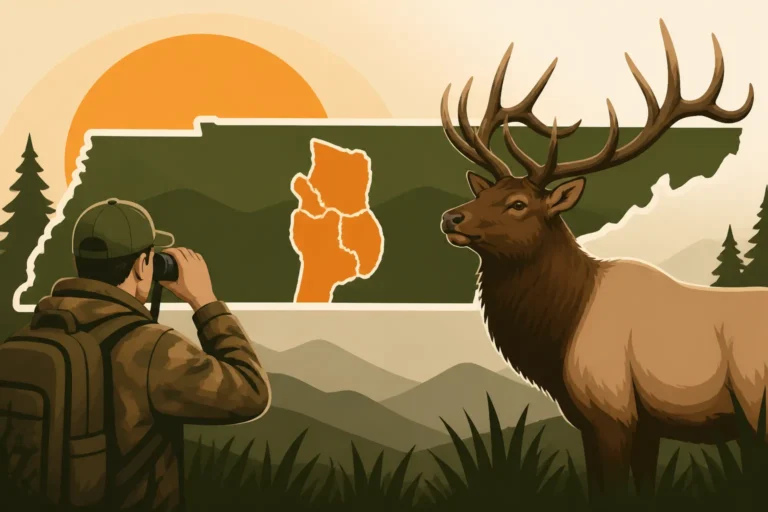
Elk hunting in Tennessee is a truly unique opportunity, made possible by the state's successful elk restoration efforts in the North Cumberland region. However, obtaining an elk tag is incredibly competitive. Elk hunts are exclusively quota hunts, meaning only a very limited number of permits are issued each year through a lottery draw system. To even apply for one of these coveted permits, you typically need an Annual Hunting & Fishing License and a specific Elk Hunt Permit application. You can find detailed information on the application process and rules in our guide to Tennessee Elk Quota Hunt Rules. If you are one of the fortunate few to draw an elk tag, your specific permit will detail the hunt zone, season dates, and whether it’s for archery or firearms.
| Big Game Species | Resident Permit Type (Example) | Nonresident Permit Type (Example) | Key Considerations |
|---|---|---|---|
| Deer | Annual Big Game (Type 009) | Annual Big Game (Type 073) | DMU-specific bag limits, antler restrictions. Covers archery, muzzleloader, gun. |
| Turkey | Spring Turkey (Type 004), Fall Turkey (Type 005) | Annual Big Game (Type 073) | Separate permits for spring/fall, jake limits. |
| Bear | Annual Bear Permit (Type 003) | Annual Big Game (Type 073) | Zone-specific seasons, methods (dogs/still-hunting). |
| Elk | Elk Hunt Application (Specific type varies, typically applied for online) | Not eligible for public land elk hunt, private land may have different rules. | Lottery draw only, highly limited permits, specific zones and dates. |
| Hogs | No specific permit required if hunting during open season for other species, or with a depredation permit | No specific permit required if hunting during open season for other species, or with a depredation permit | Classified as a non-game animal. No closed season or bag limit on private land, but hunters must possess a valid hunting license. |
Note: This table provides general examples. Always consult the current TWRA Hunting and Trapping Guide for the most up-to-date and specific regulations, permit numbers, and costs.
Youth Hunters and Special Considerations
Tennessee is committed to fostering the next generation of ethical and responsible hunters, and as such, has specific provisions for youth hunters. There are also important considerations for apprentice hunters and those with disabilities, ensuring that everyone has the opportunity to enjoy the state's rich hunting heritage.
Youth Hunting Licenses: Reduced Costs and Mentorship
For young hunters in Tennessee, the path to obtaining a big game license is designed to be affordable and encouraging. Generally, youth under a certain age (typically 16) can purchase a Junior Hunting & Fishing License (Type 002) at a significantly reduced cost compared to adult licenses. This license often bundles the basic hunting privileges with big game permits, making it a very economical option for families. For instance, the Junior Hunt/Fish/Trap (Type 002) is a very popular choice that covers small game, big game, and trapping for a full year for youth.
Furthermore, Tennessee strongly emphasizes mentorship for young hunters. During special youth hunting seasons, such as the Hunting the Tennessee Youth Deer Weekend or The Tennessee Young Sportsman Weekend Dates for turkeys, youth hunters typically must be accompanied by an adult, who may or may not need to be licensed themselves, depending on the specific rules of the hunt. This mentorship ensures safety, teaches ethical hunting practices, and allows experienced hunters to pass on their knowledge to the next generation in a hands-on way. It’s a fantastic program that gives kids an exciting and safe introduction to hunting.
Apprentice Hunter Program: Learning the Ropes
For adults who are new to hunting and haven't yet completed their hunter education requirements, Tennessee offers the Apprentice Hunter Program. This program allows individuals aged 10 and older to hunt for up to one year without having completed a hunter education course, provided they are accompanied by a licensed mentor. The mentor must be at least 18 years old and possess a valid Tennessee hunting license, and must remain within an arm's reach for firearms hunting or within sight and hearing for archery hunting.
This program is a brilliant way for aspiring hunters to get real-world experience in the field before committing to hunter education. It removes a potential barrier to entry and allows new hunters to see if the sport is for them, all while under the direct supervision of an experienced individual. After the initial year, however, the apprentice hunter must successfully complete a hunter education course to continue hunting independently. This is a great opportunity to go Scouting Tennessee Public Land Before Season with an experienced friend or family member before diving headfirst into the full hunter education requirement.
Disabled Hunter Permits and Accommodations
Tennessee is also committed to providing hunting opportunities for individuals with disabilities. The TWRA offers various permits and accommodations to ensure that disabled hunters can participate safely and effectively. These can include permits for using special equipment, exemptions for certain mobility requirements, or access to designated hunting areas.
For example, a hunter with a permanent disability affecting mobility might be able to obtain a special permit to hunt from a vehicle on specific WMAs or use an ATV where otherwise restricted. It's important for disabled hunters to contact the TWRA directly to understand the full scope of available permits and accommodations, as eligibility often requires specific documentation from a medical professional. The goal is always to make hunting as accessible as possible while maintaining safety and conservation principles.
Where and How to Purchase Your Licenses
Once you know exactly which licenses and permits you need, the next step is to acquire them. Thankfully, Tennessee offers several convenient ways to do this, making the process relatively straightforward for both residents and nonresidents.
Online Through Go Outdoors Tennessee
The easiest and most common way to purchase your Tennessee hunting licenses and permits is online through the official Go Outdoors Tennessee website. This platform is incredibly user-friendly and allows you to browse all available license types, purchase what you need, and print a temporary copy of your license immediately. You can also save a digital copy to your phone, which is perfectly acceptable as proof of license in the field. This convenience means you can get your licenses any time, day or night, from anywhere with internet access.
The Go Outdoors Tennessee system is also where you'll typically apply for quota hunts, report your big game harvests, and manage your hunter profile. It's designed to be a one-stop shop for all your licensing and reporting needs. Many hunters, myself included, find it incredibly useful to have their license information readily accessible on their phones. Plus, the system is intuitive enough that even if you're not particularly tech-savvy, you should be able to navigate it with ease. This platform is also where you'll find the most up-to-date information on regulations, season dates, and draw results for those highly anticipated hunts. You can even use features like GoHunt's mapping tools to cross-reference public land boundaries after buying your license.
Local Agents and TWRA Offices
For those who prefer a more traditional approach, or who might not have consistent internet access, Tennessee hunting licenses and permits can also be purchased in person. You'll find authorized license agents in towns and cities across the state. These agents are typically sporting goods stores, bait shops, county clerks' offices, and other retailers that cater to outdoor enthusiasts. They can assist you with selecting the correct licenses and permits and print them out for you on the spot.
Additionally, you can purchase licenses directly from any of the four Tennessee Wildlife Resources Agency (TWRA) regional offices during business hours. While perhaps less convenient for most hunters than online purchasing, visiting a TWRA office can be beneficial if you have complex questions or need in-depth assistance with specific regulations that a local agent might not be able to fully clarify. It's always a good idea to bring identification (such as a driver's license) and proof of residency if applicable, to ensure a smooth transaction.
Proof of License and Digital Options
Once you've purchased your licenses and permits, it's absolutely crucial to have proof of them with you while hunting. The TWRA accepts several forms of proof. A physical copy of your license, printed on paper, is always acceptable. Many hunters choose to laminate theirs or keep it in a waterproof holder to protect it from the elements.
However, in this digital age, having your license displayed on your smartphone is also perfectly legal and often more convenient. You can either log into your Go Outdoors Tennessee account to show your license, or simply have a screenshot or PDF saved to your device. This modern approach means one less thing to worry about carrying in your hunting vest. Just make sure your phone is charged! While having GoHunt maps on your phone is great for navigation, don't forget the official TWRA app also helps manage your licenses and harvest reporting. Always keep your license information accessible, as wildlife officers conduct random checks to ensure compliance, and being unprepared can lead to unnecessary delays or fines.
Staying Legal: Common Pitfalls and How to Avoid Them
Even with the right licenses, staying fully legal in the Tennessee woods requires more than just a purchase. There are several common pitfalls that hunters, particularly those new to the state or new to a specific type of hunting, often encounter. Being aware of these can save you a lot of headache and potential penalties.
Harvest Reporting and CWD Zone Requirements
One of the most critical aspects of big game hunting in Tennessee is proper harvest reporting. Every deer, bear, and turkey harvested must be reported to the TWRA. This isn't just a suggestion; it's a legal requirement. Harvests can typically be reported online through the Go Outdoors Tennessee platform or via the TWRA On The Go app. You'll need to report your kill within a specific timeframe (usually before moving the animal from the immediate area of recovery or within 48 hours, depending on the species and location). This data is vital for wildlife biologists to monitor populations, assess health, and make informed management decisions.
Adding another layer of complexity is the Tennessee's Chronic Wasting Disease Management Zone. If you harvest a deer within a CWD-positive or CWD-buffer county, there are additional rules, especially regarding carcass transportation. Often, you may only transport deboned meat, clean antlers, or taxidermy-ready hides out of the CWD zone. It's critical to understand these rules for the specific county you're hunting in to avoid inadvertently spreading CWD or facing legal issues. Always check the latest TWRA guide for CWD zone specifics before hunting.
Blaze Orange Rules and Safety
Safety is always paramount, and Tennessee has specific blaze orange requirements, particularly during firearm seasons. Generally, during gun seasons for deer, bear, and elk, hunters (and often non-hunters on public land) are required to wear a minimum amount of blaze orange, typically 500 square inches on the upper body and head. This includes a hat and an outer garment. This requirement is in place to maximize visibility and reduce the risk of accidental shootings.
However, there are exceptions. During archery-only seasons, blaze orange is typically not required for bowhunters, though many still choose to wear it for safety when walking to and from their stands. Also, turkey hunters, who often rely on camouflage to get close to wary birds, are generally exempt from blaze orange requirements during turkey season. Always consult the TWRA hunting guide for the specific season and species you're pursuing to ensure you're in compliance. Ignoring these rules isn't just illegal; it's dangerous.
Understanding WMA Permits and Special Regulations
Many of Tennessee's prime hunting grounds are located on Wildlife Management Areas (WMAs), which are managed by the TWRA. While your statewide hunting license and big game permits get you into the general season, many WMAs have their own specific rules, seasons, and often require an additional WMA permit. For example, to hunt deer on Catoosa WMA, you'd need your regular hunting license, deer permits, and a specific WMA permit like the Type 093 Annual WMA Small Game and Waterfowl or a Type 094 Annual WMA Big Game permit.
These WMA-specific rules can include different season dates, bag limits, weapon restrictions, or even restrictions on vehicle access or camping. Some WMAs, like those within the Cherokee National Forest Hunting or the Land Between the Lakes Hunting region, might have additional federal regulations layered on top of state rules. It's crucial to thoroughly research the specific WMA you plan to hunt well in advance. Ignorance of WMA rules is not an excuse, and violating them can lead to fines, loss of hunting privileges, and even confiscation of game or equipment. A little pre-hunt homework with resources like the TWRA WMA map and a tool like GoHunt's public land overlays can go a long way in ensuring a legal and enjoyable hunt.
Disclaimer
The information provided in this guide is intended for general informational purposes only and does not constitute legal advice. Hunting regulations in Tennessee are subject to change, and it is the hunter's responsibility to consult the most current Tennessee Wildlife Resources Agency (TWRA) Hunting and Trapping Guide or visit the official TWRA website before engaging in any hunting activities. Always ensure you are in full compliance with all applicable state and federal laws and regulations.