Rabbit Hunting Tennessee Fencerows
For many Tennessee hunters, chasing cottontail rabbits brings back fond memories of crisp autumn mornings and good company. But let's be honest, finding those elusive bunnies can be a real challenge if you're not looking in the right places or employing the right strategies. This guide is all about honing in on one of the most productive, yet often overlooked, habitats for rabbits in our great state: the humble fencerow. We'll dive deep into how to scout, hunt, and truly understand these linear havens for cottontails.
Understanding the Fencerow Habitat for Tennessee Rabbits
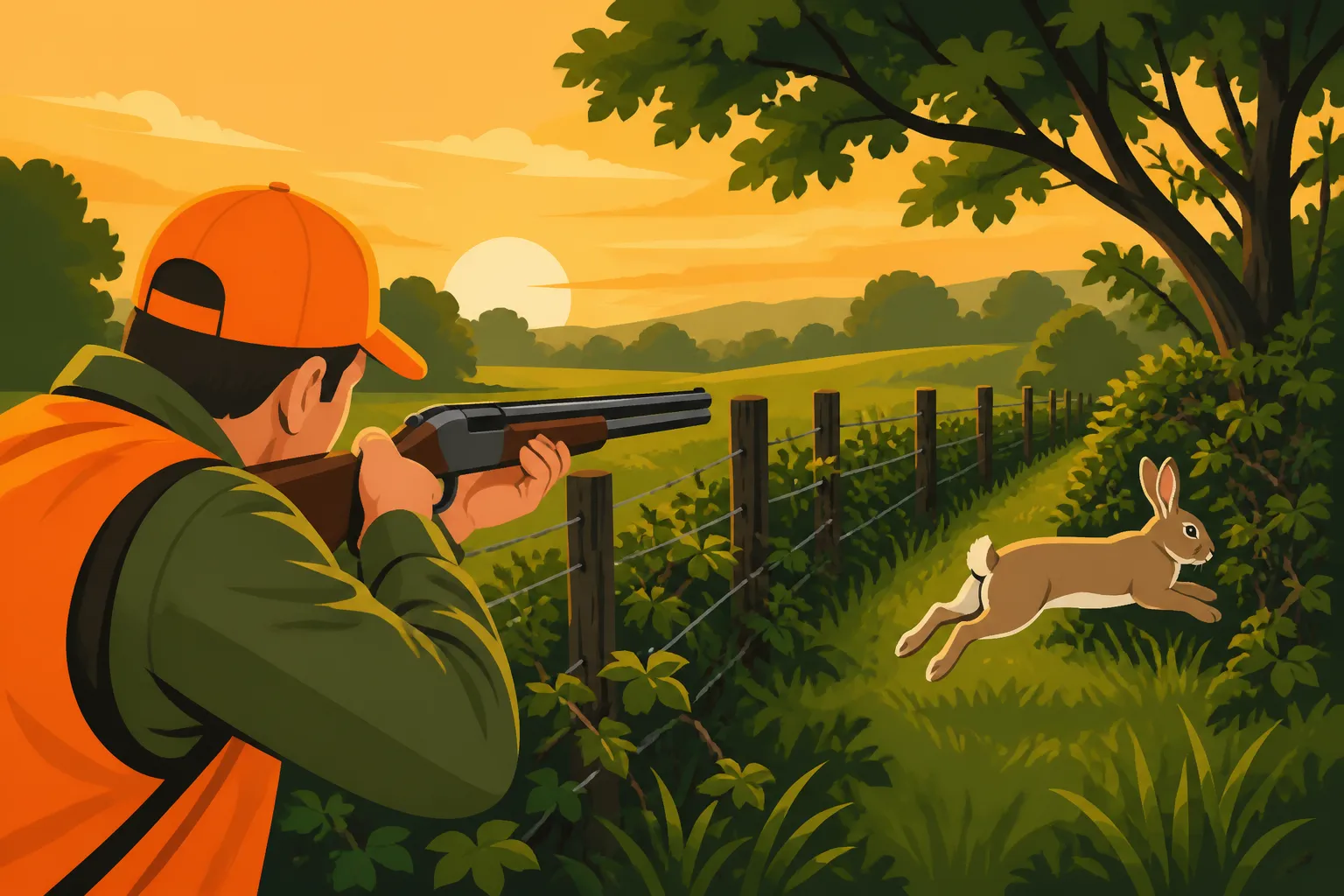
Fencerows might seem like simple dividers between fields or properties, but for a cottontail rabbit, they are bustling superhighways of survival. These narrow strips of vegetation offer an incredible blend of all the necessities for rabbits: food, cover, and safe travel routes. It’s this unique combination that makes them such prime hunting spots, especially as other cover disappears later in the season.
The Allure of Dense Cover
One of the primary reasons rabbits gravitate towards fencerows is the sheer density of cover they provide. Think about it: a fencerow isn't just a line of fence posts. It's often a tangled mess of briars, honeysuckle, multiflora rose, small saplings, and weeds that have been allowed to grow wild. This creates an impenetrable fortress against predators like hawks, owls, coyotes, and foxes. When a rabbit needs to disappear quickly, these thickets are its best friend.
Imagine a rabbit caught out in an open field when a hawk spots it. Its only hope is to sprint to the nearest, thickest cover available. A fencerow, with its low-lying, interconnected vegetation, provides immediate refuge. This dense undergrowth also offers protection from harsh weather conditions, be it a biting winter wind or a scorching summer sun. They can burrow into the thickest parts to stay warm and dry or find shade, making them comfortable year-round. This is why you'll often find rabbits holding tight in these areas, even when other seemingly good cover is nearby.
Abundant Food Sources
Beyond just cover, Tennessee fencerows are often brimming with the kinds of food rabbits love to munch on. The edges of agricultural fields frequently border these fencerows, providing access to waste grains like corn and soybeans after harvest, or fresh green shoots of wheat and clover. But even without crop fields, the diverse plant life within the fencerow itself offers a smorgasbord.
Wild berries, young shoots of woody plants, various grasses, and broadleaf weeds all contribute to a rabbit's diet. As the seasons change, so do the available food sources, but fencerows tend to offer something palatable year-round. In late fall and winter, when other food might be scarce, rabbits can still find browse on woody stems or leftover seeds protected by the thick cover. This constant availability of food, coupled with excellent protection, makes fencerows incredibly attractive and keeps rabbits coming back day after day.
Safe Travel Corridors
Think of a fencerow as a network of hidden tunnels and trails for rabbits. Instead of exposing themselves to danger by crossing open ground, rabbits can use the continuous strip of cover to move between different feeding areas, bedding sites, or even to access water sources. These natural corridors allow them to travel with a sense of security, minimizing their exposure to predators.
This aspect is particularly important when you're scouting. You might notice subtle rabbit runs, little worn paths just barely visible at the base of the thicker vegetation. These are highways that rabbits use constantly, and recognizing them can give you a huge advantage when planning your hunt. The longer and more interconnected a fencerow system is, the more likely it is to hold multiple rabbits, as they can navigate vast distances under cover. This is a critical insight, especially for understanding how to approach and push these areas effectively, which we’ll discuss later.
Scouting Productive Fencerows in Tennessee
Successful rabbit hunting in Tennessee, especially along fencerows, starts long before you ever step foot in the field with a shotgun. Effective scouting is paramount to consistently finding bunnies. You're not just looking for a fencerow; you're looking for a productive fencerow, one that shows clear signs of active rabbit use.
Reading the Landscape: Aerial Maps and Topography
Before you even lace up your boots, grab your phone or computer and pull up some aerial maps. Tools like GoHunt or the TWRA's own mapping resources are invaluable for this initial stage. You're looking for networks of fencerows that connect different habitat types. Consider areas where fencerows border cut crop fields, thick timber stands, overgrown pastures, or even creek bottoms. These transition zones are often gold mines for rabbits.
Look for long, unbroken fencerows, especially those that have a substantial amount of tangled, unkempt growth visible from above. Avoid fencerows that are too clean or thin, as they won't offer the necessary protection. Pay attention to how these fencerows interact with topographical features. A fencerow running along the base of a small ridge, or one that follows a drainage ditch, can concentrate rabbit activity. Using aerial imagery allows you to identify potential rabbit highways and bottlenecks without disturbing the area, helping you to pinpoint exactly where you want to focus your ground scouting efforts. Remember, the goal is to find systems, not just isolated lines.
Ground Scouting for Rabbit Sign
Once you've identified promising fencerows on your map, it's time to hit the field. This is where you become a detective, looking for undeniable proof of rabbit presence. The best time to ground scout for rabbit sign is right after a fresh snow, as tracks will be unmistakable. However, you can find sign any time of year.
Look for rabbit droppings – small, round, pellet-like feces that are usually found in clusters along well-used runs or near favored feeding spots. Also, keep an eye out for clipped vegetation. Rabbits have distinctive incisor marks that leave a clean, angled cut on stems and grasses. Check low-lying plants, especially in winter, for these telltale signs. Overgrown burrows or brush piles within the fencerow are also excellent indicators, as rabbits often use these as dens or escape routes. The more fresh sign you find, the higher your chances of a successful hunt. Don't just walk the fencerow; examine the ground immediately adjacent to it and within the thickest cover.
Permission and Public Land Considerations
Before you start planning your hunt, you absolutely must ensure you have legal access to the land. If you're eyeing fencerows on private property, this means asking for and securing landowner permission. A simple knock on the door, a friendly conversation, and an offer to share any harvested game can go a long way. Always be respectful and understand that "no" means no. For tips on navigating these conversations, consider reading up on how to improve your chances of Getting Private Land Permission in Tennessee.
If you're planning to hunt public lands, check the specific regulations for those areas. While fencerows are often associated with private agricultural land, you might find similar linear cover on public Wildlife Management Areas (WMAs) or state forests, particularly where old farm fields are reverting to forest. Always consult the latest TWRA regulations for Tennessee Small Game Season Rules for bag limits and season dates. Checking Tennessee Rabbit Season Dates specifically is crucial before planning any trip. Additionally, remember that on public lands, competition from other hunters can be a factor, so scouting for less-pressured areas might give you an edge.
Hunting Strategies for Tennessee Fencerows
Rabbit hunting in fencerows is an active pursuit that often involves strategic movement and, for many, the aid of a good canine companion. The thick cover and linear nature of fencerows lend themselves to specific tactics that can greatly increase your success rate.
Pushing Fencerows: Solo and Group Tactics
Pushing a fencerow essentially means walking through the cover in an organized manner to flush rabbits out into the open or towards waiting hunters. This can be highly effective both as a solo hunter and with a small group.
-
Solo Pushing: If you're hunting alone, a slow, deliberate pace is key. Kick every brush pile, stomp through every briar patch, and pause frequently. Rabbits will often hold incredibly tight, relying on their camouflage, and will only bolt when they feel imminent danger. By pausing, you often make them nervous enough to break cover. Have your gun ready and be prepared for a quick shot. Walk the fencerow in zig-zag patterns, covering both sides of the thickest cover. It's an exhausting but rewarding way to hunt.
-
Group Pushing: This is where fencerow hunting really shines. With two or more hunters, you can effectively "drive" rabbits. Position a "blocker" or "poster" at one end of the fencerow, typically in a strategic spot where rabbits are likely to run out, such as a field corner, a gap in the fence, or a connecting ditch. The other hunter(s) then slowly walk through the fencerow towards the blocker, making noise and kicking cover. Communication is vital here for safety and success. Always know where your hunting partners are, and have clear shooting lanes defined. Safety glasses are a must due to the dense cover and potential for rebounding shot. Make sure everyone is wearing adequate blaze orange, as specified in Tennessee Blaze Orange Requirements.
Still-Hunting and Ambush Techniques
While pushing is often the go-to, still-hunting can also be surprisingly effective, especially in highly pressured areas or when you're targeting a specific section of fencerow you know holds rabbits. This method relies on stealth and patience.
-
Slow Stalking: Move incredibly slowly along the edge of a fencerow, pausing every few steps to scan ahead. Use your eyes and ears to detect any movement. Rabbits might be sitting just inside the cover, trying to avoid detection. Sometimes, a rabbit will simply try to sneak away before bolting, and if you're patient enough, you might spot its subtle movement. This works best on quiet days when the leaf litter isn't too crunchy underfoot. Pay particular attention to sunny spots on cold days, as rabbits might be out soaking up the warmth.
-
Ambush Points: This strategy is about anticipating where a rabbit will go. After scouting, you might notice a consistent trail leading from a fencerow into a particular field or towards another patch of cover. Take a stand at one of these choke points, well-concealed, and wait for rabbits to move naturally, especially during dawn or dusk, or when a light rain might push them to seek higher, drier ground within the fencerow. This can also be a great strategy if you're hunting with a partner who is pushing the fencerow from a distance, allowing you to intercept rabbits trying to escape.
The Advantage of Hunting with Beagles
For many, rabbit hunting is beagle hunting. These dogs are purpose-built for the task, with incredible noses and a relentless desire to chase. If you're lucky enough to hunt with beagles, fencerows are prime territory.
-
Trailing and Flushing: Beagles will follow a rabbit's scent trail, barking loudly as they go. This distinct "music" not only helps you track their progress but also keeps the rabbit moving, often in a large circle. The rabbit will typically stay ahead of the dogs, trying to find heavy cover, which often means running along or through the fencerow. Your job as the hunter is to position yourself along the anticipated escape routes or where the rabbit is likely to circle back.
-
Anticipating the Circle: Rabbits, when chased by dogs, tend to run in a big circle, eventually returning close to where they were jumped. Experienced beagle hunters know their dogs and their terrain well, learning to predict these circles. Standing still and listening intently to the dogs' baying can guide you to where the shot opportunity will arise. This dynamic style of hunting is exhilarating and requires patience and keen listening skills. Make sure your dogs are well-trained and that you understand Running Beagles on Tennessee Cottontails safely and effectively, especially when hunting near roads or property lines.
Essential Gear and Tactics for Success
Beyond just understanding rabbit behavior and scouting, having the right gear and knowing how to use it can make or break your rabbit hunting day in Tennessee's fencerows. From the right firearm to protective clothing, every piece plays a role in comfort, safety, and success.
Shotgun and Ammunition Choices
For rabbits, a shotgun is king. The fast-moving nature of a flushing rabbit in thick cover makes a scattergun the most practical choice.
-
Gauge and Action: While a 12-gauge is always a solid choice for its versatility, a 20-gauge shotgun is arguably ideal for rabbit hunting. It's lighter to carry through dense briars, has less recoil for quicker follow-up shots, and still provides plenty of knockdown power for cottontails. Even a .410 can be effective in extremely close quarters, though it requires more precise shooting. Pump-action or semi-automatic shotguns are popular for their quick follow-up shot capabilities, which can be crucial when a rabbit zig-zags through the brush. Side-by-side or over/under shotguns are also excellent, offering two quick shots.
-
Shot Size: For rabbit hunting, you'll want to stick with smaller shot sizes. Number 6 shot is an excellent all-around choice, providing a good balance of pellet count and individual pellet energy for a clean kill. Number 7.5 shot also works very well, especially in thick cover where shots are typically close. Avoid anything larger than 4 shot for rabbits, as it provides too few pellets for a reliable pattern at typical rabbit hunting distances. A more detailed comparison of Shot Size for Squirrel and Rabbit can help you make the best choice for your particular setup and hunting conditions. Always carry a few different shell types if you're unsure, and pattern your shotgun before the season to know how it performs with your chosen load.
| Shotgun Gauge | Recommended Shot Sizes | Ideal Range (Yards) | Notes for Rabbits |
|---|---|---|---|
| 12 Gauge | 6, 7.5 | 15-40 | Versatile, good power |
| 20 Gauge | 6, 7.5 | 10-35 | Lighter, less recoil, excellent |
| .410 Gauge | 6, 7.5 | 5-20 | Requires precise shooting, close range only |
Clothing and Protective Gear
Hunting fencerows means getting into thick, nasty stuff. Without the right clothing, you'll be scratched, poked, and miserable in no time.
-
Briar Pants/Chaps: This is non-negotiable. Briar-proof pants or chaps are an absolute must. Brands like GoHunt often recommend durable gear for tough terrain, and briar pants fall squarely into that category. They are designed to withstand thorns, multiflora rose, and dense brush, keeping your legs protected and allowing you to push through cover comfortably. Without them, you'll spend more time picking thorns out of your legs than looking for rabbits.
-
Layered Clothing and Boots: Depending on the season, you'll want to layer your clothing. Early season hunts might call for lighter layers, but late-season trips demand warmth. Avoid cotton for base layers, as it retains moisture and will make you cold. Opt for synthetics or wool. Durable, waterproof boots with good ankle support are also essential, as fencerows can be muddy, uneven, and riddled with hidden obstacles. Look for boots that are also thorn-resistant. For more on cold-weather options, consider Boots for Walking Tennessee Ridges or Cold-Weather Sitting Strategy in Tennessee.
-
Safety Gear: Always wear eye protection. Safety glasses are crucial for protecting your eyes from whipping branches and stray shot, especially in dense cover. A good pair of hunting gloves will protect your hands from thorns and rough bark. Of course, blaze orange is legally required during firearms seasons for many types of hunting in Tennessee, and it's always a good idea when small game hunting, especially with a group. Tennessee Blaze Orange Requirements clearly outlines what you need.
Calls and Other Useful Accessories
While not as critical as for other game, a few accessories can still enhance your rabbit hunting experience.
-
Rabbit Distress Calls: While not used for attracting rabbits in the same way you'd call a turkey or a deer, a rabbit distress call can be useful if you're in an area with predators like coyotes. Sometimes, the sound of a rabbit in distress can attract coyotes, offering an opportunistic shot if you have the appropriate license and season. It's more of a secondary tactic, but one worth considering.
-
Game Bag or Vest: A good Upland Vests With Water Capacity or a simple game bag is indispensable for carrying your harvested rabbits. Some vests have built-in game pouches in the back, freeing up your hands and distributing the weight comfortably. These often also have pockets for shells, water, and other essentials.
-
Mapping App: While you've used GoHunt for initial scouting, having it or a similar app on your phone in the field is still incredibly useful. It helps you keep track of where you are, where you've hunted, and to identify property lines, especially important when hunting close to boundaries or on mixed public/private land. Make sure you've downloaded offline maps in case cell service is spotty.
Rabbit Behavior and Seasonality in Tennessee
Understanding how rabbit behavior changes throughout the year, and specifically during hunting season, can give you a significant advantage. Rabbits are creatures of habit, but those habits are influenced by weather, food availability, and breeding cycles.
Daily Activity Patterns
Cottontail rabbits are primarily crepuscular, meaning they are most active during dawn and dusk. This is when they are most likely to be out feeding in more open areas near the fencerows. However, they can be active at any time of day, especially if pressured or if weather conditions are favorable.
- Early Morning/Late Afternoon: These are prime times to find rabbits actively moving and feeding. If you're still-hunting or ambushing, these are your best windows.
- Midday Lull: During the brightest parts of the day, especially if it's warm, rabbits will often retreat into the densest cover within the fencerow or in nearby brush piles to rest and hide from predators. This makes them harder to find, but it's also a great time to implement aggressive pushing tactics, as they'll be holding tight.
- Overcast Days: Rabbits tend to be more active throughout the day on overcast, mild days, as they feel less exposed to aerial predators.
Impact of Weather Conditions
Weather is a huge factor in rabbit hunting success. A savvy hunter pays close attention to the forecast.
-
Cold Weather: When temperatures drop, especially after a cold front, rabbits will seek the densest, most protective cover. This can mean deep briar patches, brush piles, or even underground burrows within the fencerow. While they might be harder to flush, they'll also be less likely to run far once jumped, making them easier to get a second chance at if you miss. A fresh dusting of snow can make tracks incredibly visible, aiding your scouting efforts. For more on hunting in the cold, consider Hunting Deer After a January Cold Front, as some principles of cold-weather pursuit apply.
-
Rainy/Wet Conditions: Light rain can sometimes keep rabbits more active, as it dampens human scent and limits visibility for some predators. However, heavy rain or prolonged wetness will often send them seeking high, dry ground within the fencerow or underground. Muddy conditions can also make it difficult for hunters to move quietly.
-
Snow Cover: Fresh snow can be a double-edged sword. It's fantastic for tracking, as mentioned. However, very deep snow can make it hard for both rabbits and hunters to move, pushing rabbits into even deeper, insulated cover. In these conditions, focusing on the edges of fields where snow might be thinner, or on areas with significant overhead cover like evergreens, can be productive.
Seasonal Changes and Hunting Pressure
Tennessee's rabbit season typically runs for an extended period, allowing for diverse hunting experiences as the habitat changes.
-
Early Season (Fall): In the early part of the season, often coinciding with archery deer season, vegetation is still quite thick. Rabbits have abundant cover and food everywhere. This can make them harder to concentrate in fencerows alone. They might be scattered. Hunting then requires more thorough searching.
-
Late Season (Winter): This is arguably the prime time for fencerow rabbit hunting. As crops are harvested and deciduous vegetation loses its leaves, the dense, evergreen-laced fencerows become even more critical sanctuaries for rabbits. Food sources in open fields diminish, driving rabbits to browse on woody stems within the fencerows. Hunting pressure from deer hunters might also shift, sometimes opening up areas, though Opening Weekend Crowds on Tennessee Public Land can still be a factor early in any season. The cold temperatures also mean rabbits hold tighter, making them ideal for pushing tactics or dog work. The lack of foliage also makes it easier for hunters to spot running rabbits, though the rabbits are also more exposed.
Regulations and Ethical Considerations
Every hunter has a responsibility to know and abide by the law, and to conduct themselves ethically in the field. This isn't just about avoiding fines; it's about respecting the game, the land, and your fellow hunters.
Licensing and Season Dates
Before you even think about stepping out into a fencerow with a shotgun, ensure you have the appropriate Tennessee hunting licenses. This typically includes a small game license, which is often bundled with other licenses. The GoHunt app and the TWRA website are excellent resources for checking your current license status and for purchasing new ones.
- Tennessee Resident Hunting License Options: Make sure you have the correct Tennessee Resident Hunting License Cost and Tennessee Small Game Season Rules. Non-residents have different requirements, which can be found under Tennessee Nonresident Hunting License Options.
- Season Dates and Bag Limits: Tennessee Rabbit Season Dates are crucial to know. These dates can sometimes vary by WMA, so always double-check. Pay close attention to the daily bag limit and the possession limit. Exceeding these limits is illegal and unethical. The TWRA regularly updates these, so always refer to the most current regulations.
Hunter Safety Protocols
Hunting in dense fencerows, especially with a group, presents unique safety challenges. Visibility can be severely limited, and rabbits can flush in unexpected directions.
- Blaze Orange: As mentioned earlier, wearing blaze orange is often legally required during firearms seasons for safety. Even when not legally mandated, it is highly recommended for rabbit hunting, especially with a group or with dogs. It drastically increases your visibility to other hunters and can prevent accidents. Always refer to How Much Blaze Orange Tennessee Requires.
- Firearm Safety: Always treat every firearm as if it's loaded. Keep the muzzle pointed in a safe direction. Be absolutely certain of your target and what is beyond it. In dense cover, a running rabbit can disappear behind a bush in an instant, making a shot unsafe. Never shoot at sound or movement alone.
- Communication: When hunting with a group, clear and constant communication is vital. Use whistles or verbal commands to indicate your position, when you're moving, or if you've flushed a rabbit. Agree on safe shooting zones and where blockers will be positioned.
Ethical Harvest and Game Care
Taking a shot at a rabbit is only part of the hunt. Ensuring a quick, humane kill and properly caring for the game afterward are equally important.
- Clean Shots: Aim for clean, ethical shots that ensure a swift kill. Avoid taking risky shots that might only wound the animal, leading to unnecessary suffering and potentially lost game.
- Field Dressing: After harvesting a rabbit, field dress it promptly, especially in warmer weather. This involves removing the entrails to help cool the meat and prevent spoilage. Carry disposable gloves for hygiene.
- Transport and Storage: Transport your rabbits quickly to a cooler with ice, or process them immediately upon returning home. Skinning and butchering can be done easily, yielding delicious wild game. For general considerations, Field Dressing a Deer in Cold Weather provides some basic principles of game care that can be adapted. Be aware of Tennessee Wildlife Disease Monitoring, and report any signs of disease in harvested game to the TWRA.
Remember, responsible hunting contributes to wildlife conservation and preserves the tradition for future generations. Respecting the rules and the animals we pursue is what truly defines a sportsman.
Disclaimer
Hunting is an inherently dangerous activity. This guide provides general information and recommendations but should not replace proper hunter education, local regulations, or personal judgment. Always consult the most current Tennessee Wildlife Resources Agency (TWRA) regulations, and prioritize safety in the field. The author and publisher are not responsible for any accidents, injuries, or legal issues that may arise from hunting activities.