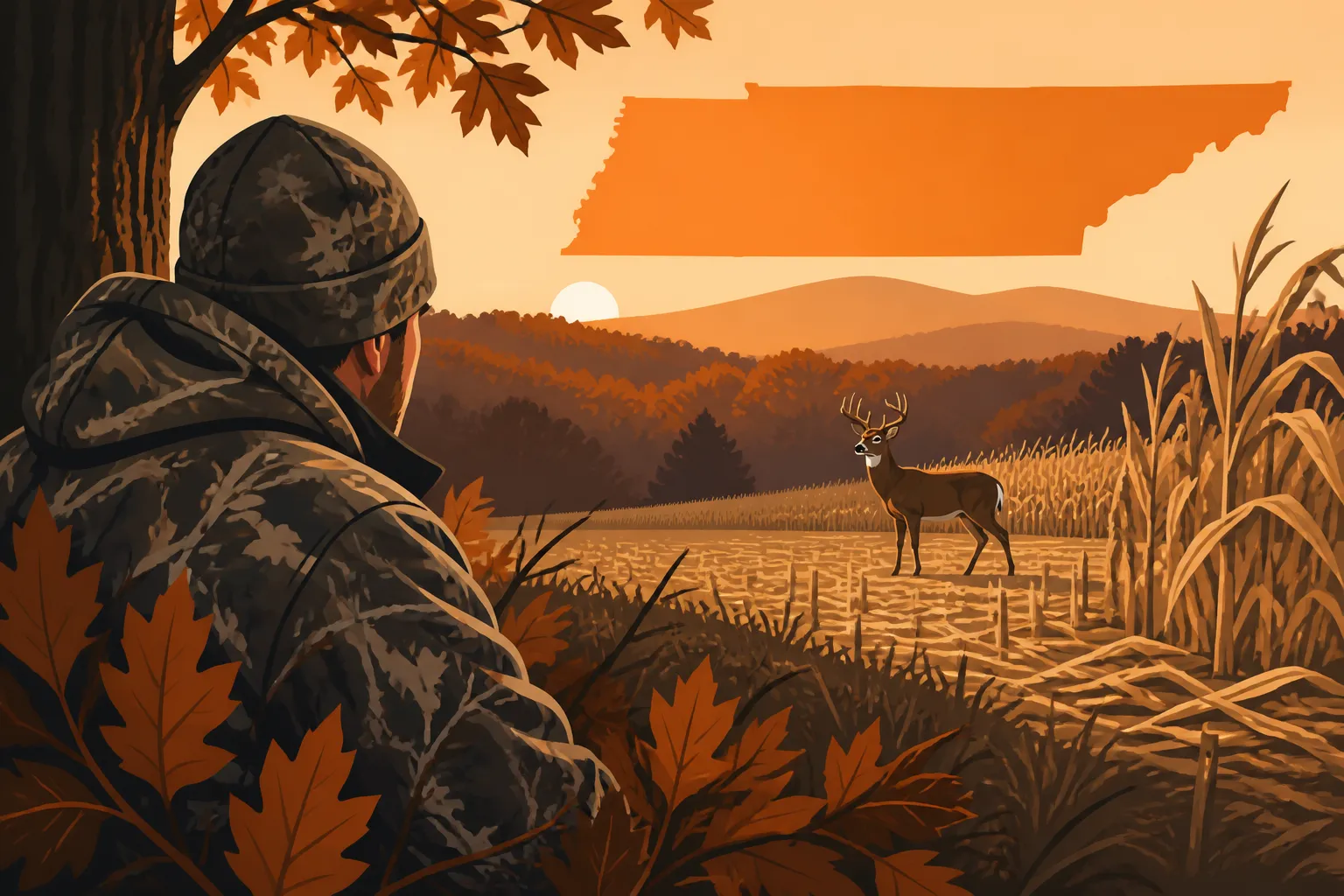
Sitting a Field Edge in Late Season
As the late season grinds on here in Tennessee, many of us find ourselves staring across barren fields, wondering why the deer activity we saw earlier in the year has all but vanished. It’s frustrating to put in the time, only to feel like you’re hunting ghosts. This guide is all about peeling back the layers of late-season deer behavior around agricultural fields and showing you how to adapt your approach to find success when the temperatures plummet and the hunting pressure mounts.
Understanding Late-Season Deer Behavior on Field Edges
The late season in Tennessee, especially from December into January, presents a completely different set of challenges and opportunities compared to the bustling early archery or the peak of the rut. Deer, at this point, are laser-focused on survival, and that means one thing: food, glorious food. Their patterns become incredibly predictable, but only if you know what to look for and how to interpret the subtle shifts.
The Shift to Calorie-Rich Food Sources
Gone are the days when deer would meander through the woods nibbling on a variety of browse or eagerly hitting a scrape line. By late season, their metabolic needs are through the roof. They’ve burned significant calories during the rut, and now colder temperatures demand even more energy just to stay warm. This is why agricultural fields, especially those with standing grain or high-energy food plots, become absolute magnets.
In Tennessee, this often means corn, soybeans, and specific winter food plots like brassicas (turnips, radishes) or cereal grains (wheat, oats). A harvested cornfield might look empty, but those dropped kernels are pure gold for a deer. Similarly, a soybean field, even after harvest, will have shatter losses that provide crucial protein and fats. We’re talking about survival calories, the kind that pack a punch. The deer aren't just browsing anymore; they're feeding with a purpose. They know exactly where these high-value food sources are and will travel significant distances, often under the cover of darkness, to get to them. Finding a good spot means locating where these deer are staging before entering the field or where they quickly retreat after feeding. You might notice that activity really drops off during what we call the Hunting the Late-Season January Lull – that's often because the best food sources are being hit hard at night, and deer are hunkering down in thick cover during the day.
Daytime Movement and Thermal Cover Proximity
During the frigid late season, especially after a cold front pushes through, deer are much more inclined to move during daylight hours, not just for food but also for warmth. However, this movement is often directly tied to the proximity of thermal cover. They won't venture far from dense stands of pines, thick cedar thickets, or deep draws where they can escape the biting wind and soak up any available sunlight. Think about those south-facing slopes that catch the sun's rays – deer will often bed there, warming themselves before heading to feed.
When scouting a field edge for a late-season hunt, don't just look at the field itself. Turn your attention to the adjacent cover. Are there thick honeysuckle tangles right along the edge? Is there a dense pine plantation a short distance away? These are the areas deer will use to stage before entering the field or to immediately retreat into once they've had their fill. They're looking for efficiency – minimal exposure to the elements and maximum access to calories. Your Cold-Weather Sitting Strategy in Tennessee needs to factor in this need for thermal cover, ensuring your setup isn't too far removed from where deer feel secure enough to move.
Strategic Setup for Field Edge Success
Setting up effectively on a field edge in the late season requires a combination of meticulous scouting, understanding wind dynamics, and being as invisible as possible. Deer are incredibly wary this time of year, having survived months of hunting pressure, and any mistake on your part will send them packing.
Concealment and Wind Direction are Paramount
When you’re sitting on a field edge, you’re often exposed, which means camouflage and concealment are absolutely critical. Whether you're in a treestand or a ground blind, you need to break up your outline and blend into the environment. For a treestand, look for trees with thick bark or surrounding branches that offer natural screening. For a ground blind, the goal is to make it disappear. This isn't just about setting it up; it's about making it look like it's always been there.
Brushing in a blind, even just adding some local vegetation around it, can make a huge difference. Think about how deer perceive their environment – anything new or out of place immediately puts them on high alert. If you're going to use a blind, plan to set it up well in advance of your hunt, giving deer time to get accustomed to its presence. This is particularly important on public lands where deer see a lot of traffic. Learning Using a Ground Blind on Tennessee Public Land effectively often means hours spent on concealment. And when it comes to the wind, it is non-negotiable. Always, always, always play the wind. Even with the best scent control, deer have an incredible sense of smell. You need to position yourself so your scent cone is blowing away from where you expect deer to approach or feed. One gust in the wrong direction can ruin your entire hunt. This is where meticulous planning and perhaps even having multiple setup options for different wind directions becomes a game-changer. Making sure you're effectively Brushing In a Blind on a Field Edge takes time but pays dividends.
Identifying High-Traffic Entry and Exit Points
Deer don't just waltz into a field randomly. They have preferred routes, often dictated by cover, terrain, and wind. Your job as a hunter is to identify these high-traffic entry and exit points. Look for worn trails leading from thick cover into the field. Pay attention to fence crossings, subtle dips in the terrain, or narrow strips of cover that act as funnels. These are the bottlenecks where deer movement is concentrated.
Scout for fresh tracks, droppings, and browse lines along the field edge. Are there particular spots where deer are hopping a fence or slipping through a small opening in a thicket? These are your target areas. Deer often stage just inside the timber or thick cover before committing to entering the open field. Setting up within shooting range of these staging areas or the immediate entry/exit points will give you the best chance. Think about how deer navigate to Entry Routes Through Standing Beans – they're looking for the path of least resistance and maximum security. Even if you're hunting flat farm ground, thinking about how deer move over subtle changes in elevation, much like Reading a Ridge for East Tennessee Deer, will help you identify those hidden travel corridors. Using digital mapping tools like GoHunt can really help here, allowing you to overlay aerial imagery with topo maps to pinpoint these subtle terrain features and corridors that might be overlooked on the ground.
Gear, Patience, and Adaptability for the Long Haul
Late-season hunting is often a test of endurance. The cold bites, the days are short, and deer are exceptionally wary. Without the right gear and a solid mental game, you'll be heading home early, cold and disappointed.
Essential Gear for Cold, Long Sits
Sitting still for hours in freezing temperatures demands careful attention to your clothing and comfort. Layering is not just a suggestion; it's a requirement. Start with moisture-wicking base layers, add insulating mid-layers, and top it off with a windproof and waterproof outer shell. Wool or high-quality synthetics are your friends here, as cotton loses all insulating properties when wet. Don’t forget about your extremities – a warm hat, insulated gloves or mittens, and most importantly, warm, waterproof boots are crucial. There’s nothing that will cut a hunt short faster than cold feet.
Invest in quality hand warmers or foot warmers; they can make those extra hours in the stand bearable. A comfortable seat cushion can also significantly extend your sit time. Remember, the longer you can stay put and remain undetected, the higher your chances of encountering deer. Your choice of Clothing for a Tennessee Late Season can be the difference between success and packing up early. When it comes to your feet, make sure you've got robust, well-insulated footwear. Finding the right Insulated Boots for All-Day Sits is worth every penny. For optics, consider a good pair of binoculars with decent low-light performance. Deer often move during the first and last minutes of legal shooting light, and clear optics can help you make a positive identification.
Adapting to Pressure and Changing Conditions
Late-season deer have encountered hunters, loud noises, and human scent for months. They are educated and will quickly become nocturnal if pressure is too high. This means you need to be adaptable. If your initial field edge setup isn’t producing, don’t be afraid to move. Sometimes, a subtle shift to a different corner of the field, or even moving deeper into the cover that deer are using to stage, can make all the difference. Always be aware of recent weather patterns. A sudden drop in temperature or fresh snowfall can trigger increased deer movement, while a warm spell might make them more sluggish.
This is where your scouting and understanding of the specific property really come into play. Are there other fields nearby? Different bedding areas? A good mapping app, like GoHunt, can be indispensable here. It allows you to quickly re-evaluate your strategy, look for alternative access points, and identify potential bedding areas or secondary food sources you might have overlooked. Use it to mark observed deer movement, wind directions, and potential stand sites. Staying informed and flexible will allow you to capitalize on those fleeting opportunities. Think about regularly Scouting With the Tennessee TWRA App to keep tabs on public land changes and deer activity in your area, and cross-reference that with your GoHunt data for a comprehensive strategy.
Here’s a quick overview of common late-season food sources you might find along Tennessee field edges:
| Food Source Type | Common Examples in TN | Deer Appeal (Late Season) | Ideal Conditions for Hunt |
|---|---|---|---|
| Grain Crops | Standing Corn, Shatter Loss Soybeans, Winter Wheat | Very High (High Calories) | Cold, snowy, or icy conditions that increase calorie need. |
| Brassicas | Turnips, Radishes, Rape | High (Digestible Sugars) | After a hard freeze (sweetens leaves/bulbs). |
| Forage | Clover, Alfalfa | Medium-High (Protein) | Milder late-season days, or as a secondary option. |
| Acorns | White Oaks, Red Oaks | High (if available) | If unconsumed, deer will still seek these out. |
| Browse | Honeysuckle, Greenbrier | Low (Last Resort) | When primary food sources are completely exhausted. |
Common Mistakes and How to Avoid Them
Even the most seasoned hunters can make mistakes, especially when the conditions are tough and patience wears thin. Identifying these pitfalls before you hunt can save you a lot of frustration.
Ignoring Wind and Scent Control
This cannot be stressed enough: deer survive by their nose. Many hunters will lament the lack of deer movement, when in reality, the deer simply smelled them and slipped away undetected. You might not see a single deer, but that doesn't mean they weren't there, downwind, getting a whiff of your presence. Ignoring the wind direction for your setup is the single biggest mistake you can make when hunting wary late-season deer.
Always check the wind before heading out, and have multiple stand or blind locations prepared for different wind scenarios. If the wind isn't right for your primary spot, go to your secondary spot or don't hunt that field edge at all. It's better to not hunt than to educate deer further. Beyond wind, meticulous scent control is vital. Wash your hunting clothes in scent-free detergent, shower with scent-free soap, and store your gear in airtight containers. Use scent elimination sprays on your boots and outer layers. The goal isn't to eliminate all scent, which is impossible, but to reduce it significantly and control its direction. A deer's nose is a powerful tool, and even a slight mistake can cost you.
Impatience and Lack of Preparation
Late-season hunting is a marathon, not a sprint. Deer often won't move to fields until the very last hour of daylight, or sometimes even after legal shooting light has passed. Being impatient and leaving your stand early is a surefire way to miss out. This means you need to be prepared for those long, cold sits. Pack extra snacks, water, and anything else you need to stay comfortable and focused for the duration of your hunt.
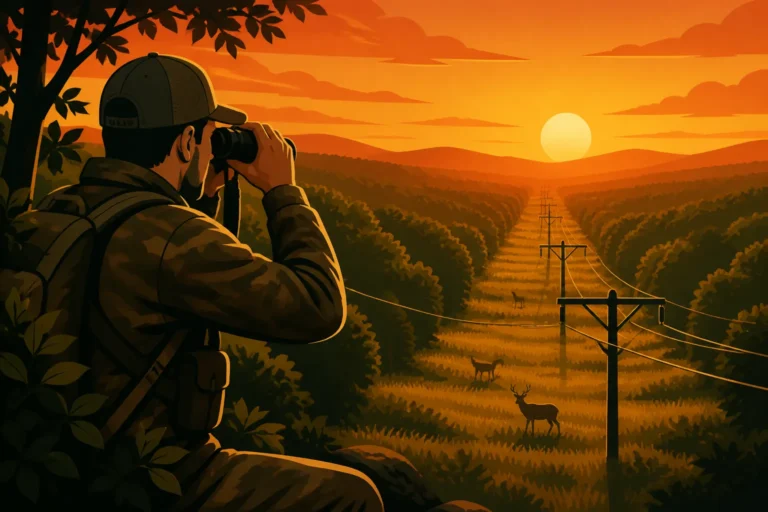
A lack of proper preparation also extends to your scouting. Don't just show up on opening day and expect to find deer. Spend time before the season, and even during the season on non-hunting days, to scout. Look for fresh tracks, droppings, and feeding sign. Observe deer movement from a distance if possible, using binoculars or a spotting scope. Identify travel corridors, bedding areas, and the specific food sources they're targeting. When a January cold front blasts through, deer behavior can shift rapidly, making fresh intel invaluable. The more you know about the deer on your particular property, the better equipped you'll be to predict their movements and put yourself in a position for success.
Disclaimer
Always consult the latest Tennessee Wildlife Resources Agency (TWRA) regulations before hunting. Hunting laws and regulations can change, and it is the hunter's responsibility to be informed and compliant. The information provided here is for general guidance and educational purposes only.