How CWD Spread East From West Tennessee
It's incredibly frustrating, isn't it? Just when you think you understand the challenges of hunting in Tennessee, a new and insidious threat like Chronic Wasting Disease (CWD) emerges, casting a long shadow over our beloved deer herds. The initial shock of CWD appearing in our state has evolved into a persistent worry as we watch it slowly but surely expand its footprint. This guide is here to shed light on how CWD spread from West Tennessee, offering a realistic look at the biological and human factors that have contributed to its eastward creep, and what that means for hunters.
The Initial Onslaught: CWD's Arrival in West Tennessee
The news hit us like a gut punch back in 2018 when CWD was first detected in Tennessee. For years, we'd heard about it in other states, a distant threat we hoped would never reach our borders. But reach us it did, and its initial appearance in West Tennessee wasn't entirely a surprise for those who understood the disease's pathways. It started small, in specific pockets, but its implications were immediately enormous for hunters and wildlife managers alike.
Tracing the First Cases and Discovery
The very first confirmed cases of CWD in Tennessee were identified in Hardeman and Fayette counties, right there in the southwestern corner of the state. Imagine the frantic work that followed—wildlife biologists and TWRA staff scrambling to confirm the diagnosis, establish boundaries, and communicate this devastating news to the public. It wasn't just a matter of finding a few sick deer; it was about understanding the extent of the infection and preparing for a long, difficult battle. These initial detections immediately triggered intense surveillance efforts, leading to further discoveries in neighboring counties and confirming the grim reality that CWD had firmly established itself in our deer population.
The process of discovery often involves a combination of targeted surveillance and hunter-submitted samples. For instance, the TWRA might proactively test deer road-killed or harvested in high-risk areas. However, often it's attentive hunters or landowners who notice an animal exhibiting unusual behavior or showing signs of emaciation, prompting them to contact the authorities. This collaborative effort, while challenging, is crucial for tracking the disease's progression and implementing effective management strategies.
Why West Tennessee Was Ground Zero
So, why West Tennessee? It wasn't by chance. Geographically, West Tennessee sits adjacent to states like Mississippi and Arkansas, where CWD had already been detected years prior. The movement of deer, whether through natural dispersal or unfortunately, sometimes through illegal translocation, doesn't respect state lines. The flat, fertile agricultural landscape of West Tennessee, crisscrossed by rivers and abundant with food sources, supports a high deer density. When you have more deer in close proximity, the likelihood of disease transmission increases dramatically.
The region's unique blend of agricultural fields, river bottoms, and scattered woodlots creates ideal conditions for deer to congregate. This close contact, especially during the breeding season or around concentrated food sources like bait piles, significantly facilitates the spread of the infectious prions. Furthermore, the Mississippi River itself, along with its numerous tributaries and associated floodplains, acts as a natural highway, allowing deer to move over considerable distances, potentially carrying the disease with them as they follow these fertile corridors. The interconnectedness of habitat across state borders meant that if CWD was present in a neighboring state's deer herd, it was almost inevitable that it would eventually cross into Tennessee, and West Tennessee was simply the most direct entry point.
The River Systems and Deer: A Natural Corridor for Spread
Once CWD made its unwelcome debut, understanding its potential spread became paramount. While human activities certainly play a role, natural deer movement, particularly along Tennessee's extensive river systems, proved to be a significant, and often underestimated, factor in its eastward march. These waterways, which we often view as natural boundaries, can actually serve as conduits.
Waterways as Pathways for Disease Transmission
Tennessee is a state defined by its rivers. From the mighty Mississippi on the west to the winding Tennessee and Cumberland Rivers, these aquatic highways are lined with prime deer habitat—fertile bottoms, thick cover, and abundant food sources. Deer naturally travel and live along these river corridors. A buck dispersing from its birth area or a group of deer moving between feeding and bedding grounds can easily follow a creek into a larger river system, gradually moving across the landscape. As they move, they deposit infectious prions into the environment through saliva, urine, and feces.
Consider a mature buck making a long-distance dispersal trip, maybe looking for new territory or during the peak of the rut. If that buck is infected, every scrape it visits, every rub it makes, every water source it drinks from, becomes a potential site for CWD prion deposition. Over time, these environmental contamination sites can become hotbeds of infection, slowly but surely spreading the disease further downriver or along associated drainages. Hunters who target deer along these river bottoms, perhaps using tactics for Hunting West Tennessee Bottomland Deer know how much deer activity is concentrated there. It’s a double-edged sword: great hunting, but also prime conditions for disease transmission.
The Role of Deer Movement and Social Behavior
Deer are not static creatures; they move, they interact, and their social behaviors can inadvertently accelerate the spread of CWD. Bucks, in particular, are known for their dispersal movements, often traveling many miles from their birth area in search of new home ranges and breeding opportunities. This instinctual drive, while vital for genetic diversity, also means that an infected buck can introduce CWD prions to a previously unaffected area. Does and their fawns tend to have smaller home ranges, but even their daily movements contribute to environmental contamination within their local area.
Beyond dispersal, deer congregate at various times of the year. During the rut, bucks and does are in constant contact, increasing direct transmission risks. In winter, or during periods of scarce natural forage, deer may gather at concentrated food sources, whether it's a food plot, a natural mast crop, or sadly, an illegal bait pile. These congregations act as mixing bowls for disease. Imagine a group of deer feeding together; if one is shedding CWD prions, others feeding nearby are at a higher risk of exposure. Understanding Tennessee Deer Population Estimate and local deer density helps TWRA assess the risk in different areas. This natural social dynamic, while essential for deer survival, becomes a significant challenge in the face of CWD.
Human Factors in the Spread: Unintentional Acceleration
While deer behavior and natural corridors play a part, we, as humans, cannot escape our own role in the eastward spread of CWD. Our actions, even if unintentional or born from a lack of awareness, have the potential to exacerbate the problem. It's a tough pill to swallow, but acknowledging these factors is the first step towards responsible hunting and effective disease management.
Carcass Movement and Processing
Perhaps one of the most significant human-mediated pathways for CWD spread is the movement of deer carcasses. An infected deer, even if it appears perfectly healthy, carries CWD prions in its brain, spinal cord, lymph nodes, and spleen. If a hunter harvests an infected deer in a CWD-positive zone and transports the entire carcass to an uninfected area, they risk depositing those infectious prions into the environment of the new location. This could happen through improper disposal of remains or even through the natural process of field dressing.
This is why the TWRA has implemented strict Tennessee Carcass Deboning Requirements for deer harvested within the CWD Management Zone. Hunters are generally only allowed to transport deboned meat, clean skull plates, antlers, and hides out of the CWD zone. The idea is to leave behind the high-risk parts that contain the most prions. Imagine a hunter from Knoxville driving to West Tennessee to harvest a deer, bringing it back whole, and then disposing of the carcass waste in their local area. This seemingly innocuous act could introduce CWD to an entirely new region. It’s a massive responsibility on every hunter's shoulders to understand and adhere to these regulations to prevent further spread. When you're dealing with something as persistent as CWD prions, leaving behind anything that might carry them is just not worth the risk.
Baiting and Supplemental Feeding
Another human factor that unfortunately contributes to CWD spread is the practice of baiting or supplemental feeding deer. While seemingly harmless, and often done with the best intentions, these practices concentrate deer in a small area. Whether it's a pile of corn, a mineral block, or a dedicated protein feeder, deer will visit these sites repeatedly. And where deer congregate, disease transmission thrives.
When multiple deer share a common feeding site, they're not just sharing corn; they're also sharing saliva, urine, and potentially CWD prions. An infected deer can contaminate the bait or the ground around it, and then healthy deer coming to feed or lick the same mineral block can ingest those prions. It creates a perfect scenario for direct and indirect transmission. While some hunters use products like attractants to bring deer in, the scientific consensus is that these practices significantly increase the risk of CWD spread. In fact, many states with CWD outbreaks have outright banned baiting to try and mitigate this very issue. It's a tough call for many hunters, as baiting can be an effective way to draw deer, but the long-term health of the herd has to take precedence.
The Slow Creep East: Counties Entering the CWD Zone
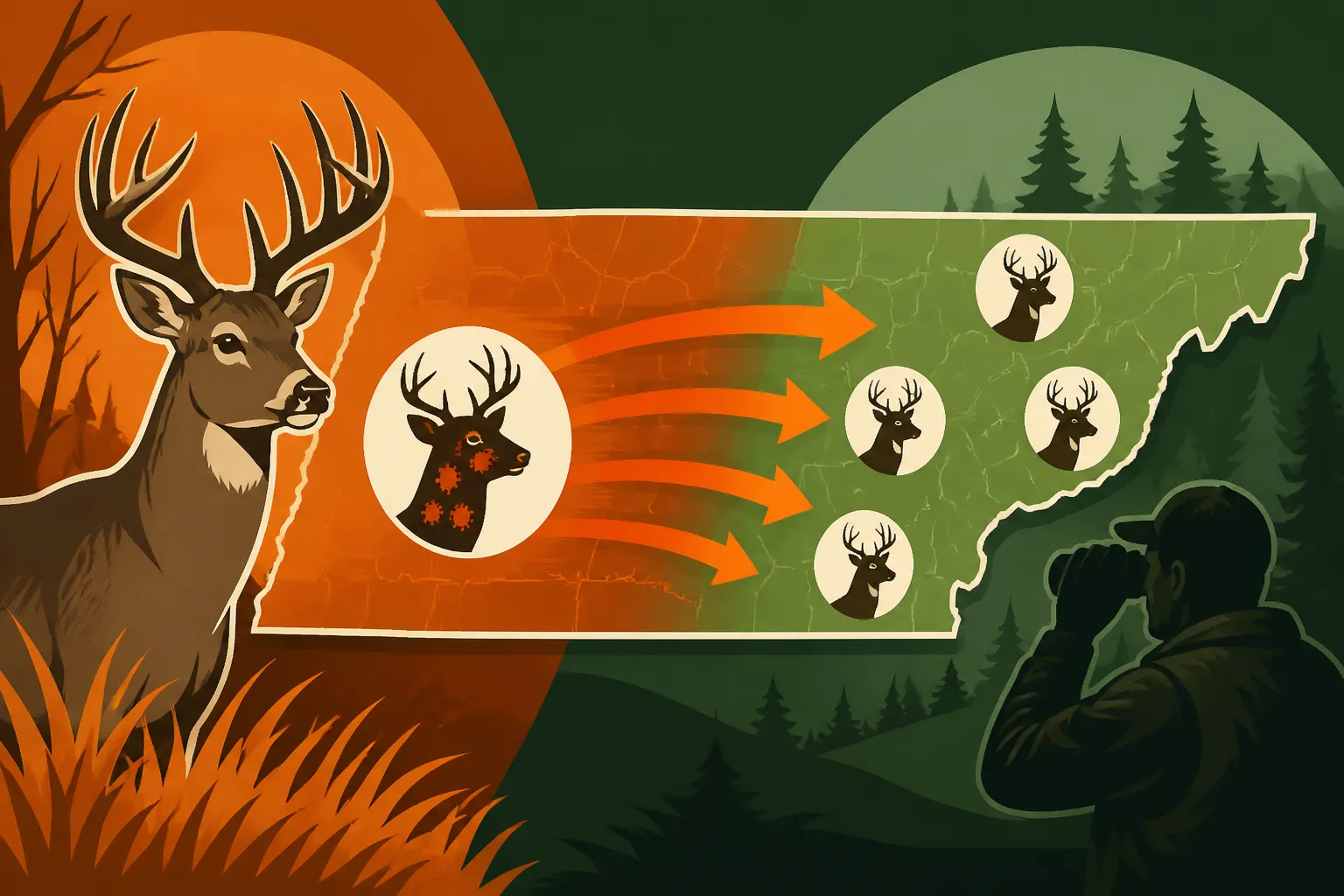
The eastward progression of CWD across Tennessee has been a slow, agonizing process for hunters and wildlife officials. What started in the far west has gradually pushed its way into Middle Tennessee, bringing new challenges and regulations to more and more communities. It's a stark reminder that CWD isn't just a West Tennessee problem anymore.
Identifying Key Counties in the Expansion
After the initial discovery in Hardeman and Fayette, CWD began to appear in a broader swathe of West Tennessee counties, including McNairy, Chester, Madison, and Lauderdale. This was somewhat expected, given the contiguous habitat and deer movement. However, the real alarm bells started ringing when detections were made across the Tennessee River, firmly placing CWD in Middle Tennessee. Key counties like Humphreys, Dickson, and Williamson were among the first to see CWD cases emerge east of the Tennessee River, often catching hunters and residents off guard. More recently, the disease has popped up in counties like Franklin and Giles, pushing the front even further southeast.
This expansion means that more hunters are now dealing with CWD regulations and the emotional toll of the disease. For someone who has spent their entire life Hunting the Cumberland Plateau Ridges, the idea of CWD moving into those traditional hunting grounds is deeply unsettling. The TWRA’s interactive maps, often supplemented by detailed landowner information found on platforms like GoHunt, become invaluable for hunters to stay updated on the latest CWD Management Zone boundaries and county-specific rules. It's not just about knowing where to hunt, but where to be extra vigilant about disease prevention. Keeping track of Tennessee's Twenty-One CWD Counties is an ongoing task for any serious deer hunter in the state.
Geographical Challenges and Mitigation Efforts
Tennessee's diverse geography presents both hurdles and potential advantages in slowing CWD's spread. The Tennessee River, a major waterway, initially served as a natural barrier, but deer eventually crossed it, proving that no geographical feature is truly impenetrable. East of the river, the landscape becomes more varied, with rolling hills, plateaus, and eventually the mountainous terrain of East Tennessee. These more rugged, less densely populated areas might, in theory, slow the spread simply because deer densities are often lower and deer movement might be more localized compared to the agricultural flatlands of West Tennessee.
The TWRA's mitigation efforts are multifaceted and constantly evolving. They include:
- Intensive Surveillance: Continued testing of harvested deer, road-killed deer, and suspect animals to identify new CWD-positive areas quickly.
- CWD Management Zones (CMZ): Establishing specific zones with stricter regulations on carcass movement, baiting, and supplemental feeding.
- Mandatory Testing: In some CWD-positive counties, hunters may be required to submit harvested deer for testing. This is especially critical during Tennessee Gun Season Opening Day when harvest numbers are highest.
- Earn-a-Buck Programs: Initiatives like the Earn-a-Buck CWD Program encourage the harvest of antlerless deer to help reduce overall deer density in infected areas, theoretically reducing deer-to-deer contact.
- Hunter Education: Constant communication and education campaigns aimed at hunters and landowners about CWD risks and responsible practices.
These efforts are a continuous balancing act, trying to slow the disease without alienating the hunting community. It's a monumental task, and the success of these mitigation efforts heavily relies on the cooperation and understanding of every hunter in the state.
Living with CWD: Management and Hunter Responsibility
The reality is that CWD is likely here to stay in Tennessee. While the long-term goal is to contain its spread and minimize its impact, learning to hunt responsibly within a CWD landscape is now a critical part of our hunting heritage. It demands a shift in mindset and a commitment to new practices.
TWRA's Proactive Measures and Zones
The Tennessee Wildlife Resources Agency (TWRA) has been at the forefront of the battle against CWD, implementing a comprehensive strategy designed to manage the disease and protect our deer herd. This isn't a static plan; it's constantly reviewed and adjusted based on new scientific information and the disease's progression. A core component of this strategy is the establishment of Tennessee's Chronic Wasting Disease Management Zone. This zone delineates areas where CWD has been detected or is considered high-risk, and it comes with specific, often stricter, regulations.
Within the CMZ, hunters will encounter:
- Special Carcass Transport Rules: As mentioned, rules about what parts of a deer can be moved out of the zone are strictly enforced. This means planning your hunt and processing thoroughly, knowing that you might need to debone your deer before leaving certain areas.
- Mandatory CWD Testing: In some counties, particularly CWD-positive ones, hunters are required to submit their deer for CWD testing. This data is vital for tracking the disease and understanding its prevalence. TWRA has sampling stations and often uses drop-off sites or even mobile units during peak hunting times, like during Tennessee Muzzleloader Season Tactics. It's an extra step, but a necessary one for the health of the herd.
- Prohibition on Baiting/Feeding: Baiting and supplemental feeding are generally prohibited in CWD-positive counties to prevent deer congregation and reduce transmission risk.
- Increased Antlerless Harvest Opportunities: The TWRA often encourages the harvest of antlerless deer in CWD-positive areas to reduce deer density, which can help slow disease transmission. This might involve additional tags or extended seasons for does, impacting Tennessee Deer Season Structure Explained in specific zones.
These measures are not designed to make hunting harder, but to safeguard the future of hunting in Tennessee. Understanding and adhering to these rules is not just compliance, it's a critical act of conservation.
How Hunters Can Help Slow the Spread
As hunters, we are the front-line conservationists, and our actions have a profound impact on wildlife. When it comes to CWD, our responsibility is greater than ever. Here's how every Tennessee hunter can actively contribute to slowing the spread:
- Get Your Deer Tested: If you hunt in or near a CWD-positive county, please submit your harvested deer for testing. It’s simple, usually free, and provides invaluable data. Knowing the CWD status of the deer you harvest helps the TWRA track the disease and make informed management decisions. You can find information on Submitting a Deer for Tennessee CWD Testing on the TWRA website.
- Adhere to Carcass Transport Rules: Always know the rules for carcass transport when hunting in a CWD Management Zone. Plan to process your deer appropriately before leaving the zone. This might mean field deboning or finding a local processor who understands the regulations. Information like Moving Deboned Venison Out of the CWD Zone is readily available.
- Proper Carcass Disposal: Dispose of high-risk carcass parts (brain, spinal cord, lymph nodes) properly. The best method is to leave them where the deer was harvested, if on private land with landowner permission, or in designated CWD disposal dumpsters provided by the TWRA, usually at checking stations or WMA offices. Never dispose of carcasses in roadside ditches or general landfills outside the CWD zone.
- Avoid Baiting and Supplemental Feeding: While legal in some areas outside the CWD zone, it is strongly discouraged anywhere deer concentrate. In CWD-positive counties, it's illegal. This is a tough one for many, but it's a proven risk factor for CWD transmission.
- Report Sick Deer: If you see a deer acting abnormally – excessively drooling, stumbling, severely emaciated, or showing unusual aggression – contact the TWRA immediately. Early detection of new cases is crucial.
- Stay Informed: The CWD situation is dynamic. Regularly check the TWRA website for the latest regulations, CWD zone updates, and testing locations. Websites like GoHunt or the official Go Outdoors Tennessee app can also be excellent resources for staying up-to-date on boundaries and regulations. Understanding Tennessee Deer Harvest Reporting Rules and deadlines like The Tennessee Deer Reporting Deadline is part of being a responsible hunter.
By taking these steps, you're not just following rules; you're actively participating in the long-term health of Tennessee's deer herd and ensuring that future generations have the opportunity to experience the incredible tradition of deer hunting.
Key CWD Discoveries and Zones in Tennessee
To give you a clearer picture of how CWD has advanced, here's a table summarizing some of the key counties where CWD has been detected and their general timeline of inclusion in a CWD-positive status, based on available TWRA data. Please remember, this is a dynamic situation, and new counties may be added as surveillance continues.
| Region | County | Initial CWD Detection/Inclusion | Notes |
|---|---|---|---|
| West Tennessee | Hardeman | December 2018 | First confirmed cases in TN. |
| West Tennessee | Fayette | December 2018 | First confirmed cases in TN. |
| West Tennessee | McNairy | 2019 | Early expansion in southwestern TN. |
| West Tennessee | Chester | 2019 | Part of the early CWD-positive zone. |
| West Tennessee | Madison | 2020 | Continued spread north within West TN. |
| West Tennessee | Lauderdale | 2020 | Further north, along Mississippi River corridor. |
| Middle Tennessee | Humphreys | 2021 | First cases east of Tennessee River. |
| Middle Tennessee | Dickson | 2021 | Followed Humphreys, significant concern. |
| Middle Tennessee | Williamson | 2022 | Closer to Nashville metro area, surprising many. |
| Middle Tennessee | Franklin | 2023 | Southeastern expansion, bordering Alabama. |
| Middle Tennessee | Giles | 2023 | Southern Middle TN, bordering Alabama. |
This table illustrates the undeniable eastward push of the disease. The detections in Humphreys, Dickson, and Williamson counties, east of the traditional West Tennessee CWD zone, were particularly concerning as they indicated that the Tennessee River was not an impenetrable barrier, and that the disease was actively moving across major drainages. It highlights Why CWD Keeps Spreading East in Tennessee despite mitigation efforts.
Disclaimer
The information provided in this article is for general guidance and informational purposes only and does not constitute legal or professional advice. Hunting regulations, CWD management zones, and testing requirements are subject to change. Always consult the official Tennessee Wildlife Resources Agency (TWRA) website or directly contact TWRA officials for the most current and accurate information before planning any hunting activities in Tennessee.