Muzzleloader Deer Hunting in Tennessee
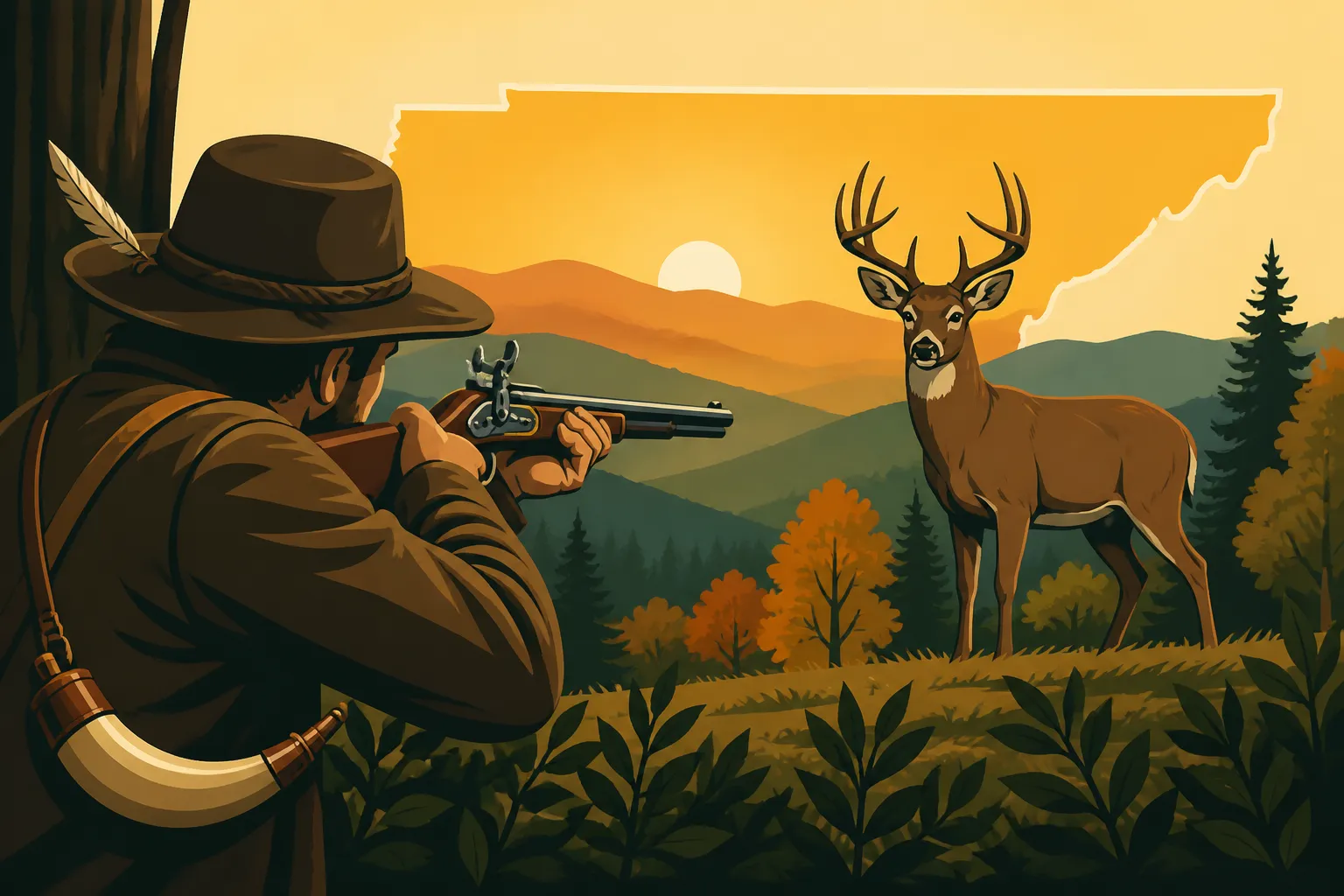
There's nothing quite like the crack of a muzzleloader echoing through the crisp Tennessee woods, but for many hunters, getting a handle on the nuances of this unique season can feel like aiming at a ghost. The special two-week window offers incredible opportunities, yet navigating the specific gear, tactics, and regulations can be confusing, leaving many feeling unprepared. This comprehensive guide will walk you through everything you need to know to make your Tennessee muzzleloader deer hunt a resounding success.
Understanding Tennessee's Muzzleloader Deer Season
The muzzleloader season in Tennessee is a cherished period for many deer hunters, offering a unique blend of challenge and opportunity that bridges the gap between the archery-only and full firearms seasons. It demands a different approach, a slower pace, and a deeper appreciation for the historical roots of hunting. Understanding its structure, what’s considered legal, and how to properly report your harvest is the first step toward success.
When the Muzzleloader Season Falls
Tennessee's muzzleloader season typically carves out a distinct two-week window, usually in mid-to-late November, right after the main archery season has been in full swing and just before or sometimes overlapping with the statewide gun season. This placement is strategic, falling squarely into what many consider the tail end of the rut or the post-rut period, depending on the specific year and region. For specific dates, always consult the current year's TWRA hunting guide, but generally, you can expect this crucial timeframe to begin around the second or third Saturday of November and run for fourteen days. This timing is fantastic because it's often when deer activity is still high from the rut, but the intense hunting pressure of the modern firearm season hasn't fully descended. It's a chance to pursue deer with a firearm during a time of increased movement, often before the woods get truly hammered with hunters. Many hunters view this as a special opportunity, a quieter period in the woods where you might have a bit more solitude compared to the opening weekend of gun season. Getting familiar with these precise dates is critical, and the TWRA website or app is your best friend for this. You'll find the exact dates listed under Tennessee Muzzleloader Season Dates each year.
Legal Muzzleloaders and Ammunition
The term "muzzleloader" itself can sometimes be a bit vague for those new to the game, but Tennessee's regulations are quite clear about what's legal for deer hunting. Essentially, you're looking at firearms loaded from the muzzle, using black powder or a black powder substitute, ignited by a cap or primer. This includes both traditional flintlock and percussion rifles, as well as the more modern in-line muzzleloaders. Scopes are generally permitted during the muzzleloader season, which is a big advantage over the traditional open-sight-only restrictions often found in primitive weapon seasons in other states. However, you absolutely cannot use smokeless powder in a muzzleloader during this season; it must be true black powder (like Goex or Schuetzen) or a legal substitute (such as Pyrodex or Triple Seven). Projectiles are also specific. You can use conical bullets, sabots (a plastic cup holding a smaller bullet), or patched round balls. Each has its pros and cons in terms of accuracy, range, and terminal performance. For example, sabots often offer better ballistic coefficients and accuracy at longer ranges, while heavier conicals deliver a substantial punch at closer distances. Make sure your projectile and powder charge combination is safe and effective for deer. It’s always best to practice extensively with your chosen setup to ensure you’re proficient and confident in its capabilities. For a full breakdown of what firearms are permitted, a look at Tennessee Legal Firearms for Deer Hunting will give you all the details.
Tagging and Reporting Requirements
Just like with any deer harvested in Tennessee, successful muzzleloader hunters must adhere to strict tagging and reporting requirements. Once you've harvested a deer, the first thing you need to do is tag it immediately. Your hunting license bundle will include the necessary tags for deer, and it's imperative that you fill out the tag completely and attach it to the deer before moving it. This isn't just a suggestion; it's a legal requirement that prevents any confusion or potential issues. After tagging, the next crucial step is reporting your harvest to the Tennessee Wildlife Resources Agency (TWRA). This needs to be done by midnight on the day the deer was harvested. The easiest and most common way to report is online through the TWRA website or via their Go Outdoors Tennessee mobile app. You'll need information from your license and the tag, as well as details about the deer itself (sex, antler points if applicable, county of harvest). This reporting system is vital for the TWRA to manage deer populations effectively across the state. Failing to tag or report your deer on time can lead to fines and other legal repercussions, so don't let the excitement of a successful hunt overshadow your responsibilities. All the specifics on how and when to report your deer are detailed in Tennessee Deer Harvest Reporting Rules.
Scouting for Success During the Muzzleloader Window
Success during the Tennessee muzzleloader season isn't just about knowing the regulations; it's heavily dependent on intelligent scouting. Deer behavior shifts throughout the fall, and what worked during early archery might not be effective when the muzzleloader season rolls around. Hunters need to be adaptable, looking for fresh sign and understanding how deer use the landscape in mid-to-late November.
Interpreting Pre-Season Sign for Muzzleloader Hunting
While the muzzleloader season itself is in November, your scouting efforts really should begin much earlier in the year. Those big rubs you found in September, the scrape lines along a logging road, and the defined travel corridors between bedding and feeding areas are all excellent indicators of deer activity. When you're scouting for the muzzleloader season, you're not just looking for deer; you're looking for patterns that persist or emerge as the season progresses. Focus on hard mast crops like white oak acorns, which are often a prime food source throughout October and into November. If it's been a good acorn year, deer will be concentrated where these valuable food sources are abundant. Also, keep an eye out for early signs of winter browse, as acorns eventually run out. This foundational scouting helps you understand the overall deer movement in an area. When you're using a tool like the GoHunt app, you can mark these locations, overlay satellite imagery with topo maps, and start to build a picture of where deer are likely to be even before the season begins. This app can be invaluable for identifying potential hotspots and planning your initial approach to an area. Remember, what you observe in August or September provides the baseline for predicting later activity. A comprehensive approach to Scouting Tennessee Public Land Before Season will always pay dividends, regardless of the weapon you choose.
Adapting Scouting for Mid-Season Pressure
By the time muzzleloader season arrives, deer in many areas have already felt some hunting pressure from the archery season. This means their patterns might shift from the more open, predictable movements of early fall. Deer become more nocturnal, seeking out thicker cover, and utilizing less obvious travel routes. Your mid-season scouting needs to reflect this change. Instead of just looking for old rubs, you'll be keying in on fresh tracks in creek bottoms, new droppings around secondary food sources like honeysuckle or privet (which become more appealing as preferred foods dwindle), and subtle trails leading into dense thermal cover or pine thickets. Look for areas where deer can feel safe—places with escape cover readily available. These might be forgotten corners of public land, small woodlots on private property, or steep, difficult-to-access terrain that other hunters tend to overlook. Consider how deer will move during daylight hours when disturbed; they'll often skirt the edges of open areas or use natural funnels to minimize exposure. The more pressure an area sees, the more critical it becomes to find these overlooked sanctuaries and the less-used travel routes deer employ to get there.
Using Topography to Your Advantage
Tennessee's diverse landscape, from the rolling hills of West Tennessee to the rugged peaks of the Cherokee National Forest, means topography plays a massive role in deer movement. During muzzleloader season, understanding how deer use these features becomes even more critical for anticipating their actions. On the Cumberland Plateau, for instance, deer often travel along ridgelines or use saddles as natural crossing points between drainages. Learning to interpret these features on a topographical map, whether a physical one or through your GoHunt app, can save you countless hours of unproductive walking. Focus on where different terrain features converge: a steep bluff line that forces deer into a narrow creek bottom, a finger ridge that extends into a field, or a saddle that connects two large bedding areas. These "pinch points" or "funnels" are ideal ambush locations. Deer will often bed on south-facing slopes to catch sunlight on cold days or seek shelter on leeward slopes during high winds. By understanding these natural tendencies, you can predict where deer will move and bed, allowing you to position yourself for a high-probability shot. For detailed insights into specific terrain, checking out resources like Reading a Ridge for East Tennessee Deer or Hunting a Funnel Between Two Bottoms can provide valuable localized knowledge.
Stand Placement and Hunting Tactics
Muzzleloader hunting in Tennessee requires a thoughtful approach to stand placement and a diverse set of hunting tactics. The single-shot nature of the muzzleloader, combined with its distinct loading process, means every shot opportunity is precious, and your setup must maximize your chances.
Optimal Stand and Blind Setups
Choosing between a treestand and a ground blind for muzzleloader hunting often comes down to personal preference, the specific terrain, and the hunting pressure of your chosen area. Treestands offer an elevated vantage point, which can be crucial for spotting deer in thick cover and can help carry your scent away. On steeper terrain, climbing sticks and a saddle or hang-on stand can be incredibly effective, allowing you to get into precise positions that offer clear shooting lanes. However, with a muzzleloader, stability is key. A wobbly stand can make precision shooting difficult. Ground blinds, on the other hand, offer excellent concealment and are perfect for hunting field edges or areas with limited suitable trees. They can also provide a more stable shooting rest, which is a significant advantage for a muzzleloader hunter. When setting up either, always consider the prevailing wind direction. Deer rely heavily on their nose, and a misplaced stand can ruin a hunt before it even begins. Plan your entry and exit routes carefully to avoid spooking deer, especially during mid-day movements. Remember, a muzzleloader isn't a quick follow-up shot weapon, so choose a spot that gives you the best chance for that first shot at a vitals-oriented angle. For detailed advice on elevation setups, consider how you might approach Treestand Setups in Cherokee National Forest, and for ground-level strategies, Using a Ground Blind on Tennessee Public Land offers valuable perspectives.
Still-Hunting and Drives with a Muzzleloader
Still-hunting is a highly effective, yet often underutilized, tactic for muzzleloader season in Tennessee. It involves moving slowly and deliberately through the woods, stopping frequently to scan, listen, and glass the terrain. The key is to blend in with your surroundings, move against the wind, and take advantage of any noise created by other natural elements, like a rustling breeze or falling leaves. A muzzleloader, with its inherent limitations, actually lends itself well to still-hunting; it encourages patience and carefully selected shots. You're not looking for a running shot, but rather a stationary deer at a comfortable range. Pay close attention to fresh tracks, droppings, and changes in terrain that might indicate a bedding area. On the Cumberland Plateau, for example, still-hunting along ridgelines, focusing on the shaded sides in the morning and sunny sides in the afternoon, can be highly productive. For those who enjoy a more communal hunt, deer drives can also be successful during muzzleloader season, particularly on larger public land tracts. A well-organized drive, with hunters positioned strategically along escape routes, can push deer past waiting muzzleloader hunters. The slow, methodical pace of the pushers, combined with the patience of the standers, is key. However, safety is paramount, especially when coordinating drives on public land. Learning how to be effective while Still-Hunting Cumberland Plateau Ridges or organizing Deer Drives on Tennessee Public Land can significantly increase your odds.
Calling and Decoying Strategies
Many hunters assume that calling and decoying are only for the peak of the rifle rut or early archery, but they can absolutely work wonders during Tennessee's muzzleloader season. The timing of the muzzleloader hunt often coincides with the post-rut period, where bucks might still be looking for the last estrous does, or does might be receptive to a friendly grunt call. Light grunting can pique a buck's curiosity, drawing him closer for that critical muzzleloader shot. Rattling can also be effective, especially during the early days of the season when some bucks are still actively sparring or reacting to perceived intruders. Start with soft rattles and grunts, increasing intensity only if there's no response. Over-calling can easily spook wary deer.
Decoys, while not as widely used in Tennessee as in some other states, can be a game-changer in the right situations. A single doe decoy, positioned downwind of your setup, can draw a curious buck into range. For highly pressured public land, a decoy might be too risky, but on less pressured private land, it can work wonders. Remember to always position your decoy to offer an ethical shot opportunity to the approaching deer. Be cautious about using buck decoys, as they can sometimes intimidate younger bucks or turn off older, wiser ones. For more specific insights into vocalizations that work in Tennessee, consider refining your skills with Rattling and Grunting in Tennessee. These tactics add an exciting layer to muzzleloader hunting, turning passive waiting into active engagement.
Muzzleloader Gear and Preparation
Hunting with a muzzleloader is a distinct experience, requiring specialized gear and meticulous preparation. Unlike modern firearms, the performance of a muzzleloader is heavily influenced by the shooter's attention to detail, from selecting the right components to maintaining the firearm.
Choosing the Right Muzzleloader and Optics
When it comes to selecting a muzzleloader for Tennessee deer hunting, you essentially have two main categories: traditional and in-line. Traditional muzzleloaders, such as flintlocks or cap-and-ball percussion rifles, offer a classic hunting experience, but they can be more demanding in terms of loading speed and weatherproofing. In-line muzzleloaders, on the other hand, are designed for modern performance, offering faster loading, better ignition, and often superior accuracy. Most in-lines use a 209 shotgun primer for reliable ignition, even in damp conditions. Consider the barrel length; shorter barrels can be handier in thick Tennessee timber, while longer barrels can provide slightly higher velocities and better accuracy at extended ranges. Twist rates also matter, especially when matching a projectile. A faster twist rate (e.g., 1:28 or 1:32) is generally better for stabilizing longer, heavier sabots and conical bullets.
As for optics, Tennessee's muzzleloader season allows scopes, which is a huge advantage. A low-power variable scope (e.g., 2-7x, 3-9x) is often ideal. It provides enough magnification for precise shots at typical muzzleloader ranges (50-150 yards) but keeps the field of view wide enough for quick target acquisition in thick woods. Look for a scope with good light-gathering capabilities, as prime hunting times often occur during dawn and dusk. Some hunters still prefer open sights or peep sights for the added challenge and tradition, but a scope undoubtedly enhances accuracy, especially in low light or at longer distances. For a deeper dive into choosing your firearm, exploring Muzzleloaders for a Tennessee November can provide context, while insights on Optics for Cumberland Plateau Ridges will guide your scope selection for varied terrain.
Powder, Primers, and Projectiles
The heart of muzzleloader performance lies in the careful selection and combination of your powder, primers, and projectiles. For powder, you'll be using either true black powder (e.g., Goex FFFg or FFg) or a black powder substitute. Substitutes like Pyrodex (P or RS grades) and Triple Seven (FFg or FFFg) are popular because they are less corrosive and easier to clean. Always consult your muzzleloader's manual for recommended powder types and maximum charges. Consistency in your powder charge is paramount for accuracy, so using a reliable volumetric measure is essential.
Primers are the ignition source. Most modern in-line muzzleloaders use 209 shotgun primers, which provide a hot, reliable spark. Some traditional or older in-lines might use musket caps or #11 percussion caps. Ensure your primers are fresh and stored in a dry environment. Projectile choice significantly impacts accuracy and terminal performance. Sabots, which are plastic sleeves holding a smaller, typically jacketed, bullet (like a .45 caliber bullet in a .50 caliber sabot), are known for their accuracy and flatter trajectory. Popular choices include Barnes Spit-Fire T-EZ, Hornady SST, or Traditions Smackdown. Conical bullets, such as PowerBelt bullets or heavier lead conicals, offer substantial knockdown power, especially on close-range shots, and don't require a sabot. Patched round balls are typically reserved for traditionalists and offer excellent accuracy at shorter ranges with lighter recoil. The key is to experiment with different combinations to find what shoots best out of your muzzleloader. Remember, what works for one gun might not work for another.
Essential Accessories and Field Kit
A successful muzzleloader hunt isn't just about the gun; it's also about having the right accessories and a well-stocked field kit. First and foremost, a cleaning kit is crucial. Unlike modern rifles, muzzleloaders need to be cleaned after every few shots at the range and thoroughly after each hunt, especially if using corrosive black powder. This means cleaning patches, a bore brush, a bore solvent (specific for black powder), and bore butter or oil for protection. For loading in the field, speed loaders pre-charged with powder and a projectile are indispensable. They allow for quick, efficient reloading if you get a second shot opportunity or miss your first. A capper/de-capper tool is also handy, especially for percussion caps.
Weatherproofing is another major consideration. Carry your primers in a waterproof container, and consider covering your muzzle with electrical tape or a specialized muzzle cover to keep moisture out. A reliable powder measure is essential for consistent charges, and a short ramrod extension can make loading easier in awkward positions. Beyond the muzzleloader-specific items, don't forget general hunting essentials. A good pair of binoculars, a rangefinder (to confirm ethical shooting distances), a reliable knife, a compass or GPS (like the GoHunt app on your phone, loaded with offline maps), and appropriate layered clothing for Tennessee's unpredictable November weather are all critical. Think about what you'd need if you had to spend an unexpected night in the woods.
Navigating Weather and Terrain Challenges
Tennessee's hunting season, particularly the muzzleloader window in late fall, presents its own set of environmental challenges. From unpredictable weather shifts to diverse and demanding terrain, being prepared for anything is key to a successful hunt.
Hunting in Cold and Wet Conditions
Tennessee's November weather can be incredibly fickle, swinging from mild, sunny days to bone-chilling rain or even an unexpected dusting of snow. Hunting in cold and wet conditions with a muzzleloader requires specific preparation to ensure both your comfort and the reliability of your firearm. The biggest concern for muzzleloaders in damp weather is keeping your powder and primer dry. Moisture can easily compromise the ignition. Many hunters use a piece of electrical tape over the muzzle and a small balloon or piece of tape over the percussion cap or primer pocket to create a waterproof seal. Always carry extra, dry primers in a waterproof container. For yourself, layering is the name of the game. Start with a moisture-wicking base layer, add insulating layers like fleece or wool, and top it with a waterproof and windproof outer shell. Wool is a fantastic choice for insulation because it retains its warmth even when wet. Good quality, insulated, waterproof boots are non-negotiable for keeping your feet warm and dry, especially when sitting for extended periods. Hand warmers can be a lifesaver on particularly frigid days, allowing you to maintain dexterity for loading and shooting. Keeping your core warm and dry is paramount to staying comfortable and focused on the hunt. For more tips on enduring the chill, check out Cold-Weather Sitting Strategy in Tennessee.
Tackling Steep Ridges and River Bottoms
From the steep, rocky slopes of East Tennessee's Cherokee National Forest to the sprawling, often wet river bottoms of West Tennessee, the state's diverse terrain offers unique challenges for muzzleloader hunters. Each requires a different approach. When hunting steep ridges, safety should be your top priority. Use sturdy climbing stands or saddle hunt setups, always wearing a full-body harness. Moving quietly up and down these slopes can be exhausting, so plan your routes to conserve energy. Deer often travel along the benches and secondary ridges, or use saddles as natural crossings. Hunting the downwind side of these features can be highly effective. Recovering a deer from a steep hollow or a rugged hillside can be incredibly difficult, so try to position yourself for shots that allow for easier retrieval.
In contrast, hunting Tennessee river bottoms presents a different set of obstacles, primarily water and thick vegetation. These areas, particularly in West Tennessee, are known for holding big deer, but they can be swampy, requiring waterproof boots or waders. Look for higher ground, subtle elevation changes, or natural funnels created by sloughs and oxbow lakes. Deer will often use these elevated "islands" or narrow strips of dry land as bedding or travel corridors. Wind and thermals behave differently in bottomlands due to the denser tree cover and water, so pay close attention. Adapting your strategy for these distinct landscapes is crucial for success. For specific guidance, the articles on Hunting West Tennessee River Bottoms and Recovering a Deer From a Steep Hollow can be incredibly helpful.
Dealing with Hunting Pressure
As the deer season progresses into the muzzleloader segment, hunting pressure can become a significant factor, especially on public lands. Deer quickly learn to avoid areas with heavy human activity, becoming more nocturnal or retreating to dense, inaccessible cover. To combat this, smart hunters often employ tactics to find ground that other hunters walk past. This could mean walking an extra mile or two deeper into public land, crossing a creek that most hunters avoid, or targeting thickets and swamps that appear impenetrable. Look for "island" pockets of cover surrounded by more open woods. Deer will often utilize these overlooked sanctuaries during the day.
Another strategy is to identify areas that offer good cover adjacent to private land where hunting pressure might be lower. Deer will often stage in public land cover before slipping onto private food sources at night, and then return to public cover at first light. Focus your efforts during these transition periods. Using a mapping app like GoHunt can help you identify property lines and potential staging areas near private parcels. Understanding Hunting Pressure on Tennessee Public Land and learning techniques for Finding Ground Others Walk Past are essential skills for any muzzleloader hunter seeking solitude and success during this challenging, yet rewarding, time of year.
Post-Harvest Considerations and Meat Care
The moment of truth arrives, and you've successfully harvested a deer with your muzzleloader. The work, however, isn't over. Proper tracking, efficient field dressing, safe transport, and adherence to CWD regulations are just as critical as the hunt itself.
Tracking and Recovery
Tracking a deer hit with a muzzleloader can sometimes be a bit different from tracking one shot with a high-velocity rifle. While modern muzzleloader projectiles can be highly effective, the slower velocity compared to centerfire rifles means there might be less hydrostatic shock and potentially a delayed reaction from the deer. It's often wise to wait a bit longer before tracking—at least 30 minutes for a suspected good hit, and several hours (or overnight if necessary) for a questionable hit, especially if it's not raining. When you begin tracking, move slowly and methodically. Look for specks of blood, disturbed leaves, broken twigs, and scuff marks on the ground. Mark your last known blood sign with flagging tape so you can always return to it. Pay attention to the type of blood (bright red and frothy for a lung hit, dark red for liver, watery for muscle). If the blood trail peters out, expand your search in circles or grids around the last sign. Deer often go downhill, to water, or to the thickest cover when wounded. If you find yourself struggling, don't hesitate to call on experienced friends or even consider a trained tracking dog if legal and available in your area. For more detailed methods on following a trail, consult Tracking a Deer Through Tennessee Leaf Litter and for those challenging low-light situations, Blood Trailing After Dark in Tennessee.
Field Dressing and Transport
Once you've recovered your deer, prompt field dressing is crucial, especially if temperatures are mild. The goal is to cool the carcass as quickly as possible to prevent spoilage and ensure high-quality venison. Make a clean incision from the breastbone to the pelvis, carefully cutting around the anus, and remove all internal organs. If you're on public land, bury or scatter the entrails away from trails and water sources. If the weather is warm, consider quartering the deer in the field or at least propping the cavity open with a stick to allow air circulation.
Transporting a deer out of the woods can be the hardest part of the hunt, especially on rugged Tennessee terrain. For single hunters on steep ground, a deer drag or sled can be invaluable. If you have a partner or two, using a deer cart on logging roads or flatter trails can save a lot of muscle strain. For truly remote areas, or if you're dealing with a very large deer and warm weather, boning out the meat in the field is often the most practical solution. Place the deboned meat into clean game bags, which allow the meat to breathe while protecting it from dirt and insects, then pack it out in a sturdy backpack. Always plan your extraction route before you head out, and factor in the additional effort of moving a harvested deer. Specific advice on Field Dressing a Deer in Cold Weather and methods for Dragging a Deer Out of a Steep Hollow will serve you well.
CWD Zone Compliance
Chronic Wasting Disease (CWD) is a serious concern for Tennessee's deer herd, and hunters play a critical role in monitoring and preventing its spread. If you are hunting in one of Tennessee's CWD management zones, there are specific regulations you must follow regarding carcass movement and mandatory testing. Currently, Tennessee has several counties designated as CWD-positive or CWD-high-risk areas, particularly in West Tennessee, but the zone has been expanding eastward. Before you head to your hunting spot, always check the latest TWRA regulations to see if your county falls within a CWD zone.
In CWD zones, strict rules often apply to the transport of deer carcasses. Typically, only certain parts of a harvested deer can be moved out of the CWD zone: deboned meat, antlers (with no brain tissue attached), hides (without the head), and clean skulls. The brain and spinal cord are high-risk tissues, and their movement is heavily restricted. Many CWD zones also have mandatory or voluntary testing requirements. You might be required to take your deer to a designated CWD sampling station for tissue collection. This helps the TWRA track the prevalence and spread of the disease. Failing to comply with CWD regulations carries significant penalties and could jeopardize the health of deer herds statewide. Always be informed and responsible. For the most up-to-date information, review Tennessee's Chronic Wasting Disease Management Zone and understand the specifics of Deboning Venison Before Leaving the CWD Zone to ensure you comply with all regulations.
Muzzleloader Hunting Table: Projectile & Powder Comparison
Choosing the right components for your muzzleloader can feel overwhelming with all the options available. This table offers a quick comparison of common projectile and powder types, highlighting their typical characteristics to help you make informed decisions for your Tennessee hunt.
| Projectile Type | Description | Key Characteristics | Best For | Considerations |
|---|---|---|---|---|
| Sabots | Jacketed bullet encased in a plastic sleeve (e.g., .45 cal in .50 cal) | Excellent accuracy, flatter trajectory, good expansion. | Longer shots (75-150+ yards), open terrain. | More expensive, require matching to bore size, can foul barrel. |
| Conical Bullets | Solid lead or copper bullet, often grooved (e.g., PowerBelt, Maxi-Ball) | Heavy hitting, good knockdown power, simpler loading. | Shorter to medium range (50-100 yards), dense cover. | Can be less aerodynamic, may require specific twist rate. |
| Patched Round Balls | Spherical lead ball wrapped in a lubricated cloth patch | Traditional feel, simple design, good accuracy at close range. | Short range (under 75 yards), traditional hunting. | Low ballistic coefficient, limited range, lighter impact. |
| Black Powder (FFg/FFFg) | Traditional granular powder (e.g., Goex) | Consistent ignition, classic smoke cloud. | Any muzzleloader type. | Corrosive (requires immediate cleaning), sensitive to moisture. |
| Pyrodex (P/RS) | Black powder substitute | Less corrosive than black powder, good performance. | Modern in-lines and traditional. | Still mildly corrosive, sensitive to moisture, different loading data. |
| Triple Seven (FFg/FFFg) | Black powder substitute | Non-corrosive, clean burning, high velocity. | Modern in-lines, generally not for traditional. | Can generate higher pressures, requires careful loading, hygroscopic. |
Always consult your muzzleloader's owner's manual for recommended powder charges and compatible projectiles.
Disclaimer
Hunting is a regulated activity. All information provided here is for educational purposes and is based on general Tennessee hunting regulations and best practices. It is the individual hunter's responsibility to review and comply with all current Tennessee Wildlife Resources Agency (TWRA) regulations, seasons, bag limits, and licensing requirements before participating in any hunting activity. Regulations can change annually and may vary by specific Wildlife Management Area (WMA) or county. Always prioritize safety and ethical hunting practices.