Tennessee Timber Rattlesnake Range
There's a certain thrill to hunting in Tennessee, but let's be honest, sharing the woods with creatures that can deliver a painful, venomous bite is a concern for many of us. Stepping out into prime deer or turkey country, especially in the more rugged parts of the state, you're entering the territory of the timber rattlesnake. This guide will help you understand where these impressive reptiles live, how they behave, and what you can do to stay safe and confident while pursuing your passion in Tennessee's beautiful, wild places.
The Timber Rattlesnake's Preferred Habitats in Tennessee
The timber rattlesnake (Crotalus horridus) isn't just any snake; it's a true symbol of the wild, and its presence often indicates a healthy, undisturbed ecosystem. These aren't creatures of manicured lawns or suburban backyards. Instead, they seek out specific environments that provide the perfect blend of cover, prey, and suitable sites for denning and gestation. Understanding these preferences is your first line of defense as a hunter.
In Tennessee, you'll find timber rattlesnakes primarily in heavily forested, often rugged terrain. They thrive in mature deciduous and mixed hardwood forests, especially those with an abundance of rocky outcrops, bluffs, and talus slopes. These rocky features are crucial for them. They use crevices and caves as overwintering dens, where they gather in communal groups to escape the freezing temperatures. Imagine a south-facing bluff line, catching the morning sun, with layers of rock and a thick canopy overhead – that's prime rattlesnake real estate. They also appreciate dense undergrowth and fallen timber, which offer excellent camouflage and ambush points for their prey, primarily small mammals like mice, voles, and rabbits, as well as birds.
While they appreciate proximity to water sources for drinking and hunting, they aren't typically found in water or in overly damp, boggy areas. Instead, think of the dryer, well-drained slopes leading down to a creek or river. These edges can be fantastic habitat, offering diverse prey and different temperatures. When you're Finding Sign in Big Cherokee Forest Timber or traversing the deep woods, keep these habitat clues in mind. The ideal rattlesnake environment offers a buffet of small game and plenty of places to hide, bask, and retreat from threats.
Geographical Strongholds: Where Hunters Should Be Most Vigilant
Knowing the general habitat is one thing, but pinpointing specific regions in Tennessee where timber rattlesnakes are most prevalent can significantly boost your awareness. While they have a scattered presence across much of the state, some areas are definitely considered their strongholds. These are the places where every step, every log you cross, and every rock you grab demands an extra layer of caution.
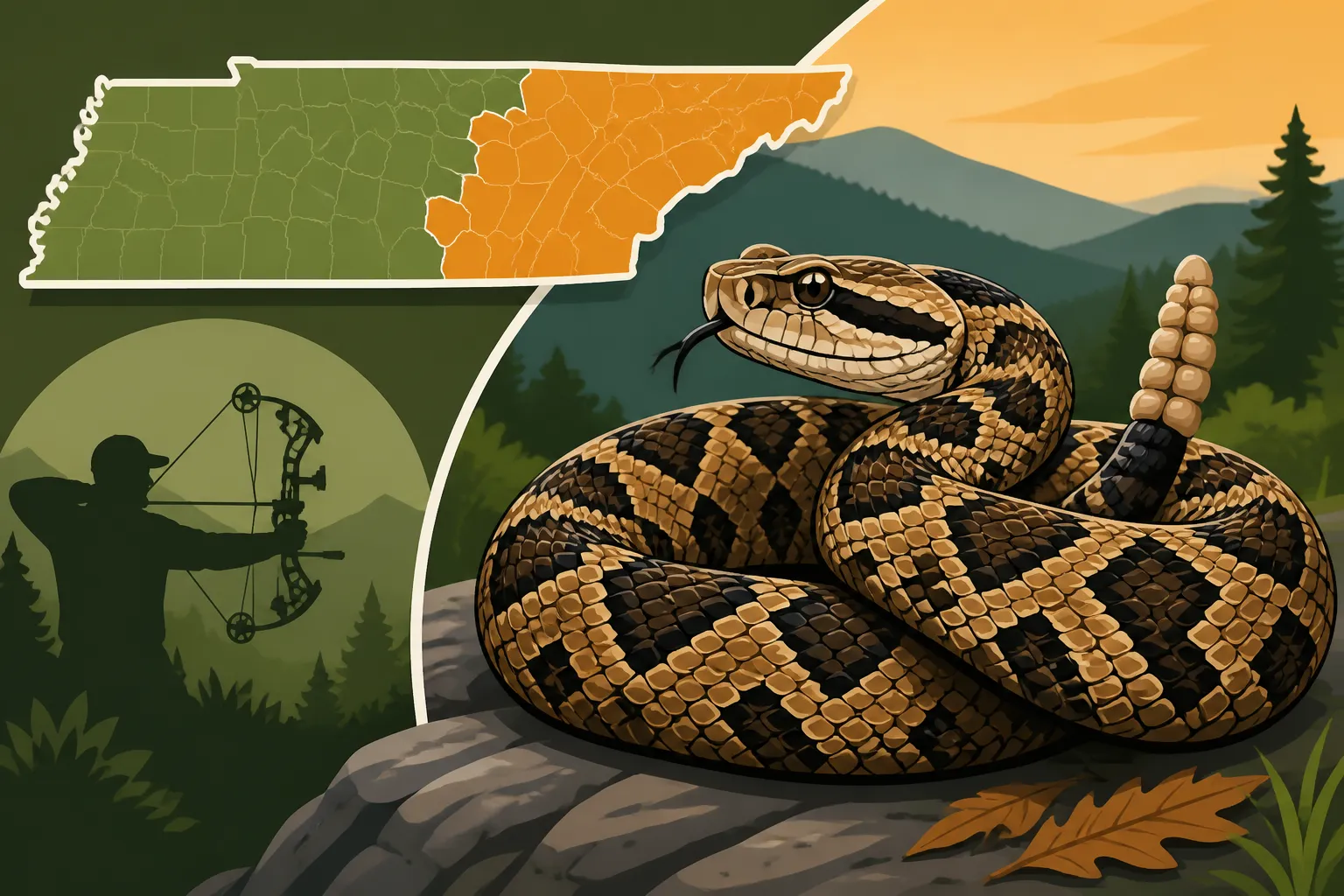
The primary stronghold for timber rattlesnakes in Tennessee is undoubtedly the mountainous and hilly terrain of East Tennessee. This includes vast expanses of the Cherokee National Forest and the rugged, deeply dissected landscapes of the Cumberland Plateau. Within these regions, look for areas characterized by high elevations, steep, rocky slopes, and dense forest cover. South-facing slopes are particularly attractive for them, as they warm up faster in the spring and retain heat longer into the fall, providing essential basking sites. When you're Hunting the Cumberland Plateau or engaged in Cherokee National Forest Hunting, you are truly in rattlesnake country, and you should act accordingly.
While less common, timber rattlesnakes can also be found in certain parts of Middle Tennessee, particularly along the Highland Rim and in isolated, rocky pockets within some Wildlife Management Areas. These are generally areas with similar habitat characteristics – rocky, forested hills, and undisturbed timberlands. However, as you move west into the flatter, more agricultural plains of West Tennessee, their presence becomes significantly less frequent, though not entirely absent. Along river breaks, bluffs, and large, intact bottomland hardwood forests, they might still be found in smaller, more fragmented populations. For hunters using tools like GoHunt, overlaying topographic maps to identify these specific rocky, south-facing slopes or extensive timber blocks within public land parcels can be an invaluable scouting technique to predict potential snake habitat. It's about being informed, not about staying home.
Seasonal Activity and Minimizing Risk While Afield
Timber rattlesnakes aren't active year-round; their behavior is heavily dictated by temperature and season. Understanding their annual cycle can help you gauge your risk and adjust your hunting tactics accordingly. It's not about being afraid, but about being smart and respectful of the wildlife sharing the woods with you.
As the warmth returns in spring, typically from late March through May, timber rattlesnakes emerge from their overwintering dens. This is a critical time for vigilance. They'll often bask on sunny rocks or logs near these dens, trying to raise their body temperature after a long winter. During this period, their movements might be somewhat restricted to the denning area, but as temperatures continue to rise, they disperse to their summer foraging grounds. This dispersal can continue well into early summer. When you're out Spring Turkey Hunting in Tennessee, especially on warmer days, you need to be acutely aware of your surroundings, particularly if you're hunting in known rocky areas.
Summer, from June through August, sees rattlesnakes spread out across their home range, actively hunting and breeding. They are most active during cooler parts of the day, such as early morning and late afternoon, and sometimes even at night during hot spells. While they are more dispersed, the chances of encountering one are still present. As fall approaches, from September into October, their activity often increases again as they begin to move back towards their communal dens for overwintering. This "denning up" period can see them concentrated again, making vigilance essential, especially if you're scouting for deer sign or chasing turkeys in the fall. During colder periods or after a significant cold front, their activity drops off dramatically. Knowing this seasonality helps inform when and where you might need to be extra cautious.
Minimizing risk in rattlesnake country comes down to a few key habits. First and foremost, always watch where you place your hands and feet. This sounds obvious, but when you're focused on a deer trail or Reading a Ridge for East Tennessee Deer, it's easy to get tunnel vision. Never step over a log; step on it first, giving you a chance to see what's on the other side. Use a walking stick or your bow to probe dense leaf litter or brush before stepping into it. Always wear appropriate footwear; sturdy, high-top leather boots are a must in these environments. Check out our guide on Boots for Tennessee Hollows and Creek Bottoms for more details on suitable footwear. Before sitting down to rest or set up a ground blind, thoroughly check the area around you. Being prepared with a quality First Aid Kits for Remote Cherokee Forest Ground is also a crucial part of hunting safely in any backcountry setting.
Understanding and Avoiding Encounters with Timber Rattlesnakes
Encounters with timber rattlesnakes are often startling, but rarely aggressive if you give them space. These snakes are generally shy and prefer to avoid confrontation. Their primary defense is their incredible camouflage, allowing them to blend seamlessly into leaf litter, fallen timber, and rocky environments. Many bites occur because a person didn't see the snake and accidentally stepped too close or even on it.
The iconic rattle is their warning system, but don't count on always hearing it. A snake might be cold, in dense cover, or simply choose not to rattle if it feels completely concealed. If you do hear that distinctive buzzing, freeze immediately. Try to locate the snake without moving towards it. Once you've spotted it, slowly and calmly back away, maintaining a safe distance. Never, ever attempt to harass, pick up, or kill a timber rattlesnake. This is when most bites happen, and it's simply not worth the risk. Respect their space, and they will almost always grant you yours. Tools like the GoHunt app, with its detailed mapping capabilities, can help you visualize the terrain and identify areas prone to rocky outcrops or dense timber where snakes might be present, allowing you to approach with heightened awareness.
Should the unfortunate happen and you or a hunting partner get bitten, staying calm is paramount. While timber rattlesnake venom is potent, bites are rarely fatal, especially with prompt medical attention. The immediate steps are to move away from the snake, keep the bitten limb as still as possible and below the level of the heart, and seek medical help immediately. Do not attempt to cut the wound, apply a tourniquet, or try to suck out the venom – these methods are generally ineffective and can cause more harm than good. Focus on getting to a medical facility. When you're engaged in physically demanding activities like Still-Hunting Cumberland Plateau Ridges, maintaining awareness of these risks is just part of the overall outdoor experience. We share the woods with incredible wildlife, and a little knowledge goes a long way in ensuring everyone, including the timber rattlesnake, can thrive safely.
| Region of Tennessee | Common Habitat | Likelihood of Encounter (Hunter's Perspective) |
|---|---|---|
| East TN Mountains | Dense hardwoods, rocky bluffs, south-facing slopes, mature timber, forest gaps, talus slopes | High, especially in specific terrain |
| Cumberland Plateau | Rugged terrain, sandstone cliffs, forested creek drainages, deep hollows, mixed oak-hickory forests | High, particularly around rock features |
| Highland Rim (Middle TN) | Isolated rocky ridges, forested creek drainages, old growth timber, cedar glades with rock outcrops | Moderate, localized to specific pockets |
| West TN River Bottoms | River bluffs, large, intact bottomland hardwood forests, forested levee systems | Low, but possible along river breaks |
| Agricultural/Urbanized Areas | Highly fragmented habitat, open fields, suburbs | Very Low to None, generally unsuitable habitat |
Disclaimer
This article is for general informational purposes only and does not constitute professional advice. Laws, prices and regulations vary by location and change over time. Consult a qualified professional for guidance on your specific situation.