Tennessee’s Recovering Bobcat Population
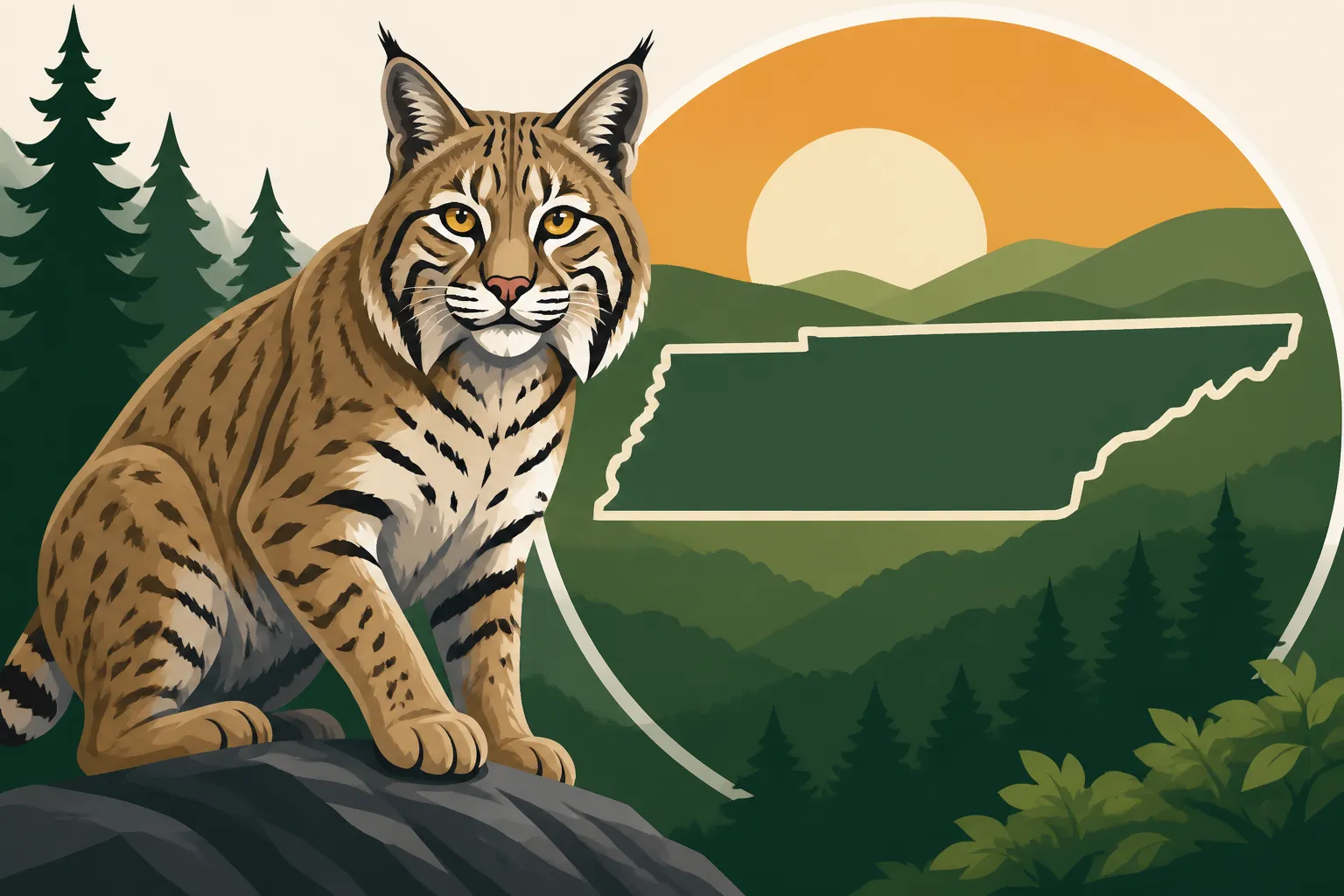
For many years, the elusive bobcat was a ghost in the Tennessee woods, a creature whispered about but rarely seen, its numbers impacted by historical pressures and habitat changes. It's a real frustration when you hear stories of game populations from past generations and wonder if those opportunities are gone forever. This guide dives deep into the remarkable comeback of Tennessee's bobcat population, exploring their history, current status, prime habitats, and what it means for the future of wildlife management and ethical hunting in our beautiful state.
The Historical Arc of Tennessee's Bobcats
It's easy to look at a healthy bobcat population today and forget the struggles these animals faced not so long ago. Their story in Tennessee is a fascinating journey from perceived nuisance to cherished native species, a testament to the resilience of nature and the evolution of conservation efforts.
Early Perceptions and Predator Control
Back in the day, the perception of predators like bobcats was starkly different. They weren't seen as integral parts of the ecosystem but often as threats to livestock and game animals. Farmers and early settlers, trying to eke out a living, naturally viewed anything that preyed on their chickens or young calves as a problem. This perspective often led to widespread predator control programs, including bounties, which significantly impacted bobcat numbers. Trappers and hunters were encouraged to remove them, leading to a steady decline in various parts of the state. It was a utilitarian approach, born of necessity and a lack of scientific understanding about ecological balance. The bobcat, with its secretive nature, was particularly vulnerable to these pressures, its reclusive habits offering little protection against determined efforts to reduce its presence.
A Species on the Brink: The Mid-20th Century
As the 20th century progressed, the bobcat population in Tennessee, much like in many other states, hit a low point. It wasn't just direct predator control; it was a perfect storm of factors. Expansive deforestation for agriculture and timber, coupled with increasing human encroachment, fragmented their preferred habitats. Bobcats thrive in areas with dense undergrowth, rocky outcroppings, and thick woods where they can hunt and hide. As these landscapes were cleared and developed, the places bobcats could call home became fewer and farther between. The widespread use of pesticides and a decline in their prey base in some areas further exacerbated the problem. It created a situation where many Tennesseans might go their entire lives without ever catching a glimpse of this beautiful feline, a true sign of a species struggling to survive.
The Turning Tide: Protective Measures and Rebound
Fortunately, perspectives began to shift. As ecological understanding grew, so did the appreciation for the role of apex and mesopredators in maintaining healthy ecosystems. Conservation efforts gained traction, and the Tennessee Wildlife Resources Agency (TWRA) began implementing more protective measures. Bounties were abolished, and regulations were put in place to manage harvest rates. More importantly, large tracts of land, like the Cherokee National Forest, were protected and managed for wildlife, providing crucial habitat for bobcats and their prey. The species proved incredibly adaptable, taking advantage of these new protections and recovering at a remarkable rate. The return of dense forest cover, especially in the state's eastern and central regions, provided the ideal conditions for a bobcat resurgence, turning the tide from decline to a vibrant comeback.
Understanding the Modern Tennessee Bobcat Population
Today, if you're out scouting for deer or turkeys in a secluded hollow, don't be surprised if you catch a fleeting glimpse of a bobcat. Their presence is a strong indicator of a healthy, diverse ecosystem. Understanding their current status and habits is key to appreciating their role in Tennessee's wild places.
Current Population Estimates and Trends
While exact numbers for such an elusive creature are always challenging to pin down, all signs point to a robust and expanding bobcat population across Tennessee. The TWRA continually monitors furbearer populations through various methods, including harvest reports from trappers and hunters, roadkill data, and even incidental sightings reported by the public. These indicators suggest that bobcats are thriving, occupying virtually every county in the state. They've shown a remarkable ability to adapt to diverse landscapes, from the rugged mountains of East Tennessee to the agricultural fringes of West Tennessee. The trend over the last few decades has been one of steady growth, indicating that current management strategies are effective in maintaining a healthy and sustainable population. This recovery is a significant win for biodiversity in the Volunteer State.
Habitat Preferences Across the Volunteer State
Bobcats are incredibly adaptable, but they do have a "type" when it comes to habitat: thick, dense cover. Think broken country, rocky bluffs, thickets, swamps, and mature forests with a good understory. This preference provides them with ample hunting opportunities and crucial concealment from both prey and potential threats. In East Tennessee, you'll find them roaming the steep, wooded hillsides and dense rhododendron thickets of areas like the Cherokee National Forest Hunting, utilizing the rugged topography to their advantage. The Cumberland Plateau, with its vast timberlands, deep hollows, and sandstone cliffs, offers an ideal mosaic of habitat, allowing bobcats to flourish. You can learn more about hunting tactics in this region by reading up on Hunting the Cumberland Plateau. Even in West Tennessee, where agriculture dominates, bobcats thrive along the wooded creek bottoms, river corridors, and dense fencerows that break up the open fields. These areas, particularly the Hunting West Tennessee Bottomland, provide linear cover and excellent prey concentrations.
Diet and Ecological Role in Tennessee's Ecosystem
As efficient and opportunistic predators, bobcats play a crucial role in maintaining the balance of Tennessee's ecosystems. Their diet primarily consists of small mammals, particularly rabbits and rodents like mice and voles. If you've ever scouted a good squirrel woods or a dense rabbitat, you've likely seen prime bobcat hunting grounds. They'll also readily prey on birds, especially ground-nesting species, and snakes. During certain times of the year, particularly in spring, deer fawns can become a significant food source. This helps naturally regulate deer populations, especially in areas with high densities, contributing to the overall health of the herd. By controlling populations of smaller prey, bobcats help prevent overgrazing or disease outbreaks that can spread quickly through rodent populations. They are a natural, effective form of pest control, often unseen but always working in the background to keep the wild places of Tennessee humming.
Where Bobcats Are Rebounding Strongest
While bobcats can be found almost anywhere in Tennessee where there's adequate cover and food, certain regions stand out as true strongholds. These are the places where their recovery story is most evident and where you're most likely to encounter one.
East Tennessee's Mountainous Strongholds
The mountains of East Tennessee, particularly the sprawling lands of the Cherokee National Forest, provide an almost ideal environment for bobcats. The rugged terrain, characterized by steep slopes, dense hardwoods, and thick rhododendron and mountain laurel thickets, offers an abundance of cover for hunting and denning. These expansive, undisturbed tracts of wilderness mean less human disturbance and more natural prey. Small game thrives in these forests, providing a steady food source. The broken topography also limits larger predator competition in some areas, allowing bobcats to dominate their niche. Hunters often report seeing tracks or hearing calls in the remote corners of the Unaka and Ocoee-Hiwassee units, a testament to the health of the population there. These mountainous regions are truly critical to the bobcat's thriving presence in Tennessee.
The Cumberland Plateau: A Mix of Cover and Prey
Stretching across central Tennessee, the Cumberland Plateau is another premier habitat for bobcats. This elevated, rugged tableland features a diverse landscape of mixed hardwood forests, pine plantations, deep river gorges, and scattered agricultural clearings. This varied topography creates an incredible mosaic of edge habitat that bobcats absolutely love. They can utilize the dense timber for cover and travel, then sneak along the edges of small fields or clear-cuts to ambush prey. The numerous rock outcroppings and small caves provide ideal den sites and refuge. Public lands on the Plateau, such as Catoosa Wildlife Management Area or Royal Blue Wildlife Management Area, are perfect examples of prime bobcat territory, where hunters and trappers regularly encounter signs of their presence. If you're looking for signs of deer, you're likely to find signs of bobcats as well, as they often share the same dense, secluded areas. Finding a good spot often involves Reading Aerial Photos for Cumberland Plateau Deer and applying that same logic to bobcat habitat.
West Tennessee's River Bottoms and Agricultural Edges
While East Tennessee has its mountains and the Plateau its ridges, West Tennessee offers a different but equally effective landscape for bobcats: the dense river bottoms and the productive edges of its vast agricultural fields. Along major waterways like the Tennessee River and the Mississippi River, you find expansive bottomland hardwoods, cypress swamps, and thick cane breaks. This dense, often wet cover provides incredible concealment and a rich prey base of rabbits, waterfowl, and rodents. Even in areas dominated by row crops, bobcats adapt by living along the wooded fencerows, drainages, and small woodlots that dissect the farmland. These linear habitats act as highways for them, allowing them to move between feeding areas without being exposed. They become incredibly skilled at hunting the abundant rodents and rabbits that thrive on the fringes of corn and soybean fields. It’s a testament to their adaptability that they can find success in such different environments compared to their mountain cousins.
Challenges and Management of Tennessee's Bobcats
Even with a thriving population, bobcats are subject to ongoing management efforts. Wildlife agencies like TWRA work tirelessly to ensure that populations remain healthy and sustainable, while also addressing the occasional challenges that arise from their presence in a diverse landscape.
Balancing Hunting and Conservation
One of the cornerstones of successful wildlife management in Tennessee is the careful balance between sustainable harvest and long-term conservation. Bobcats are classified as a furbearer in Tennessee, meaning they can be legally hunted and trapped during specific seasons, under strict regulations. These regulations, which include season dates and bag limits, are meticulously set by the TWRA based on population data and research. The goal isn't to reduce their numbers indiscriminately, but to allow for a managed harvest that doesn't negatively impact the overall health and growth of the population. For many, hunting or trapping bobcats is a tradition, and it provides valuable data for biologists, helping them monitor trends and adjust future regulations. It's a way for hunters to directly contribute to the conservation cycle, similar to how Predator and Furbearer Hunting in Tennessee contributes to broader wildlife management goals.
Human-Bobcat Interactions and Perceptions
While bobcats are shy and generally avoid humans, their recovering numbers mean encounters, though rare, can happen. Most of the time, a bobcat will see or hear you long before you ever know they are there. They are masters of stealth. However, as they expand into more suburban fringes, there can be isolated instances of bobcats preying on outdoor cats or small livestock, leading to concern. It's important to remember that these are wild animals acting on instinct. Education is key to managing human perception, dispelling myths, and understanding that a bobcat's presence is a sign of a healthy ecosystem, not a direct threat to public safety. Simple measures like securing pet food, keeping pets indoors at night, and ensuring livestock enclosures are robust can prevent most conflicts. We often find ourselves sharing the landscape with a variety of wildlife, including animals covered in Coyotes and Predators in Tennessee, and understanding their behavior helps us coexist.
Monitoring and Research Efforts
The continued health of Tennessee's bobcat population relies heavily on ongoing monitoring and scientific research. The TWRA employs various methods to keep a pulse on these secretive felines. This includes analyzing harvest data from licensed hunters and trappers, which provides valuable information on age and sex ratios, spatial distribution, and overall population trends. Researchers also use techniques like remote trail cameras to estimate densities and track movements, especially in sensitive or research areas. Modern telemetry, using GPS collars on captured bobcats, offers insights into their home ranges, denning habits, and survival rates. This data-driven approach allows wildlife managers to make informed decisions about seasons, bag limits, and habitat management, ensuring that bobcats remain a vibrant part of Tennessee's natural heritage for generations to come. Hunters can also contribute by reporting unusual sightings or providing data when possible, often using tools like GoHunt to mark observations, helping TWRA get a clearer picture of regional activity.
Bobcat Hunting in Tennessee: Rules and Ethics
For those interested in hunting or trapping bobcats in Tennessee, it's a unique and rewarding pursuit that requires skill, patience, and a deep respect for the animal. Understanding the regulations and ethical considerations is paramount.
Season Dates and Bag Limits
Like all game species in Tennessee, bobcats have specific hunting and trapping seasons, along with established bag limits. These regulations are subject to change, so it's absolutely vital to consult the current Tennessee Hunting & Trapping Guide published by the TWRA before heading afield. Generally, the season for furbearers like bobcats opens in the late fall and extends through winter, offering ample opportunity for ethical harvest when their pelts are prime. There are typically statewide bag limits, often allowing for a generous number of bobcats per person per season, reflecting the healthy population. Remember, knowing these dates and limits isn't just about avoiding a citation; it's about ensuring a sustainable future for the species. You’ll also need to be properly licensed, so be sure to check into Tennessee Hunting Licenses and What They Cost before you go.
Legal Hunting Methods and Equipment
Bobcats can be pursued through a couple of primary methods in Tennessee: hunting and trapping. Hunting bobcats often involves calling, using electronic or mouth calls to mimic their prey (like rabbits in distress) or the sounds of other bobcats to draw them in. This is a thrilling, often fast-paced method that requires keen observation and quick reflexes. Firearms legal for big game can generally be used for bobcats, but it's always best to verify specific regulations regarding calibers or shot sizes. Trapping is another traditional and effective method, requiring specialized knowledge and equipment. Snares and foothold traps are common, but they must be set according to strict regulations, including setback distances from roads and specific trap types, to ensure ethical treatment and minimize non-target catches. To ensure you're compliant, understanding Tennessee Trapping License Requirements is crucial. Regardless of the method, attention to detail and adherence to the law are essential.
Ethical Considerations and Responsible Hunting
Ethical hunting and trapping are at the core of conservation. When pursuing bobcats, this means ensuring a clean, humane harvest. If hunting, use appropriate firearms and practice shot placement to ensure a quick kill. If trapping, check traps regularly as required by law, and dispatch animals humanely. It's also about respecting the animal and the environment. This includes avoiding waste, adhering to fair chase principles, and leaving no trace. Responsible hunters and trappers play a vital role in providing data to the TWRA through harvest reporting, which helps wildlife biologists monitor populations and set future seasons. Furthermore, understanding the legal hunting hours, detailed in articles like Tennessee Public Land Hunting Hours, is another aspect of ethical practice. By upholding these ethical standards, we ensure that the privilege of pursuing bobcats remains available for generations to come, reflecting well on the entire hunting community.
Table: Tennessee Bobcat Characteristics and Regional Presence
| Feature | Description | East Tennessee (Mountains) | Cumberland Plateau | West Tennessee (Bottomlands/Ag) |
|---|---|---|---|---|
| Appearance | Medium-sized, reddish-brown to grayish fur, black spots/streaks, stubby tail | Denser, often darker fur due to forested habitat | Varied coloration, good camouflage for mixed woods | Lighter, sandier tones more common near open fields |
| Size (Avg.) | 15-30 lbs, 2-3 ft long, 1.5-2 ft tall at shoulder | Can be slightly larger due to abundant prey | Healthy size, thriving on diverse prey | Good size, benefiting from agricultural food sources |
| Primary Habitat | Dense forests, rocky terrain, thickets | Remote wilderness, rhododendron thickets, steep slopes | Mixed hardwoods, pine, sandstone bluffs, hollows | River bottoms, swamps, fencerows, small woodlots |
| Key Prey | Rabbits, rodents, ground birds, deer fawns | Abundant small game, fawns in deep woods | Rabbits, squirrels, voles, turkeys | Rabbits, rodents, waterfowl, agricultural pests |
| Population Health | Very strong, stable, thriving in extensive undisturbed areas | Excellent, high density in suitable areas | Excellent, consistent presence | Strong, adaptable to fragmented landscapes |
| Likelihood of Sighting (Hunter/Trapper) | Moderate-High (if deep in cover) | Moderate-High | Moderate-High | Moderate (often nocturnal in open areas) |
Disclaimer
This article is for general informational purposes only and does not constitute professional advice. Laws, prices and regulations vary by location and change over time. Consult a qualified professional for guidance on your specific situation.