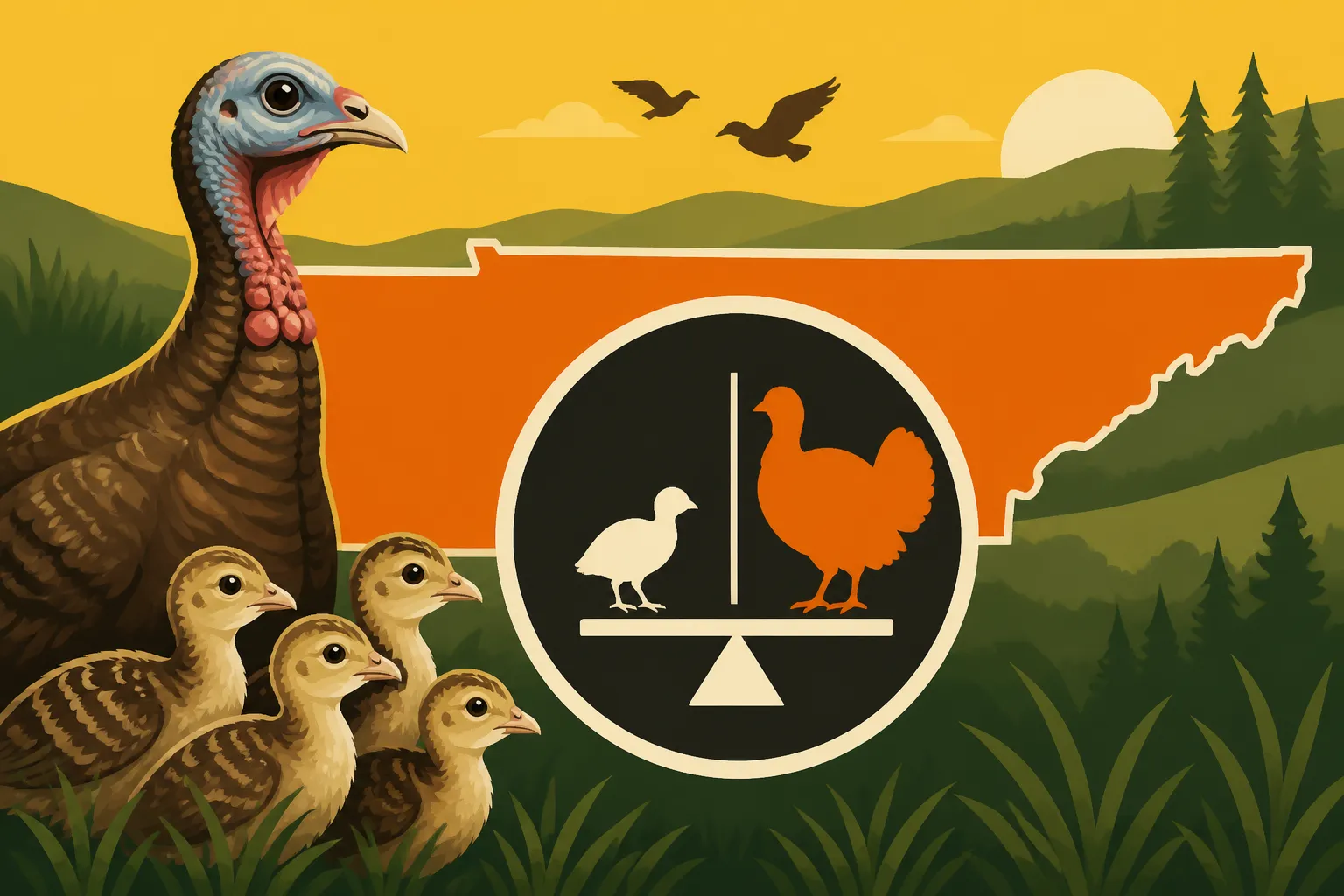
Poult-to-Hen Ratios and What They Mean
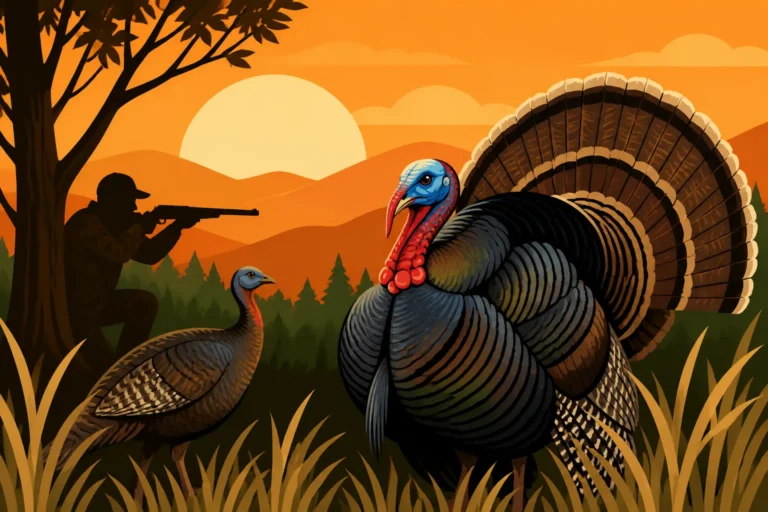
For any turkey hunter in Tennessee, there's nothing quite as frustrating as heading into spring season with high hopes, only to find the woods eerily quiet, or conversely, stumbling upon flocks of young birds everywhere. This variation isn't just random luck; it's often directly tied to the previous year's breeding success, and understanding the poult-to-hen ratio is one of the most powerful insights you can gain. This guide will demystify what these ratios mean, how they're calculated, and how you can use this vital information to fine-tune your hunting strategies for a more successful season.
Understanding the Poult-to-Hen Ratio: What It Is and Why It Matters
When you hear wildlife biologists or seasoned turkey hunters talk about "the hatch," they're often referring to the success of turkey reproduction over the spring and summer. The poult-to-hen ratio is the primary tool used to measure this success, and it's absolutely crucial for predicting future hunting seasons.
Defining the Ratio: The Basics of Turkey Reproduction
At its core, the poult-to-hen ratio is a simple concept: it's the number of turkey poults (young turkeys) observed per adult hen during late summer surveys. For example, a ratio of 3.0 means that for every adult hen observed, three poults were also seen. This figure acts as a direct report card on how well the turkey population reproduced that year. The data is usually gathered through brood surveys, where wildlife agency staff, and often dedicated volunteers, spend time observing turkey flocks and recording the number of adult hens and the young poults accompanying them. These observations, when compiled across various regions and habitats, provide the Tennessee Wildlife Resources Agency (TWRA) with a comprehensive snapshot of the state's turkey population health.
This ratio is a critical indicator for both turkey managers and hunters alike. For managers, it helps them understand population trends, identify areas of concern, and make informed decisions about season lengths, bag limits, and habitat management. A consistently low ratio over several years might signal a need for more intensive management strategies or investigations into underlying issues. For hunters, it's like a crystal ball. A high ratio indicates a robust cohort of young birds entering the population, which generally translates to more jakes the following spring, and a stronger population of two-year-old gobblers a year after that. Conversely, a low ratio often means fewer jakes and a potentially tougher hunt in the immediate future, putting more pressure on older, more elusive gobblers. It’s about more than just numbers; it’s about understanding the lifeblood of our wild turkey flocks.
Factors Influencing a Good or Bad Hatch Year
So, what exactly contributes to a strong hatch versus a weak one? It's a complex interplay of environmental factors, and Tennessee's varied landscapes mean these factors can have different impacts from one region to another.
One of the most significant influences is weather. Turkey poults are incredibly vulnerable during their first few weeks of life. Cold, wet springs can be devastating, leading to hypothermia and a higher incidence of disease among the young birds. If hens are nesting in low-lying areas that flood, nests can be wiped out. A warm, dry spring, however, generally leads to a higher survival rate for poults. Not only does it reduce the risk of chilling, but it also means more insects are active, providing crucial protein for growing poults. Think about the spring you just had: was it a wash-out, or did it feel like a mild, pleasant season? Those conditions probably had a direct hand in the poult-to-hen ratio that year.
Predation is another huge piece of the puzzle. Predators like coyotes, raccoons, opossums, and even bobcats are constantly on the hunt for eggs and young poults. When predator populations are high, or if there's a scarcity of alternative prey, turkey poults can suffer heavily. While predators are a natural part of the ecosystem, an imbalance can certainly tip the scales against a successful hatch. Finally, habitat quality and food availability play a crucial role. Hens need good nesting cover to hide their clutches from predators. Once poults hatch, they need readily available food sources, especially insects, which are often found in open, grassy areas with good forb growth. A lack of quality brood-rearing habitat, or a poor mast crop year that impacts the overall food web, can suppress poult survival. Nest Predation and Tennessee Turkey Hatches is a constant challenge, and the quality of the immediate environment can make all the difference for a newly hatched brood.
Interpreting Tennessee's Poult-to-Hen Ratios for Hunters
Once you understand what the poult-to-hen ratio is, the next step is learning how to translate those numbers into actionable insights for your upcoming hunting seasons. It’s not just academic; it’s about making smarter choices in the field.
What a High Ratio Means for Your Season
Imagine hearing that TWRA's annual brood surveys revealed a fantastic poult-to-hen ratio of 4.5 or even higher across your favorite hunting area. This is exciting news, and it carries some clear implications for your hunting strategy, not just for the immediate spring but for a few years down the line.
First, a high ratio means there was excellent reproductive success, and a large number of young turkeys survived to adulthood. The direct impact you'll see the next spring is often a higher population of jakes – those one-year-old gobblers. Jakes are typically less wary than older birds, more vocal, and more susceptible to calling, making them great targets for hunters, especially those new to turkey hunting or looking to fill a tag. They’re often grouped up, so if you find one, you might find several. The season after that, many of those jakes will mature into two-year-old gobblers, which are also often very responsive to calling and make for exhilarating hunts. So, a great hatch year means a surge in harvestable birds in the seasons that follow. If you're heading out for Hunting the Statewide Turkey Opener in April after a strong hatch, you might find more birds willing to come to a call.
Knowing there's a strong population of young birds can also help you refine your scouting. You might focus on areas known for good brood-rearing habitat – open fields with thick edges, areas with ample insects, or timber with sparse undergrowth where poults can move easily. These areas will likely hold the hens that successfully raised their broods, and where there are hens, gobblers often aren't far behind. Platforms like GoHunt often incorporate data visualizations that can help hunters identify regions with historically strong hatches, allowing for more targeted pre-season scouting. When that data indicates a robust upcoming season, it's time to get excited and plan your approach, perhaps focusing on aggressive calling and setting up near strut zones where these younger, less experienced gobblers might be more active.
What a Low Ratio Suggests for Hunting Strategy
On the flip side, a poor poult-to-hen ratio, perhaps 1.5 or lower, can be a bit disheartening to hear. It means that the previous year’s hatch was poor, and fewer young birds survived. This doesn’t mean the season is a bust, but it certainly suggests a need to adjust your expectations and tactics.
When the ratio is low, you can expect fewer jakes in the immediate spring season, and potentially fewer two-year-old gobblers in the subsequent year. This often means hunting will be tougher, as the overall population density of harvestable birds might be lower. You'll likely encounter more mature, older gobblers who have survived multiple seasons and are therefore much warier, more patterned, and less prone to respond enthusiastically to every call. These are the birds that have heard it all before, and they require a higher level of skill and patience. If When Tennessee Gobblers Go Quiet in May is often a challenge, a low poult count can make the entire season feel like May.
In a low-ratio year, your hunting strategy needs to shift. Instead of relying on aggressive calling to bring in eager jakes, you might focus more on patience, subtlety, and deep scouting. This is when pinpointing specific roost trees and understanding travel corridors becomes paramount. You might adopt "run-and-gun" tactics more cautiously, or spend more time patiently "sitting and waiting" in areas where you've seen older birds. Finding isolated gobblers on public land, or securing permission on smaller private tracts, could become more valuable. Techniques like subtle clucks and purrs, or focusing on Grunt Calls in Mature Tennessee Timber rather than loud cuts, might be more effective. Consider utilizing mapping tools, perhaps through a service like GoHunt, to identify less pressured areas or habitat features that might concentrate the fewer birds available. It's about hunting smarter, not necessarily harder, when the numbers are against you.
Table: Interpreting Poult-to-Hen Ratios for Tennessee Turkey Hunters
| Ratio Range | Implication for Population | Hunting Prospects Next Spring (Jakes) | Hunting Prospects 2 Years Out (2-Year-Old Gobblers) | Recommended Hunter Strategy |
|---|---|---|---|---|
| High (3.0+) | Strong recruitment, growing | Excellent, many jakes, vocal | Very Good, good numbers of responsive gobblers | Aggressive calling, focus on brood-rearing habitat, explore new areas |
| Moderate (2.0-2.9) | Stable, healthy | Good, some jakes, moderate response | Good, decent numbers of responsive gobblers | Mix of aggressive and subtle calling, scout for sign, adapt to bird behavior |
| Low (<2.0) | Weak recruitment, declining | Tough, fewer jakes, wary | Challenging, fewer older gobblers | Patient, subtle calling, focus on older birds, extensive scouting, seek less pressured areas |
How TWRA Uses This Data and How Hunters Can Access It
The poult-to-hen ratio isn't just an interesting statistic; it's a fundamental piece of information that drives how Tennessee manages its wild turkey population. Understanding how the TWRA uses this data, and how you can access it, empowers you as a hunter.
The Role of Brood Surveys in Management Decisions
The TWRA's wildlife biologists rely heavily on annual brood surveys to get a pulse on the health and trajectory of Tennessee's wild turkey populations. These surveys, conducted primarily in late summer, provide the critical poult-to-hen ratios that serve as a foundational element in their management decisions. It’s a scientific, data-driven approach to ensure sustainable hunting opportunities for generations.
The ratios allow biologists to track long-term trends in turkey population health. Are numbers consistently strong across the state? Are there specific regions showing declines that need closer examination? For instance, if a particular region consistently shows low poult-to-hen ratios, it might prompt the TWRA to investigate potential causes, such as increased localized predation, habitat degradation, or disease outbreaks. This data can inform decisions regarding habitat improvement projects, predator management strategies, or even adjustments to Tennessee Statewide Turkey Bag Limit Rules or season dates if populations are severely impacted. This commitment to sound science means that when you’re out in the woods chasing gobblers, you’re participating in a well-regulated system designed to maintain healthy wildlife. The future of Tennessee Turkey Population Trends depends on this vigilant monitoring.
Accessing and Applying Poult-to-Hen Data for Your Hunts
As a hunter, you might be thinking, "This is great information, but how do I get my hands on it?" The good news is that the TWRA often publishes summaries of their annual brood survey results. While not always front-page news, these reports are usually available through the TWRA website or in their annual hunting guides. They often break down the data by region, giving you valuable insights into specific areas you might plan to hunt.
When you access this data, don't just look at the raw numbers. Try to compare them to previous years' ratios. Is the trend up or down? A slight dip might not be a huge concern, but a significant, multi-year decline in a region could certainly influence your decision-making. For example, if you're deciding between two different WMAs for your spring hunt, and one consistently shows higher poult-to-hen ratios than the other, that might sway you towards the area with better recruitment. Additionally, integrating this data with other planning tools can be incredibly beneficial. Mapping applications or hunting planning services, such as GoHunt, sometimes offer features that allow you to layer in population data or historical trends, helping you visualize potential hotspots. Understanding these numbers can enhance your Scouting Tennessee Public Land Before Season efforts, helping you narrow down your focus to areas with the highest potential. Armed with this knowledge, you’re not just going hunting; you’re going hunting with a strategic advantage.
Beyond the Numbers: Other Factors for Turkey Hunting Success
While poult-to-hen ratios offer an incredibly valuable glimpse into the future of turkey hunting, they are just one piece of a much larger and more dynamic puzzle. A smart hunter understands that success in the field also depends on a myriad of other elements, from the habitat you choose to the conditions on any given day.
Habitat, Weather, and Hunter Pressure
Even with a booming poult-to-hen ratio suggesting a strong turkey population, local habitat quality remains paramount. Turkeys are creatures of their environment, and excellent numbers statewide don't guarantee birds will be everywhere. You still need to seek out areas that provide the essential elements: good roosting trees, open areas for strutting and feeding, adequate nesting cover, and access to water. A high ratio is promising, but if the area you're hunting lacks suitable habitat, those birds will be concentrated elsewhere. This is why understanding Where Tennessee Gobblers Roost or how to best utilize Turkey Tactics for Farmland Field Edges remains crucial, regardless of the previous year's hatch. The birds will always be where the food, water, and cover dictate.
Daily weather during the actual season is another enormous factor. A beautiful, calm, clear spring morning is often ideal for turkeys to be vocal and on the move. Conversely, heavy rain, strong winds, or sudden cold snaps can make birds quiet, hold them on the roost longer, or send them seeking shelter in dense cover. A perfect poult-to-hen ratio means little if a cold front pushes all the birds into a sullen silence. You have to adapt to what Mother Nature throws at you each day you're afield. And let's not forget hunter pressure, especially on public lands. Even in a year with fantastic turkey numbers, areas that see heavy hunting traffic can make birds extremely wary and uncooperative. Hunting Pressure on Tennessee Public Land can significantly alter turkey behavior, making birds quieter, more prone to slipping away, or requiring you to employ more subtle tactics like Run-and-Gun Turkey Tactics on Public Land to get away from the crowds.
Personal Scouting and Adaptability
Ultimately, no matter how good the poult-to-hen ratios are, or how perfect the weather seems, there is no substitute for personal scouting. The numbers are a guide, a strong indication, but they aren't a guarantee that turkeys will be standing exactly where you expect them. Boots on the ground, before and during the season, will always be your most effective tool. Finding fresh tracks, droppings, scratchings, and dust bowls tells you where birds are now, not just where they should be based on a statewide average. Learning how to identify Scrape Lines Along a Logging Road for deer has parallels with finding turkey sign; you're looking for fresh activity.
Finally, adaptability in the field is arguably the most critical trait of a successful turkey hunter. You might have a perfectly planned setup based on all the data, only for the birds to do something completely unexpected. Maybe a gobbler hangs up at 80 yards, or maybe they’re responding to calls but moving away from you. Being able to change your setup, modify your calling sequence, or quickly reposition is what often makes the difference between a quiet morning and a successful harvest. A great poult-to-hen ratio gives you a higher statistical chance, but your skill, patience, and ability to read the birds in real-time are what truly seal the deal.
Disclaimer
This article is for general informational purposes only and does not constitute professional advice. Laws, prices and regulations vary by location and change over time. Consult a qualified professional for guidance on your specific situation.