Tennessee Deer Vehicle Collisions
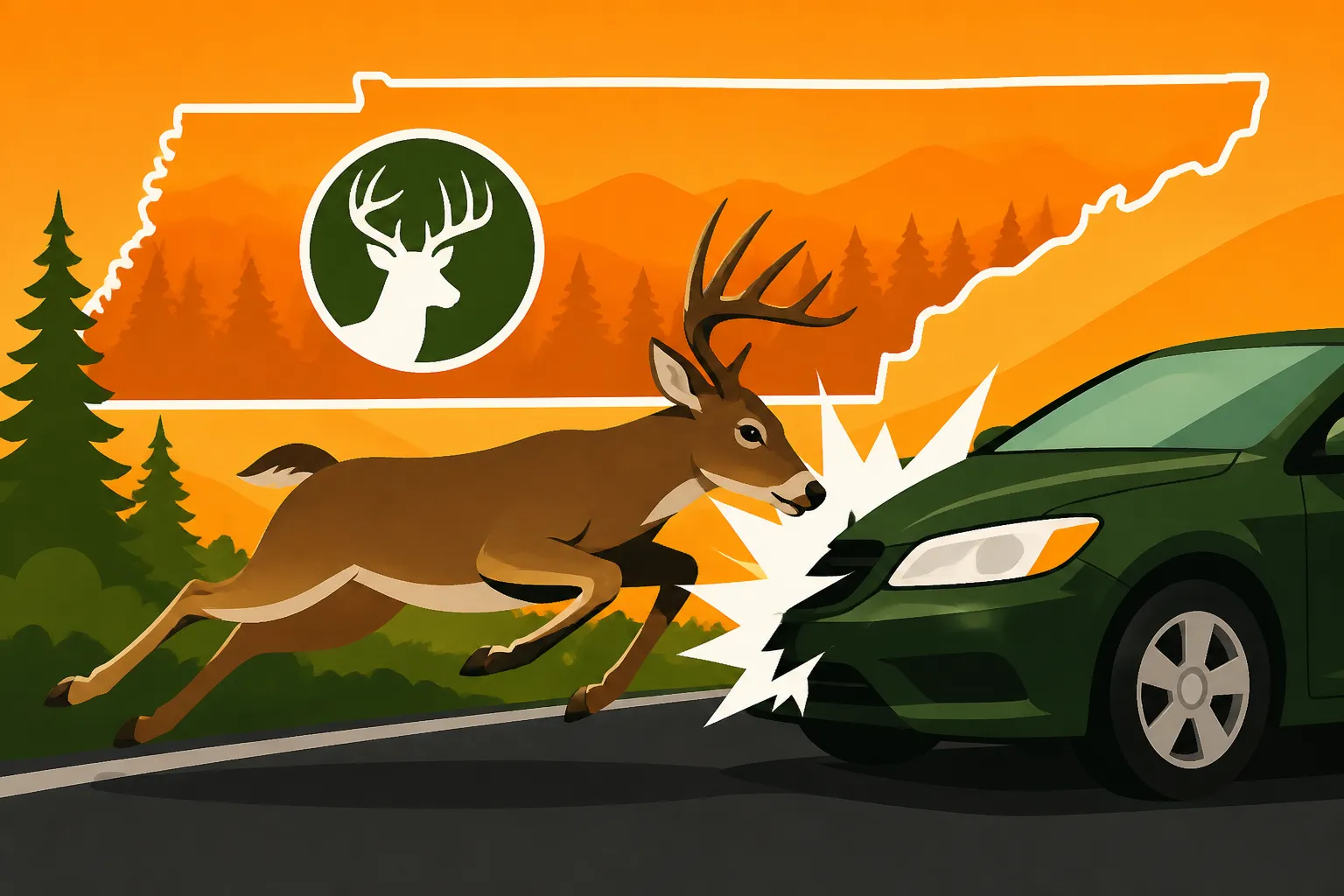
There's nothing quite as jarring, or as potentially devastating, as suddenly finding yourself face-to-face with a deer on a Tennessee roadway. One moment you're cruising along, perhaps enjoying the beautiful scenery, and the next, a full-grown whitetail appears seemingly out of nowhere, leaving you with mere seconds to react. These deer vehicle collisions are a real and constant threat across our great state, causing not just significant damage to vehicles but also serious injuries, and sometimes worse, to drivers and passengers. This guide aims to equip you with the knowledge and strategies to understand why these encounters happen, how to minimize your risk, and what critical steps to take if you do unfortunately collide with a deer.
Understanding the Risk of Deer Vehicle Collisions in Tennessee
Tennessee's landscapes, from the Appalachian peaks to the Mississippi River bottomlands, are home to a thriving white-tailed deer population. While this is fantastic news for hunters, it presents a unique challenge for drivers, especially during certain times of the year and in specific geographical areas where deer activity is naturally higher. Knowing these patterns can be your first line of defense against an unexpected roadside encounter.
The Peak Times and Seasons for Deer Activity
Deer are most active during specific periods, largely dictated by their natural behaviors and breeding cycles. The two most dangerous times of day for deer encounters are dawn and dusk. As the sun rises and sets, deer are often on the move between bedding areas and feeding grounds. Their low-light vision helps them navigate, but it's precisely when human drivers struggle the most with visibility. That dim, transitional light makes it incredibly difficult to spot a deer until it's right in front of you.
Seasonally, late fall and early winter are overwhelmingly the riskiest times for deer vehicle collisions in Tennessee. This period, roughly from October through December, coincides with the annual rut, or breeding season. During the rut, bucks are singularly focused on finding does, often throwing caution to the wind and crossing roads with less awareness of traffic. Does, too, are more active, trying to avoid aggressive bucks or simply moving more frequently. The general Tennessee Deer Herd Size is substantial across many parts of the state, and their increased movement during this critical time dramatically elevates the risk on our roads.
Geographic Hotspots for Deer Encounters
While deer are widespread, some areas in Tennessee have significantly higher deer densities and, consequently, a greater likelihood of collisions. Rural roads, especially those that border large tracts of timber, agricultural fields, or undeveloped land, are classic hotspots. These environments provide deer with ample cover, food, and water, encouraging them to live and move in close proximity to roadways. For instance, areas in West Tennessee, known for their fertile West Tennessee River Bottoms and vast agricultural lands, can see high deer activity as animals move between feeding in fields and bedding in riparian zones.
Similarly, regions like the Cumberland Plateau, with its mixed forests and rugged terrain, also present significant risks. Here, deer often travel along ridgelines and through hollows, crossing two-lane highways that cut through their natural habitat. Even suburban fringe areas, where development encroaches on natural spaces, are seeing increasing deer populations and, sadly, more vehicle encounters. Using mapping tools, like those found on platforms such as GoHunt, can sometimes give you a better sense of undeveloped tracts and potential deer movement corridors, though it's primarily for hunting, the underlying habitat data can still be insightful. Knowing about Best Tennessee Counties for Big Bucks often means those counties also have high deer populations and therefore higher collision risks.
Defensive Driving Strategies to Prevent Collisions
Preventing a deer vehicle collision is largely about defensive driving – anticipating potential hazards and being prepared to react. It’s not just about what you do when you see a deer, but how you drive consistently in deer-prone areas and at risky times. Developing these habits can make all the difference in avoiding a dangerous and costly encounter.
Staying Alert and Scanning the Road
The most effective strategy is unwavering vigilance. Don't just stare at the pavement directly in front of your hood; actively scan the road ahead, as well as the shoulders and ditches. Deer often hesitate at the edge of the road before crossing, giving you a precious second or two of warning if you're looking for them. Pay particular attention to areas where vegetation meets the road, as this is where deer are most likely to emerge suddenly.
Remember, deer rarely travel alone. If you see one deer cross the road, assume there are more nearby, especially during the rut. Young bucks, pushed out by dominant males, or fawns following their mothers, might be right behind the first one. Maintaining a wide visual scan, using your peripheral vision, and understanding deer behavior can significantly improve your reaction time. It's like scouting for game; you're looking for movement, for shapes that don't belong, for anything that breaks the pattern of the landscape.
Proper Use of Headlights and Speed Management
Your vehicle's headlights are a crucial tool in deer avoidance. When driving at night in areas known for deer, use your high beams whenever there isn't oncoming traffic. High beams illuminate a wider and longer stretch of road, giving you more time to spot deer farther away. However, be aware that sometimes a deer can become temporarily 'frozen' by bright lights, staring directly into them. If you see a deer illuminated, dim your lights quickly to low beams; this might encourage it to move off the road.
Speed management is equally vital. Driving at a safe speed, especially at dawn, dusk, and in heavily wooded or rural areas, dramatically increases your reaction time. Even reducing your speed by 5-10 mph in deer-prone zones can give you the extra distance needed to brake or react safely. When you're driving through a specific deer-dense WMA, such as those found while Scouting Tennessee Public Land Before Season, it’s wise to lower your speed even further, treating it almost like a game preserve because, in a sense, it is. The faster you're going, the less control you have, and the more severe any collision will be.
What to Do if a Deer Jumps Out
Despite your best efforts, a deer might still dart out in front of your vehicle. Your immediate reaction in this critical moment is key. The overwhelming advice from safety experts is don't swerve. Swerving can lead to much more severe accidents, such as colliding with oncoming traffic, hitting a tree, or rolling your vehicle. While it's an instinct to avoid the animal, maintaining control of your vehicle is paramount.
Instead, brake firmly and in a straight line. If a collision is unavoidable, try to aim for the animal's hindquarters rather than its head or chest; this can sometimes minimize damage to your vehicle's passenger compartment. Keep both hands firmly on the wheel, maintain your lane, and prepare for impact. It's a terrifying scenario, but a controlled impact with a deer is generally safer than an uncontrolled collision with another vehicle or a fixed object.
After the Collision: Steps to Take and Reporting Requirements
Even with the most cautious driving, collisions happen. Knowing what to do immediately after striking a deer is crucial for your safety, vehicle integrity, and navigating legal and insurance requirements. Panic is natural, but having a clear plan can help you manage the situation effectively.
Prioritizing Safety and Assessing Damage
First and foremost, pull your vehicle safely off the road if possible. Engage your hazard lights to warn other drivers, especially if it's dark or visibility is poor. Before exiting your vehicle, take a moment to assess the situation. Is it safe to get out? Are you injured? Check yourself and any passengers for injuries. If anyone is injured, call 911 immediately. Your health and the well-being of your passengers are always the top priority.
Once you've ensured everyone's immediate safety, you can begin to assess the damage to your vehicle. Often, deer collisions can cause extensive damage to the front end, windshield, or side panels. Take mental notes or photos (if safe) of the scene and damage. Be cautious around the deer itself; even if it appears deceased, a wounded animal can be unpredictable and dangerous. Do not attempt to move the deer from the roadway if it's large or you're unsure of its condition; leave that to law enforcement or wildlife officials.
Documenting the Scene and Notifying Authorities
After a collision, it's vital to document everything thoroughly for insurance purposes. Take clear photographs of your vehicle's damage, the deer's location, and the surrounding area. Note the exact location, time of day, and weather conditions. Then, notify local law enforcement. Even if there are no human injuries, they can help secure the scene, direct traffic, and complete an official accident report, which your insurance company will likely require.
It's also important to report deer collisions to the Tennessee Wildlife Resources Agency (TWRA). While you're not harvesting the deer in a traditional sense, TWRA tracks these incidents to monitor deer populations and identify collision hotspots. You can call your regional TWRA office or use the Reporting a Tennessee Deer Harvest Online system (though primarily for hunters, they can direct you to the correct collision reporting channel). Never assume that because a collision wasn't a "hunt" that the TWRA isn't interested; they are critical data points for wildlife management.
Insurance Claims and Carcass Handling
When it comes to your vehicle, a deer collision typically falls under the comprehensive coverage portion of your auto insurance policy, not collision. This is generally good news as it means your rates might not be impacted in the same way as an at-fault accident. Contact your insurance provider as soon as possible to file a claim. Provide them with all the documentation you gathered, including the police report number and any photos.
Regarding the deer carcass, Tennessee law dictates that any deer killed in a collision must be reported to the TWRA. In many cases, if you want to keep the deer for consumption, you can legally do so, but you must contact TWRA or law enforcement first to get a "salvage tag" or permission. Never just take a deer carcass from the side of the road without official authorization. This is particularly important in areas affected by Tennessee's Chronic Wasting Disease Management Zone, where specific carcass handling regulations may apply to prevent the spread of disease. Be sure to check with officials about any CWD testing requirements if you decide to take possession of the deer.
Mitigation Efforts and Long-Term Solutions
Addressing the issue of Tennessee deer vehicle collisions isn't just about individual driver awareness; it also involves broader efforts in wildlife management and infrastructure planning. The goal is to reduce both the frequency and severity of these dangerous encounters, making our roads safer for everyone, including the deer.
TWRA's Role in Deer Population Management
The Tennessee Wildlife Resources Agency plays a critical role in managing the state's deer population to maintain a healthy herd while also mitigating human-wildlife conflicts. Hunting is the primary tool used for population control. By establishing appropriate hunting seasons and bag limits, such as those detailed in the Tennessee Deer Season Structure Explained and specific rules for Tennessee's Six Deer Management Units, TWRA helps keep deer numbers in balance with available habitat.
A well-managed deer herd, with a healthy buck-to-doe ratio and age structure, tends to be more predictable in its movements. The annual Tennessee Annual Deer Harvest figures provide valuable data that informs these management decisions. While hunting pressure primarily serves conservation goals, a byproduct is often a reduction in overall deer density in accessible areas, which can indirectly lessen the chance of vehicle collisions.
Roadway Improvements and Public Awareness Campaigns
State and local agencies are also involved in physical infrastructure improvements designed to reduce deer-vehicle incidents. This can include installing deer crossing signs in identified hotspots, erecting deer fencing along highways where appropriate, and even implementing specialized reflectors that are meant to deter deer from crossing at night. Unfortunately, these solutions are often expensive and not always practical for every mile of deer-prone roadway.
Public awareness campaigns are another vital component. Educating drivers about peak collision times, geographic hotspots, and defensive driving techniques through signage, media campaigns, and online resources helps to empower individuals to make safer choices. Utilizing mapping applications or wildlife data, like what one might find as a hunter preparing for a season (perhaps with tools like GoHunt), can help identify areas with high deer density, even for non-hunters looking to avoid collisions. Knowing about the Tennessee Deer Herd Size and where those deer are concentrated can save lives.
Understanding CWD and its Impact on Herd Health
Chronic Wasting Disease (CWD) is an ongoing concern for Tennessee's deer population, particularly within the Tennessee's Chronic Wasting Disease Management Zone. While the primary impact of CWD is on herd health and management, there's an indirect connection to deer vehicle collisions. As CWD spreads, it can affect the overall health and behavior of individual deer. Sick animals might be less aware of their surroundings, more prone to wandering, or weaker, making them more susceptible to collisions.
TWRA's efforts to monitor and manage CWD, including mandatory CWD testing in certain areas and specific carcass movement restrictions, are crucial for the long-term health of the deer herd. A healthy, robust deer population, free from widespread disease, is generally more resilient and predictable, contributing indirectly to safer roads by reducing the presence of disoriented or weakened animals. Understanding the challenges posed by CWD is part of a holistic approach to wildlife management that benefits both the animals and the human population.
Deer Vehicle Collision Prevention and Response Summary
| Aspect | Prevention Strategies | Response Strategies |
|---|---|---|
| Driving Behavior | – Scan road edges, ditches, and ahead for deer | – Brake firmly in a straight line |
| – Assume more than one deer when spotting one | – Do NOT swerve into oncoming traffic or objects | |
| – Reduce speed at dawn/dusk and in rural/wooded areas | – Maintain control of your vehicle | |
| Vehicle Use | – Use high beams at night when no oncoming traffic | – Pull over safely, engage hazard lights, check for injuries |
| – Dim lights if deer is 'frozen' by headlights | – Document damage with photos and notes | |
| Reporting & Aftermath | – Be aware of high-risk seasons (fall/early winter) | – Call 911 if injured; otherwise, local law enforcement |
| – Know geographic hotspots (rural, timber-adjacent roads) | – Report collision to TWRA for data collection | |
| – Contact insurance company (comprehensive claim) | ||
| – Obtain salvage tag from TWRA/LE if keeping carcass |
Disclaimer
This article is for general informational purposes only and does not constitute professional advice. Laws, prices and regulations vary by location and change over time. Consult a qualified professional for guidance on your specific situation.