Tennessee Buck Age Structure
One of the most frustrating things for a dedicated deer hunter in Tennessee is constantly seeing young, spindly-antlered bucks while dreaming of that truly mature whitetail. It makes you wonder if those older, larger deer even exist in your hunting spot. This guide is all about peeling back the layers on Tennessee Buck Age Structure, helping you understand what it is, why it matters, and how you can increase your chances of encountering one of those elusive monarchs.
Understanding Tennessee Buck Age Structure
When we talk about "buck age structure," we're not just throwing around fancy biology terms. What we're really getting at is the distribution of bucks of different ages within a given deer population. Think of it like a human population: you have toddlers, teenagers, young adults, middle-aged folks, and seniors. A healthy deer herd, especially one managed for quality hunting, will have a good mix, including a decent number of mature bucks that are three, four, five, or even older.
For many hunters, the goal has shifted from simply harvesting "a deer" to pursuing more mature animals. This isn't about antler size alone, though bigger racks are often a byproduct of age. It's about the challenge, the experience, and the incredible satisfaction of outsmarting an animal that has survived multiple hunting seasons. It’s about the true essence of Hunting the Rut in Early November or even Hunting the Late-Season January Lull where older bucks are often the ones on the move.
What Influences a Buck's Age in Tennessee?
Many factors play into how many mature bucks you might find roaming the Volunteer State. It's a complex dance between nature and human interaction.
First, hunting pressure is a huge one. If an area sees heavy hunting, especially if hunters are quick to harvest any buck that walks by, it's tough for bucks to reach older age classes. Think about popular public lands right after the Tennessee Gun Season Opening Day; those young bucks are often the first to be taken. Conversely, areas with limited access or those managed under more restrictive harvest guidelines tend to have a higher percentage of older deer.
Second, habitat and nutrition are foundational. A buck needs good food sources and secure cover to grow healthy and survive year after year. Poor habitat, lack of quality browse, or even disease outbreaks like EHD can significantly impact a buck's ability to thrive and reach old age. Genetics also play a part, but without proper nutrition, even a genetically superior buck won't reach its full potential. You can't expect a yearling buck in a barren clear-cut to develop into a monster if he's constantly stressed and underfed.
Finally, predation from coyotes and bears, as well as vehicle collisions, can thin out the herd at all age classes, though it typically affects fawns and younger deer more. However, a buck that manages to navigate all these threats for several years is truly a survivor, and that's the kind of animal we often seek. The Tennessee Deer Population Estimate gives us an idea of the overall health, but age structure drills down into the specific quality of the buck segment.
Why Hunter Focus Shifts to Older Bucks
The shift in focus among many Tennessee deer hunters towards older bucks isn't just about "trophy hunting." While a big rack is certainly exciting, there's a deeper satisfaction that comes from pursuing a truly mature animal.
An older buck is a master of survival. He's learned the landscape, navigated dangers from predators to hunters, and knows how to use cover and wind to his advantage. This makes the hunt infinitely more challenging and rewarding. It's not just about pulling a trigger; it's about understanding deer behavior, knowing your property or public land inside and out, and putting all your scouting and woodsmanship skills to the ultimate test. Trying to outsmart a seasoned buck that has seen multiple hunting seasons is a true chess match in the woods.
Beyond the challenge, there's a conservation aspect too. By allowing younger bucks to walk, hunters contribute to a healthier, more balanced deer herd. This can lead to better fawn recruitment, improved buck-to-doe ratios, and, yes, ultimately more opportunities for those impressive older deer to develop their full antler potential. It's a long-term investment in the quality of the hunting experience for everyone.
Field Judging Bucks: Spotting Mature Deer in the Woods
One of the most valuable skills a hunter can develop is the ability to accurately field judge a buck's age, rather than just focusing on antler points. This allows you to make informed decisions in the moment and pass on younger deer to allow them to mature. It's not always easy, especially in low light or thick cover, but practice makes perfect.
Key Indicators of Age Beyond Antlers
While antler size can be deceptive – a young buck might have a decent rack, and an older buck could have a regressed rack – the body language and physical build of a deer tell a more consistent story about its age.
- Body Mass and Neck: A young buck (1.5 to 2.5 years old) typically has a sleek, athletic build. His neck might be slender and blend smoothly into his shoulders. As bucks age, especially into the 3.5 to 4.5+ year old range, their neck becomes thick and muscular, particularly during the pre-rut and rut. This "bull neck" appearance is a strong indicator of maturity. The neck will often appear shorter and wider, bulging out significantly from the shoulders.
- Shoulders and Chest: A yearling buck often looks like a "doe with antlers," with a relatively thin chest and a body that isn't much deeper than his belly. A mature buck, however, will have a deep chest, well-developed shoulders, and a thick, blocky body. His legs might even appear shorter in proportion to his deep body.
- Belly and Back: Young bucks tend to have a flatter belly line. Older bucks, especially those 4.5 years and up, often develop a noticeable sag in their belly and a more sway-backed appearance, particularly if they've endured several breeding seasons.
- Head Size in Proportion to Body: On a young buck, his head might appear large in relation to his slender body. On a mature buck, his massive body will make his head appear relatively smaller, often giving him a stout, powerful look. This is especially noticeable during the Tennessee Deer Antler Growth Timeline, where the body fills out year after year.
Here’s a quick visual guide to help you differentiate:
| Characteristic | 1.5 Year Old Buck | 2.5 Year Old Buck | 3.5 Year Old Buck | 4.5+ Year Old Buck |
|---|---|---|---|---|
| Body Shape | Lean, lanky, "all legs" | Athletic, trim, deeper body | Blocky, muscular, deep chest | Very blocky, saggy belly, stout |
| Neck Appearance | Thin, blends into shoulders | Developing, noticeable | Thick, blends into chest, "bull neck" | Very thick, short, massive |
| Leg Length | Appears long relative to body | Proportional | Appears shorter relative to deep body | Appears very short relative to deep body |
| Shoulders | Narrow, undefined | Developing definition | Broad, well-muscled | Massive, pronounced |
| Antlers | Spindly, often few points | More mass, wider, improving | Good mass, spread, often best | Can be exceptional, or slightly regressed |
| Head Relative to Body | Large, often narrow face | Proportional | Appears smaller | Appears very small and stout |
The Elusive "Three-Year-Old Bump" and Beyond
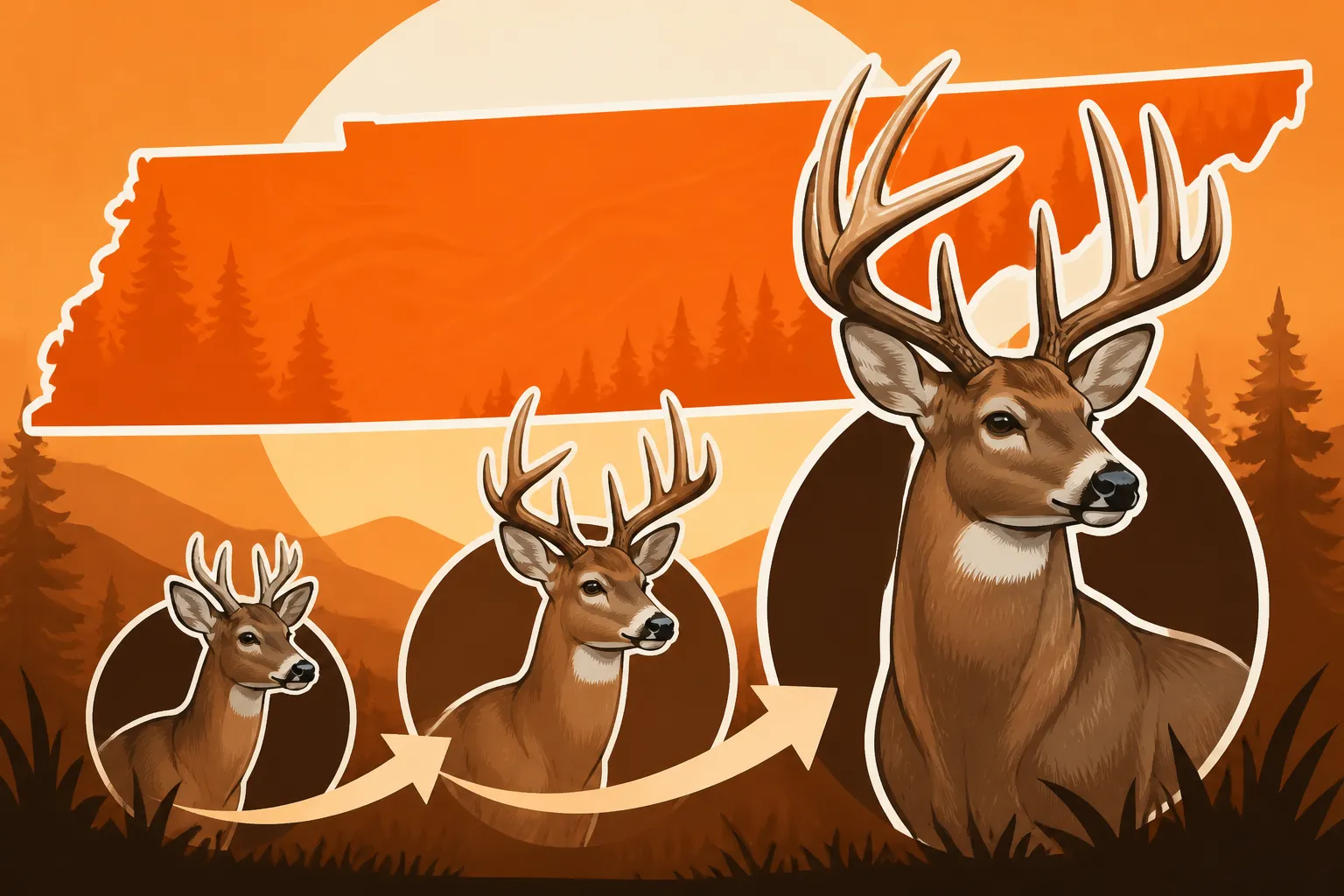
Many hunters talk about the "three-year-old bump" in antler growth. This refers to the idea that a buck, after reaching 2.5 years old, will typically show a significant increase in antler mass and spread at 3.5 years old. This is because at 1.5 and 2.5 years old, a buck's body is still primarily focused on skeletal and body growth. Once he hits 3.5, his body has matured enough that more energy can be dedicated to antler development. This is why many hunters choose to pass bucks until they are at least 3.5 years old.
However, a buck's peak antler potential usually occurs between 4.5 and 6.5 years old, provided he has excellent nutrition and genetics. After 7.5 years, some bucks may begin to regress in antler size, though their body mass often remains impressive. The key takeaway here is that if you want to see bucks with truly impressive antlers, you need to let them get past that 2.5-year mark. It's a commitment to management that pays off in the long run.
Strategies for Targeting Older Bucks in Tennessee
Finding and harvesting a mature buck in Tennessee requires a different approach than simply hunting for any deer. It demands patience, meticulous scouting, and often, a willingness to hunt areas others overlook or deem too difficult.
Habitat and Public Land Tactics for Mature Bucks
Mature bucks are masters of avoiding pressure. They'll seek out thick cover, remote areas, and sanctuaries where they feel safe. This means that to find them, you often need to go where other hunters aren't willing to go, or at least hunt smarter within pressured areas.
On public lands in Tennessee, like parts of the Cherokee National Forest Hunting or specific Wildlife Management Areas, look for pockets of thick, impenetrable cover. These might be dense cedar thickets, regenerating clear-cuts, laurel and rhododendron patches, or even steep, nasty hollows that are a pain to walk through. These are often the bedding areas of older bucks. Using mapping tools like GoHunt can be incredibly helpful here. You can layer satellite imagery, topo maps, and public/private land boundaries to identify these overlooked areas and plan your access routes. Look for subtle terrain features like benches, saddles, or small drainages that connect these sanctuaries to food sources. Understanding Reading a Ridge for East Tennessee Deer can lead you directly to these hidden havens.
When hunting food sources, especially during the early season, avoid hunting directly over the most obvious, heavily pressured spots. Instead, focus on transition areas, pinch points, or funnels that bucks use to get to and from those food sources. Look for trails that skirt the edge of thick cover, rather than running through open fields. Mature bucks are often nocturnal around open feeding areas, so you need to catch them during those first or last minutes of daylight in secure cover. Effective Scouting Tennessee Public Land Before Season becomes paramount to finding these less-pressured travel corridors.
Hunting the Peak Rut and Beyond
The rut, particularly in early November across much of Tennessee, offers some of the best opportunities to catch an older buck on his feet during daylight. This is when their guard is down, driven by the instinct to breed. During this time, focus on doe bedding areas and travel corridors between them. Bucks will be cruising, checking for receptive does. This is also a fantastic time to implement calling strategies like Rattling and Grunting in Tennessee. A mature buck might respond aggressively to the sound of other bucks fighting or grunting near a hot doe.
As the season progresses past the peak rut and into the late season (December and January), food sources become critical. Bucks are exhausted from the rut and need to replenish their energy reserves. Focus on the best available food in your area, whether it's standing crops like corn or beans, mast crops if any are left, or planted green fields. Older bucks will prioritize survival and food at this point. They may become more visible during daylight hours as they desperately seek nutrition, especially during cold fronts. Consider Cold-Weather Sitting Strategy in Tennessee for these late-season hunts.
The Role of Management and Hunter Choice
Ultimately, the age structure of Tennessee's buck herd is a result of both statewide management strategies and the collective choices made by individual hunters. Understanding this relationship empowers us to make decisions that can improve the quality of our hunting experience for years to come.
TWRA Regulations and Their Impact
The Tennessee Wildlife Resources Agency (TWRA) implements regulations designed to manage the deer herd, including buck age structure. Regulations like the Tennessee Deer Season Structure Explained or specific antlerless bag limits in certain Tennessee's Six Deer Management Units play a significant role. For instance, allowing ample antlerless harvest helps keep the buck-to-doe ratio more balanced, which can reduce the stress on bucks during the rut and potentially allow them to put more energy into antler growth and body mass.
The TWRA also collects valuable data through harvest reports, allowing them to monitor population trends and health. While Tennessee doesn't have statewide antler restrictions that mandate passing certain antler sizes, the general season structure and emphasis on doe harvest indirectly support the development of older bucks. Hunters in CWD zones also have the Tennessee's Earn-a-Buck CWD Program which can influence harvest decisions, further impacting local age structures.
Making Informed Decisions for Quality Hunting
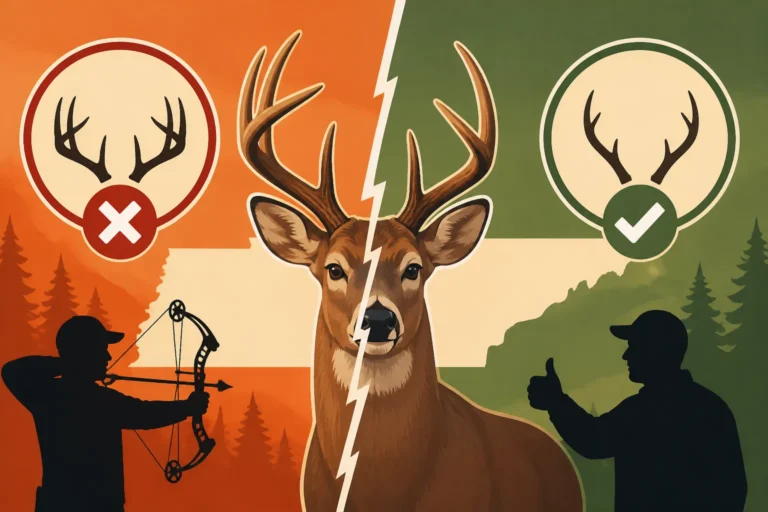
As individual hunters, we have a direct impact on the buck age structure in the areas we hunt, especially on private land. The choice to pass a young buck, even a legal one, is a personal decision that contributes to the overall age structure. If enough hunters choose to let younger bucks walk, more deer will reach those older age classes, resulting in more mature animals in the local population.
Before the season, take time to understand the deer population in your specific hunting area. Review Tennessee Deer Harvest Records if available for your county or WMA. Use tools like GoHunt to scout and understand habitat types. If you're consistently seeing only young bucks, consider adjusting your harvest strategy. Perhaps focus more on antlerless deer, or challenge yourself to only harvest bucks that meet certain age characteristics. Remember, every time you choose to let a young buck walk, you're investing in the future of your hunting grounds and the potential for a truly memorable encounter with a wise, old Tennessee whitetail. The satisfaction of watching a young buck grow into a magnificent mature animal, knowing you played a part in his journey, is a profound and rewarding experience.
Disclaimer
This article is for general informational purposes only and does not constitute professional advice. Laws, prices and regulations vary by location and change over time. Consult a qualified professional for guidance on your specific situation.