White-Tailed Deer Across Tennessee
For many folks in Tennessee, the whitetail deer isn't just another animal; it's a deep-rooted part of our heritage, our dinner table, and our outdoor identity. Yet, understanding the nuances of deer behavior, population dynamics, and management across our diverse state can feel like navigating a maze. This comprehensive guide will walk you through everything you need to know about white-tailed deer in Tennessee, from their incredible comeback story to what makes them tick in every corner of our beautiful state.
The Resilient Comeback of Tennessee's Whitetail Herd
It's hard to imagine now, but there was a time when seeing a deer in Tennessee was a rarity. Our state's landscape was once teeming with them, but unregulated hunting and habitat destruction in the late 19th and early 20th centuries pushed these magnificent animals to the brink. Thankfully, dedicated conservation efforts have transformed that picture entirely.
From Near Extinction to Abundance
Back in the early 1900s, deer populations were so low in Tennessee that many believed they were gone for good. There were only a handful of isolated pockets remaining, primarily in the rugged mountains of East Tennessee. Imagine a time when entire counties would go a whole hunting season without a single deer being harvested! It’s a far cry from today’s bountiful harvests. The Tennessee Wildlife Resources Agency (TWRA), along with early conservation groups, spearheaded aggressive reintroduction programs, trapping deer from states with healthy populations, like North Carolina and Wisconsin, and releasing them into suitable habitats across Tennessee. This was a massive undertaking, requiring years of effort and significant resources, but it paid off in spades.
These reintroduction efforts, coupled with strict hunting regulations, including closed seasons and limited bag limits, allowed the tiny founding populations to flourish. It took decades, but slowly, surely, the deer began to reclaim their ancestral lands. Today, the sight of a whitetail buck or a doe with her fawns is commonplace, from the bustling suburbs of Nashville to the remote hollows of the Cherokee National Forest. It's a true testament to what dedicated conservation can achieve when people come together.
Factors Driving the Population Boom
So, what exactly fueled this incredible resurgence beyond just stocking efforts? Several key factors played a crucial role in not only bringing deer back but allowing their numbers to explode across the state. Habitat recovery was paramount. As vast tracts of timber were harvested, the regenerating forests provided abundant browse, cover, and bedding areas. The expansion of agriculture also created a buffet of food sources, from corn and soybeans to winter wheat, providing high-energy sustenance that allowed deer to thrive and reproduce efficiently.
Mild winters certainly helped, reducing stress on deer and improving fawn survival rates. Furthermore, proactive management strategies by the TWRA, like strategic doe harvests in certain areas, helped balance the herd with the available habitat, preventing overpopulation in some regions while allowing growth in others. When you consider the sheer number of deer now, you start to understand the challenge of managing them. If you’re interested in the larger picture of deer numbers, you can read up on the current Tennessee Deer Population Estimate. These combined efforts transformed Tennessee from a deer-poor state to one of the premier whitetail hunting destinations in the Southeast, offering some incredible opportunities for hunters.
Understanding Tennessee's Diverse Deer Regions
Tennessee is a long, skinny state, spanning from the Mississippi River bottoms in the west to the Appalachian Mountains in the east. This geographic diversity means that deer populations and their habits vary wildly depending on where you are. What works for a hunter in Lauderdale County might be entirely ineffective in Polk County.
West Tennessee's Bottomland Giants and Farmland Dynamics
Ah, West Tennessee – the land of big, flat agricultural fields, winding river bottoms, and, for many, the holy grail of mature whitetail bucks. This region, encompassing the fertile lands west of the Tennessee River, is characterized by its rich, alluvial soils, extensive farming operations, and scattered blocks of timber, often found along creek and river drainages. Deer here benefit immensely from the abundant, high-quality nutrition provided by crops like corn, soybeans, and winter wheat. This consistent food source contributes to larger body sizes and, crucially, impressive antler development. Many hunters specifically target West Tennessee because it's known for producing some truly massive whitetails. If you've ever wondered Why West Tennessee Grows Big Bucks, it's largely due to this agricultural bounty and the relatively flat terrain that allows deer to conserve energy.
However, hunting in West Tennessee presents its own unique challenges. Deer often bed in thick CRP fields, standing timber along river corridors, or even in unharvested crop fields. Their movements are highly dictated by feeding patterns in agricultural settings, and hunters often focus on pinch points, field edges, and natural funnels between bedding and feeding areas. Understanding how to approach these types of terrain is crucial for success, especially if you're Hunting West Tennessee River Bottoms. The vastness of the landscape and the amount of private land mean scouting and gaining permission are paramount.
The Highland Rim and Cumberland Plateau Challenges
Moving eastward, we encounter the Highland Rim and the rugged expanse of the Cumberland Plateau. This is a dramatically different landscape from West Tennessee. The Highland Rim, which encircles the Central Basin, offers a mix of agricultural land, hardwoods, and cedar glades. Deer here still have good food sources, but the terrain starts to become more rolling and broken, demanding a different approach from hunters.
Then there's the Cumberland Plateau – a vast, elevated tableland characterized by steep ridges, deep hollows, extensive oak-hickory forests, and sandstone bluffs. Hunting here is a physical challenge, but it rewards those who put in the effort. Food sources are primarily mast crops like acorns, hickory nuts, and various forms of browse. Deer movement is often dictated by terrain features like saddles, benches, and ridge lines, which funnel travel. Finding success often means becoming proficient at Hunting Cumberland Plateau Ridgelines and understanding how deer use the contours of the land for travel and security. Public land is more abundant here, like on the Catoosa Wildlife Management Area or Royal Blue WMA, but so is hunting pressure. Deer on the Plateau tend to be smaller-bodied due to the less nutrient-rich forage compared to the agricultural zones, but they are incredibly tough and wily.
East Tennessee's Mountain Whitetails and Steep Terrain
Finally, we arrive in East Tennessee, the land of the Appalachian Mountains, including the stunning Cherokee National Forest. This region is the epitome of challenging hunting. Here, you'll find steep, rocky slopes, dense rhododendron thickets, and vast expanses of mature timber. Deer densities can be lower than in other parts of the state, but the reward of harvesting a mountain buck is immense. Food sources are almost entirely natural mast and browse, making acorn crops especially critical.
Deer in this rugged environment are often smaller-bodied but incredibly athletic. They navigate the steep terrain with ease and are masters of utilizing dense cover to evade detection. Hunters must be prepared for strenuous climbs, unpredictable weather, and potentially long retrieves. Understanding thermals, prevailing winds in mountainous terrain, and how deer bed on benches and ridges for security is vital. Scouting here often involves extensive hiking and relying on mapping tools, like those available on platforms like GoHunt, to identify promising areas. Success in East Tennessee's mountains truly comes down to grit, physical fitness, and an intimate knowledge of how deer move in vertical landscapes.
Deer Behavior Across the Seasons in Tennessee
Understanding how whitetail deer behave throughout the year is paramount to hunting success. Deer are creatures of habit, but those habits change dramatically with the seasons, influenced by food availability, breeding cycles, and human pressure.
Spring and Summer: Growth, Fawns, and Food Sources
As the chill of winter gives way to the warmth of spring, Tennessee's whitetail deer enter a critical period of recovery and growth. Does, heavy with fawns, seek out secluded, secure birthing areas, typically in late May or early June. These newborn fawns rely entirely on their mothers for milk and protection, spending their first weeks hidden in dense cover, relying on their camouflage and lack of scent to evade predators. Hunters venturing into the woods for Spring Turkey Hunting in Tennessee often get to witness these new arrivals, a beautiful reminder of the cycle of life.
For bucks, spring and summer are all about antler growth. Fueled by nutrient-rich new forage like clover, honeysuckle, and lush agricultural crops, their antlers begin to sprout from pedicles, growing rapidly under a velvety covering. This period is less about movement and more about maximizing caloric intake to support body recovery from the rut and the demanding process of antler development. Deer will often frequent green fields, timber clearcuts, and crop fields where protein-rich plants are abundant. They'll generally maintain fairly tight home ranges during this time, focused on prime food sources and secure bedding.
Fall Transition: Scrapes, Rubs, and Pre-Rut Excitement
As summer fades and autumn colors begin to paint the Tennessee landscape, a noticeable shift occurs in deer behavior. Temperatures drop, signaling the approach of the breeding season. Bucks, with hardened antlers now free of velvet, become more aggressive and territorial. This is when you start to see the tell-tale signs of the pre-rut: scrapes and rubs. Rubs, where bucks strip bark from trees with their antlers, serve as visual and olfactory markers, communicating their presence and dominance to other deer. Scrapes, patches of bare earth where bucks urinate and paw, are essentially communication hubs, often revisited by multiple deer.
Does, too, begin to move more, as fawns are older and more independent, and their own nutritional needs shift as they prepare for the rigors of breeding. This period, often aligning with the early part of How Tennessee's Deer Season Runs Archery to January, is a fantastic time to be in the woods. Deer are actively seeking out food sources like falling acorns and early mast, making transition zones between bedding and feeding areas hot spots. The increasing buck activity and competition make them more vulnerable, as their focus begins to shift from pure survival to the impending breeding frenzy.
The Peak Rut: Early November Chaos
For many Tennessee deer hunters, the first two weeks of November are sacred. This is traditionally when Hunting the Rut in Early November hits its peak across much of the state, particularly in Middle and West Tennessee. During this intense period, bucks are actively seeking out does in estrus, throwing caution to the wind. Their movements become less predictable, as they cover vast amounts of ground, nose to the wind, following scent trails.
You might see bucks chasing does through thickets, sparring with rivals, or cruising through areas they wouldn't normally frequent during other times of the year. This heightened activity makes them more susceptible to hunter encounters. Stand locations along travel corridors, pinch points, and areas where does congregate become prime real estate. Understanding the timing of the rut in your specific area is crucial, as it can vary slightly from north to south and east to west within Tennessee. The sheer excitement of this time of year, with its unpredictable encounters and the chance at a mature buck, is what keeps many hunters coming back year after year.
Late Season: Adapting to Cold and Pressure
After the chaos of the rut subsides, Tennessee deer enter the late season, often extending into January. This can be a challenging time to hunt, as deer are often exhausted from the rut, have been pressured by hunters for months, and now face colder temperatures and dwindling natural food sources. Survival becomes their primary focus again.
During this period, deer movements become much more concentrated around reliable, high-calorie food sources. Standing corn, unharvested soybeans, food plots, and remaining acorn crops become magnets. Thermal cover, such as dense cedar thickets, pine plantations, or thick bottomland cover, also becomes crucial for bedding, offering protection from harsh winds and cold. Deer often shift to more nocturnal patterns to avoid human activity, making morning and late-afternoon hunts around food sources critical. Adapting your tactics, focusing on food, and minimizing your disturbance are key to success during Hunting the Late-Season January Lull. The cold weather also brings distinct advantages, such as clearer tracking conditions and better meat preservation, making successful late-season hunts incredibly rewarding.
Key Factors Influencing Deer Health and Harvest
The health and overall population dynamics of Tennessee's deer herd are influenced by a complex web of environmental, ecological, and human-related factors. Understanding these elements is crucial for anyone interested in the long-term sustainability of our deer resource.
Habitat Quality and Agricultural Impact
The backbone of any healthy deer population is quality habitat. In Tennessee, this means a mosaic of forests, brushy edges, and agricultural lands that provide diverse food sources, bedding cover, and security. Areas with a variety of tree species, particularly oaks and hickories that produce mast, and an understory rich in browse, generally support robust deer herds. Clear-cuts, when managed properly, can create excellent early successional habitat, offering abundant forage for deer for several years.
Agriculture plays an undeniable and significant role, especially in West and Middle Tennessee. Large tracts of corn, soybeans, and winter wheat provide an almost endless buffet of high-energy food, leading to larger, healthier deer with better antler growth. However, over-reliance on agricultural food can sometimes make deer patterns more predictable and, conversely, lead to increased depredation on crops, creating tension between landowners and wildlife. The balance between natural habitat and agricultural influence is constantly shifting and is a key driver of regional deer health and density.
Disease Management: The Shadow of CWD
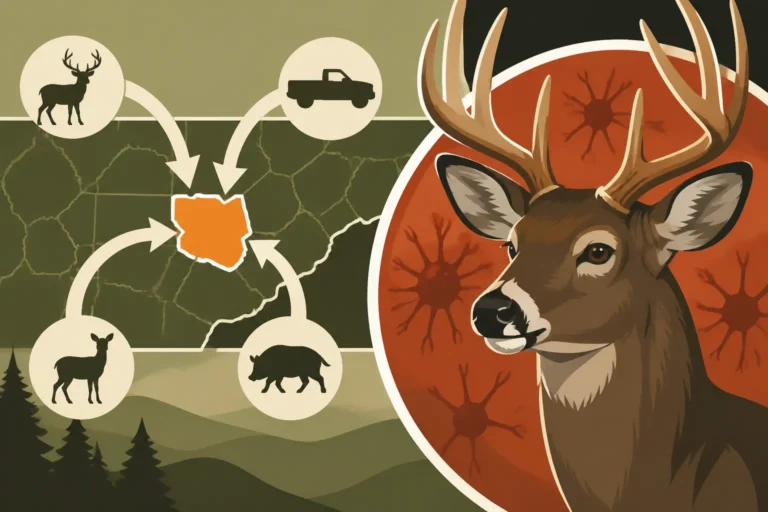
One of the most pressing concerns for Tennessee's deer herd and hunting community is Chronic Wasting Disease (CWD). This fatal neurological disease affects cervids, including deer, elk, and moose. It's caused by abnormal proteins called prions that slowly destroy the brain and body. Once an animal contracts CWD, there is no cure, and it will eventually die. The disease has been steadily spreading across North America, and unfortunately, it arrived in Tennessee in 2018.
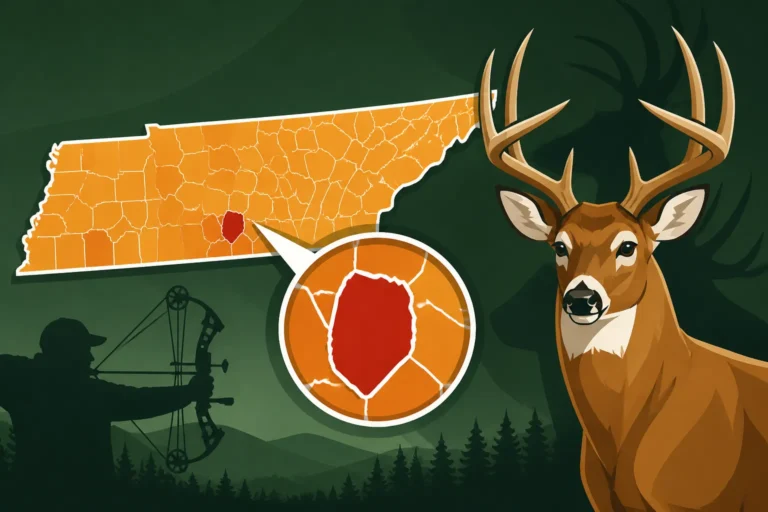
Since its initial detection in Hardeman County, CWD has expanded into several counties, primarily in West and parts of Middle Tennessee. The Tennessee Wildlife Resources Agency (TWRA) has implemented a robust Chronic Wasting Disease in Tennessee Deer management plan, including a CWD Management Zone, mandatory harvest reporting, and voluntary and mandatory testing in affected counties. Hunters play a vital role in monitoring and managing CWD by submitting deer for testing, particularly in the CWD zone. Special regulations, such as restrictions on moving carcasses out of the zone, are also in place to prevent further spread. The presence of CWD underscores the importance of stringent disease surveillance and hunter cooperation to protect the health of our deer for future generations.
Predator Dynamics and Fawn Survival
While hunters are often the primary predator of adult deer, other carnivores play a significant role in the overall ecosystem, particularly concerning fawn survival. Coyotes are now ubiquitous across Tennessee and are known to prey on fawns, especially during their vulnerable first few weeks of life. Other predators, such as bobcats and even black bears in the eastern part of the state, can also contribute to fawn mortality, though coyotes are generally considered the most impactful.
The balance of predators and prey is a natural part of a healthy ecosystem. However, a high predator load, especially in areas with lower deer densities, can suppress fawn recruitment and limit herd growth. The TWRA continually monitors fawn survival rates and predator populations to assess their impact on deer numbers. While predator control is not a primary deer management tool in Tennessee, understanding this dynamic helps explain fluctuations in deer numbers and emphasizes the importance of good fawn cover to give the young deer the best chance at survival.
Scouting and Locating Deer in Different Tennessee Landscapes
Effective scouting is the bedrock of successful deer hunting, but what works in one part of Tennessee might be useless in another. Adapting your scouting strategy to the specific landscape you're hunting is crucial. Thankfully, tools like the GoHunt app can be a game-changer for digital scouting and navigating our diverse terrain.
Reading Sign in West Tennessee River Bottoms
West Tennessee river bottoms and associated agricultural fields present a distinct scouting challenge and opportunity. Deer here often live in a land of plenty, where food sources are abundant. Your scouting should focus on identifying key travel corridors that connect bedding cover (often in thick riverine timber, CRP fields, or secluded woodlots) to feeding areas (crop fields, food plots). Look for pinch points created by changes in topography, timber edges, or natural funnels where deer traffic is concentrated.
Focus on fresh tracks, well-used trails, and active scrapes and rubs along the edges of fields or within timber blocks. During the early season, trail cameras on field edges or natural funnels can give you a clear picture of deer movement patterns. Later in the season, when crops are harvested, deer may concentrate on remaining food sources or transition to thicker cover. Learning how to read the subtle nuances of these low-lying areas, including understanding how deer use ditches, creek beds, and levees for movement, is critical. Remember, deer will use the path of least resistance when traveling from bedding to feeding, and in flatter terrain, that's often a defined trail.
Navigating the Cumberland Plateau's Ridge Systems
Scouting the Cumberland Plateau is a much more physically demanding endeavor. Here, the topography dictates everything. Deer movement is heavily influenced by ridge lines, saddles, benches, and steep hollows. When you're Reading Aerial Photos for Cumberland Plateau Deer, pay close attention to elevation changes and how they might funnel deer. Saddles, which are dips in a ridge line, are natural crossing points for deer moving from one side of a ridge to another. Benches, flat spots on a hillside, often serve as travel corridors or bedding areas offering thermal protection and escape routes.
Look for areas with diverse mast crops. A mix of white oaks, red oaks, and hickory can provide food throughout the fall and early winter. Water sources are also critical, especially during dry spells. Walk the ridge tops, glassing into hollows, and search for trails paralleling contours. Don't be afraid to drop into hollows, as deer will often bed on lee slopes protected from the wind. Utilize tools like GoHunt's mapping features to mark potential bedding areas, escape routes, and heavily used trails, as well as to keep track of your movements on challenging terrain. The more time you spend on foot understanding the lay of the land, the better your chances of encountering a wise old Plateau buck.
Finding Deer in the Foothills of East Tennessee
The foothills and mountain regions of East Tennessee demand a different level of commitment and strategy. Here, deer densities might be lower, but the challenge and reward are immense. Scouting involves identifying remote pockets of suitable habitat where deer can find food, cover, and feel secure from human pressure. Look for south-facing slopes in winter, which receive more sunlight and may have better browse. In the fall, focus on areas with active mast production, especially white oaks, which deer prefer.
Steep terrain means deer will often utilize benches and subtle changes in elevation for travel rather than expending energy climbing straight up and down. Creek bottoms can also act as natural highways for deer moving through thick cover. Unlike flatland scouting, you often won't find super-high concentrations of sign. Instead, you're looking for consistent, even if sparse, indicators of deer presence – a few fresh tracks, a rub line, or a well-used trail. Learn to identify bedding areas high on ridges, offering deer a view of approaching threats and multiple escape routes. Patience and persistence are your greatest allies when Scouting Tennessee Public Land Before Season in these rugged areas.
Trophy Potential and Record Book Bucks in Tennessee
Tennessee isn't typically heralded as a Boone and Crockett mecca like some Midwestern states, but make no mistake: our state consistently produces some truly exceptional whitetail bucks. For the dedicated hunter, understanding where these giants tend to roam and the factors that contribute to their growth can make all the difference.
Where the Big Boys Roam: Counties Known for Giants
While a trophy buck can theoretically appear anywhere in Tennessee, certain regions and counties have a reputation for consistently producing larger-racked deer. Generally, the fertile agricultural lands of West and Middle Tennessee are your best bet. Counties like Giles, Maury, Lawrence, and those along the Mississippi River corridor often lead the state in Boone & Crockett entries and overall antler quality. The abundant, high-protein food sources from farming operations in these areas contribute significantly to larger body size and superior antler development. Deer here have access to a consistent, high-energy diet that allows them to reach their full genetic potential.
That's not to say East Tennessee doesn't produce big deer. They do, but often in lower numbers and in more localized pockets, typically associated with richer bottomland soils or areas near agricultural zones within the mountainous terrain. The bucks from the Cumberland Plateau and Eastern mountains might not always carry the same mass or spread as their Western counterparts, but their character and the challenge of harvesting them in that rugged environment make them trophies in their own right. For a deeper dive, check out the information on Tennessee Boone and Crockett Whitetails to see the kind of giants our state has produced. The key takeaway is that nutritional input is a huge factor in growing big antlers.
The Impact of Antler Restrictions and Management
Antler restrictions are a hotly debated topic in the hunting community, but in Tennessee, they have played a significant role in altering the age structure and, consequently, the trophy potential of our deer herd. The primary goal of antler restrictions (ARs) – such as the common "four points on one side" rule for a legal buck – is to protect younger bucks, allowing them to survive to older age classes. An older buck naturally has more time to develop a larger body and, crucially, larger antlers.
By letting young bucks walk, these regulations effectively increase the average age of bucks in the herd, leading to a higher proportion of mature animals. While it might mean passing on a nice young buck, the long-term benefit is a healthier, more balanced herd with a greater chance of encountering a true wall-hanger. The TWRA regularly reviews and adjusts these regulations based on biological data and hunter feedback to ensure they are achieving their conservation goals while providing quality hunting opportunities. It’s a management tool designed to enhance the quality of the hunting experience and the deer herd itself.
Hunter's Role in Sustainable Deer Management
As hunters, we aren't just consumers of a resource; we are integral participants in its management and conservation. Our actions, from ethical hunting practices to reporting harvests, directly impact the future of Tennessee's deer herd. This responsibility is a privilege, and upholding it ensures healthy deer populations for generations to come.
Ethical Hunting Practices and Fair Chase
At the core of sustainable hunting is the concept of fair chase. This isn't just a set of rules; it's an ethical philosophy that guides our interactions with wildlife. Fair chase dictates that we should never take an unfair advantage over the animal. This includes respecting legal hunting hours, utilizing legal weapons, and avoiding technologies that unfairly tip the scales (like certain night vision devices or drones for locating game). It also means striving for a clean, humane kill, practicing shot placement, and knowing your effective range.
Beyond the regulations, it encompasses our behavior in the field. This means minimizing disturbance to other hunters and landowners, respecting private property boundaries, and treating the land with reverence. When you're out there during Tennessee's Gun Deer Season Into January or any other season, remember that your actions reflect on the entire hunting community. Upholding ethical standards not only honors the animal but also strengthens the public's perception of hunting as a responsible and beneficial conservation activity.
The Importance of Harvest Reporting and CWD Testing
One of the most critical contributions a hunter makes to deer management is accurate and timely harvest reporting. In Tennessee, every deer harvested must be reported to the TWRA within 48 hours. This data, collected from thousands of hunters across the state, provides essential information for wildlife biologists. It allows them to track harvest trends, monitor population health, assess the effectiveness of management strategies, and determine deer densities in different areas. Without this information, it would be impossible to make informed decisions about future seasons, bag limits, and regulatory changes. You can learn more about Tennessee Deer Season Structure Explained and its reliance on this data.
Furthermore, with the ongoing threat of Chronic Wasting Disease, participating in CWD testing is more important than ever. In certain CWD Management Zones, testing may be mandatory, while in other areas, it's highly encouraged. Submitting samples helps the TWRA track the spread and prevalence of the disease, allowing them to implement targeted management efforts to slow its progression. Your participation in both harvest reporting and CWD testing isn't just a requirement; it's a vital act of conservation that directly supports the health and future of Tennessee's deer herd. Every reported deer and every tested sample is a piece of the puzzle that helps biologists protect this cherished resource.
Navigating Deer Management Units and Regulations
Tennessee's diverse landscape and deer populations necessitate a nuanced approach to management, which is why the state is divided into six Deer Management Units (DMUs). Each DMU has specific antlered and antlerless deer bag limits, designed to manage herd growth or stability based on local conditions, habitat capacity, and CWD prevalence. What's legal in DMU 1, which might have a higher antlerless limit to manage population, could be different from DMU 6, where limits might be more conservative. Knowing Finding Which DMU Your County Sits In is absolutely crucial before heading into the woods.
These regulations, including specific season dates for archery, muzzleloader, and gun seasons, are designed to spread hunting pressure, target specific age classes, and manage herd numbers effectively. For instance, the August Antlerless-Only Archery Hunt is a targeted effort to reduce doe numbers before the main season, often in specific DMUs with high deer populations. It's incumbent upon every hunter to familiarize themselves with the TWRA's current regulations for their specific hunting location. Staying informed ensures you're hunting legally and contributing positively to the state's comprehensive deer management plan. It can feel like a lot to keep straight, but the GoHunt app, for example, often integrates state regulations and maps, which can be an invaluable resource in the field.
| Deer Management Unit (DMU) | Primary Characteristics | Antlerless Bag Limit (General Season) | Key Hunting Considerations |
|---|---|---|---|
| DMU 1 | Farmland, high deer density | Highest (e.g., 3-per-day, up to 10) | Population control, crop damage. Focus on food sources. |
| DMU 2 | Mix of farmland/forest, moderate-high deer density | Moderate-high (e.g., 2-per-day, up to 6) | Balance of habitat and food. Manage local pockets. |
| DMU 3 | More forested, moderate deer density | Moderate (e.g., 1-per-day, up to 3) | Focus on terrain features and mast crops. |
| DMU 4 | Cumberland Plateau, lower deer density | Lower (e.g., 1-per-season) | Challenging terrain, focus on natural forage. |
| DMU 5 | East TN Mountains, lowest deer density | Lowest (e.g., 1-per-season) | Very challenging, focus on remote areas and mast. |
| DMU 6 | Specific WMAs, unique management | Varies by WMA | Highly regulated, check specific WMA rules. |
Note: Antlerless bag limits are illustrative and can change annually. Always consult current TWRA regulations.
Disclaimer
Please remember that hunting regulations, season dates, and specific rules for Wildlife Management Areas (WMAs) in Tennessee can change annually. It is your responsibility as a hunter to consult the most current Tennessee Hunting & Trapping Guide published by the Tennessee Wildlife Resources Agency (TWRA) before engaging in any hunting activities. This guide is for informational purposes only and should not be considered a substitute for official TWRA regulations.