How Many Tennessee Counties Have Found CWD
It's an unfortunate truth that Chronic Wasting Disease (CWD) has become a stark reality for Tennessee hunters, casting a shadow of uncertainty over our deer herds and traditional hunting practices. The question of "how many Tennessee counties have found CWD" isn't just about a number; it's about the increasing complexity of managing our wildlife, the dedication of our state agencies, and the crucial role every hunter plays in slowing its spread. This guide aims to pull back the curtain on CWD's presence in our state, offering clarity on affected areas, regulations, and how you can be part of the solution.
Chronic Wasting Disease Explained: More Than Just a Number
When we talk about CWD, it’s easy to get caught up in the statistics, the regulations, and the fear. But at its core, CWD is a devastating neurological disease affecting deer, elk, and moose. Understanding what it is and its profound implications for our treasured whitetail herds is the first step toward effective management and informed hunting decisions.
What Exactly Is CWD?
Chronic Wasting Disease is often described as a "prion disease," which means it's caused by abnormal, misfolded proteins called prions, not a virus or bacteria. These rogue proteins gradually accumulate in the brain and nervous system of infected animals, causing a slow, progressive degeneration that is always fatal. Think of it like Alzheimer's or Mad Cow Disease, but for deer. The symptoms in deer are heartbreaking to witness: drastic weight loss (hence "wasting"), stumbling, drooling, listlessness, and a lack of fear of humans. It’s a slow, agonizing decline, and once an animal shows symptoms, there's no recovery. This insidious nature is what makes CWD so terrifying to wildlife managers and hunters alike. It's a silent threat that can spread through a herd before anyone even realizes what's happening.
The Troubling Reality for Tennessee's Deer
For those of us who cherish our whitetail deer and the tradition of hunting them, CWD presents a truly troubling reality. The presence of CWD in Tennessee isn't just a biological issue; it's a deeply emotional one. This disease threatens the very health and future of our deer populations, which are a cornerstone of Tennessee's natural heritage and a significant economic driver. Imagine entire deer herds becoming perpetually sick, their numbers dwindling, and the quality of hunting declining across vast areas. This isn't just hypothetical; it's the trajectory CWD can take if left unchecked.
The implications go beyond just the animals themselves. It affects the confidence of hunters in the meat they harvest, the economics of rural communities that rely on hunting tourism, and the overall ecological balance. The Tennessee Wildlife Resources Agency (TWRA) is fighting tirelessly to manage the spread, but their efforts are significantly amplified by informed and compliant hunters. Every time a hunter follows the rules, gets their deer tested, or reports a sick animal, they're contributing to the long-term health of our state's deer. It's about protecting what we love for future generations.
Tracing CWD's Footprint Across Tennessee Counties
The discovery of CWD in Tennessee was a watershed moment for wildlife management in our state. It shifted priorities, introduced new regulations, and highlighted the interconnectedness of our deer herds across county lines. Understanding the history and current geographic spread of CWD is crucial for every hunter operating in Tennessee.
The Genesis: Where and When CWD First Appeared
Tennessee's battle with CWD officially began in late 2018 when the disease was first detected in white-tailed deer samples collected from Hardeman and Fayette counties, both located in the southwestern corner of the state, bordering Mississippi. This was a devastating blow, as wildlife agencies across the country had been working for years to keep CWD from breaching their borders. Once confirmed, it triggered an immediate and aggressive response from the TWRA, establishing a CWD Management Zone and implementing emergency regulations to try and contain the spread.
The initial detection sent ripples of concern throughout the hunting community. These counties, primarily agricultural with significant deer populations, became ground zero for understanding the disease's presence and developing strategies for mitigation. It was a stark reminder that CWD doesn't respect county lines or state borders, and its arrival signaled a new era for deer hunting in Tennessee. The focus immediately turned to intense surveillance, increased testing, and educating hunters on their role in preventing further spread.
The Current Landscape: How Many Counties Are Affected?
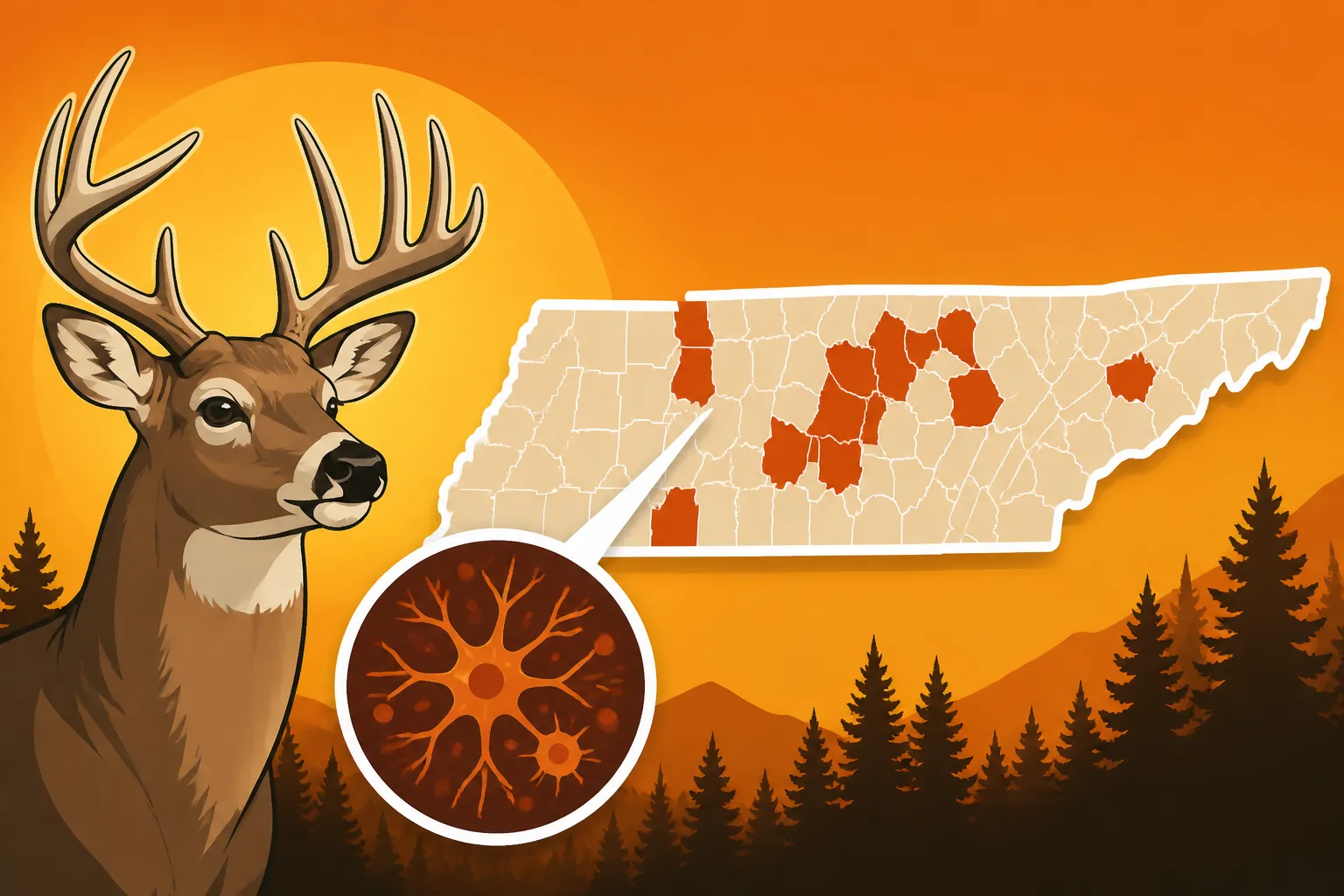
As of my last check, the CWD Management Zone in Tennessee officially encompasses 21 counties. Within this larger zone, there are currently 19 counties where CWD has been confirmed in wild deer. The remaining counties in the zone are considered "high-risk" due to their proximity to confirmed cases, meaning they are subject to the same strict regulations even if CWD hasn't been directly detected there yet. This dynamic situation means the map is always evolving, and hunters need to stay informed.
Here’s a breakdown of the counties currently in Tennessee's CWD Management Zone, noting those with confirmed positive detections:
| Category | Number of Counties | Counties (Confirmed Positive Marked with *) |
|---|---|---|
| CWD-Confirmed | 19 | Hardeman*, Fayette*, Madison*, Chester*, Lauderdale*, Haywood*, McNairy*, Shelby*, Tipton*, Crockett*, Gibson*, Dyer*, Henderson*, Lawrence*, Carroll*, Williamson*, Dickson*, Humphreys*, Maury* |
| High-Risk | 2 | Marshall, Giles |
This means that if you're hunting in any of these 21 counties, you need to be especially aware of the regulations and requirements. The TWRA regularly updates their CWD zone maps, so before you head out, always check the latest information on their website or through their Go Outdoors Tennessee app. This app is incredibly useful for finding the exact boundaries of these zones, as well as accessing your license and harvest reporting tools.
The expansion of the zone, with counties like Williamson and Dickson recently added to the confirmed list, illustrates that CWD is still actively spreading and remains a critical challenge. The TWRA has comprehensive maps on their site, visually showing the current Tennessee's Chronic Wasting Disease Management Zone and where each individual county falls.
Understanding the Geographic Progression of CWD
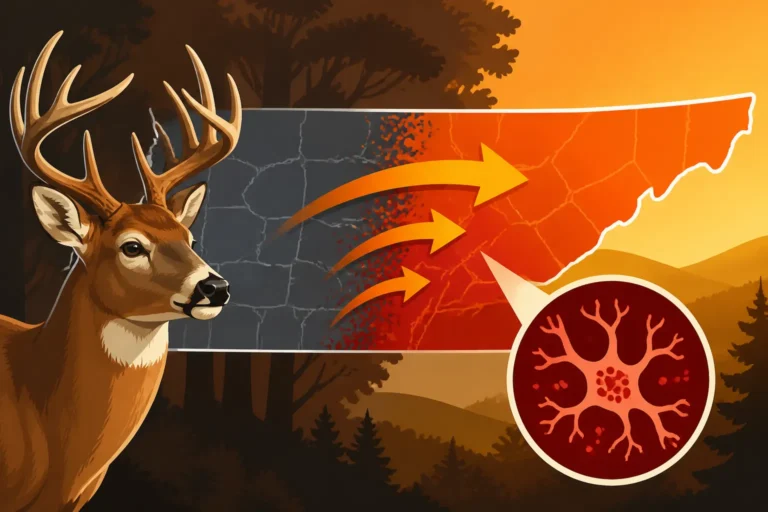
The initial detections in Hardeman and Fayette counties were alarming enough, but the subsequent eastward progression of CWD has truly underscored the challenge of containing this disease. What started in the far southwestern corner has steadily moved inland, with How CWD Spread East From West Tennessee being a topic of intense study and concern for wildlife biologists.
Several factors contribute to this spread. First and foremost, deer are mobile. A buck's home range can extend for miles, especially during the rut, and younger deer disperse to find new territories. This natural movement is an effective vector for the disease. Second, the environment plays a role. CWD prions are incredibly persistent; they can contaminate soil, plants, and water sources for years, acting as a reservoir for infection even after an infected deer has died. Third, human activity, unintentional as it may be, contributes. Moving infected carcasses, even partially, out of a CWD-positive zone can introduce prions to new areas. This is why regulations on Moving Deboned Venison Out of the CWD Zone are so critical, restricting hunters to only transporting deboned meat, clean antlers, and certain other parts when leaving an affected area.
The spread isn't uniform; some areas might see a slower progression than others due to habitat differences, deer density, or geographical barriers. However, the consistent expansion of the CWD-positive footprint, pushing into Middle Tennessee with recent detections in counties like Why Dickson County's First Case Matters and Why Williamson County's First Case Surprised Hunters, shows that this is an ongoing battle requiring sustained vigilance from all of us.
Navigating CWD Regulations and Your Role as a Hunter
The introduction of CWD has brought with it a host of new rules and responsibilities for Tennessee hunters. While these regulations can sometimes feel like an added burden, they are absolutely vital for managing the disease and protecting our deer. Understanding and adhering to them isn't just about compliance; it's about being a responsible conservationist.
Essential Rules for Hunting in CWD-Designated Areas
If you're hunting anywhere within the CWD Management Zone, whether it's a confirmed positive county or a high-risk one, there are specific regulations you must follow. The most significant of these revolves around carcass movement and mandatory testing. You cannot transport whole carcasses or most intact deer parts out of the CWD Management Zone. This is a critical measure to prevent the accidental spread of prions to new areas.
What can you take out? Generally, it's deboned meat, cut antlers (especially those attached to a skull plate that has been cleaned of all tissue), hides (processed or tanned), and taxidermy-ready skulls that have been thoroughly cleaned. For many hunters, this means adapting their field dressing and processing routines, often requiring more extensive work on-site or at a local processor within the CWD zone. The TWRA's guidance on Tennessee Carcass Deboning Requirements goes into much more detail on what's permissible.
Additionally, in some specific counties within the CWD Management Zone, there might be mandatory testing requirements during certain periods, particularly during opening weekends of firearm seasons. Always check the latest TWRA regulations for the specific county you're hunting. These rules are non-negotiable, and violations can lead to serious penalties. The best way to stay current is to regularly consult the TWRA website or use a reliable hunting app like GoHunt, which often integrates state-specific regulations and boundaries directly into its mapping features.
The Earn-A-Buck Program and Other Management Efforts
Beyond restrictions, the TWRA has also implemented programs designed to incentivize hunter participation in CWD surveillance and management. One notable initiative is the "Earn-A-Buck" program. This program, outlined in detail within Tennessee's Earn-a-Buck CWD Program, allows hunters who harvest and submit an antlerless deer for CWD testing in a designated county to earn a bonus antlered deer tag. This isn't just a perk; it's a strategic way to increase the number of deer harvested and tested, which helps biologists gather more data on CWD prevalence and manage herd densities, both crucial for fighting the disease.
The idea behind Earn-A-Buck is twofold: it encourages the harvest of antlerless deer, which can help manage herd numbers and potentially slow disease transmission, and it provides valuable samples for testing. The more samples tested, the better the TWRA understands the disease's distribution and prevalence. Other management efforts include targeted culling in certain areas, enhanced surveillance, and ongoing research into CWD. These are not simple solutions, and they require continuous monitoring and adjustment, reflecting the complex nature of managing CWD.
Resources for Responsible CWD Management
As a hunter, being proactive and informed is your greatest tool in the fight against CWD. The TWRA provides a wealth of resources, and you should make it a habit to use them. The official TWRA website is your primary source for up-to-date information, including detailed maps of the CWD Management Zone, current regulations, and news releases.
When it comes to testing, knowing where and how to submit a sample is key. The TWRA has established numerous CWD sampling stations across the state, especially within and around the CWD Management Zone. These can be physical drop-off sites, staffed stations during peak hunting days, or self-serve kiosks. You can find detailed information on Tennessee CWD Testing for Hunters and specifically Finding a Tennessee CWD Sampling Station on the TWRA website. It's often helpful to plan your route home from your hunting spot to include a stop at a sampling station.
Furthermore, technology can be a huge asset. The Go Outdoors Tennessee app is invaluable for carrying proof of your license, reporting your harvest (which is mandatory for all deer in Tennessee, usually within 48 hours, as detailed in Reporting a Tennessee Deer Harvest Online), and importantly, checking CWD zone boundaries on the go. Many hunters also use third-party apps like GoHunt that integrate TWRA regulations and property boundaries, allowing you to visually see if you’re in a CWD zone while you're scouting or hunting. These tools make it much easier to stay compliant and make informed decisions, ensuring you're doing your part to protect our deer herd and hunting future.
The Future of Deer Hunting in a CWD-Impacted Tennessee
The presence of Chronic Wasting Disease is undoubtedly one of the most significant challenges facing deer hunting in Tennessee. It forces us to confront difficult realities and adapt our time-honored traditions. However, it's also an opportunity for hunters to demonstrate their commitment to conservation and adapt to ensure sustainable hunting for generations to come. The future of our deer herd, and the hunting experiences we cherish, will largely depend on how we collectively respond to this ongoing threat.
Adapting Hunting Strategies in Affected Zones
Hunting in a CWD-affected county often requires a shift in mindset and strategy. Gone are the days when you might just harvest a deer and head straight home without a second thought about where that carcass is going. Now, if you're in the CWD Management Zone, you need to consider carcass disposal, deboning, and testing as integral parts of your hunt plan.
For example, hunters might choose to hunt more frequently in CWD-positive counties, contributing to the management goal of reducing deer densities where the disease is prevalent. This might mean prioritizing antlerless deer harvests, especially if you're participating in the Earn-A-Buck program. It also means being prepared for field processing, carrying extra game bags, and having a plan for transporting deboned meat. Instead of a quick trip to the processor, you might need to set up a field processing station or use a reputable processor located within the CWD zone.
Scouting also takes on a new dimension. While hunters have always looked for signs of healthy deer, now there's an added vigilance for any deer showing signs of illness – extreme emaciation, excessive drooling, or an unusual lack of awareness. Reporting these sightings to the TWRA is a critical step in early detection and preventing further spread. This heightened awareness, though a product of an unfortunate situation, deepens our connection to the health of the herd and the land.
The Importance of Continued Hunter Engagement
Without the active participation and cooperation of Tennessee’s hunters, the fight against CWD would be severely hampered. Our collective efforts in adhering to regulations, submitting samples for testing, and reporting sick animals are the most powerful tools in slowing the spread of this disease. It's easy to get frustrated by new rules or the inconvenience of testing, but it's essential to remember the long-term goal: a healthy deer herd for the future.
This engagement isn't just about following rules; it's about being an advocate. Talk to other hunters, share accurate information, and encourage responsible practices. The TWRA relies heavily on hunters as their eyes and ears in the field, making us partners in wildlife management. This sense of shared responsibility unites the hunting community and strengthens our bond with the resource. Whether you're hunting the majestic mountains of East Tennessee, the rolling hills of the Cumberland Plateau, or the fertile bottomlands of West Tennessee, CWD is a statewide concern that demands a unified response.
Hope and Ongoing Research
While CWD presents a formidable challenge, it's not a reason to lose hope. Wildlife agencies, including the TWRA, universities, and research institutions across the country, are continuously working to understand CWD better and develop more effective management strategies. There's ongoing research into CWD resistance in deer, new detection methods, and ways to mitigate environmental contamination.
The dedicated efforts of biologists and conservationists, coupled with the commitment of hunters, offer the best path forward. By adapting, staying informed, and actively participating in management efforts, we can work towards minimizing CWD's impact and safeguarding the future of deer hunting in Tennessee. It's a long road ahead, but with sustained vigilance and collaboration, we can continue to enjoy the incredible hunting opportunities our state offers.
Disclaimer
Please note: The information provided in this article is intended for general guidance and informational purposes only. Hunting regulations, CWD management zones, and county designations are subject to change. Always consult the official Tennessee Wildlife Resources Agency (TWRA) website or app for the most current and accurate regulations before engaging in any hunting activities. Adherence to all local, state, and federal laws is the responsibility of the individual hunter.