Which Counties Sit Inside Tennessee’s CWD Zone
Navigating the ever-changing landscape of deer hunting regulations in Tennessee can feel like trying to hit a moving target, especially when it comes to Chronic Wasting Disease (CWD). The stress of wanting to do the right thing, avoid violations, and protect our cherished deer herd is real, and the shifting boundaries of the CWD zone can certainly add to that anxiety. This guide is here to untangle the complexities, clearly outlining which counties currently fall within Tennessee's CWD management zone and what that truly means for you as a hunter.
Understanding Tennessee's CWD Zone
For many of us, the news of Chronic Wasting Disease arriving in Tennessee was a gut punch. It's a scary disease, and the uncertainty it brings can cast a shadow over what should be a joyous time in the woods. The Tennessee Wildlife Resources Agency (TWRA) has been working tirelessly to monitor and manage its spread, and understanding their efforts, and our role in them, starts with knowing what CWD is and why these zones are so important.
The Science Behind Chronic Wasting Disease
Chronic Wasting Disease is a neurological disease that affects cervids, which includes our beloved white-tailed deer, elk, and moose. It's caused by abnormal proteins called prions, not a bacteria or virus, which makes it particularly challenging. These prions accumulate in the brain and other tissues, leading to a host of debilitating symptoms like extreme weight loss, stumbling, drooling, and a general lack of fear of humans. It's always fatal, and unfortunately, there's no known cure or vaccine. The scary part is how long the disease can incubate in an animal before symptoms show, meaning a deer can appear perfectly healthy but still be carrying and spreading the prions. This long incubation period and the resistance of prions to traditional disinfectants are part of what makes CWD such a formidable threat to deer populations.
Why CWD Management is Crucial for Tennessee Hunters
The implications of CWD are profound, not just for the deer but for the entire hunting community and even our state's economy. A healthy deer herd is vital for Tennessee, supporting a rich ecosystem and generating significant revenue through hunting licenses, gear sales, and related tourism. If CWD were to spread unchecked, it could decimate local deer populations, leading to reduced hunting opportunities, fewer deer in the woods, and potentially even impacting the long-term viability of hunting traditions in certain areas. That's why the TWRA has implemented specific CWD management zones. These zones aren't just arbitrary lines on a map; they're a critical tool to contain the disease, gather data, and slow its spread. As hunters, we are on the front lines, and our cooperation with these regulations is the most powerful tool we have in this fight. Without our vigilance and adherence to rules like Tennessee's Chronic Wasting Disease Management Zone protocols, the task of controlling CWD becomes exponentially harder.
A County-by-County Breakdown of the CWD Zone
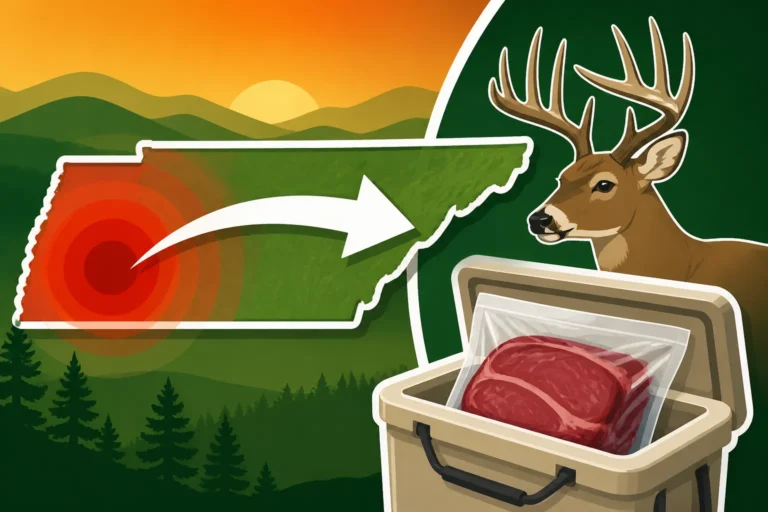
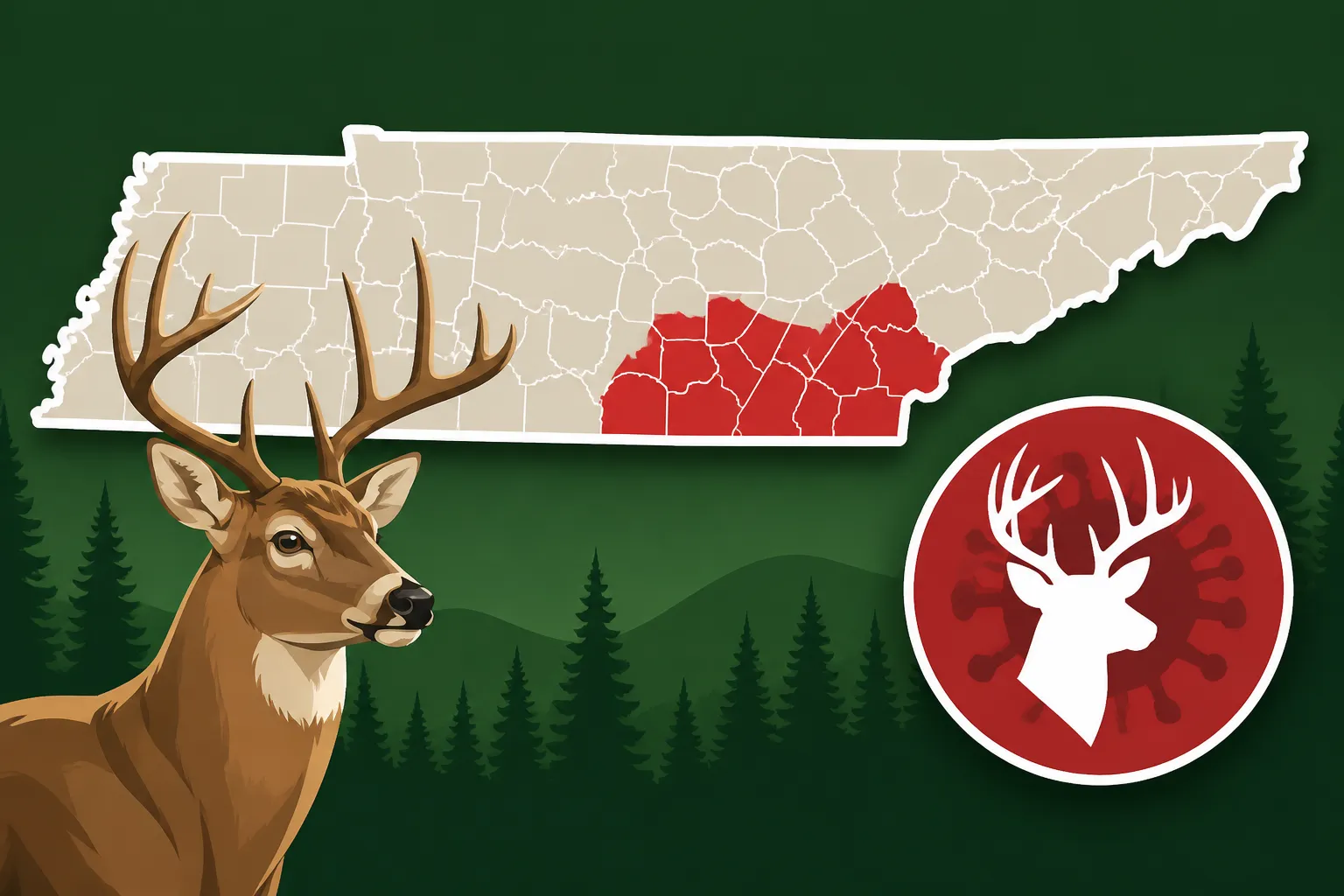
The CWD zone in Tennessee has expanded since the first detection, a sobering reminder of how persistent and challenging this disease is. It's important to understand that the zone isn't static; it can change based on new detections and ongoing monitoring. Generally, these zones are categorized into "CWD-Positive" counties where the disease has been confirmed in wild deer, and "High-Risk" or "Buffer" counties that border CWD-Positive areas and therefore have a higher likelihood of future detection. Knowing exactly Which County Found Tennessee's First CWD Case in the southwest part of the state helps understand the initial epicenter and the general direction of spread.
Primary CWD Positive Counties
As of the latest updates, the primary CWD-positive counties are concentrated mostly in West Tennessee and have gradually spread eastward. These are the areas where the TWRA has confirmed cases in wild deer and where the most stringent regulations are typically in place. This list is subject to change, so always double-check the latest TWRA regulations, but these are generally considered the core CWD counties:
- Bledsoe County: While not in West Tennessee, Bledsoe joined the CWD-positive list in late 2023, marking a significant eastward jump.
- Chester County: One of the earlier counties to be designated positive.
- Crockett County: Another West Tennessee county with confirmed CWD cases.
- Dickson County: This county's inclusion was a wake-up call for many Middle Tennessee hunters, as Why Dickson County's First Case Matters underscored the disease's movement.
- Fayette County: Situated along the Mississippi border, it was among the first counties to be affected.
- Giles County: A more recent addition to the CWD-positive list, showing continued expansion.
- Hardeman County: Another border county in West Tennessee, part of the early detections.
- Haywood County: Confirmed cases here led to its inclusion.
- Henderson County: Part of the original cluster of CWD-positive counties.
- Henry County: Located in Northwest Tennessee, it has also seen confirmed cases.
- Hickman County: This county in Middle Tennessee has unfortunately joined the positive list.
- Humphreys County: Not far from Dickson, it's another Middle Tennessee county grappling with CWD. How CWD Reached Humphreys County is a topic many hunters have discussed.
- Lake County: Far western Tennessee, bordering Reelfoot Lake.
- Lauderdale County: Another West Tennessee river county with confirmed CWD.
- Madison County: A central West Tennessee county that has been CWD-positive for some time.
- McNairy County: Southern West Tennessee, also among the earlier positive counties.
- Montgomery County: A significant addition further north in Middle Tennessee, near the Kentucky border.
- Obion County: Northwest Tennessee, near the Kentucky and Missouri borders.
- Perry County: Situated in Middle Tennessee along the Tennessee River.
- Shelby County: Home to Memphis, this urban county has confirmed cases.
- Stewart County: Another county along the Kentucky border in Middle Tennessee.
- Tipton County: West Tennessee county north of Memphis.
- Wayne County: Southern Middle Tennessee, also a newer positive addition.
- Weakley County: Northwest Tennessee, an early CWD county.
- Williamson County: The presence of CWD here, especially given its proximity to Nashville, was significant, and Why Williamson County's First Case Surprised Hunters is a point of concern for many.
Buffer and High-Risk Counties
Beyond the CWD-positive counties, the TWRA designates "High-Risk" or "Buffer" counties. These are adjacent to positive counties and are considered to have an elevated risk of CWD due to deer movement. While regulations might not be as strict as in CWD-positive counties, there are still important rules that apply to hunters in these areas, particularly regarding carcass transport. Hunters using mapping tools like GoHunt often utilize the public lands layer to identify if a particular hunting spot, even if on the edge, falls within one of these critical zones, helping them stay compliant.
- Benton County: Adjacent to several CWD-positive counties.
- Carroll County: Surrounded by CWD-positive areas in West Tennessee.
- Coffee County: A newer buffer county due to CWD's eastward spread.
- Decatur County: Borders CWD-positive counties along the Tennessee River.
- Fentress County: Became a buffer county with the spread to Bledsoe.
- Franklin County: Another southeastern Middle Tennessee county now in the buffer zone.
- Giles County: As mentioned, recently moved to positive, but was a buffer before.
- Grundy County: Adjacent to Bledsoe County.
- Lawrence County: Borders CWD-positive counties in southern Middle Tennessee.
- Lewis County: Located between multiple CWD-positive counties.
- Lincoln County: Southern border county, now in the buffer zone.
- Marshall County: North of Giles County.
- Maury County: Adjacent to Hickman and Williamson counties.
- Moore County: Smallest county in Tennessee, now a buffer.
- Rutherford County: Home to Murfreesboro, now a buffer county.
- Van Buren County: Borders Bledsoe County.
- White County: Adjacent to Bledsoe and Cumberland counties.
It's vital to remember that these classifications are not permanent. The TWRA regularly updates its CWD zone map based on new detections and ongoing surveillance. Always check the official TWRA website or use their Go Outdoors Tennessee app for the most current information before heading afield.
Here's a simplified table summarizing the counties, but always verify with TWRA's official resources:
| CWD Zone Status | Counties (Examples, not exhaustive) | Key Rule Impact |
|---|---|---|
| CWD Positive | Bledsoe, Chester, Crockett, Dickson, Fayette, Giles, Hardeman, Haywood, Henderson, Henry, Hickman, Humphreys, Lake, Lauderdale, Madison, McNairy, Montgomery, Obion, Perry, Shelby, Stewart, Tipton, Wayne, Weakley, Williamson | Mandatory carcass transportation restrictions; often mandatory CWD testing on specific days/locations; Earn-a-Buck |
| High-Risk/Buffer | Benton, Carroll, Coffee, Decatur, Fentress, Franklin, Grundy, Lawrence, Lewis, Lincoln, Marshall, Maury, Moore, Rutherford, Van Buren, White | Carcass transportation restrictions apply to prevent spread out of these counties. |
Recent Additions to the CWD Zone
The eastward creep of CWD has been a major concern, and recent additions like Bledsoe County, Williamson County, and Giles County to the CWD-positive list have certainly raised eyebrows among hunters across the state. For many years, CWD was primarily a West Tennessee issue, and Why CWD Keeps Spreading East in Tennessee is a complex question involving deer movement, human activity, and sampling efforts. These new positive detections mean that areas once thought safe or distant from the main CWD hot zones are now part of the active management area. This expansion underscores the importance of staying informed and adapting our hunting practices, even if your traditional hunting grounds weren't previously impacted. It serves as a stark reminder that CWD is a statewide issue requiring a collective response.
Navigating the Rules and Regulations in CWD Counties
Hunting in a CWD zone means a few extra steps and considerations, but none of them are overly burdensome, especially when you consider the stakes. The TWRA has put these regulations in place to give our deer herd the best chance against CWD, and it's our responsibility as ethical hunters to follow them diligently. This isn't just about avoiding a ticket; it's about being part of the solution.
Special Carcass Deboning Requirements
One of the most critical rules in CWD-positive and high-risk counties involves how you handle your harvested deer, particularly if you plan to transport it across county lines. The TWRA has strict Tennessee Carcass Deboning Requirements designed to prevent the movement of high-risk parts, like the brain and spinal cord, which are known to harbor the CWD prions.
Basically, if you harvest a deer in a CWD-positive or high-risk county, you cannot take the whole carcass out of that county or an adjacent CWD county. What can you take?
- Deboned meat: This is the safest way to transport your venison. All meat separated from the bone, with no brain or spinal cord material attached.
- Antlers or antlers attached to a clean skull plate: The skull plate must be free of all brain tissue. You can’t just haul a full head out of the zone.
- Clean hides: Free of any head or spinal column material.
- Teeth.
- Finished taxidermy products.
This means if you're hunting in, say, Chester County, and you live in a CWD-negative county like Rutherford, you need to either process your deer fully before leaving Chester County, or take it to a certified processor within the CWD zone. Many hunters now opt for the Deboning Venison Before Leaving the CWD Zone method right in the field, which not only complies with regulations but also makes the animal much lighter to carry out. It’s a bit more work up front, but it’s a crucial step in preventing further spread.
Mandatory CWD Testing and Sampling Stations
In CWD-positive counties, the TWRA often implements mandatory CWD testing for harvested deer, especially during the opening weekends of gun season. This is a vital part of their surveillance program to track the disease's prevalence and geographic spread. You'll typically find designated Tennessee CWD Testing for Hunters sampling stations set up at convenient locations like county fairgrounds, fire departments, or TWRA offices.
When mandatory testing is in effect, you'll need to bring your deer (or at least the head) to one of these stations within a specified timeframe after harvest. TWRA staff will collect a tissue sample, usually from lymph nodes in the neck, and then you're free to go. The results are typically available online later. It's not a huge inconvenience, and it provides invaluable data for wildlife managers. Even when testing isn't mandatory, hunters are highly encouraged to submit samples. Look for voluntary drop-off points throughout the season. These efforts are crucial because they help the TWRA understand the true scope of the disease and adapt their management strategies accordingly. Using resources like the GoHunt app can sometimes help locate these stations or provide alerts on mandatory testing days.
The Earn-a-Buck Program in CWD Zones
Another innovative management tool implemented in CWD-positive counties is the "Earn-a-Buck" program. This program is designed to incentivize the harvest of antlerless deer, which helps control deer populations and can slow the spread of CWD by reducing deer density. If you're hunting in a CWD-positive county, you might find that harvesting an antlerless deer and submitting it for CWD testing can earn you a bonus antlered deer tag. Tennessee's Earn-a-Buck CWD Program specifically aims to reduce overall deer numbers, which can help limit transmission rates within the herd.
The specifics of the program can vary, so always check the current TWRA hunting guide for details, but generally, here's how it works:
- Harvest an antlerless deer in a designated CWD-positive county.
- Submit the head for mandatory CWD testing at an official TWRA sampling station.
- Once the sample is collected and processed, you'll typically receive a validation or credit that allows you to harvest an additional antlered deer beyond the standard statewide bag limit.
This program provides a fantastic opportunity for hunters to contribute directly to CWD management while also putting more venison in the freezer. It reinforces the idea that every hunter plays a role in the health of Tennessee's deer herd.
Practical Hunting Strategies and Considerations in CWD Areas
Hunting in a CWD zone doesn't have to be drastically different, but a few adjustments to your routine can make a big difference in compliance and effectiveness. It's about being informed, prepared, and mindful of the unique challenges these areas present.
Scouting and Trail Camera Usage
Before you even step foot in the woods, your scouting efforts should take CWD into account. While scouting for deer sign remains the same, being aware of the CWD status of the county you're in is paramount. Tools like the Scouting With the Tennessee TWRA App are invaluable, as they often have layers showing CWD zone boundaries. This helps you understand if any special rules apply to your specific hunting parcel.
When using trail cameras, which are legal on most public and private lands in Tennessee, remember that baiting is generally prohibited in CWD-positive counties. Always check the specific regulations for your county and WMA, but the general rule of thumb is to avoid placing any food attractants that could concentrate deer and potentially facilitate disease transmission. Concentrate on natural funnels, bedding areas, and water sources instead of relying on bait piles.
Field Dressing and Meat Care in the Field
The moment of truth arrives, and you've got a deer down. How you handle it in the field in a CWD zone is critical. As mentioned with deboning, the goal is to leave high-risk materials behind. If you plan to transport the carcass out of a CWD county, or even a buffer county, plan on field deboning. This means taking the meat off the bone and leaving the spine, brain, and other prohibited materials at the kill site.
It might seem daunting at first, but with a good knife and a bit of practice, field deboning becomes quite efficient. You can then bag the deboned meat in game bags for transport. This also makes the drag out much lighter, especially if you're hunting steep terrain. For those cold November days, following advice on Field Dressing a Deer in Cold Weather is essential to preserve the meat quality, regardless of CWD status. Always carry ample game bags, sharp knives, and perhaps even some nitrile gloves for hygiene. If you plan to take your deer to a processor, make sure that processor is aware of CWD regulations and is equipped to handle deer from CWD zones.
Community and Cooperation with TWRA Efforts
Ultimately, the fight against CWD is a community effort. Hunters are the eyes and ears of the TWRA in the field. If you see a deer exhibiting symptoms consistent with CWD – things like extreme thinness, stumbling, or excessive drooling – it's crucial to report it. You can find information on Reporting a Sick Animal in Tennessee through the TWRA website or by calling your local TWRA office. Do not harvest or consume meat from a sick-looking deer.
Attending local TWRA meetings or checking their online resources frequently will keep you up-to-date on any changes in regulations or new CWD detections. Being a responsible hunter in the CWD era means being an educated hunter. Share what you learn with your hunting buddies. Encourage others to participate in voluntary testing, understand carcass transport rules, and generally be good stewards of the resource. Our collective action is the best defense we have for a healthy deer population for generations to come.
Looking Ahead: The Future of CWD in Tennessee
The reality of CWD in Tennessee is that it's likely here to stay, at least for the foreseeable future. However, that doesn't mean we throw in the towel. The TWRA, with the help of hunters, is constantly adapting and learning. Understanding the long game and how we can continue to contribute is paramount.
The TWRA's Ongoing Monitoring and Research
The TWRA is deeply invested in understanding and managing CWD. They continuously conduct surveillance, collecting thousands of samples from harvested deer each year to monitor the disease's prevalence and track its geographic spread. They also collaborate with research institutions to explore new testing methods, learn more about prion transmission, and evaluate the effectiveness of various management strategies. This isn't a static problem, and the TWRA's response isn't either. They are constantly analyzing data, including factors like Tennessee CWD Prevalence in West Tennessee and how it might impact herd health. These efforts are crucial for informed decision-making and for developing the most effective strategies to protect our deer herd. The information we provide through mandatory and voluntary testing feeds directly into this ongoing research, making every submitted sample valuable.
How Hunters Can Continue to Help
Your role as a hunter in the long-term management of CWD cannot be overstated. Beyond following the immediate regulations, there are several ways you can contribute:
- Stay Informed: Regularly check the TWRA's official website and social media channels for the latest CWD updates, regulations, and testing opportunities. The situation is dynamic, so what was true last year might not be this year.
- Comply with Regulations: This is the most important step. Adhere to all carcass transport rules, participate in mandatory testing, and understand the Earn-a-Buck program.
- Support Management Efforts: Consider participating in antlerless deer harvest programs. Reducing deer density can help slow the spread of CWD.
- Practice Good Hunter Hygiene: Properly clean all equipment, vehicles, and processing tools that come into contact with deer. While CWD isn't known to transmit to humans through consumption, basic hygiene is always a good practice.
- Report Sick Deer: If you see a deer exhibiting CWD symptoms, report it to the TWRA immediately.
- Be an Advocate: Talk to other hunters, share accurate information, and encourage responsible practices. The more educated and engaged our hunting community is, the stronger our defense against CWD will be.
By working together, we can help ensure that white-tailed deer continue to thrive in Tennessee, and that our hunting heritage remains strong for generations to come.
Disclaimer
The information provided in this guide is for general informational purposes only and is subject to change. While we strive to provide accurate and up-to-date content, hunting regulations, CWD zone boundaries, and specific rules are determined by the Tennessee Wildlife Resources Agency (TWRA) and can be updated at any time. Hunters are solely responsible for verifying all current regulations with the official TWRA hunting guide and website before engaging in any hunting activities. This guide does not constitute legal advice or an official interpretation of hunting laws.