Tennessee Disabled Hunter Permit Options
It’s a tough pill to swallow when a health challenge or an unexpected accident changes your life, especially if it impacts your ability to enjoy the outdoors. For many of us, hunting isn't just a hobby; it's a deep-seated passion, a connection to the land and tradition. The good news is that here in Tennessee, there are specific provisions and permit options designed to help disabled hunters continue to pursue their love for the chase. This guide will walk you through the various options available, how to navigate the application process, and ensure you can still experience the thrill of hunting in our beautiful state.
Understanding Eligibility for Disabled Hunter Permits
When we talk about disabled hunter permits, it’s not a one-size-fits-all situation. The Tennessee Wildlife Resources Agency (TWRA) has specific criteria for what constitutes a qualifying disability, and it’s important to understand these distinctions before you even start thinking about applications. Many hunters find themselves wondering if their particular challenge fits the bill, and that's a perfectly valid question. Let's break down the common categories and what they mean for you.
Physical Mobility Impairments
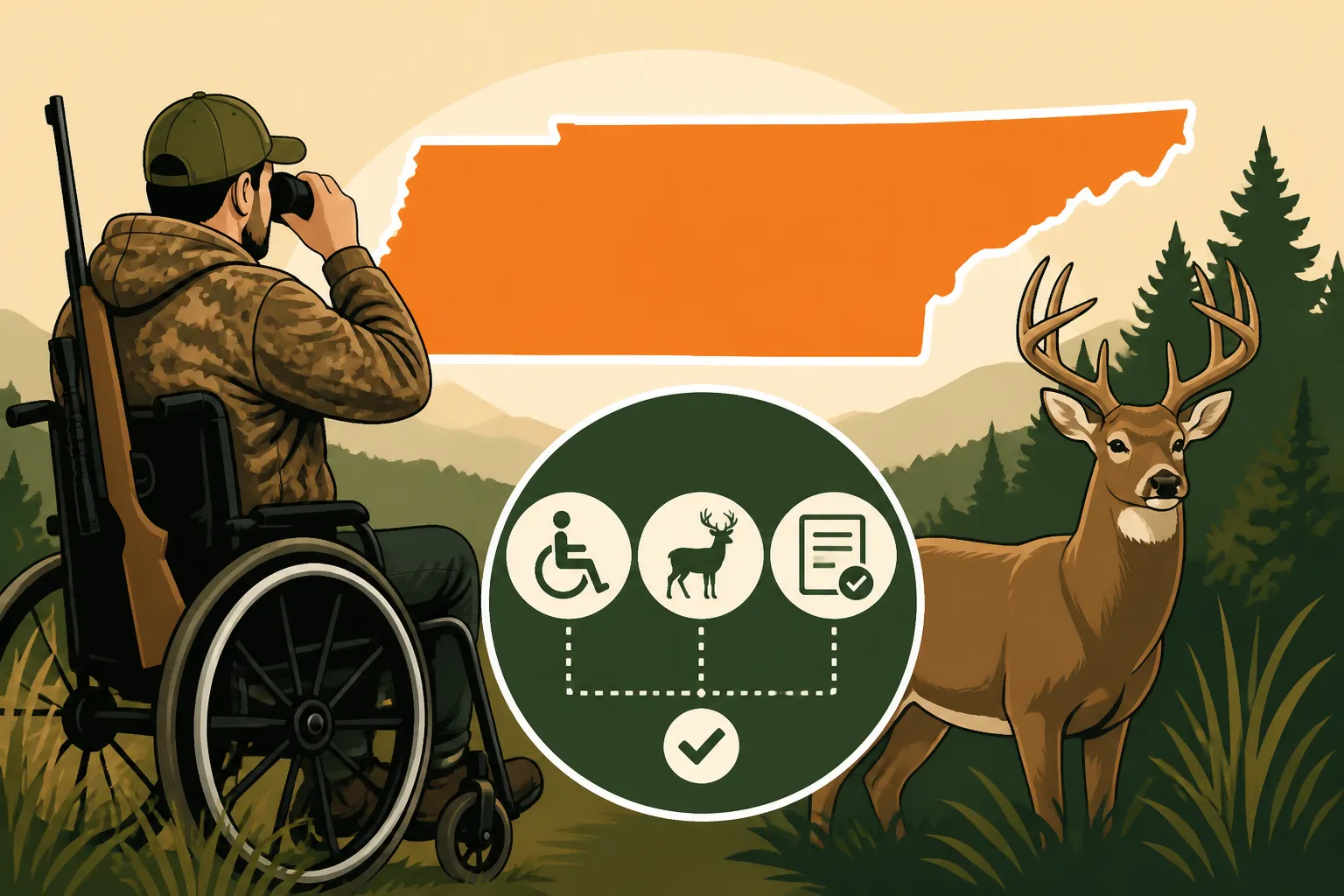
This is perhaps the most recognized category. If you have a permanent physical disability that significantly impairs your mobility, you likely qualify for certain permits. This isn't just about being in a wheelchair, though that's certainly a clear case. It extends to individuals who use crutches, walkers, or other mobility aids, or those who have lost the use of a limb. The key is that the impairment must be substantial enough to prevent you from being able to hunt effectively or safely under conventional regulations. For instance, a hunter who has lost a leg and struggles to traverse rough terrain might be granted special privileges regarding vehicle use in certain areas or may qualify for a permit that allows a non-disabled person to assist them more directly than usual. The intent is to level the playing field, not to create an unfair advantage.
Visual and Hearing Impairments
While physical mobility is often the focus, other sensory impairments can also qualify a hunter for specific accommodations. Severe visual impairment, for example, might make it unsafe or impossible for a hunter to aim a firearm accurately. Similarly, profound hearing loss could make it difficult to perceive approaching game or hear safety commands from hunting partners. The TWRA recognizes that these challenges can be just as significant as physical ones. For these types of disabilities, permits often focus on allowing assistance from another hunter, ensuring that someone with full sensory capabilities can help spot game, give directional cues, or ensure safety without violating regulations about tagging or shooting. It’s all about creating an environment where every hunter can participate as fully and safely as possible.
Permanent Versus Temporary Conditions
One of the biggest questions that often comes up is whether a temporary injury or a less severe chronic condition counts. Generally, TWRA's disabled hunter permits are designed for individuals with permanent disabilities. This means conditions that are not expected to improve or that are progressive and long-lasting. A broken leg that will heal in six months, for instance, typically wouldn't qualify for a permanent disabled hunter permit. However, there might be specific provisions or waivers for shorter-term situations in some cases, often requiring very specific medical documentation. It’s always best to consult directly with the TWRA if your condition is not clearly permanent, as every case can be unique, and regulations do evolve. Understanding this distinction early on can save you a lot of time and frustration in the application process.
Key Permit Options for Disabled Hunters
Tennessee offers several avenues for hunters with disabilities to continue enjoying the sport. These permits are designed to address different needs and ensure that, with the right documentation, you can gain access to opportunities and accommodations that make hunting feasible. It’s worth noting that some of these permits also come with significant cost benefits, which can be a huge help to many families.
Mobility-Impaired Hunter Permits
The TWRA provides specific permits tailored for individuals with severe mobility impairments. These are often referred to as "mobility-impaired hunter" permits, and they grant privileges that are otherwise restricted. For example, a common frustration for hunters with limited mobility is navigating large areas of public land or getting to their stand. These permits can sometimes allow for the use of ATVs, side-by-sides, or other motorized vehicles on designated routes or during specific hunts where such use is typically forbidden. This makes a world of difference for reaching remote areas that would otherwise be inaccessible.
Another critical aspect of these permits is access to specially designated hunting opportunities. Many Wildlife Management Areas (WMAs) in Tennessee have developed accessible hunting blinds or areas. For instance, some WMAs might host specific quota hunts for mobility-impaired hunters, providing easier access to prime hunting spots. Tools like GoHunt can be incredibly useful here, as their mapping features often highlight WMA boundaries and terrain, helping you visualize potential access routes and understand the landscape even before you apply for a specific hunt. Always remember to check the specific WMA regulations for any hunt you plan to participate in, as even with a permit, rules can vary.
Disabled Veteran Hunting and Fishing Licenses
Tennessee deeply values the service and sacrifice of its veterans, and this is reflected in the hunting and fishing license options. Veterans with a service-connected disability are often eligible for significantly reduced-cost or even free lifetime hunting and fishing licenses. This isn't just a permit; it's a comprehensive license package that covers most hunting and fishing activities in the state, year after year. The exact percentage of disability often dictates the level of benefit. For example, veterans with a 30% or greater service-connected disability rating from the VA may qualify for a permanent hunting and fishing license.
This particular option is a massive benefit, removing the financial barrier to entry for many who have already given so much. It's not just about deer; these licenses typically cover a wide range of game, including turkeys, small game, and even waterfowl, provided you still obtain any necessary federal stamps or supplemental permits. Understanding your veteran benefits is crucial, so if you're a disabled veteran, make sure you explore these opportunities through the TWRA and the Department of Veterans Affairs. This can truly open up a lifetime of outdoor enjoyment without the recurring cost of annual licenses, making it easier to go on that hunt for Tennessee's Restored Elk Herd or just enjoy a quiet morning in a deer stand.
Permits for Assistance in Hunting
Sometimes, the disability isn't about getting to the spot, but rather performing the act of hunting itself. This is where permits allowing for assistance become invaluable. These permits acknowledge that a disabled hunter might need help beyond what general regulations typically allow. For example, a hunter with severe visual impairment might need a non-disabled partner to aim their firearm or crossbow. Or a hunter with limited hand dexterity might require assistance loading their muzzleloader or operating certain gear.
The TWRA offers specific forms and procedures to designate an "assistant hunter" who can perform certain actions that would otherwise be considered unlawful. This doesn't mean the assistant gets to tag the animal; the kill must still be attributed to the disabled hunter. However, it ensures that the core hunting experience remains accessible. These permits maintain the spirit of hunting while ensuring safety and compliance. When considering this option, clarity is key. Both the disabled hunter and their assistant must fully understand the rules to avoid any misunderstandings or violations in the field. This type of permit is a testament to the TWRA's commitment to inclusivity, helping hunters maintain their outdoor lifestyle even when facing significant challenges.
Here's a quick overview of some common disabled hunter permit options in Tennessee:
| Permit Type | Eligibility Criteria | Key Privileges | Notes |
|---|---|---|---|
| Type 101: Mobility Impaired Hunt Permit | Permanent physical disability limiting mobility; documented by a physician. | Potential for vehicle use on designated routes, access to special mobility-impaired hunts. | Specific vehicle types and access points vary by WMA and hunt. |
| Disabled Veteran License | Service-connected disability (e.g., 30% or more, depending on specific benefit type); VA documentation. | Discounted or free lifetime hunting & fishing licenses. | Covers most game; federal stamps/supplemental permits still required for some species. |
| Permit for Assistance in Hunting | Severe physical or sensory disability requiring direct aid to hunt safely and effectively. | Allows a designated non-disabled assistant to perform specific actions (e.g., aiming, loading) for the disabled hunter. | Assistant must be licensed; game must be tagged by the disabled hunter. |
Applying for Your Permit and Key Considerations
Navigating the application process can sometimes feel like a hunt in itself, especially when dealing with medical documentation and specific regulations. But with a clear understanding of what's required, you can ensure a smooth process and get back to what you love doing.
Documentation Requirements
The most critical part of any disabled hunter permit application is the documentation. The TWRA needs official proof of your disability to ensure that permits are issued appropriately and to those who truly qualify. This almost always means a statement from a licensed physician, detailing the nature of your permanent disability, how it impacts your ability to hunt under normal regulations, and certifying its permanence.
For disabled veteran licenses, you'll need official documentation from the Department of Veterans Affairs (VA) confirming your service-connected disability rating. This usually comes in the form of a letter from the VA. It’s crucial that all documentation is current, clearly states the necessary information, and is signed by the appropriate medical or VA official. Without this, your application will likely be delayed or denied. Always make copies of everything you submit and keep them for your records. The TWRA website will have specific forms that your physician will need to complete, so make sure they have the correct paperwork.
Where and How to Apply
Once you have all your ducks in a row with the documentation, it's time to submit your application. Most applications for disabled hunter permits and licenses can be submitted through the TWRA's licensing system. This can often be done online via the Go Outdoors Tennessee portal, by mail, or in person at a TWRA regional office. For veterans' licenses, you might need to visit a regional office or mail in your VA documentation along with a completed application form.
The Go Outdoors Tennessee platform is incredibly user-friendly for general license purchases, but for specialized permits like those for disabled hunters, it often directs you to print specific forms that require physician signatures. So, while you can initiate the process online and research what you need, expect to handle some paperwork manually. My advice is to call your local TWRA regional office before you begin. They can often provide the most up-to-date information on application procedures and specific requirements, preventing any wasted trips or unexpected hurdles. Remember that application processing times can vary, so it’s always wise to apply well in advance of hunting season, especially if you're looking to participate in specific managed hunts.
Renewals and Updates
Just like standard hunting licenses, some disabled hunter permits may require periodic renewal, while others, particularly lifetime veteran licenses, are permanent. For permits that grant specific accommodations, like vehicle use on WMAs, you may need to renew them annually or biannually, ensuring that your medical certification is still valid. It’s your responsibility as a hunter to keep your permits current and to inform the TWRA of any changes to your disability status that might affect your eligibility.
Staying on top of renewal dates and any updates to regulations is essential. Many hunters find it helpful to set calendar reminders or even sign up for TWRA email alerts to ensure they don't miss important deadlines. If you’re a disabled veteran with a lifetime license, you typically won't need to worry about renewals, but it’s always a good idea to periodically verify your status and ensure all your information is up-to-date with the TWRA. This diligence helps keep you legal in the field and ensures you can continue enjoying the outdoor traditions you cherish, whether you're trying Still-Hunting Cumberland Plateau Ridges or setting up a ground blind.
Beyond Permits: Making Hunting Accessible
Getting the right permit is a huge step, but it's often just the beginning. True accessibility in hunting involves considering equipment, scouting, and the broader community that supports disabled hunters. Tennessee has made great strides in this area, but there’s always more to learn and explore.
Accessible Hunting Areas and WMAs
The TWRA has been working to enhance accessibility on public lands. Many Wildlife Management Areas (WMAs) now feature designated accessible blinds, paved or gravel access roads, and easier-to-navigate trails. These efforts aim to provide opportunities for hunters using wheelchairs, mobility scooters, or other aids. When planning a hunt, look for information on specific WMAs that highlight accessible features. Websites like GoHunt can complement official TWRA resources by providing detailed topographic maps and satellite imagery, helping you scout terrain from home and identify areas that might be more navigable for your specific needs. Calling the WMA manager directly can also provide invaluable on-the-ground information about current conditions and accessibility options. These areas offer fantastic opportunities for Hunting West Tennessee Bottomland Deer or setting up for smaller game.
Adaptive Equipment and Technologies
The world of adaptive hunting equipment has exploded in recent years, offering innovative solutions for a wide range of disabilities. This isn't just about specialized wheelchairs; it includes everything from shooting rests and mounts for firearms that can be operated with limited dexterity, to voice-activated game calls, and electronic hearing protection that amplifies crucial sounds while blocking out harmful ones. Some manufacturers, like those producing specialized shooting tables or mechanical aiming devices, are truly changing the game.
For hunters with severe mobility issues, all-terrain track chairs have become a game-changer, allowing access to terrain previously impossible. Even something as simple as a sturdy, comfortable ground blind can make a world of difference for a hunter who cannot sit in a traditional treestand. Researching these technologies can empower you to find solutions that directly address your specific challenges, opening up new possibilities for your hunting adventures. Choosing the right gear is just as important as your permit; check out guides like Clothing for a Tennessee Late Season to ensure you're comfortable and safe too.
Community and Support Networks
Perhaps one of the most powerful resources for disabled hunters isn't a permit or a piece of equipment, but the community itself. Organizations like the National Wild Turkey Federation (NWTF) and various local hunting clubs often host mentored hunts for disabled individuals, providing not just access but also camaraderie and support. These events are fantastic opportunities to learn from experienced hunters, try new techniques, and connect with others who understand the unique joys and challenges of hunting with a disability.
Online forums and social media groups dedicated to disabled hunters can also be invaluable for sharing tips, asking questions, and finding hunting partners. Many local chapters of national conservation organizations are eager to help disabled hunters get back into the field. Don't underestimate the power of simply reaching out. Tennessee’s hunting community is full of generous and supportive individuals who are often more than willing to lend a hand, share a spot, or offer advice. These networks can truly transform your hunting experience, ensuring you're never alone in your passion. For example, finding a mentor through one of these groups could be a great way to learn about Tennessee's Chronic Wasting Disease Management Zone and how to hunt within it.
Conclusion: Your Journey Continues
Having a disability doesn't mean your days afield are over. With Tennessee's comprehensive range of disabled hunter permit options, coupled with evolving adaptive equipment and a supportive community, you can absolutely continue to pursue your passion for hunting. The key is to understand the regulations, gather the necessary documentation, and proactively seek out the resources available to you. Whether you're applying for a specialized mobility permit, taking advantage of veteran benefits, or seeking assistance in the field, the TWRA and the broader hunting community are here to help. Don't let anything stop you from enjoying the rich hunting traditions Tennessee has to offer.
Disclaimer
Please note that hunting regulations, license requirements, and permit options are subject to change. This guide provides general information based on current knowledge. Always consult the official Tennessee Wildlife Resources Agency (TWRA) website or contact them directly for the most up-to-date and specific information before planning your hunt.