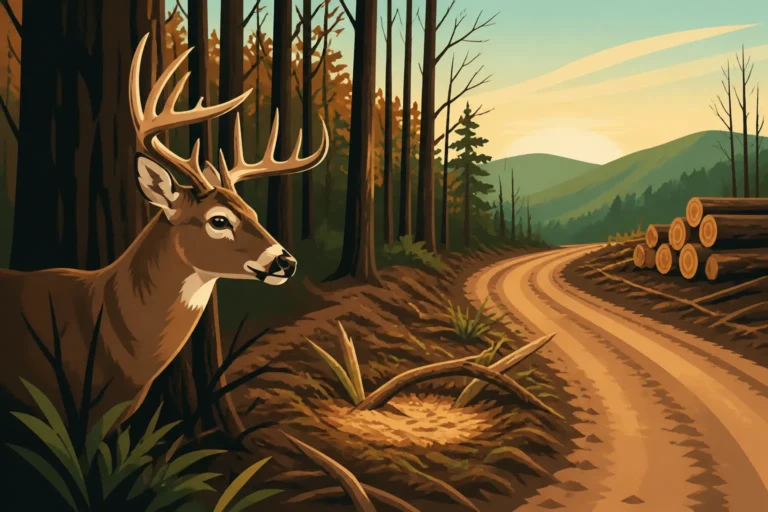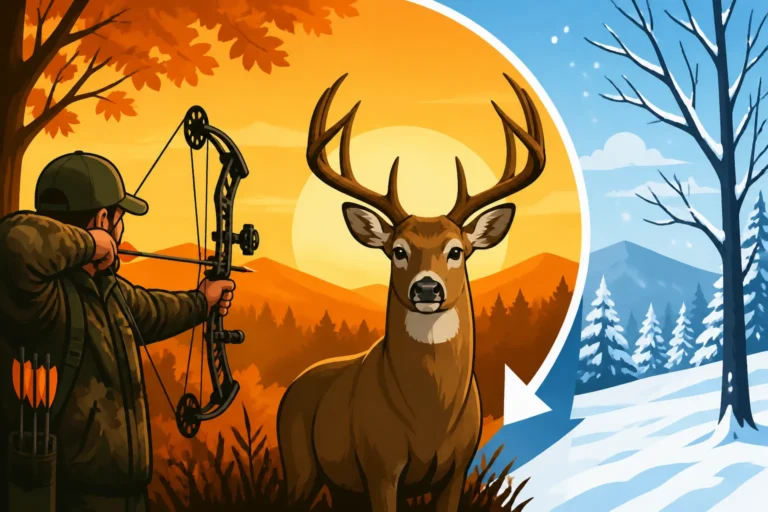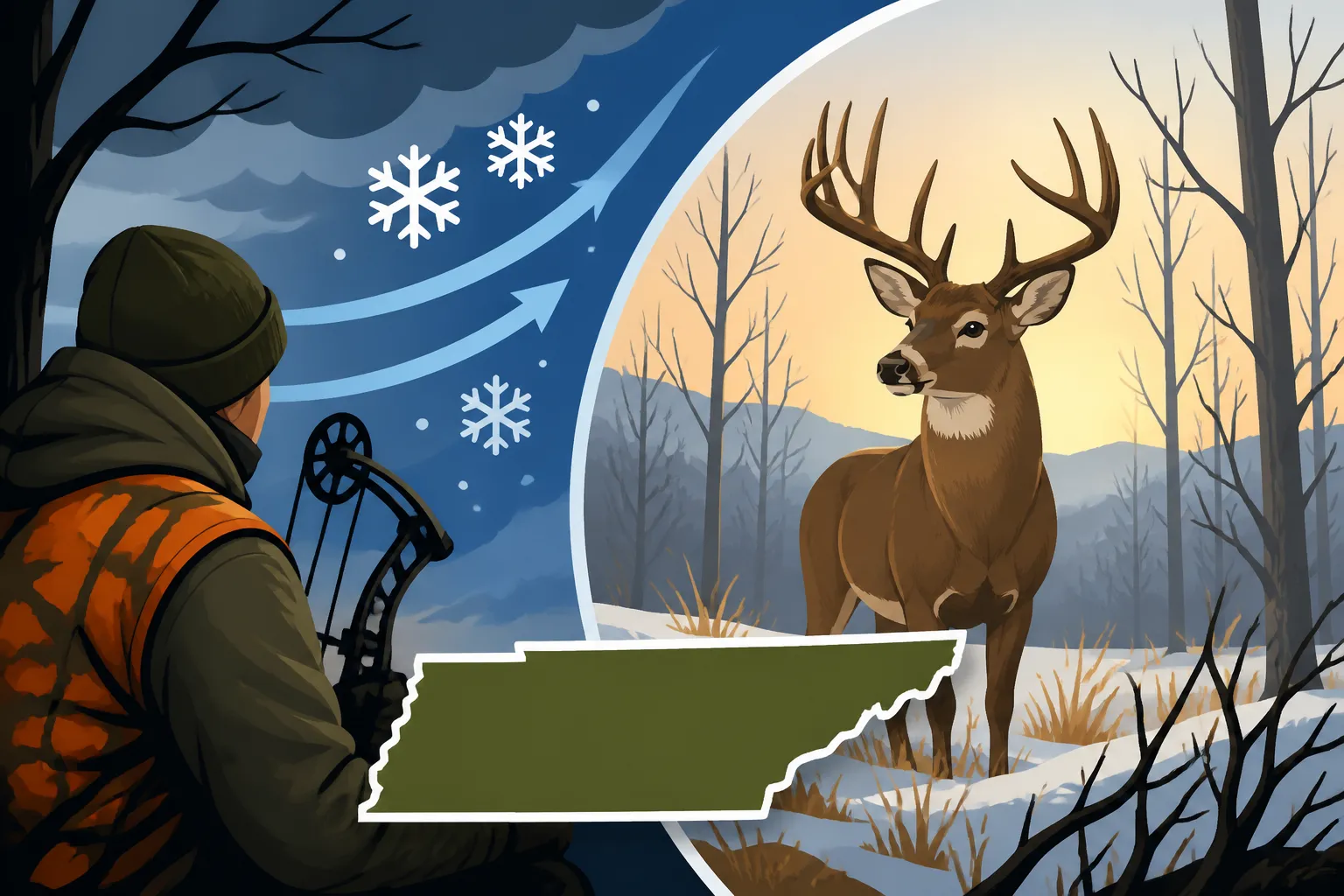
Hunting Deer After a January Cold Front
That biting cold after a January front hits you right in the teeth, doesn't it? It can feel like the deer just vanish, hunkering down against the brutal wind and plummeting temperatures, leaving you wondering if it’s even worth bundling up. But trust me, that very discomfort creates unique opportunities for diligent hunters. This guide is all about dissecting deer behavior during these frigid periods and arming you with the strategies and gear you need to stay effective when the mercury drops.
Understanding Deer Behavior During a January Cold Front
When a severe cold front sweeps through Tennessee in January, it's more than just a temperature drop; it's a dramatic shift that triggers immediate and profound behavioral changes in the deer herd. Their entire world pivots around survival and energy conservation, and understanding this pivot is your first step to success.
The Impact of Sudden Temperature Drops
Deer are creatures of habit, but extreme weather forces them to break those habits. When that high-pressure system rolls in and the temperatures freefall, deer experience a significant metabolic challenge. Their bodies burn more calories just to stay warm, which means they have an urgent need for easily digestible, high-energy food. Often, right before and immediately after the coldest part of the front moves through, you'll see a surge in feeding activity. It’s almost as if they know a prolonged period of harsh conditions is coming, and they're trying to fuel up. This initial burst can be a golden opportunity if you're in the right spot at the right time, but it's usually short-lived.
Once the bitter cold truly sets in, sustained high-pressure systems typically lead to reduced movement. Deer won't expend precious energy wandering aimlessly. Instead, their activity will become highly focused and efficient. They'll minimize travel between bedding and food, choosing the most direct and sheltered routes. This makes understanding their travel corridors absolutely paramount. Your ability to adapt your approach to their survival instincts becomes critical during these unforgiving January days, especially when you're dealing with the challenges of Hunting the Late-Season January Lull.
Prioritizing Survival and Energy Conservation
After the initial cold front passes, deer enter a mode of extreme energy conservation. Their bedding choices become very specific. They'll seek out the densest thermal cover available – think thick stands of pines or cedars, brushy clear-cuts, or extremely dense hardwood thickets that block the wind. South-facing slopes are also prime bedding locations because they catch the most sunlight, offering a slight warmth advantage. These areas offer both protection from the wind and insulation from the bitter cold.
Daytime movement often slows to a crawl once deer have adequately fed. They'll spend the bulk of the day bedded, only rising for short, targeted feeding excursions. These movements are often predictable: a quick jaunt from a sheltered bedding area to the closest, highest-calorie food source, then back to cover. They won't waste energy browsing sparse patches of low-nutrient forage. For hunters, this means your setup needs to be extremely close to both their bedding and their preferred food, intercepting them on their brief, purposeful journeys. Understanding these shifts is key to anticipating where they'll be.
Key Food Sources After a January Cold Front
When it's frigid, deer aren't just looking for any food; they're looking for survival food. They need readily available calories and energy to combat the cold. This drastically narrows down their preferred menu, making your scouting for these specific items invaluable.
High-Energy Forages and Agricultural Fields
In Tennessee, when winter really bites, agricultural fields often become deer magnets, assuming they aren't buried under prohibitive amounts of snow. Standing corn and soybeans, if still available, are absolute goldmines. Corn provides a massive calorie punch, and even after harvest, deer will meticulously work through fields for dropped kernels. Soybeans offer a good mix of protein and fat, and the pods can still hold beans, even after the leaves have dropped or withered. These crops offer the highest energy return for the least amount of effort, which is exactly what a cold, stressed deer needs.
Winter food plots planted with brassicas like turnips or radishes are another prime example of Late-Season Food Sources for Tennessee Whitetails. These plants, especially after a few hard frosts, convert starches into sugars, making them incredibly palatable and nutritious for deer. Even if there's a light dusting of snow, deer will often dig for these sweet, energy-rich bulbs. A well-maintained winter food plot can be the hottest spot on your property, attracting deer from surprisingly far distances when natural forage is scarce. Knowing these areas, perhaps even using a mapping tool like GoHunt to mark them, can drastically improve your chances.
Natural Browse and Mast Not Covered by Snow
While agricultural fields are king, not everyone has access to them. For public land hunters, or those on timbered private ground, natural food sources are the focus. During a cold front, deer will seek out any remaining hard mast, particularly red oak acorns, which tend to persist longer on the ground and are often less favored initially, so more might remain. They might dig through a few inches of light snow for them, but deeper snow makes them inaccessible.
Beyond acorns, look for evergreen browse that offers some nutritional value. Honeysuckle and greenbrier can be found in dense thickets and creek bottoms, often providing a green, digestible meal when everything else is dormant. These areas often receive a bit more thermal protection too, preventing the plants from freezing solid. Pay close attention to areas where deer have been actively browsing, indicated by clipped stems and fresh tracks. These sheltered pockets become vital sanctuaries and cafeterias for deer trying to survive the bitter cold, and are prime spots to consider if you're Hunting West Tennessee River Bottoms or similar habitats.
| Food Source | Cold Front Appeal | Deer Effort Level | Best Locations to Hunt |
|---|---|---|---|
| Standing Corn/Soybeans | High calories, accessible even with light snow | Low effort if nearby | Field edges, pinch points, transitions |
| Brassicas (Turnips) | Frost-sweetened, high energy, forageable under snow | Low effort | Food plots, adjacent timber |
| Red Oak Acorns | Persistent, high fat/carb content if not covered deep | Medium effort (digging/searching) | Mature timber, ridge tops, sheltered bottoms |
| Honeysuckle/Greenbrier | Green browse available, especially in sheltered spots | Medium effort (browsing small patches) | Thickets, creek bottoms, south-facing slopes |
| Winter Wheat/Clover | Still green, digestible protein | Low effort, but lower energy than corn/brassicas | Green fields, plots, open timber edges |
Strategic Hunting Locations and Tactics
The key to success after a January cold front isn't just knowing what deer are eating, but where and when they're moving to eat it. Their travel patterns become highly predictable and restricted, making precise stand placement and extreme patience your most valuable assets.
Funnels Between Thermal Cover and Food
When the mercury plummets, deer travel becomes incredibly efficient. They will take the path of least resistance from their bedding area to their preferred food source, seeking out natural funnels and pinch points that minimize exposure to the elements. These might be narrow strips of timber connecting a pine thicket to a standing cornfield, a fence line that forces them through a specific gap, or a creek bottom that offers both cover and a low-energy travel route. Even slight terrain changes, like a small saddle on a ridge or a subtle draw leading down to a field, can become major travel corridors.
Using detailed mapping tools like those offered by GoHunt, or even the Scouting With the Tennessee TWRA App, becomes indispensable here. You can identify these natural funnels by studying aerial photographs and topo maps, looking for areas where deer movement is naturally constricted. Walk these areas if possible, searching for fresh tracks in the snow or heavily used trails. A bottleneck between a dense cedar swamp and a winter wheat field is a classic example. If you can identify these constricted travel routes, you'll be able to intercept deer on their short, high-priority feeding trips. This is precisely when tactics for Hunting a Funnel Between Two Bottoms really shine.
All-Day Sits and Patience
One of the biggest mistakes hunters make in cold weather is only hunting for a few hours in the morning and evening. While these periods can still be productive, deer movement during severe cold can be sporadic and unpredictable, often with mid-day surges when the sun is highest or when the deer feel the least pressure. If you pack enough layers and a good thermos, dedicating yourself to an all-day sit can dramatically increase your odds. Deer often bed just out of sight of fields or food plots, waiting for the optimal moment to emerge. Your prolonged presence might just catch them when they finally decide to move.
Patience isn't just about sitting still; it's about being mentally prepared for long stretches of inactivity. This is where Cold-Weather Sitting Strategy in Tennessee truly comes into play. Dress for extreme cold, bring snacks, and be ready to tough it out. The deer that move during these conditions are often the most vulnerable because their need for calories overrides their caution. Being consistently present in a prime location from dawn to dusk might be the only way to capitalize on those fleeting windows of opportunity.
Reading Sign and Adapting to Conditions
Snow cover is a phenomenal scouting tool after a cold front. Fresh tracks are like a roadmap, telling you exactly where deer are bedding, feeding, and traveling. Pay attention to the size and depth of tracks, which can give you clues about the size of the deer and how recently they passed through. Look for areas where tracks converge, indicating a natural travel corridor. You're not just looking for a track, but a consistent pattern of movement that reveals their daily routine.
Beyond tracks, look for active browse lines on honeysuckle or greenbrier, or tell-tale holes dug in the snow where deer have been rooting for acorns or brassica bulbs. The fresher the sign, the closer you are to their current activity. Don't be afraid to adjust your setup based on what the fresh sign tells you. If the deer aren't using the funnel you anticipated, but a new set of tracks leads to a different bedding area, be prepared to move and adapt. For example, when you're Reading a Ridge for East Tennessee Deer, a sudden cold front might shift bedding to the most protected, sun-drenched side, changing their approach to food. Your ability to interpret this real-time information is crucial for capitalizing on these challenging conditions.
Gear and Preparation for Extreme Cold
Hunting in January after a cold front is not the time to cut corners on your gear. The conditions can be brutal, and your comfort, effectiveness, and most importantly, your safety, depend on being adequately prepared. Hypothermia and frostbite are real risks that can end your hunt and put you in serious danger.
Layering for Maximum Warmth
Layering is the absolute cornerstone of cold-weather hunting. Forget bulky, single-layer coats that restrict movement. Start with a good base layer that wicks moisture away from your skin – merino wool or synthetic materials are far superior to cotton, which holds moisture and chills you. Next, build up with insulating mid-layers like fleece, down, or synthetic puffies. These layers trap warm air, providing vital insulation. Finally, an outer shell that is windproof and waterproof is essential to protect against the elements. Even if it's not raining, a bitter wind can cut through lesser materials.
Don't forget your extremities. A warm hat that covers your ears is non-negotiable; you lose a significant amount of body heat from your head. Neck gaiters or balaclavas are also critical for preventing heat loss from your neck and face. For your hands, consider a thin glove for dexterity, paired with a warm, insulated mitten or a hand muff with chemical warmers inside. And when it comes to keeping your feet warm and dry, selecting the right options is essential, as detailed in Insulated Boots for All-Day Sits. Your ability to stay comfortable will directly impact your ability to sit still and focused for those crucial hours, making careful choices here a key part of your Layering for a Tennessee Deer Stand.
Essential Cold-Weather Equipment
Beyond your clothing, a few key pieces of equipment can make or break your cold-weather hunt. High-quality, insulated boots are a must – look for ratings suitable for extreme cold and ensure they are waterproof. Pack a wide-mouth thermos filled with hot coffee, tea, or soup; it provides internal warmth and a morale boost. Chemical hand and foot warmers are invaluable and should be considered mandatory. Bring more than you think you'll need.
For safety, always carry a small emergency kit including a fire starter, a small first-aid kit, and extra calories like energy bars. A fully charged phone or a GPS unit (or a mapping app like GoHunt that works offline) is crucial for navigation, especially if unexpected weather rolls in or if you need to track a deer after dark. When you're dealing with Hunting Pressure on Tennessee Public Land, having reliable navigation ensures you know where you are and how to get back safely. Don't underestimate the need for adequate hydration, even in cold weather; a good insulated water bottle can keep water from freezing.
Safety Considerations in Frigid Conditions
Hunting in extreme cold carries inherent risks, and it's vital to prioritize your safety above all else. Hypothermia can set in quickly if you get wet or aren't dressed appropriately, leading to impaired judgment and potentially life-threatening situations. Be aware of the signs: shivering, confusion, slurred speech, and loss of coordination. Frostbite, affecting exposed skin or poorly insulated extremities, is another serious concern. Take frequent breaks to move around if you're feeling too cold, or consider heading back to camp if conditions become unsafe.
Always let someone know exactly where you are hunting and when you expect to return. This is especially important if you're hunting alone in remote areas like sections of the Cherokee National Forest or the Cumberland Plateau. Carry a whistle or a personal locator beacon if you're truly off the grid. Stay hydrated by drinking water, even if you don't feel thirsty, and bring high-energy snacks to keep your metabolism fueled. Your primary goal is to return home safely, with or without a deer.
Disclaimer
Always consult the latest Tennessee Wildlife Resources Agency (TWRA) regulations before heading afield, as rules and seasons can change. This information is for educational and entertainment purposes only and does not supersede official TWRA guidelines.