Trail Cameras on Tennessee Public Land
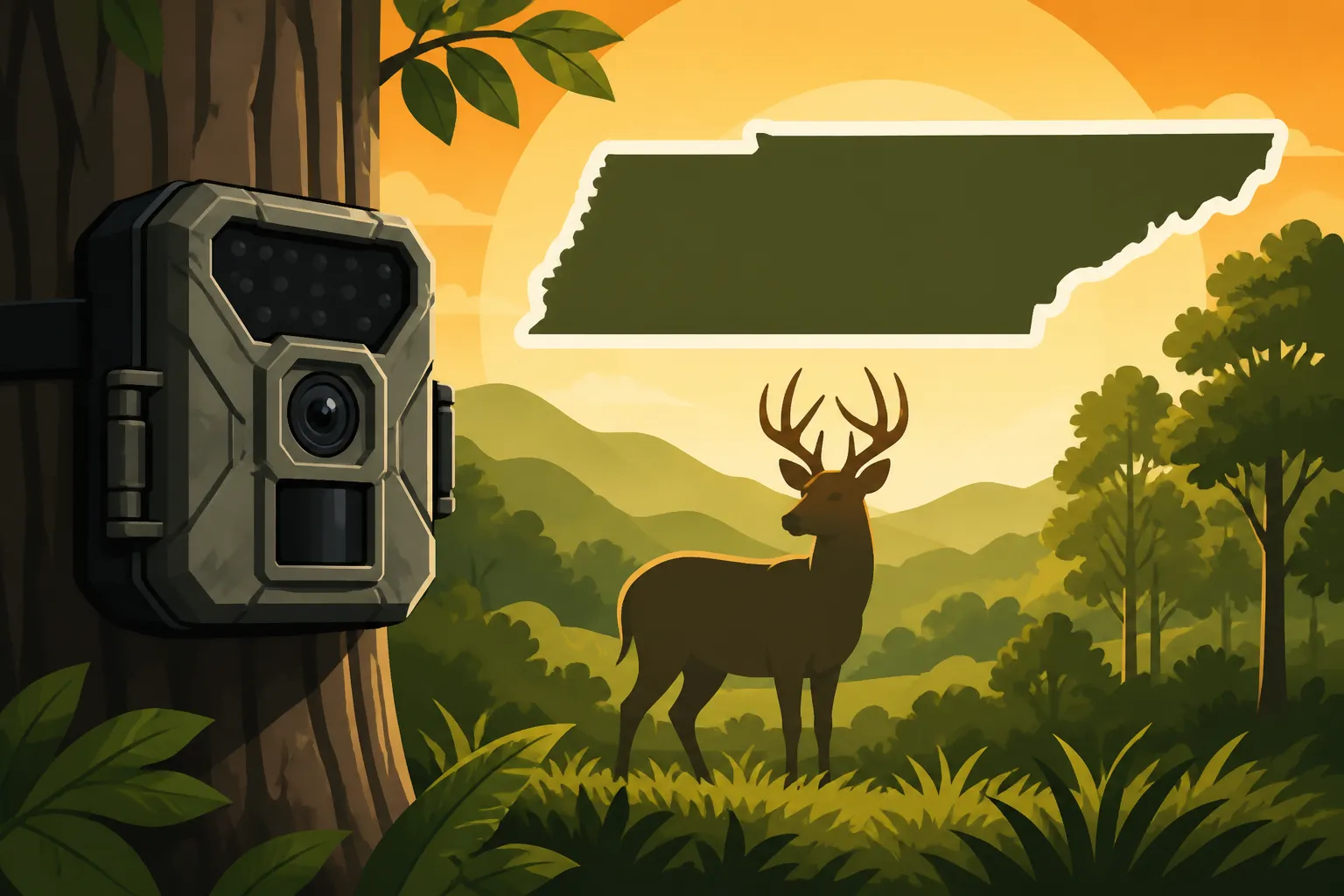
Many Tennessee hunters find themselves scratching their heads when it comes to using trail cameras on public land. It’s a common frustration: you want to gain insights into deer movement or turkey patterns without constantly intruding, but the rules aren't always crystal clear, and the fear of theft or disturbing other hunters looms large. This comprehensive guide will walk you through the regulations, strategic deployment, and ethical considerations for effectively using trail cameras on Tennessee's public hunting grounds, helping you scout smarter and hunt more successfully.
Navigating the Regulations for Trail Cameras on Tennessee Public Land
The first, and arguably most important, step before ever hanging a camera on public land in Tennessee is understanding the rules. Misinformation or assumptions can lead to fines, confiscated gear, or even more serious repercussions. Public land isn't a free-for-all; it's managed by state and federal agencies, each with its own specific guidelines.
Understanding TWRA Rules on WMAs
Tennessee Wildlife Resources Agency (TWRA) manages numerous Wildlife Management Areas (WMAs) across the state, offering fantastic hunting opportunities. However, the rules for trail camera use on these lands can vary. Generally, TWRA has been quite accommodating, often allowing trail cameras, but there are crucial caveats. Many WMAs require that any camera placed must be clearly marked with the owner's name and address or TWRA ID number. This isn't just a suggestion; it's often a regulation designed to identify ownership and prevent cameras from being abandoned or causing confusion. Always check the specific WMA regulations on the TWRA website or by calling the local office for the area you intend to hunt. What might be permissible on one WMA, especially for Tennessee Wildlife Management Areas with heavy usage, could be strictly prohibited on another, particularly those with unique wildlife management objectives or a history of misuse.
Beyond identification, some WMAs might have restrictions on when cameras can be deployed or where. For instance, certain areas might prohibit cameras during specific portions of the hunting season or entirely within designated refuge areas. It's not uncommon to find rules against attaching anything to certain types of trees or structures, which would obviously impact where you can place a camera. The spirit of these rules is often to minimize impact on the environment and ensure fair chase among hunters. Ignoring these nuances could result in your camera being removed by WMA staff or, worse, you facing a citation. Always do your homework before you ever step foot on a WMA with a camera in hand.
National Forest Guidelines and Potential Variations
Hunting on federal lands like the Cherokee National Forest or Land Between the Lakes introduces another layer of regulation, as these areas are managed by federal agencies (U.S. Forest Service) which may have their own additional rules on top of state wildlife agency regulations. For instance, in the Cherokee National Forest Hunting areas, the Forest Service generally permits the use of trail cameras, but they often reiterate the importance of not damaging trees or vegetation when attaching equipment. This means no using nails, screws, or anything that pierces the bark excessively. Straps are generally preferred, and they should be removed promptly after use. The key here is "leave no trace" – the land should look as if you were never there.
Furthermore, federal lands often emphasize ethical considerations and preventing property abandonment. While a name and address may satisfy state requirements, the federal agencies might have additional expectations regarding how long a camera can remain deployed or what constitutes "abandoned property." It's also worth noting that while federal lands are vast, highly sensitive areas or designated wilderness areas might have stricter rules or even outright bans on camera use to preserve their pristine nature. Again, the golden rule applies: always consult the specific national forest's district office or website for their most current regulations. This diligence ensures you're hunting responsibly and legally, respecting both the land and other users.
Strategic Placement and Maximizing Your Public Land Camera's Effectiveness
Once you've got the regulations squared away, the real fun begins: finding the perfect spot for your camera. Public land hunting is all about putting in the miles and finding those hidden gems, and a well-placed camera can be an invaluable tool. But it's not as simple as strapping it to the first tree you see.
Scouting for Prime Camera Locations
Effective camera placement starts with solid scouting. You're looking for evidence of game travel, feeding areas, and bedding locations. On public land, this often means focusing on pinch points, funnels, and natural travel corridors. Think about how deer move from a bedding area on a ridge down to a creek bottom for water, or how turkeys might filter through a saddle between two hills. Where to Hang a Camera on a Logging Road is a classic example: these old roads often serve as natural highways for deer, and a camera placed strategically where a game trail crosses or runs parallel to it can yield great intel. Look for fresh tracks, droppings, rubs, and scrapes. These are all indicators that an area sees consistent game activity. Don't be afraid to use mapping apps like GoHunt to analyze topography, identify potential funnels, and plan your approach before you ever hit the woods.
Consider terrain features unique to Tennessee, such as the steep, rugged slopes of the Cumberland Plateau or the dense river bottoms of West Tennessee. On the Hunting the Cumberland Plateau, for instance, a camera overlooking a ridge-top saddle or a distinct bench could capture deer moving between different elevation levels. Along a river bottom, placing a camera near a bottleneck where two sloughs merge, or at the edge of a standing crop field adjacent to thick cover, can be incredibly effective. Remember, the goal isn't just to get a picture of any deer, but to understand patterns of specific bucks or groups of animals. This means observing prevailing Wind and Thermals on a Ridge System and how they influence game movement. If you're going to put in the effort to deploy a camera, make sure it's in a spot that offers the best chance of gathering truly useful information.
Minimizing Human Scent and Intrusion
One of the biggest challenges on public land, especially when using trail cameras, is minimizing your impact. Every time you visit your camera, you're leaving scent, disturbing the area, and potentially alerting game to your presence. This is particularly crucial on heavily pressured public land where deer are already wary of human activity. When initially deploying a camera, wear clean hunting clothes and rubber boots. Approach your camera site from a direction that minimizes disturbance to potential bedding or feeding areas. If possible, use an entry and exit route that you won't typically use for hunting. Finding Ground Others Walk Past often means going the extra mile, and your camera placement should reflect that desire for minimal intrusion.
When checking cameras, try to do so during periods of low deer activity, such as midday. A quick in-and-out approach is key. Don't linger, and avoid excessive walking around the camera site. If you're using an SD card, swap it quickly and silently. If your camera has cellular capabilities, even better, as it significantly reduces the need for physical visits. Every step you take, every branch you snap, and every scent molecule you leave behind contributes to the overall Hunting Pressure on Tennessee Public Land that deer experience. Your goal is to be a ghost, gathering intelligence without leaving a trace that alerts the local wildlife, allowing those mature animals to behave naturally.
Power and Data Management in Remote Areas
Public land often means remote areas, and that presents unique challenges for trail camera power and data. You can't just run an extension cord! Battery life is paramount. Consider cameras that can take external battery packs or use a higher number of AA batteries for extended life, especially if you won't be checking them frequently. Lithium batteries often perform better in cold weather and generally last longer than alkaline, though they come at a higher cost. Solar panels are another excellent option for cameras in areas with good sun exposure, as they can significantly extend deployment times and reduce the need for battery changes, further minimizing your human footprint.
For data, cellular cameras have revolutionized public land scouting. While they cost more and require a data plan, the ability to check photos from home or camp without disturbing your hunting area is invaluable. This is especially true when scouting for Where Cumberland Plateau Bucks Bed in remote, steep terrain where physical checks are a major undertaking. If using traditional SD card cameras, invest in multiple cards so you can quickly swap them out in the field and review images later. Always format your SD cards regularly to prevent corruption. Having a reliable mapping tool like GoHunt can also help you mark camera locations accurately, plan efficient routes for checking, and keep track of your deployments across different public land tracts. This level of planning ensures your cameras are working for you, not becoming a chore.
Protecting Your Investment: Security and Ethics on Public Ground
Let's be honest: one of the biggest fears for any hunter using a trail camera on public land is theft. It's a sad reality that some folks don't respect others' property. Beyond that, there's a significant ethical component to using cameras in shared hunting spaces.
Theft Prevention Tactics
While there’s no foolproof method to prevent theft, you can certainly make your camera less appealing or harder to steal. First, choose discrete camera models in muted colors that blend into the environment. Avoid flashy, brightly colored cameras if possible. Second, placement is key. Instead of putting it directly on a major trail where anyone can see it, try positioning it off to the side, perhaps behind a tree or bush, aiming it at the trail. A good rule of thumb is to place it where you can walk by without easily spotting it yourself. High placement, six to eight feet up and angled down, can also help, making it harder to spot and harder for a casual thief to reach without a climbing stick.
Security measures like Python locks or specialized locking boxes can deter opportunistic thieves, though they won't stop a determined one with tools. Make sure your lock cables are securely fastened and difficult to cut. Consider writing "Property of [Your Name/ID]" on the camera itself with indelible ink; sometimes just making it clearly identified deters potential theft, and can aid in recovery if it is stolen and later found. Finally, manage your expectations. Public land is public, and while most hunters are respectful, some are not. Never put out a camera you can't afford to lose. If a spot is absolutely killer, but also highly visible and accessible, it might be too risky for a valuable camera.
Ethical Considerations and Respect for Other Hunters
Using trail cameras on public land comes with a strong ethical responsibility to your fellow hunters. Nobody likes to feel "spied on" or have their hunting spot compromised by someone else's technology. Avoid placing cameras in areas that are obviously someone else's established stand site, or directly overlooking food plots or specific natural features that are known, heavily-hunted community spots. Your camera should be a scouting tool for your hunting, not an intrusion into someone else's. If you find another hunter's camera, leave it alone. Do not tamper with it, move it, or steal its SD card. The hunting community thrives on mutual respect.
Another ethical aspect is the sheer volume of cameras. Don't carpet-bomb an area with dozens of cameras. Focus on strategic placement, as discussed earlier. Excessive cameras can clutter the landscape and create an uncomfortable atmosphere for others. Always adhere to Tennessee Public Land Hunting Hours and never use a camera to aid in illegal activities such as poaching or hunting out of season. Our shared public lands are a precious resource, and responsible, ethical behavior ensures that we all get to enjoy them. By being considerate of other users, you contribute to a positive hunting culture that benefits everyone.
Remote Monitoring vs. Physical Checks
The rise of cellular trail cameras has introduced a significant shift in how public land hunters manage their scouting. Remote monitoring through a cellular camera means you receive photos directly to your phone or computer, eliminating the need for frequent physical checks. This is a huge advantage for public land, as it drastically reduces human scent and intrusion into your hunting area, making deer less wary. You can scout vast areas from the comfort of your home, saving time, gas, and minimizing pressure on the animals. It's particularly useful for monitoring high-traffic areas or remote spots where access is difficult, helping you understand game movements without spooking them.
However, cellular cameras do have downsides. They require cell service in the area, which can be spotty in many remote parts of Tennessee's public land. They also have ongoing data plan costs and typically a higher initial purchase price. For areas without reliable service, or for hunters on a tighter budget, traditional SD card cameras are still a viable option. When relying on physical checks, plan your visits carefully. Synchronize visits with scouting trips for Scouting Tennessee Public Land Before Season or other low-impact activities, such as checking Treestand Rules on Tennessee Public Land for new regulations or surveying for new sign. The goal remains the same: gather intel with the least amount of disruption possible.
Choosing the Right Camera and Accessories for Tennessee's Public Land
Selecting the right trail camera for public land in Tennessee involves balancing features, durability, and cost. You want something reliable that can withstand the elements and provide useful data, without breaking the bank or becoming a target for theft.
Camera Features Best Suited for Public Land Use
When you're shopping for a trail camera specifically for public land, think "rugged and reliable." Look for cameras with good battery life, which we touched on earlier, and a robust, weatherproof casing. Tennessee weather can be unpredictable, with everything from humid summers to cold, wet winters, so durability is key. Consider cameras with faster trigger speeds to capture quick-moving game like a rutting buck or a darting coyote. A quick recovery time between photos is also beneficial, ensuring you don't miss subsequent animals in a group.
Image quality is important, but don't get hung up on needing the absolute highest megapixels. Clear, discernible images that show you the animal and its features are sufficient for scouting purposes. What's more important is good low-light performance and an effective infrared flash, as many public land animals are most active at dawn, dusk, or at night. "No-glow" infrared flashes are highly recommended for public land, as they emit no visible light when taking a picture, making the camera much less noticeable to both game and other people. Some cameras now feature video capabilities, which can be incredibly useful for understanding animal behavior, especially if you're trying to figure out if a certain buck is dominant or if a group of turkeys is routinely using a roost. Using a service like GoHunt can further enhance your camera data by allowing you to overlay your camera locations onto detailed topo maps, helping you correlate game movement with terrain features and access points.
Essential Accessories for Longevity and Performance
Beyond the camera itself, a few key accessories can make a world of difference for public land deployment. First, a high-quality, weather-resistant mounting strap is essential. Avoid using bungee cords or anything that might degrade quickly or cause damage to trees. Some hunters prefer security boxes that bolt to the tree, offering another layer of protection. These often come with a cable lock, turning your camera into a harder target. Extra SD cards are a must, allowing for quick swaps in the field and minimizing time spent at the camera site. Always carry a small, waterproof case for your spare SD cards.
As mentioned, an external battery pack or a solar panel can dramatically extend your camera's run time, which is invaluable for reducing your presence on the landscape. If you're using AA batteries, investing in rechargeable lithium batteries and a quality charger will pay for itself over time. Don't forget a sturdy padlock for any security box you use, and perhaps a small GPS unit or a reliable mapping app on your phone (like GoHunt) to pinpoint camera locations precisely, especially if you're trying to remember where you put it deep within Hunting West Tennessee River Bottoms or the vast expanse of the Cherokee National Forest. These small investments can save you headaches, protect your gear, and ultimately make your public land trail camera experience much more productive.
| Feature / Consideration | Public Land Priority | Why It Matters |
|---|---|---|
| No-Glow IR Flash | High | Undetectable to game and people, crucial for stealth and theft prevention. |
| Battery Life / External Power | High | Minimizes human intrusion for checks, essential for remote spots. |
| Durability / Weatherproofing | High | Withstands diverse Tennessee weather, prevents damage and malfunction. |
| Fast Trigger/Recovery Speed | Medium-High | Captures quick-moving game; doesn't miss animals in a group. |
| Discrete Camo/Color | High | Blends into environment, less noticeable to game and potential thieves. |
| Cellular Capability | Optional (High if budget/service allows) | Remote monitoring saves time and reduces pressure, but costs more. |
| Security Mounts/Locks | High | Deters opportunistic theft, adds a layer of protection to your investment. |
| Video Mode | Medium | Provides valuable insight into animal behavior beyond still photos. |
Disclaimer
This article is for general informational purposes only and does not constitute professional advice. Laws, prices and regulations vary by location and change over time. Consult a qualified professional for guidance on your specific situation.