Sabot Versus Conical for Deer
Choosing the right projectile for your muzzleloader can feel like a head-scratcher, especially when you're standing in the aisle looking at sabots and conicals, wondering which one will truly perform best when that big Tennessee buck steps out. It's a common dilemma, and one that often sparks lively debate around campfires. This guide is here to break down the ins and outs of both sabot and conical bullets, helping you understand their strengths and weaknesses so you can make an informed decision for your next hunt in the diverse landscapes of our great state.
Understanding Muzzleloader Projectiles
Before we dive into the nitty-gritty of performance, let's establish what we're talking about with each type of projectile. Muzzleloader technology has come a long way, offering hunters choices that simply didn't exist a few decades ago, and understanding these foundational differences is key to making a wise selection.
The Fundamentals of Sabot Rounds
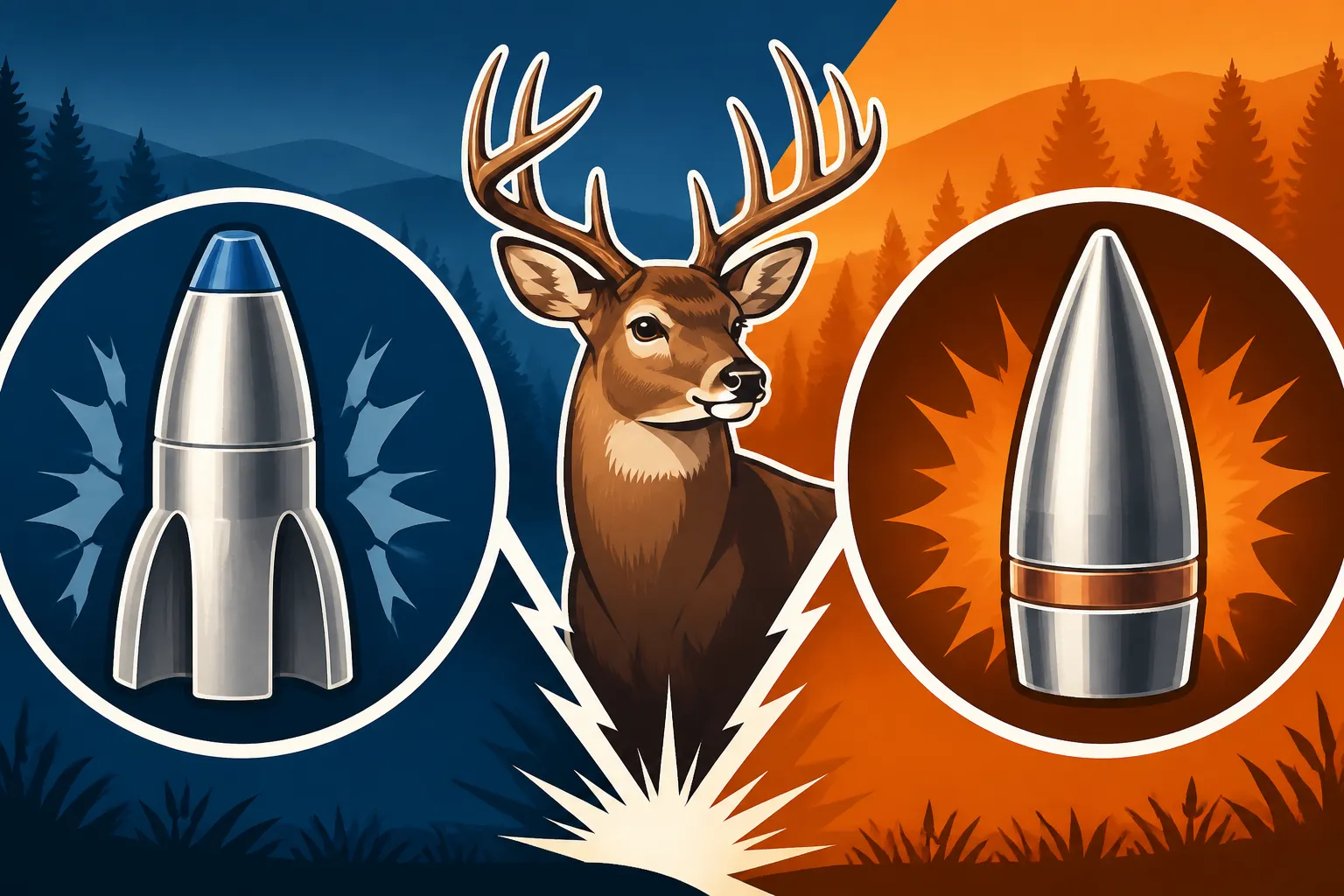
When most folks talk about "modern" muzzleloading, they're often thinking about sabot rounds. A sabot (pronounced SAY-bow) is essentially a plastic sleeve or cup that holds a smaller-diameter bullet, usually a jacketed pistol or rifle bullet, and allows it to be fired through a larger bore muzzleloader. For example, you might be shooting a .45 caliber bullet nestled in a plastic sabot through your .50 caliber muzzleloader barrel. The sabot engages the rifling, imparting spin to the bullet, and then separates from the bullet shortly after it leaves the muzzle.
The primary benefit here is accuracy. Because the bullet itself is smaller and often a highly aerodynamic, jacketed projectile designed for modern firearms, it can maintain velocity better and fly straighter over longer distances. This means less bullet drop and wind drift. If you're hunting in an area like the more open clearings of the Cumberland Plateau or watching a powerline cut, where a longer shot might present itself, the precision of a sabot round can give you a significant advantage. The modern bullet designs also typically offer controlled expansion, creating a devastating wound channel while retaining good weight for penetration.
The Power and Simplicity of Conical Bullets
On the other side of the spectrum, we have conical bullets. These are often seen as the more "traditional" choice, though modern conical designs are far more refined than the simple lead balls of yesteryear. A conical bullet is a solid lead projectile that matches the full bore diameter of your muzzleloader. So, if you're shooting a .50 caliber muzzleloader, you're loading a .50 caliber conical bullet. Instead of a plastic sabot, the bullet itself engages the rifling, either through soft lead deformation or by having driving bands that create a tight seal.
Conicals are known for their raw power and deep penetration. Being heavier and made of soft lead, they transfer a tremendous amount of energy upon impact, often mushrooming significantly to create a large wound. They tend to be easier to load in the field, as you don't have to contend with fitting a plastic sabot into a potentially fouled barrel. For hunters who find themselves in the thick, unforgiving bottomlands of West Tennessee, where shots are typically up close and personal and the deer can be substantial, the heavy-hitting nature of a conical bullet can be incredibly effective, pushing through brush and bone with authority. They offer a certain peace of mind in dense cover, knowing that if you hit a twig or a small branch, the heavier, solid lead projectile might be less deflected than a lighter, smaller bullet in a sabot.
Performance in the Tennessee Woods
Tennessee's diverse terrain, from the sprawling fields of the west to the steep ridges of the east, presents a variety of shot opportunities. Understanding how sabots and conicals perform in these different scenarios is crucial for success.
Accuracy and Range Considerations
When it comes to accuracy, sabots generally have an edge, especially at longer ranges. The smaller, often more aerodynamic bullet tucked within the sabot, combined with modern rifling, allows for flatter trajectories and tighter groups at 100 yards and beyond. Many muzzleloaders today, particularly those designed for inline ignition, are built with faster twist rates (e.g., 1:28" or 1:32") that are optimized for stabilizing these faster, lighter, sabot-encased bullets. If you're hunting open areas, perhaps watching a Glassing a Powerline Cut at Last Light or sitting on a long field edge, that enhanced accuracy is a definite advantage. You can gain confidence in your ethical range, knowing your shot will likely be where you aim it.
However, conicals aren't slouches in the accuracy department, especially at typical muzzleloader hunting distances, say out to 75 yards. Many traditional-style muzzleloaders or those with slower twist rates (e.g., 1:48" or 1:60") actually stabilize conicals better. In dense timber, where shots rarely exceed 50 yards and you're Practical Range in Cherokee Forest Timber, the extreme accuracy of a sabot might be overkill, and the heavier conical can perform admirably. Ultimately, the best way to determine your rifle's sweet spot is through extensive practice at the range. Don't just zero at 50 yards; push it out to 75 and 100 to understand your projectile's drop and your own limitations.
Terminal Performance and Ethical Kills
Both sabots and conicals, when properly placed, are highly effective at harvesting deer. The difference lies in how they achieve that ethical kill.
Sabots, typically carrying modern jacketed bullets, are designed for controlled expansion. This means the bullet mushrooms reliably upon impact, creating a significant wound channel while still holding together to penetrate deeply. This controlled expansion is crucial for reaching vital organs, even on larger deer, ensuring a quick and humane harvest. A well-constructed sabot bullet can punch through ribs on both sides and still exit, leaving a good blood trail for tracking.
Conical bullets, being solid lead, are all about raw energy transfer and deep penetration. They often "splatter" or deform significantly upon impact, dumping a massive amount of energy into the animal, which can be devastating to vitals. While they might not always create a neat mushroom like a jacketed bullet, their heavy weight and large frontal area once deformed can create a huge wound. This heavy-hitting characteristic is particularly valuable when Hunting West Tennessee Bottomland Deer where you might encounter larger-bodied deer in dense cover. They tend to be less prone to deflection if they clip a small branch, maintaining their trajectory better than a lighter, smaller bullet might. Regardless of your choice, remembering that Shot Placement on a Tennessee Black Bear (or deer, in this case) is paramount for an ethical kill, and no projectile can compensate for a poorly aimed shot.
Practical Considerations for Tennessee Hunters
Beyond ballistics, there are some very real, practical aspects that Tennessee hunters need to consider when choosing between sabots and conicals, from loading in chilly weather to legalities and cost.
Loading and Cleaning Differences
Loading a muzzleloader quickly and efficiently, especially when your fingers are cold or a deer is moving, can be critical. Conical bullets often have an edge here. Because they are typically solid lead and slightly undersized or feature lubrication, they tend to seat more easily down a fouled barrel. After a shot or two, your barrel will accumulate powder residue. Trying to force a plastic sabot and bullet down a dirty barrel can be a real struggle, sometimes requiring significant force or even a quick swab. With conicals, the solid lead can often scrape some of that fouling away, making subsequent loads smoother. This ease of loading can be a significant factor when you're considering a Cold-Weather Sitting Strategy in Tennessee and every movement counts.
Cleaning is another area where differences arise. Sabots, by their nature, leave behind plastic residue in the rifling. This plastic fouling can be stubborn and, if not cleaned properly, can build up and affect accuracy over time. It often requires specific cleaning solvents designed to remove plastic. Conicals, being lead, mostly leave lead and powder fouling, which is generally easier to clean with standard muzzleloader solvents. While neither is "easy" to clean in the way a modern rifle is, the plastic residue from sabots adds an extra step.
Cost, Availability, and Regulation
Let's talk brass tacks. Generally speaking, conical bullets, especially those made primarily of lead, tend to be a bit more budget-friendly per shot than saboted rounds. Sabots involve a two-part system (the plastic sabot and the projectile), and the projectiles themselves are often higher-end jacketed bullets, pushing the price up. For hunters who spend a lot of time at the range honing their skills, the cost difference can add up.
Both types of projectiles are widely available in most sporting goods stores across Tennessee and online. However, if you're looking for a very specific brand or style of jacketed bullet within a sabot, you might find selection varies. Conicals tend to be more universally stocked.
When it comes to regulations, Tennessee is pretty accommodating. During our Muzzleloader Deer Hunting in Tennessee season, hunters are generally permitted to use both sabot and conical bullets in their muzzleloaders. There aren't specific restrictions on one over the other, as long as the firearm and projectile meet general safety and legal requirements. This means your choice truly comes down to personal preference, your specific muzzleloader, and the type of hunting you plan to do. Always double-check current regulations from the TWRA, but historically, Tennessee has been flexible on this point.
Making Your Choice: Matching Projectile to Hunt
Ultimately, the best projectile for you and your Tennessee deer hunt depends on a combination of factors. There's no single "best" answer, but rather a "best fit."
Scenario-Based Selection
Think about the environment where you'll be hunting most often:
- Open Fields & Long Shots: If you're setting up on a Setting Up on a West Tennessee Field Edge or a sprawling food plot, or perhaps eyeing a long shot across a clearing on the Cumberland Plateau, a high-quality sabot round will likely offer the flat trajectory and pinpoint accuracy you need. These scenarios demand precision over raw smashing power.
- Thick Cover & Close Quarters: For hunters who prefer to still-hunt dense timber, Reading a Ridge for East Tennessee Deer in the Appalachian foothills, or sit in a brushy creek bottom where shots are typically under 75 yards, a heavy conical bullet can be an excellent choice. Its deep penetration and energy transfer can be a huge asset when navigating thick bone or brush.
- Youth or New Hunters: Sometimes, simplicity is key. Conicals can be a bit more forgiving to load, which can reduce frustration for new muzzleloader hunters. The focus can then remain on safe handling and shot placement. However, if a new hunter is using a modern inline muzzleloader with a fast twist rate, sabots might provide better accuracy and confidence right out of the gate.
Consider your specific rifle too. Some older or more traditional muzzleloaders simply don't shoot sabots well due to twist rate, while modern inline designs often shine with them. Knowing your rifle's preferences is paramount. For example, if you're eyeing a muzzleloader-only hunt, understanding Tennessee Muzzleloader Season Tactics might involve thinking about the ranges you expect to encounter.
The Importance of Practice and Testing
This cannot be stressed enough: You absolutely must practice with your chosen projectile and powder charge in your specific muzzleloader. No amount of internet research or campfire stories can replace actual trigger time at the range. Every muzzleloader is a unique beast, and what shoots well in one might group terribly in another, even of the same make and model.
Start by trying a few different brands and weights of both sabots and conicals. Experiment with different powder charges (always staying within the manufacturer's recommended limits, of course). Pay attention to group size, consistency, and ease of loading. Take notes! You'll often find that your rifle "likes" a particular combination.
A tool like GoHunt can be invaluable here. While you might use it to find public lands to scout, the same principles apply to finding nearby ranges where you can actually test your muzzleloader setup. Knowing exactly how your chosen sabot or conical performs at 50, 75, and 100 yards will build immense confidence. This confidence is what translates into ethical, effective hunting when that buck of a lifetime finally steps out. Don't let opening day be the first time you truly test your setup under pressure. Shoot, clean, shoot again, and understand your limits and your gun's capabilities.
| Feature | Sabot Bullets | Conical Bullets |
|---|---|---|
| Description | Smaller bullet encased in a plastic sleeve | Full bore diameter, solid lead projectile |
| Accuracy | Generally higher, especially at longer ranges | Good at closer ranges, can vary with twist rate |
| Velocity | Often higher, flatter trajectory | Typically lower, heavier impact |
| Range | Excels at 100+ yards | Best within 75-100 yards |
| Terminal Performance | Controlled expansion, deep penetration | Massive energy transfer, deep penetration |
| Loading Ease | Can be tighter, especially in fouled barrel | Generally easier, can clear some fouling |
| Cleaning | Leaves plastic fouling, requires specific care | Primarily lead/powder fouling, easier to clean |
| Cost (Per Shot) | Generally higher | Generally lower |
| Twist Rate Match | Best with faster twist rates (1:28", 1:32") | Best with slower twist rates (1:48", 1:60") |
| Ideal Terrain | Open fields, clearings, power line cuts | Dense timber, thick brush, close range |
Disclaimer
This article is for general informational purposes only and does not constitute professional advice. Laws, prices and regulations vary by location and change over time. Consult a qualified professional for guidance on your specific situation.