Hatchie National Wildlife Refuge Hunting
Navigating the world of public land hunting in Tennessee can sometimes feel like trying to solve a puzzle with half the pieces missing. You hear whispers of great opportunities, but then you dive into the regulations, and suddenly you're drowning in specific permits, unique seasons, and area-specific rules. It's enough to make even the most seasoned hunter feel overwhelmed. This guide is here to untangle the complexities of hunting at Hatchie National Wildlife Refuge, providing you with the clear, in-depth information you need to confidently plan your next hunt in this special part of West Tennessee.
Understanding Hatchie National Wildlife Refuge
Hatchie National Wildlife Refuge is a true gem nestled in West Tennessee, a sprawling landscape carved by the meandering Hatchie River. For many of us, when we think of public land in Tennessee, our minds often jump to the vastness of the Cherokee National Forest Hunting or the expansive Cumberland Plateau Hunting. But Hatchie offers a distinctly different, yet equally rewarding, experience. It's a place where the rhythm of the river dictates the ebb and flow of wildlife, creating a unique challenge and opportunity for hunters.
What Makes Hatchie Unique
What sets Hatchie apart is its commitment to preserving one of the last remaining unchannelized sections of the Hatchie River, a truly free-flowing system that defines the refuge's character. This isn't your typical dry, upland forest; we're talking about bottomland hardwood forests, cypress swamps, oxbow lakes, and sloughs that periodically flood, creating a dynamic environment for wildlife. This constant interaction between land and water means habitat changes with the seasons, impacting everything from deer movement to waterfowl concentrations. It's a place where understanding the river's influence is paramount to understanding the game you're pursuing.
For hunters, this translates to a different kind of scouting and strategy. You're not just looking for oak flats or ridge saddles; you're deciphering flood lines, identifying pinch points created by water, and locating drier benches or islands of high ground that become crucial escape routes and bedding areas during high water. The sheer density of cover, from tangled briar thickets to dense stands of cane, means visibility can be limited, demanding patience and often a more intimate knowledge of the terrain.
The Refuge's Primary Mission
Like all National Wildlife Refuges, Hatchie's primary mission is wildlife conservation. While hunting is a valued tradition and a management tool here, it’s always conducted within the framework of protecting and enhancing wildlife populations and their habitats. This means that hunting opportunities are carefully regulated, not just to manage game species, but also to minimize disturbance to other wildlife and to ensure the long-term health of the ecosystem.
This dedication to conservation is why you'll find specific rules that might differ from general statewide regulations or even other Wildlife Management Areas. For instance, certain areas might be closed seasonally to provide undisturbed sanctuary for migratory birds, or specific methods of take might be restricted to reduce impact. It's a give-and-take: we get the privilege of hunting in an incredibly rich and diverse habitat, and in return, we have a responsibility to adhere to the rules that ensure that privilege remains for future generations. It’s about being a steward, not just a hunter.
Permits and Regulations for Hunting at Hatchie
Stepping onto any federal refuge to hunt means getting acquainted with an extra layer of rules beyond what the Tennessee Wildlife Resources Agency (TWRA) generally sets forth. Hatchie National Wildlife Refuge is no exception. It’s critical to understand that even if you're fully licensed for statewide hunting, there are specific hoops you’ll need to jump through to legally hunt within the refuge boundaries. Trust me, showing up without the right permit is a quick way to turn an exciting hunt into a disappointing, and potentially costly, mistake.
General Tennessee License Requirements
Before you even think about Hatchie-specific permits, you absolutely need to have your basic Tennessee hunting licenses in order. This is the foundation upon which all other permits are built. For residents, this typically means a Resident Annual Hunting and Fishing License, sometimes combined with a Big Game Permit if you're after deer. Nonresidents, of course, have their own set of requirements, often involving a Nonresident Annual All Game or a Nonresident 7-Day All Game License, plus relevant big game stamps.
Don't forget about specific certifications for certain types of hunting either. If you’re planning on Waterfowl Hunting Reelfoot Lake and Beyond or other migratory birds at Hatchie, you'll need your Federal Duck Stamp and the Tennessee Migratory Bird Certification. These are universal requirements across Tennessee, and they are non-negotiable at Hatchie. Always check the current TWRA Hunting and Trapping Guide, as well as the refuge's specific regulations, well in advance of your hunt. The "Go Outdoors Tennessee" portal is an invaluable resource for purchasing these and verifying your current status.
Hatchie-Specific Permits and Rules
This is where things get really specific. Hatchie National Wildlife Refuge requires all hunters to obtain a Refuge Permit in addition to their state licenses. This permit is often free, but it's mandatory. It serves several purposes, including helping the refuge track hunter effort, collect harvest data, and ensure hunters are aware of the unique rules. These permits are typically obtained directly from the refuge office or their website, and often involve signing off that you've read and understood their regulations.
Beyond the permit, be prepared for specific regulations that differ from statewide rules. These might include:
- Restricted hunting days/hours: Hunting might only be allowed on certain days of the week or within specific time frames.
- Specific legal weapons: Certain firearm types or ammunition might be prohibited or required.
- Designated hunting zones: The refuge may be divided into zones, with only specific zones open to hunting for particular species.
- Access restrictions: Vehicle access might be limited to certain roads, or some areas may only be accessible by foot or boat.
- Mandatory check-in/check-out procedures: For quota hunts especially, you might need to register your presence and report your harvest at a designated station.
These rules are often published in a separate "Refuge Hunting Regulations" brochure or on the refuge's official website. It's not enough to just skim them; read them thoroughly and carry a copy with you. Ignorance of the rules is never an excuse, and refuge officers take compliance very seriously.
Understanding Quota Hunts
While Hatchie offers some general open seasons, many of the prime hunting opportunities, especially for deer, are managed through a quota hunt system. Tennessee Elk Quota Hunt Rules might be what most people think of when they hear "quota," but many WMAs and refuges use similar systems for deer. This means that access is limited to a predetermined number of hunters, chosen through an application and drawing process. The goal is to control hunter numbers, reduce pressure, and ensure a high-quality hunting experience while still meeting conservation objectives.
If you're interested in a Hatchie quota hunt, pay close attention to the application periods, which are usually months in advance of the hunt itself. You'll typically apply through the TWRA's online system. The draw odds can vary from year to year, depending on the number of available permits and applicants, but don't let that deter you. A quota hunt often provides a much more secluded and potentially more successful hunting experience due to the reduced pressure. These hunts also often come with very specific rules about harvest reporting, antler restrictions, and post-hunt debriefings, so be prepared for a more structured experience.
Deer Hunting at Hatchie NWR
Deer hunting is arguably one of the most popular activities at Hatchie National Wildlife Refuge, drawing hunters keen on the challenge of pursuing whitetails in a unique bottomland environment. This isn't necessarily a "big buck factory" in the same vein as some Why West Tennessee Grows Big Bucks spots, but it offers a genuinely wild and engaging hunt that demands specific tactics and a deep understanding of river-bottom deer behavior. If you thrive on adapting to conditions and reading subtle signs, Hatchie's whitetails will give you plenty to chew on.
Hatchie's Whitetail Opportunities
The deer herd at Hatchie thrives in the rich, diverse habitat, which provides abundant food and cover. However, the transient nature of the river system and its periodic flooding significantly influences deer movement and distribution. Bucks, in particular, can be elusive, often holding tight in the dense cover during the day and moving more actively at night, especially during the peak of the rut. You'll often find deer sign concentrated on higher ground, along natural levees, and on islands that become accessible when water levels drop.
Antler restrictions are common on refuges to promote an older age structure in the buck population, and Hatchie is no exception. Always verify the specific antler point rules for the refuge before you hunt, as they may differ from the general DMU rules for the surrounding counties. This focus on quality means you might pass up younger bucks you'd otherwise consider elsewhere, but it contributes to the overall health of the herd and the chance at a truly mature animal. The challenge here is less about finding a deer, and more about consistently finding mature deer in a difficult environment.
Common Deer Hunting Tactics
Hunting the bottomland at Hatchie requires a different playbook than hunting the rolling hills of Middle Tennessee or the steep ridges of East Tennessee. Still-hunting, where you move slowly and deliberately through the timber, pausing frequently to observe, can be incredibly effective here. The dense cover often makes long-range shots rare, so getting close is key. Another tactic that shines is focusing on natural funnels and pinch points created by the water. When the river is up, deer are forced onto higher ground, and any elevated trail or narrow strip of dry land becomes a highway for movement.
Elevated stands, whether treestands or ground blinds, are popular. With limited visibility in many areas, positioning a stand where you can overlook a slough edge, a subtle creek crossing, or a patch of favored browse can be productive. Keep your entry and exit routes in mind; with water and thick vegetation, getting to and from your stand quietly and without disturbing game can be a major challenge. Using mapping apps like onX Hunt can be invaluable here, helping you identify subtle elevation changes and potential travel corridors that are hard to spot on the ground.
Post-Harvest Rules and CWD Considerations
Once you've successfully harvested a deer at Hatchie, the work isn't over. Refuge-specific harvest reporting requirements are usually in addition to the statewide Reporting a Tennessee Deer Harvest Online rules. You might need to check your deer in at a refuge station, provide specific information, and even have tissue samples taken for disease monitoring. This data is crucial for the refuge to manage its deer population effectively and understand disease prevalence.
In the ongoing battle against Chronic Wasting Disease (CWD), Hatchie National Wildlife Refuge, being in West Tennessee, is located within the state's CWD management zone. This means strict rules apply regarding the movement of deer carcasses out of the zone. You’ll need to familiarize yourself with Tennessee Carcass Deboning Requirements and ensure that only deboned meat, clean skull plates, and taxidermy-ready hides leave the refuge. This is a critical step to prevent the further spread of CWD and is enforced rigorously. Planning for this before you hunt is crucial, especially if you're traveling a long distance.
Small Game and Waterfowl Opportunities
While deer hunting often takes center stage, Hatchie National Wildlife Refuge also provides excellent opportunities for pursuing small game and migratory waterfowl. This diverse habitat, with its mix of bottomland hardwoods and cypress sloughs, is a haven for many species, offering different challenges and rewarding experiences for those willing to explore.
Squirrel and Rabbit Hunting
For many of us, small game hunting is where we first cut our teeth, and places like Hatchie offer a fantastic return to those roots. Squirrel Hunting Tennessee Bottomland Hardwoods is a classic pursuit in this refuge, with abundant gray and fox squirrels thriving in the mature oak, pecan, and hickory trees that line the river bottom. The sheer amount of mast produced in these areas can lead to healthy squirrel populations. Walking the slough edges and elevated ridges, listening for the chatter and rustling leaves, is a great way to fill a vest.
Rabbit hunting, particularly with beagles, can also be quite productive in the refuge's brushy clearings, fencerows, and thickets. These areas provide excellent cover for cottontails, and the pursuit with a good dog is an exhilarating experience. Just remember, due to the dense vegetation, shots can be quick and close, so a scattergun is your best friend. Always check the refuge's specific small game seasons and bag limits, as they may align with, or differ slightly from, statewide regulations.
Waterfowl Hunting in Bottomland Habitat
Hatchie National Wildlife Refuge is strategically located within the Mississippi Flyway, making it a critical wintering ground and migration stopover for a variety of waterfowl. While not as famous as Hunting the Reelfoot Lake Duck Blinds, Hatchie offers a more intimate, often flooded-timber or slough-based duck hunting experience that many waterfowlers cherish. Mallards, wood ducks, and various other dabblers frequent the refuge's backwaters and flooded timber when conditions are right.
Hunting waterfowl at Hatchie often means relying on natural water features, setting up along the edges of flooded timber, or wading into shallow sloughs. Layout blinds might work in some accessible agricultural fields adjacent to the refuge, but the more classic approach here is wading into the woods. Success often hinges on current water levels and recent migrations. Scouting for fresh sign, like new feed activity or roosting birds, is crucial. Remember to always use non-toxic shot, which is universally required for waterfowl hunting.
Navigating and Accessing Hatchie NWR
Getting around a wildlife refuge, especially one as river-dependent as Hatchie, can be a whole different ballgame compared to navigating typical public hunting land. Understanding the lay of the land, how to access it, and what tools can aid your navigation are crucial steps to a successful and safe hunt. It's easy to get turned around in dense bottomland, so preparation is paramount.
Getting Around the Refuge
Hatchie NWR typically has a network of gravel roads and designated trails that provide vehicular and foot access to various parts of the refuge. However, it's vital to know that many of these roads, especially interior ones, can be gated or become impassable during wet weather or high water events. Always check the refuge's website or call the office for current road conditions before you head out. Don't assume a road that was open last year will be open this year.
For deeper penetration into the refuge, foot travel is often the only way, but sometimes watercraft can be your best friend. Kayaks, canoes, or small Jon boats can provide access to sloughs, oxbows, and flooded timber that are otherwise unreachable. If you plan to use a boat, be sure to understand any restrictions on motor size or type, and always respect private property boundaries along the river. This dynamic environment means flexibility in your access plan is key.
Scouting and Pre-Season Prep
Just like with Scouting Tennessee Public Land Before Season anywhere else, pre-season scouting is absolutely critical at Hatchie. However, the unique challenges of a bottomland refuge elevate its importance. You need to understand how water levels impact deer movement, identify choke points, and locate pockets of dry ground that become crucial bedding and feeding areas. This means paying attention to flood lines on trees, looking for rubs and scrapes on higher ground, and identifying areas of concentrated mast production.
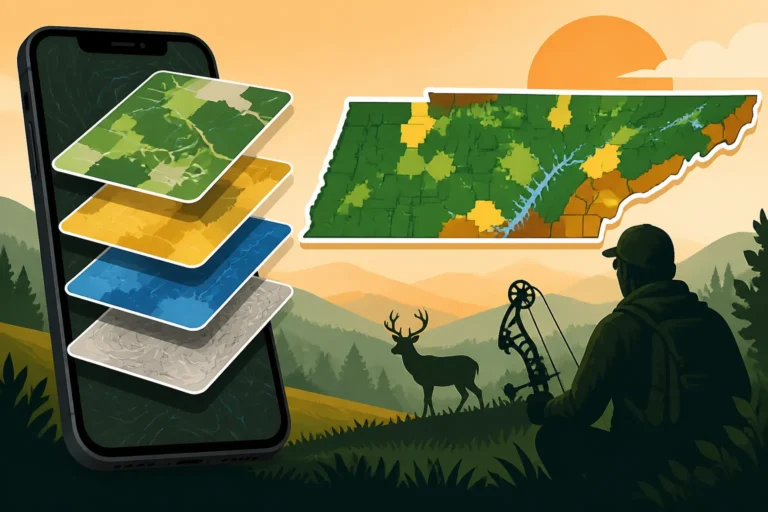
Utilize modern mapping tools to your advantage. Apps like onX Hunt are incredibly valuable for discerning property lines, elevation changes (even subtle ones), and potential access points that might not be obvious from the ground. You can mark potential stand locations, map out quiet entry and exit routes, and even identify satellite imagery that shows current water levels or recent changes in vegetation. Don't rely solely on paper maps; digital tools can give you a significant edge in such a complex environment. Looking at historical satellite imagery, if available, can even show you how areas flood and dry out over time.
Conservation and Respecting the Refuge
Hunting in a National Wildlife Refuge is a privilege, not a right, and it comes with an inherent responsibility to uphold the principles of conservation that define these special places. We, as hunters, are often the most ardent conservationists, and demonstrating that commitment at Hatchie NWR is vital for ensuring these opportunities continue for generations to come.
Ethical Hunting Practices
Beyond just following the letter of the law, ethical hunting practices are paramount within a refuge setting. This means being mindful of your impact on other wildlife, respecting other users (birdwatchers, hikers, etc.), and making clean, humane shots. It also extends to ensuring you recover any game you harvest. Tracking a deer through dense bottomland can be incredibly challenging, and sometimes requires a great deal of patience and perseverance. Be prepared for that challenge, and if necessary, know when to back out and return later, or even call for assistance. Blood Trailing After Dark in Tennessee can be particularly tough in this type of terrain.
Additionally, always remember that you are a representative of the hunting community. Your actions, whether good or bad, reflect on all hunters. Adhering to bag limits, season dates, and weapon restrictions without cutting corners is essential. This respect for the resource and the rules is what keeps public land hunting accessible and sustainable.
Minimizing Impact
Part of respecting the refuge means leaving no trace. This goes beyond just packing out what you pack in. Be mindful of your presence in the landscape. Avoid unnecessary disturbance of sensitive habitats. If you're using a treestand, ensure it complies with refuge rules regarding permanent stands or damage to trees. If you're building a ground blind, use natural materials sparingly and ensure it will naturally decompose or can be removed entirely.
Consider the cumulative impact of your presence. While one hunter might have a minimal effect, hundreds of hunters over a season can create significant disturbance. By spreading out, being discreet, and always prioritizing the health of the ecosystem, we contribute to the long-term viability of Hatchie as both a wildlife haven and a hunting destination. This mindful approach ensures that the wild character of the Hatchie River bottom remains intact for all who come to experience it.
| Requirement/Feature | General TN State Lands | Hatchie National Wildlife Refuge (NWR) |
|---|---|---|
| Primary Goal | Provide diverse recreational opportunities | Wildlife conservation first, then compatible public use |
| Hunting License | Required (TWRA) | Required (TWRA) |
| Refuge Permit | Not typically required | Mandatory |
| Quota Hunts | Common on WMAs, variable | Often used for deer, specific draw |
| Antler Restrictions | DMU-specific, check guide | Refuge-specific, check NWR rules |
| CWD Zone Carcass Rules | Yes, if in CWD zone | Yes, strictly enforced |
| Access Limitations | Variable (gates, roads, foot traffic) | Often stricter (seasonal closures, boat-only) |
| Non-Toxic Shot | Required for waterfowl/some small game | Universally required for waterfowl |
| Camping | Allowed in designated areas, variable | Usually restricted or prohibited |
| Vehicle Restrictions | Variable (ATVs, off-road) | Generally very strict, often limited to main roads |
Disclaimer
This article is for general informational purposes only and does not constitute professional advice. Laws, prices and regulations vary by location and change over time. Consult a qualified professional for guidance on your specific situation.