Why the Restoration Zone Spans Five Counties
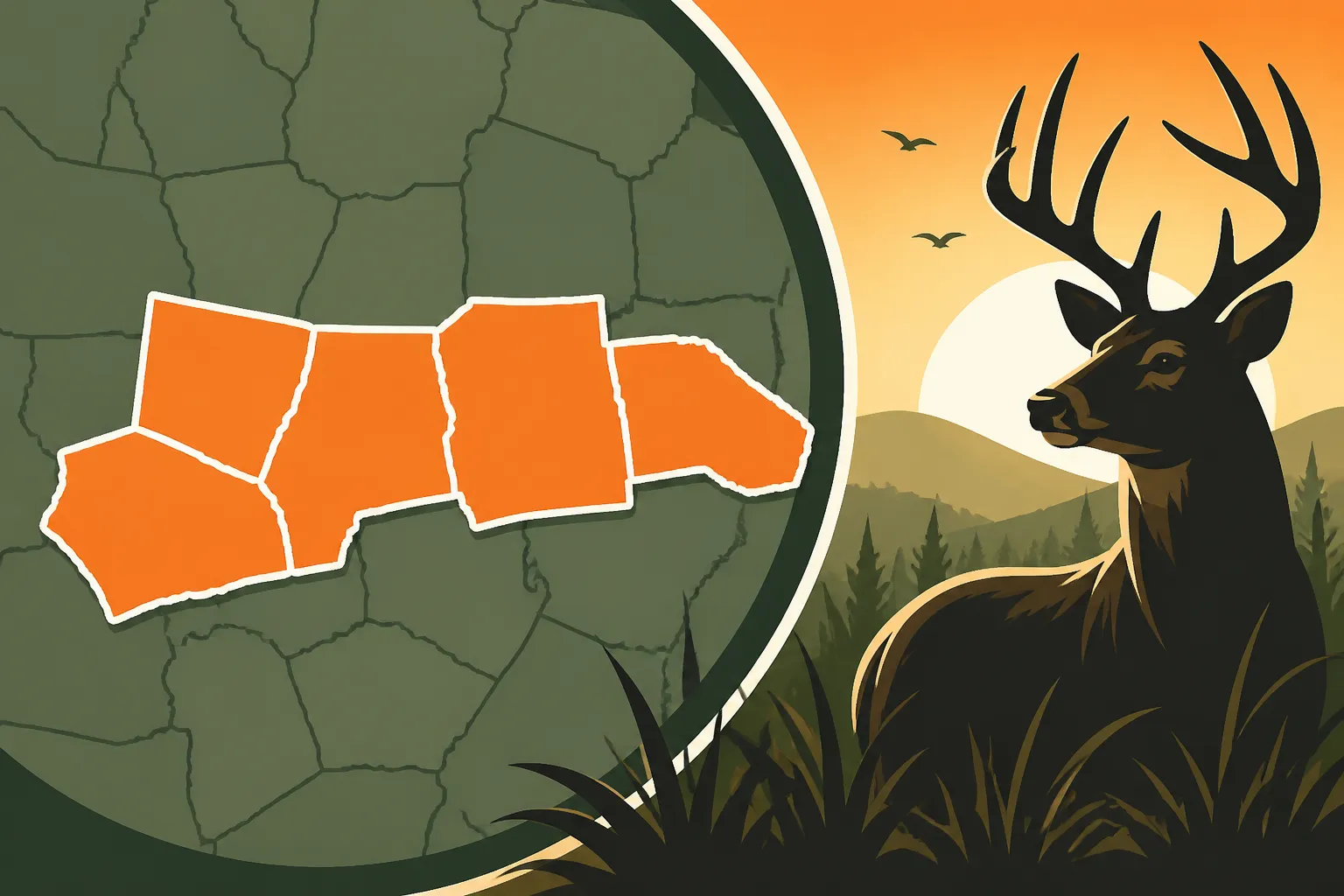
For anyone who’s peered at a map of Tennessee’s elk restoration efforts, it's clear the designated zone isn't just one neat plot of land. Instead, it’s a vast, sprawling area covering parts of five distinct counties. This expansive approach might seem a little bewildering at first glance, but it's a carefully crafted strategy designed to give Tennessee’s wild elk the best possible chance to not just survive, but to truly thrive, offering critical insights into the long-term health and management of these magnificent animals within the state.
The Vision Behind the Restoration Zone
The decision to spread the elk restoration effort across multiple counties wasn't arbitrary; it was born from a deep understanding of elk biology, historical context, and the realities of modern land management. When we talk about bringing back a species as grand as the elk, we're not just moving animals; we're trying to re-establish a self-sustaining population that can endure for generations.
Reintroducing a Lost Species
Tennessee once had a thriving elk population, roaming the vast forests and open lands before being extirpated by unregulated hunting and habitat loss in the mid-1800s. The absence of these large ungulates left a noticeable void in the state’s ecosystem. The idea of reintroduction gained significant traction in the late 1990s, culminating in the first elk being released into the North Cumberland Wildlife Management Area in 2000. These early efforts weren't just about putting elk back on the ground; they were about correcting a historical wrong and restoring a vital component of Tennessee's natural heritage. The goal was never to create a fenced-in game farm, but a truly wild, free-ranging herd.
This vision required a landscape that could support a robust population, not just a handful of animals. It meant looking beyond single property lines and considering the broader ecological needs of an animal that historically roamed vast territories. The initial releases focused on a core area, but the long-term plan always acknowledged that true success would mean elk expanding naturally beyond those boundaries. You can learn more about how the restoration came to be in our guide to Tennessee's Restored Elk Herd.
Habitat Requirements for a Thriving Herd
Elk are magnificent creatures, and their needs are quite specific. They require a diverse habitat mix that provides ample forage, secure cover for bedding and calving, and access to reliable water sources. Unlike deer, which can adapt to smaller, more fragmented habitats, elk need large, contiguous blocks of land to feel safe and to maintain healthy movement patterns.
Think about it: a mature bull elk can weigh upwards of 700 pounds and needs to consume a significant amount of vegetation daily. Cows raising calves need undisturbed areas to give birth and raise their young away from predators and human disturbance. This isn't something you can find in a small patch of woods. They need vast expanses of both open grassland and dense forest, areas that often include reclaimed strip mines which, surprisingly, offer excellent early successional growth and browse. This mosaic of habitats provides a buffet of food sources throughout the year, from tender grasses in spring to acorns and browse in the fall and winter, ensuring the herd has the resources to grow.
Early Efforts and Challenges
The initial stages of elk reintroduction were not without their hurdles. Releasing animals into a new environment, even one historically suitable, always carries risks. There were challenges related to elk adjusting to new food sources, navigating unfamiliar terrain, and dealing with novel predator populations. Biologists meticulously monitored the relocated animals, tracking their movements, health, and reproductive success.
This monitoring provided invaluable data, reinforcing the understanding that a wide-ranging habitat was paramount. It became clear that confining elk to a single WMA, while a good starting point, would ultimately limit the herd's potential. The natural tendency of elk to disperse and seek out new territories further cemented the idea that the restoration zone needed to be expansive, encompassing diverse landscapes that could accommodate this natural behavior and provide for the herd's long-term genetic health.
Understanding the Five-County Footprint
The deliberate choice to designate a five-county footprint for the Tennessee Elk Restoration Zone is a cornerstone of the project’s success. This multi-county approach isn't about administrative convenience; it's a strategic ecological decision that leverages the varied landscape of northeastern Tennessee to its fullest potential.
Geographic and Ecological Diversity
The five counties that comprise the Elk Restoration Zone – Anderson, Campbell, Claiborne, Scott, and Morgan – are far from uniform. This region is a tapestry of rugged Appalachian mountains, deep hollows, rolling foothills, and areas of former surface mining that have been extensively reclaimed. These reclaimed lands, often dismissed by casual observers, are incredibly valuable to elk. They provide vast open spaces with early successional vegetation, dense stands of grasses, and young shrubs, which are prime foraging grounds.
Interspersed with these open areas are dense pockets of mature hardwood forests, offering critical cover and security. This ecological diversity means that as the seasons change, elk have a variety of options for food and shelter. They can move to higher elevations in the summer for cooler temperatures and different forage, then descend into sheltered valleys during harsh winter weather. This ability to utilize different habitats across a broad geographic range is crucial for a healthy, resilient elk population.
Connecting Core Habitats
One of the primary reasons for the expansive, multi-county zone is to create interconnected corridors between core habitat areas. Elk are not static animals; they migrate, explore, and expand their range. By including multiple counties, the zone effectively links various suitable habitats, allowing for natural dispersal and genetic exchange within the herd. This prevents genetic isolation and helps to build a stronger, more adaptable population.
Imagine the North Cumberland Wildlife Management Area as the heart of the restoration. But for that heart to pump life into a growing herd, it needs arteries and veins leading to other suitable areas. The multi-county designation provides these pathways, enabling elk to move between public lands and even onto cooperative private lands. This connectivity is vital for the long-term health of the herd, allowing them to naturally expand their territory as their numbers increase. If you're planning a trip, our guide on Preparing for a North Cumberland Elk Hunt can offer more insights into the core area.
Balancing Wildlife and Human Interests
Any large-scale wildlife restoration project must carefully balance the needs of the animals with the interests of the local human population. An expansive zone allows for a more diffuse distribution of elk, which can help mitigate potential conflicts with agriculture or private landowners. While elk populations are still carefully managed, spreading them across multiple counties means that impacts are less concentrated in any one small area.
This balanced approach also takes into account hunting opportunities. With an expanding elk herd, Tennessee is able to offer limited, highly coveted elk permits. The vastness of the zone means that hunters who draw a tag have a challenging, yet authentic, fair-chase experience. It ensures that the elk population is managed sustainably while providing incredible opportunities for hunters, ensuring the future of Tennessee Elk Quota Hunt Rules.
Management Strategies for an Expanding Herd
Managing an expanding elk herd across such a large, diverse restoration zone is a complex undertaking, requiring continuous effort, data analysis, and collaboration. The Tennessee Wildlife Resources Agency (TWRA) is at the forefront of these efforts, working tirelessly to ensure the long-term success of the elk reintroduction.
TWRA's Role in Population Growth
The TWRA plays an indispensable role in monitoring and managing the elk herd within the restoration zone. Biologists conduct regular surveys to estimate population numbers, assess herd health, and track movements. This data helps them make informed decisions about herd management, including setting sustainable harvest quotas. The goal is always to maintain a healthy, growing population that doesn't overtax its habitat or lead to excessive conflicts with human activities.
Beyond monitoring, the TWRA also engages in habitat improvement projects within the zone. This might include prescribed burns to promote new forage growth, creating wildlife openings, or planting specific food sources that benefit elk. Their work is dynamic, adapting to the changing needs of the herd and the landscape. Understanding their strategic efforts can be helpful when you're Scouting Tennessee Public Land Before Season.
Hunter Opportunities and Challenges
For the fortunate few who draw one of Tennessee's highly coveted elk permits, the expansive five-county zone presents both incredible opportunities and unique challenges. Unlike hunting in a smaller, more confined area, pursuing elk across thousands of acres of diverse terrain requires extensive scouting, physical endurance, and a deep understanding of elk behavior. Hunters must often cover significant ground, navigating steep ridges, dense timber, and reclaimed mine lands.
The sheer size of the zone means that elk can be found in a wide variety of habitats. This necessitates a flexible hunting strategy, adapting to conditions and elk movements. Scouting efforts often begin months in advance, utilizing tools like aerial maps and topography apps to identify potential hotspots. Even with all the planning, the wild, free-ranging nature of these elk ensures that every hunt is a true adventure. Detailed information on hunting specifics can be found in our comprehensive guide on Tennessee's Ten Elk Hunt Zones.
The Importance of Public and Private Land Partnerships
The success of the elk restoration project is heavily reliant on strong partnerships between public land agencies, like the TWRA and the U.S. Forest Service, and private landowners within the five-county restoration zone. While a significant portion of the zone is public land, elk are wild animals and don't recognize property lines. They will move onto private lands, especially those with attractive forage or cover.
Cooperation with private landowners is essential for managing elk that occasionally venture off public holdings. This might involve agreements for elk viewing, access for management activities, or even limited hunting opportunities on private ground if the landowners choose. These partnerships are critical for the social acceptance of the elk herd and for ensuring their safe movement across the broader landscape. Without this spirit of cooperation, managing a wide-ranging species like elk would be far more difficult.
Implications for Future Elk Hunting in Tennessee
Looking ahead, the expansive five-county restoration zone continues to shape the future of elk in Tennessee, both for the animals themselves and for the dedicated hunters who dream of pursuing them. The lessons learned from managing such a large area will guide future conservation efforts and hunter expectations.
Continued Expansion and Potential Challenges
The large restoration zone provides ample space for the Tennessee elk herd to continue growing and expanding its range. As the population increases, elk may naturally disperse further into adjacent areas, potentially colonizing new habitats outside the currently designated zone. This natural expansion is a positive sign of a healthy, robust herd, but it also presents new management challenges.
For instance, as elk venture further, there might be increased interactions with agricultural lands or suburban areas, requiring new strategies for managing conflicts. The TWRA will need to continuously monitor these dispersal patterns and adapt their management plans accordingly. This could involve exploring new limited hunting opportunities in emerging areas, or implementing proactive measures to prevent conflicts before they escalate. The flexibility afforded by the large initial zone means Tennessee is well-positioned to handle these future developments.
Navigating the Zone as a Hunter
For hunters, understanding the implications of this expansive zone is paramount. It means that scouting and preparation are key. Utilizing digital mapping tools, such as those offered by GoHunt, can be incredibly valuable for identifying public land access points, understanding terrain features, and even pinpointing potential travel corridors or bedding areas. These tools allow hunters to virtually explore the vastness of the restoration zone before ever setting foot on the ground.
Hunters should also be intimately familiar with specific county boundaries and regulations within the zone, as rules and access points can vary. For example, knowing the details of Scott County Elk Zone Public Land versus Morgan County Elk Zone Public Land can make a significant difference in your hunt plan. Because the number of permits for Tennessee General Firearms Elk Season Dates and Tennessee Archery-Only Elk Season Dates remains extremely limited, every scouting trip, every piece of information, and every bit of preparation is a valuable investment in a potentially once-in-a-lifetime experience. The sheer scale of the landscape demands that hunters are self-reliant and prepared for rugged, backcountry conditions, making it a truly challenging and rewarding pursuit.
Elk Restoration Zone Counties and Characteristics
To help visualize the varied landscape of Tennessee's Elk Restoration Zone, here's a breakdown of the general characteristics that each of the five counties contributes to the overall habitat. This diversity is key to the herd's success.
| County Name | Primary Terrain Features | Key Habitat Contributions | Notable Public Land Access |
|---|---|---|---|
| Anderson | Mountainous, reclaimed mine lands, forested ridges | Extensive early successional growth, dense cover, varied browse | North Cumberland WMA |
| Campbell | Rugged mountains, deep valleys, vast forests | Diverse forage, secure bedding areas, mature timber | North Cumberland WMA, Royal Blue WMA |
| Claiborne | Mountainous, some agricultural interfaces | Forested areas, potential for agricultural edge feeding | North Cumberland WMA, some private timberland |
| Scott | Broad ridges, reclaimed mine lands, steep hollows | Large open areas for grazing, varied elevation, water sources | North Cumberland WMA, Big South Fork NRRA |
| Morgan | Mountainous, forested, some river bottom areas | Connectivity, mature forest, diverse plant life | North Cumberland WMA, Catoosa WMA |
Remember, while specific WMAs are central, the elk use the entire designated restoration zone, moving between these different features as their needs dictate.
Disclaimer
This article is for general informational purposes only and does not constitute professional advice. Laws, prices and regulations vary by location and change over time. Consult a qualified professional for guidance on your specific situation.