Tennessee Waterfowl on the Mississippi Flyway
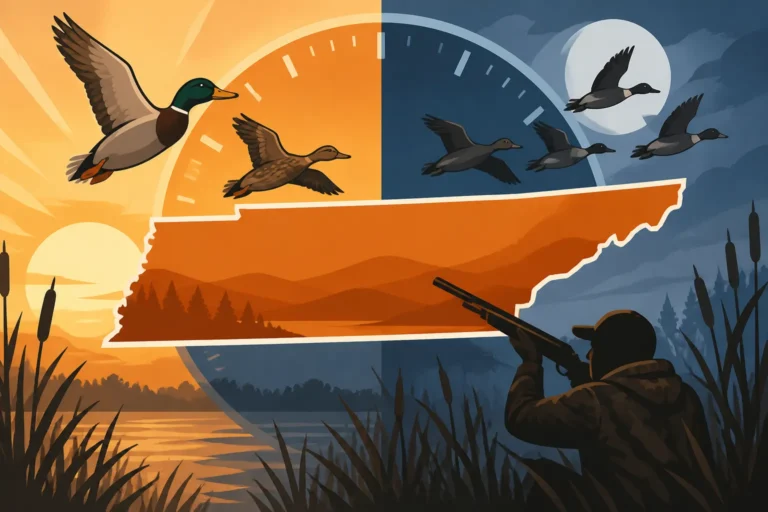
The anticipation of a cold front sweeping through Tennessee, promising to push new flights of ducks and geese down the Mississippi Flyway, is a feeling many of us chase all fall and winter. But understanding the nuances of waterfowl hunting in our great state, from deciphering zone regulations to knowing where to set up your spread, can feel like trying to hit a green-winged teal at 60 yards in a crosswind. This comprehensive guide is designed to cut through the confusion, offering a deep dive into Tennessee's rich waterfowl hunting opportunities and helping you make the most of every honk and whistle.
Understanding Tennessee's Place on the Mississippi Flyway
Tennessee, nestled squarely within the heart of the Mississippi Flyway, holds a uniquely pivotal position for migratory waterfowl. This massive aerial highway, stretching from the Arctic tundra all the way down to the Gulf of Mexico, funnels millions of ducks, geese, and other migratory birds right over our state each year. For hunters, this means unparalleled opportunities, but it also means understanding the complex factors that make Tennessee a temporary home for so many species.
The Mississippi Flyway's Crucial Role
The Mississippi Flyway isn't just a line on a map; it's a vital corridor of interconnected wetlands, rivers, and agricultural fields that provide essential breeding, resting, and wintering grounds for an incredible diversity of waterfowl. From Canada's prairie potholes to the bayous of Louisiana, birds follow a predictable path, dictated by weather, food availability, and instinct. Tennessee, with its abundance of major river systems like the Mississippi, Tennessee, and Cumberland, along with countless smaller tributaries and floodplains, acts as a critical stopover and wintering area. The sheer volume of birds that pass through, or choose to stay for the colder months, makes our state a true gem for waterfowl enthusiasts. Without this natural migration route, our blinds would be a lot quieter.
Key Waterfowl Migration Routes Through Tennessee
Within the broader Mississippi Flyway, specific pathways and bottlenecks emerge as birds navigate Tennessee. The most prominent, of course, is the Mississippi River itself, forming our state's western border. This colossal waterway, with its expansive floodplain, oxbow lakes, and associated sloughs, draws in tremendous numbers of ducks and geese. Birds follow these river corridors, utilizing them as navigation aids and reliable sources of food and shelter. Beyond the Mississippi, major reservoirs like Kentucky Lake and Chickamauga Lake on the Tennessee River, and Percy Priest Lake and Old Hickory Lake on the Cumberland River system, also serve as significant resting and feeding areas, attracting divers and dabblers alike. Understanding these micro-flyways within our state can be the difference between a slow morning and a memorable hunt. Knowing these patterns often requires diligent scouting, sometimes leveraging tools that provide detailed aerial imagery, much like how a hunter using a robust mapping app would plan their approach for a big game hunt out west.
Major Waterfowl Habitat Regions
Tennessee offers a diverse array of waterfowl habitats, each attracting different species and presenting unique hunting challenges. In West Tennessee, the focus is undoubtedly on the Mississippi River floodplain, including iconic destinations like Reelfoot Lake, the Tennessee portion of the Mississippi River, and numerous Wildlife Management Areas (WMAs) with managed impoundments and flooded timber. These areas are magnets for dabbling ducks such as mallards and gadwalls. As you move east, the large reservoirs of the Tennessee River Valley become more important, especially for diving ducks like scaup, canvasbacks, and ring-necked ducks. The Cumberland Plateau and East Tennessee also offer opportunities, particularly on smaller lakes, beaver ponds, and agricultural fields, often holding wood ducks and local Canada geese. Each region requires a different approach, from boat blinds in flooded timber to layout blinds in cut cornfields, underscoring the adaptability needed to consistently connect with birds across the state.
Key Waterfowl Species You'll Encounter in Tennessee
Tennessee's position on the Mississippi Flyway means an incredible diversity of waterfowl passes through or winters here. Knowing your quarry, from their flight patterns to their feeding habits, is crucial for successful hunting and proper species identification, which is a core tenet of responsible sportsmanship.
Dabbling Ducks: Mallards, Wood Ducks, and More
Dabbling ducks are arguably the most popular targets for Tennessee hunters, known for feeding by "tipping up" in shallow water rather than diving. The Mallard is the undisputed king, with its unmistakable green head on drakes, a loud quack, and penchant for flooded timber and agricultural fields. They are the backbone of many a Tennessee duck hunt. Another cherished resident is the Wood Duck, a truly stunning bird that prefers flooded swamps, beaver ponds, and small creeks with plenty of overhead cover. Their squealing call is often the first sound of a pre-dawn hunt. Other common dabblers include Gadwall, often called "gray ducks," known for their subtle beauty and preference for vegetated wetlands; Green-winged Teal and Blue-winged Teal, fast-flying dynamo's that challenge even the best wingshooters; and Northern Shovelers, easily identified by their oversized bills, which they use to filter small invertebrates from the water. Each of these species adds a unique flavor to the Tennessee waterfowl experience.
Diving Ducks: Ringnecks, Bluebills, and Canvasbacks
While dabblers dominate the shallow waters, diving ducks are more at home on Tennessee's larger, deeper lakes and rivers. These birds propel themselves underwater using their powerful feet to feed on submerged vegetation and mollusks. Ring-necked Ducks, often misidentified as ringbills, are perhaps the most common diver, recognizable by the white ring on their bill and the distinct shape of their head. They tend to gather in large rafts on open water. Scaup, both Lesser and Greater (often called "bluebills"), are strong flyers and frequent visitors to big lakes and wide rivers, often associating with Ringnecks. The majestic Canvasback, known for its distinctive sloping profile and speedy flight, is a highly prized trophy, though less common than other divers. Other diving ducks like Redheads and Buffleheads also make appearances. Hunting divers often means braving rougher water and employing different decoy spreads, sometimes involving long lines of decoys to imitate a resting raft on a vast body of water, a vastly different approach compared to the close-quarters action of Hunting Reelfoot's Flooded Cypress Timber.
Geese: Canada, Snow, and Specklebelly
Goose hunting in Tennessee offers its own distinct excitement. The Canada Goose is the most prevalent, with resident populations augmented by migratory birds. They are often found feeding in agricultural fields or resting on large bodies of water. Their iconic honk is a sound that defines the migration season. Hunters target them with large field spreads, layout blinds, and careful calling. Snow Geese pass through Tennessee in incredible numbers, especially during certain migration phases, creating spectacles of thousands of birds in the sky. Hunting snows can be challenging, requiring massive decoy spreads, electronic calls, and often a lot of patience. Finally, the Greater White-fronted Goose, affectionately known as the Specklebelly, is another highly sought-after goose species. Known for its distinctive high-pitched "laughing" call and excellent table fare, specklebellies are typically found in West Tennessee, often associating with the fertile agricultural lands along the Mississippi River, often targeted by hunters focusing on Canada Geese on Tennessee Farmland.
Here's a quick reference table for common waterfowl species in Tennessee:
| Species | Type | Primary Habitat | Key Identification (Drake) | Common Calling Sound |
|---|---|---|---|---|
| Mallard | Dabbler | Flooded timber, fields, shallow water | Green head, white neck ring, gray body | Quack, paired with a low grrr |
| Wood Duck | Dabbler | Swamps, beaver ponds, wooded streams | Iridescent green/purple head, ornate body | Squeal, "wheet-wheet" |
| Gadwall | Dabbler | Vegetated wetlands, impoundments | Gray body, black rear, white speculum | Whistle, grunting quack |
| Green-winged Teal | Dabbler | Shallow marshes, mudflats | Chestnut head, green eye patch | Whistle, peep, chirping |
| Ring-necked Duck | Diver | Large lakes, deep ponds | Black back, gray sides, white bill ring | Growl, soft purr |
| Scaup (Bluebill) | Diver | Large open water, bays | Black head/chest, white sides (Lesser) | "Scaup," low purr |
| Canvasback | Diver | Large, deep lakes and rivers | Red head, white body, sloping profile | Coarse croak, growl |
| Canada Goose | Goose | Agricultural fields, open water | Black head/neck, white chinstrap, brown body | Honk, deep resonant |
| Snow Goose | Goose | Open fields, large wetlands | White body, black wingtips | High-pitched "skowk," honking |
| White-fronted Goose | Goose | Fields, shallow wetlands (West TN) | Gray-brown body, white front on face, speckled belly | High-pitched "ke-lee" |
Tennessee Waterfowl Zones and Season Structure
Hunting waterfowl in Tennessee isn't a one-size-fits-all affair. The state is divided into specific zones, each with its own season dates and regulations, designed to optimize hunting opportunities while ensuring conservation. Misunderstanding these zones can lead to a forfeited hunt or, worse, a violation, so paying close attention to the TWRA (Tennessee Wildlife Resources Agency) regulations is paramount. This information is readily available on their website and through their Go Outdoors Tennessee app, which is a fantastic resource, much like how many utilize robust scouting tools for tracking game across various states.
The Reelfoot Zone and its Unique Rules
The Reelfoot Zone is a special area in West Tennessee, centered around the iconic Reelfoot Lake, a natural marvel formed by earthquakes. This zone recognizes the lake's unique ecological importance and immense draw for waterfowl, and thus has season dates that often differ from the rest of the state. Typically, the Reelfoot Zone seasons begin a bit later and may have different phase splits to account for later migrations of birds that often winter there. Hunters in this zone will need to be particularly aware of specific WMA regulations if hunting on public land, which can include draw hunts for blinds, designated hunting hours, and even restrictions on boat motor sizes in certain areas. It's a truly special place, but it requires careful homework, a detailed scout, and understanding of the unique management strategies, as highlighted in topics like Getting a Reelfoot Preservation Permit.
The Statewide Zone and its Phases
The vast majority of Tennessee falls within the Statewide Zone. This zone typically has two distinct phases for duck season, with a short closure in between. These phases are strategically designed to align with major migratory pushes, allowing hunters to target early migrating birds in the first phase and later-arriving, often larger concentrations of birds in the second phase. Goose seasons within the Statewide Zone also follow a phased approach, sometimes with additional special seasons for resident Canada geese or to target snow geese. The TWRA carefully sets these dates each year based on population data, habitat conditions, and hunter input. Always check the current year's Tennessee Hunting and Trapping Guide for precise dates, bag limits, and any new regulations, as these can change annually. The timing of these seasons is critical to hitting the peaks of Tennessee Waterfowl Migration Timing.
Goose Seasons and Special Hunts
Beyond the general duck seasons, Tennessee offers various goose seasons, reflecting the different management needs for Canada, Snow, and White-fronted geese. Canada goose season is often quite liberal, especially to manage resident populations that can cause agricultural damage. Snow goose season, particularly the light goose conservation order, can run for extended periods, allowing for the use of electronic calls and unplugged shotguns to help reduce their burgeoning populations. White-fronted geese are often managed more conservatively, with specific bag limits. Hunters should also be aware of potential youth hunts, veteran hunts, or other special opportunities that may arise, offering unique access or extended hunting periods for specific groups. These special hunts are an excellent way to introduce new hunters to the sport or provide unique experiences for seasoned veterans.
Prime Waterfowl Hunting Locations in Tennessee
When it comes to waterfowl, location is everything. Tennessee offers a diverse landscape of hunting opportunities, from world-renowned public water to overlooked private honey holes. Knowing where to focus your efforts can drastically improve your chances of success.
Reelfoot Lake: A Legendary Destination
No discussion of Tennessee waterfowl hunting is complete without revering Reelfoot Lake. This natural lake in Northwest Tennessee is legendary, known for its flooded cypress trees, vast shallow water, and incredible concentrations of wintering ducks. Reelfoot is not just a lake; it's an entire ecosystem that supports a massive migratory bird population. Hunters here often operate out of permanent boat blinds nestled deep within the cypress, calling in mallards, gadwalls, and other dabblers. The experience is truly unique, steeped in tradition and challenging conditions. Access is largely regulated, with many public blind sites managed through a draw system, and private blinds on leased ground. Understanding the specific rules, from boat horsepower limits to the often-muddy conditions, is essential for a successful trip, and proper planning, possibly using a detailed map application or a tool like GoHunt to understand land boundaries and access points, is key before setting out on an expedition to Hunting the Reelfoot Lake Duck Blinds.
Hunting the Mississippi River Backwaters
The Mississippi River itself, and its sprawling network of backwater sloughs, oxbow lakes, and associated floodplains, offers some of the most dynamic waterfowl hunting in Tennessee. These areas, particularly in counties like Lauderdale, Tipton, and Shelby, are crucial wintering grounds. Water levels dictate access and hunting success here; high water can open up new areas of flooded timber, while low water concentrates birds in remaining pools. Hunters often use flat-bottom boats or large mud motors to navigate the ever-changing landscape, setting up in natural breaks in cover or along field edges. These areas are wild, unpredictable, and demand a keen understanding of river dynamics, but they can offer spectacular hunting for diverse species, including the prized Mallards at Reelfoot Lake.
Managed WMAs and Public Refuges
Tennessee is blessed with a network of Wildlife Management Areas (WMAs) and National Wildlife Refuges (NWRs) that provide crucial habitat and hunting access. WMAs like Gooch, Tigrett, Big Sandy, and West Sandy are specifically managed for waterfowl, often featuring controlled impoundments, moist soil units, and food plots. These areas often have specific drawing periods for blinds or designated hunt units, which hunters must apply for in advance. NWRs such as Hatchie National Wildlife Refuge also offer managed hunt opportunities, typically through quota hunts. While these areas can be competitive due to popularity, they offer consistent hunting opportunities and are vital to maintaining healthy waterfowl populations. Resources for finding and understanding specific WMA rules are crucial, and tools like the TWRA's public land maps or even a general hunting app can help identify and navigate these areas. Many hunters have success on WMAs by employing tactics for Layout Blind Hunting West Tennessee Fields.
Private Land Opportunities and Farm Ponds
Beyond public lands, private agricultural lands and farm ponds offer significant waterfowl hunting opportunities, especially for ducks and Canada geese. Farmers in West Tennessee often plant corn, soybeans, and rice, which become irresistible food sources for migrating birds. Gaining permission from landowners is key here, and building relationships can lead to consistent access. Hunting can involve setting up large decoy spreads in cut fields from layout blinds or pit blinds, or jump-shooting smaller ponds and creeks. These private parcels, especially those with flooded timber or low-lying agricultural fields, can hold an incredible number of birds, particularly when public areas are pressured. Even small, overlooked farm ponds can be honey holes for a pair of Wood Ducks in Tennessee Bottomland or a small flock of resting mallards.
Essential Gear and Tactics for Tennessee Waterfowling
Successful waterfowl hunting is a blend of knowing the birds, understanding the habitat, and having the right gear and tactics. Tennessee's diverse hunting environments demand versatility in your setup.
Decoy Spreads and Calling Strategies
Decoys are your silent partners in the duck blind. For dabbling ducks in flooded timber or impoundments, a spread of two to three dozen mallard decoys, often with a few gadwall or teal mixed in, is a common starting point. Motion decoys, like spinning-wing devices or jerk strings, can be incredibly effective at attracting birds from a distance. For divers on open water, long lines of decoys simulating a large raft can be successful. Goose hunting, especially for Canada geese in fields, often requires much larger spreads, sometimes 50 to 100 decoys or more, including full-body and shell decoys, to create a realistic feeding scene.
Calling is an art form. For mallards, a range of calls from a loud hail call to a soft feed chuckle is essential. Learning to "talk" to the birds, responding to their circling patterns and adjusting your calls, is a skill honed over many seasons. For geese, a deep, resonant honk and cluck from a short-reed call can be deadly. Practice is key, and listening to live birds is the best teacher. Successfully implementing various calling techniques, as discussed in Rattling and Grunting in Tennessee for deer, is equally crucial in the waterfowl world. Many serious duck hunters rely on brands like Zink Calls or Echo Calls for their realistic sounds and durability, which perform well in the often-harsh Tennessee weather conditions.
Waders, Blinds, and Boats for Different Terrains
Your personal gear needs will vary wildly depending on where and how you hunt. For flooded timber or shallow impoundments, chest waders are non-negotiable. Durable neoprene or breathable waders will keep you dry and warm. For hunting open fields, a good layout blind is essential for concealment, allowing you to disappear into the stubble. Permanent blinds, whether boat blinds on Reelfoot or pit blinds in managed fields, offer comfort and concealment but require specific access.
Boats are often the workhorse of Tennessee waterfowl hunting. Flat-bottom aluminum boats with powerful mud motors are ideal for navigating shallow, stump-filled backwaters and cypress swamps. Larger, more stable boats might be needed for the big water of Kentucky Lake or the main channel of the Mississippi River. Kayaks or canoes can be excellent for accessing smaller, more remote beaver ponds or creeks. Whatever your chosen method, reliable gear is paramount, whether it's the right Waders for Flooded Timber Hunting or a sturdy vessel to brave rough waters.
Shotguns, Ammunition, and Nontoxic Shot Rules
A reliable shotgun is fundamental. Most waterfowl hunters opt for 12-gauge shotguns, capable of handling 3-inch or 3.5-inch magnum shells. Semiautomatics and pump-action shotguns are the most popular choices for their reliability and quick follow-up shots. Choke tubes, from modified to improved modified or full, allow you to tailor your shot pattern to the conditions and distance of the birds.
Nontoxic shot is legally required for all waterfowl hunting throughout Tennessee. This means no lead shot. The most common nontoxic options are steel, bismuth, or tungsten super shot (TSS). Steel shot is the most affordable but requires larger shot sizes to achieve similar knockdown power to lead. Bismuth is denser and performs more like lead but is more expensive. TSS is the densest and most effective but also the most costly. Always match your shot size and material to the birds you're targeting and the range at which you expect to shoot. For example, larger steel shot (like #2 or BB) is often preferred for geese, while smaller steel (#3 or #4) or bismuth (#4 or #5) works well for ducks.
Navigating Licenses, Permits, and Regulations
The paperwork side of hunting might not be the most exciting, but it's absolutely critical. Failing to have the correct licenses, permits, or certifications can ruin your hunt and lead to costly penalties. Tennessee has a clear, albeit layered, system for waterfowl hunters.
Required Licenses and Stamps
Before you even step foot in the marsh or field, you'll need to secure your basic hunting licenses. All waterfowl hunters in Tennessee, unless exempt, must possess a valid Tennessee hunting license. For residents, options like the annual hunting and fishing license (Type 001) or the all-inclusive Sportsman License (Type 94) are available. Non-residents have various options, including annual licenses or shorter-term permits tailored for specific durations. Beyond the general hunting license, all waterfowl hunters over 16 years of age are required to purchase a Tennessee Migratory Bird Stamp (Type 005 or equivalent). This state stamp helps fund waterfowl conservation efforts within Tennessee. Additionally, hunters 16 years or older must also purchase a Federal Duck Stamp. This federal stamp is a physical stamp that must be signed across its face and carried while hunting. Funds from Federal Duck Stamp sales go directly to acquiring and restoring wetland habitat in the National Wildlife Refuge System. More information can be found in a resource such as Tennessee Hunting Licenses and What They Cost.
HIP Certification and Federal Duck Stamp
In addition to state and federal stamps, all migratory bird hunters in Tennessee, regardless of age, must complete the Harvest Information Program (HIP) certification annually. This is a free, quick process that registers you with the U.S. Fish and Wildlife Service, providing valuable data on migratory bird harvests. It's often completed when you purchase your state hunting license or can be done online through the TWRA's Go Outdoors Tennessee portal. Remember, even if you only hunt doves or other migratory birds, you still need HIP certification. The Federal Duck Stamp, as mentioned, is an annual purchase and a requirement for anyone 16 years of age or older hunting migratory waterfowl. It's not just a permit; it's a direct contribution to wetland conservation, and carrying it, signed, is a federal requirement. Understanding these requirements, particularly the Tennessee Migratory Bird Certification, is vital for legal hunting.
Special WMA Permits and Quota Hunts
Hunting on many of Tennessee's prime Wildlife Management Areas (WMAs) often requires more than just your general state and federal licenses. Some WMAs have specific WMA permits or annual WMA stamps that must be purchased in addition to your regular licenses. Furthermore, many of the most desirable waterfowl hunting spots on WMAs, particularly those with permanent blinds or highly managed impoundments, are allocated through quota hunts or drawing systems. These require hunters to apply during specific application periods, often months in advance of the season. Examples include the blind drawings at Reelfoot Lake or specific hunt unit drawings at other WMAs. Always consult the TWRA's annual regulations guide and their website for specific WMA rules, application deadlines, and any special requirements, as these can vary significantly from one WMA to another. Utilizing resources like the TWRA app or even a general hunting resource like GoHunt can help you stay on top of application periods and specific WMA rules.
Conservation Efforts and Waterfowl Management in Tennessee
Waterfowl hunting in Tennessee is not just about the harvest; it's deeply intertwined with robust conservation efforts. Hunters are, and always have been, the leading force in funding and advocating for wetland and waterfowl conservation, ensuring these incredible resources are available for future generations.
TWRA's Role in Habitat Preservation
The Tennessee Wildlife Resources Agency (TWRA) plays a monumental role in managing and preserving waterfowl habitat across the state. They actively acquire, restore, and manage thousands of acres of wetlands, bottomland hardwoods, and moist soil units on WMAs like Gooch, Big Sandy, and Tigrett. These management practices include controlled water levels, planting specific crops like millet and corn, and manipulating vegetation to provide optimal food and cover for migrating birds. The TWRA also works with private landowners through various programs to encourage habitat development on private lands. These efforts are crucial, as habitat loss is the single biggest threat to waterfowl populations. Their work ensures that birds have vital stopping points during Tennessee Waterfowl Migration Timing.
Understanding Population Surveys and Data
Waterfowl management is a science, heavily reliant on data collected through extensive population surveys. Organizations like the U.S. Fish and Wildlife Service, in cooperation with state agencies like the TWRA and Ducks Unlimited, conduct annual aerial surveys across the breeding grounds in the prairie pothole region of the U.S. and Canada. These surveys estimate breeding populations, which in turn inform bag limits and season lengths. In Tennessee, the TWRA conducts ground surveys and harvest monitoring to track local populations and hunter success. This data-driven approach allows wildlife managers to make informed decisions that balance hunting opportunities with the long-term health and sustainability of waterfowl populations. Understanding Tennessee Turkey Brood Survey Results offers a similar insight into game species management.
Hunter Contributions to Conservation
It cannot be overstated: waterfowl hunters are the primary funders of waterfowl conservation. Every time a hunter purchases a state hunting license, a Tennessee Migratory Bird Stamp, or a Federal Duck Stamp, a significant portion of that money goes directly into habitat acquisition, restoration, and management. Additionally, organizations like Ducks Unlimited, Delta Waterfowl, and local conservation groups are largely supported by hunters' memberships and donations, directly funding projects that benefit ducks and geese. This "user pays, wildlife benefits" model is a cornerstone of the North American Model of Wildlife Conservation and ensures that the very act of hunting contributes to the ongoing health and abundance of the resource. By being informed and compliant with regulations, hunters are directly participating in this vital conservation legacy.
Disclaimer
Please remember that hunting regulations, season dates, and license requirements in Tennessee are subject to change. Always consult the most current Tennessee Hunting and Trapping Guide published by the Tennessee Wildlife Resources Agency (TWRA) before planning any hunting trip. This guide is for informational purposes only and does not supersede official TWRA regulations.