Tennessee Special Youth Hunt Windows
It can feel overwhelming trying to introduce the next generation to the rich tradition of hunting, especially when navigating all the seasons, permits, and specific regulations. You want to give your young hunter the best chance at success and a positive experience, but figuring out the when and where can be a real headache. This guide is dedicated to breaking down Tennessee's special youth hunt windows, making it easier for you to plan memorable and successful outings with the young outdoors enthusiasts in your life.
Understanding the Purpose of Tennessee's Youth Hunt Opportunities
Tennessee's wildlife management, particularly through the efforts of the Tennessee Wildlife Resources Agency (TWRA), places a significant emphasis on hunter recruitment and retention. It's not just about managing game populations; it's about safeguarding the future of our outdoor heritage. Special youth hunt windows are a cornerstone of this effort, designed to provide young hunters with unique, less-pressured opportunities to learn, hunt, and connect with nature. These seasons often precede the general statewide openers, giving youth an advantage of hunting unpressured animals and learning without the added competition that can sometimes accompany popular opening days.
The Philosophy Behind Dedicated Youth Seasons
The thought process behind these youth-specific seasons is pretty straightforward: create an environment conducive to learning and success. When the woods aren't full of other hunters, and the animals haven't been pushed and prodded for weeks, a young hunter's chances of seeing game and having a meaningful encounter go way up. Imagine trying to teach a new driver in rush hour traffic versus an empty parking lot – it's a similar principle. These early windows allow mentors to focus entirely on teaching woodcraft, tracking, safe firearm handling, and ethical hunting practices without the pressure of a crowded field or the intense focus on "getting something" that can sometimes overshadow the educational aspect of hunting. It’s about building a solid foundation, instilling patience, and fostering a deep respect for wildlife. Many lifelong hunters look back fondly on their first experiences, often during these special youth weekends, as pivotal moments that cemented their love for the sport.
Benefits for Young Hunters and Mentors Alike
The advantages of these youth hunts extend far beyond simply an earlier opening day. For the young hunter, it means less competition, which can translate to seeing more deer or turkeys, and potentially a higher chance of success. This early success can be incredibly encouraging, building confidence and fostering a passion for hunting that might otherwise dwindle with repeated difficult outings. It’s also an incredible opportunity for one-on-one mentorship, free from the distractions that can arise when adult hunters are also focused on their own tags. The focus shifts entirely to the youth, making them feel central to the experience.
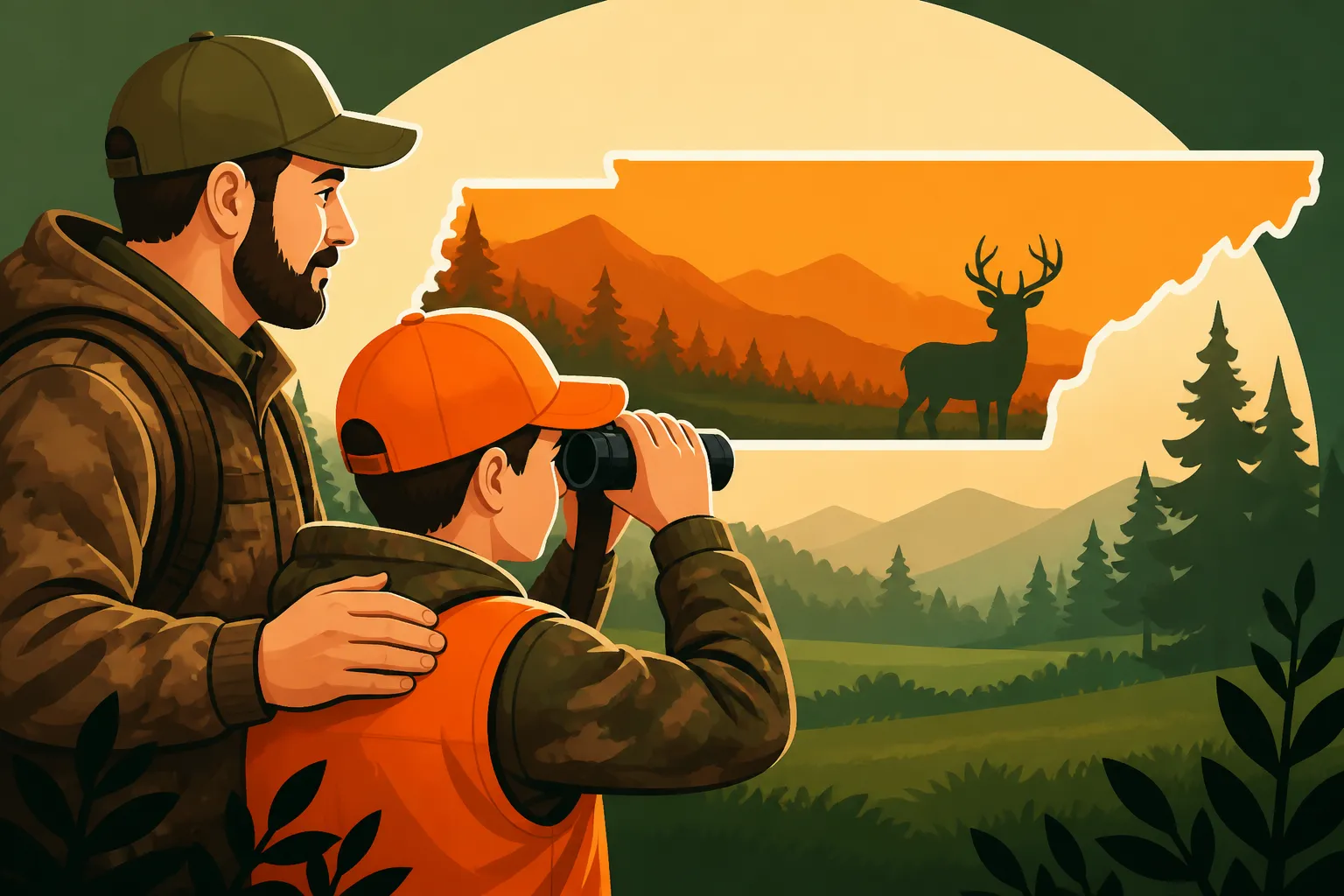
For mentors, these windows are a chance to truly connect. You're not just a guide; you're an educator, a storyteller, and a companion. It's a prime time to teach them about Scouting Tennessee Public Land Before Season, reading sign, understanding wind direction, and appreciating the intricacies of the natural world. It's also an excellent way to use the experience as a teaching tool for everything from gun safety to responsible game handling. Many mentors find that seeing the excitement and joy in a young hunter’s eyes makes these experiences far more rewarding than their own successful hunts. This dedicated time reinforces the bond between mentor and youth, creating memories that will last a lifetime.
Navigating Tennessee's Youth Deer Hunting Weekends
Tennessee offers dedicated youth deer hunting weekends that are incredibly popular and provide excellent opportunities for young hunters. These seasons typically occur before the statewide archery and gun seasons, allowing youth a head start in pursuit of whitetails. It’s crucial to pay close attention to the specific dates and rules set by the TWRA each year, as they can shift slightly. These weekends require a licensed adult to accompany the youth, ensuring safety and mentorship throughout the hunt.
Understanding the Statewide Youth Deer Weekend
Generally, Tennessee designates two primary youth deer hunt weekends: one in the fall, often in late October, and another in the late winter, typically in January. The fall youth hunt often precedes the general statewide muzzleloader season and sometimes even the general gun season, offering prime conditions with active deer movement and less hunting pressure. The January hunt provides a unique late-season opportunity, often coinciding with colder weather when deer are focused on available food sources. These hunts usually allow youth to use any legal hunting method—archery, muzzleloader, or modern firearms—making them versatile for various skill levels and preferences.
For instance, a typical fall youth weekend might see families heading out to local wildlife management areas (WMAs) or private land, like the sprawling Cumberland Plateau ridges, to take advantage of the early opportunity. It's a perfect time to apply skills learned from articles like Rifle Setups for Tennessee Deer Hunting. Whether you're hanging a stand over a food plot or still-hunting through a hardwood bottom, the focus is on the youth. Remember, while the youth is hunting, the accompanying adult mentor cannot carry a firearm or bow, emphasizing that this hunt is solely for the young hunter. However, the adult must possess a valid hunting license. Checking official resources, like the TWRA website or an updated app like GoHunt, is paramount for confirming specific dates and regulations for Tennessee Youth Deer Hunt Rules.
Antlered Versus Antlerless Deer Rules for Youth
One of the most valuable aspects of the youth deer hunts is the flexibility with antlered and antlerless deer. Typically, youth are allowed to harvest antlerless deer on these weekends, and in some Deer Management Units (DMUs), they might also be permitted to harvest antlered bucks. The specific antlered/antlerless regulations can vary by DMU and are subject to change, so always verify the rules for the specific county or WMA where you plan to hunt. These rules are designed to give young hunters a greater chance at a harvest, whether it's their first deer or an opportunity to fill the freezer with venison.
For example, a young hunter in DMU 1, which generally has more liberal antlerless limits, might have a fantastic opportunity to take an antlerless deer during the youth weekend. This experience is invaluable for teaching ethical shot placement and field dressing, without the added pressure of waiting for a trophy buck. If the rules permit, and they spot an antlered deer, it’s an even more exciting bonus. The goal is to provide a positive, educational experience. Don't forget that these harvests still count towards the youth's annual bag limit and must be reported according to Tennessee Deer Harvest Reporting Rules. Having a plan for Meat Care Gear for Tennessee Hunters, especially if hunting during warmer October days, is also crucial.
License and Permit Requirements for Youth Hunters
To participate in these special youth hunts, young hunters in Tennessee need to meet specific licensing requirements. Generally, youth aged 10-12 must have a valid junior hunt/trap/fish license (Type 002), and those aged 13-15 need a junior hunt/trap/fish license (Type 002) as well as an appropriate big game permit, like the Annual Big Game Permit (Type 009). For youth under 10, no license is required, but they must be accompanied by an adult who holds a valid license. Every youth hunter, regardless of age, must be accompanied by an adult 21 years of age or older who holds a valid Tennessee hunting license. This adult is not allowed to hunt but is there solely to supervise and mentor the youth.
It’s always a good idea to secure these licenses well in advance of the season. You can purchase them online through the TWRA website, or through license agents across the state. Using tools like GoHunt can help you quickly find license retailers or even access digital versions of your licenses and permits on your phone. Make sure to check Tennessee Hunting Licenses and What They Cost. Additionally, if the youth will be using a firearm, it's highly recommended, and often legally required depending on their age, that they complete a Tennessee Hunter Education Requirements.
Here's a quick reference table for general youth deer hunt requirements:
| Age of Youth Hunter | License Required (Youth) | Big Game Permit (Youth) | Accompanying Adult Requirement | Legal Hunting Method |
|---|---|---|---|---|
| Under 10 | None | None | 21+ with valid TN Hunting License (Cannot Hunt) | Archery, Muzzleloader, Gun |
| 10-12 | Junior Hunt/Trap/Fish (Type 002) | Yes (Type 009) | 21+ with valid TN Hunting License (Cannot Hunt) | Archery, Muzzleloader, Gun |
| 13-15 | Junior Hunt/Trap/Fish (Type 002) | Yes (Type 009) | 21+ with valid TN Hunting License (Cannot Hunt) | Archery, Muzzleloader, Gun |
Note: Always consult the current TWRA Hunting and Trapping Guide for the most up-to-date and specific regulations, as rules can change annually.
Participating in Tennessee's Young Sportsman Turkey Weekend
Just like deer hunting, wild turkey hunting is a cherished tradition in Tennessee, and the TWRA offers a special youth-only weekend to get young hunters into the spring woods before the general statewide opener. This "Young Sportsman Turkey Weekend" is a fantastic opportunity for youth to experience the thrill of calling in a gobbler without the added pressure of competing with adult hunters. It's often held the weekend immediately preceding the regular spring turkey season, providing a strategic advantage when gobblers are often still actively looking for hens.
The Spring Young Sportsman Turkey Weekend
The Tennessee Young Sportsman Turkey Weekend typically falls in late March or early April, giving youth the first crack at spring gobblers. This early timing can be particularly effective because mature gobblers are usually very vocal and responsive to calls as they search for mates. Imagine sitting against a big oak just before dawn, hearing the first gobble cut through the misty woods, and knowing that your young hunter has the prime opportunity to try and call that bird in. It's an experience that really sticks with you.
This weekend is exclusively for youth aged 6 to 16. The rules stipulate that youth must be accompanied by a non-hunting adult (21 years or older) who holds a valid Tennessee hunting license. The adult cannot carry a firearm or bow, but they can actively participate in calling, setting up decoys, and providing guidance. This is where you can really put into practice tips for Calling a Tennessee Gobbler Off the Roost. Being able to focus entirely on the youth's experience, without the distraction of trying to fill your own tag, makes this weekend truly special. For exact dates and bag limits, the TWRA hunting guide or platforms like GoHunt are your best friends.
Bag Limits and Age Restrictions for Youth Turkey Hunters
During the Young Sportsman Turkey Weekend, the bag limit is generally one bearded turkey. This bird counts towards the youth's statewide seasonal limit, which is typically two bearded turkeys for the entire spring season. It’s important to understand that "bearded turkey" means a bird that possesses a beard, which can include jakes (juvenile male turkeys) as well as mature gobblers. For a young hunter, taking any bearded bird is a huge accomplishment, and this youth season is designed to maximize that chance.
Age restrictions are fairly straightforward: youth aged 6-16 can participate. As with deer hunting, those under 10 do not need a license, but still need the accompanying adult. Youth aged 10-12 require the junior hunt/trap/fish license (Type 002), and those 13-16 need the junior hunt/trap/fish license (Type 002) along with the appropriate big game permit. The emphasis, again, is on safe, ethical hunting under responsible adult supervision. The Tennessee Young Sportsman Turkey Weekend is truly a gift to our hunting community, fostering new hunters and preserving traditions.
Mentoring Considerations for Spring Turkey Hunts
Spring turkey hunting with a youth requires a different approach than deer hunting. It’s often more active, involving a lot of listening, calling, and sometimes quickly relocating to get ahead of a gobbler. This makes it an ideal scenario for teaching patience, stealth, and critical listening skills. Mentors should focus on making the experience enjoyable, regardless of whether a turkey is harvested. Teach them about different turkey calls, how to read bird behavior, and the importance of good concealment.
Consider practicing calls with your young hunter beforehand. Show them how to use slate calls, box calls, or even mouth calls. Discuss appropriate setup locations, emphasizing safety and having a clear understanding of your shooting lanes. While it’s exciting to hear a gobbler respond, teach them the importance of positive identification before taking a shot. Carrying a light Turkey Gear for a Tennessee Spring kit, including comfortable ground pads and essential calls, will make the experience more enjoyable for both of you. Remember, the goal is not just to kill a turkey, but to cultivate a love for the chase, the sounds of the spring woods, and the unique challenge that turkey hunting presents.
Making the Most of Youth Hunting Opportunities
These special youth hunt windows are truly invaluable for fostering a love of hunting in the next generation. But just having the opportunity isn't enough; maximizing its potential requires careful planning, preparation, and a genuine commitment to the young hunter's experience. It’s about more than just bagging an animal; it’s about building character, teaching responsibility, and creating lasting memories.
Essential Scouting and Equipment for Young Hunters
Success on a youth hunt starts long before opening day. Good scouting is paramount, just as it would be for an adult hunt. Use tools like aerial maps, game cameras, and pre-season boots-on-the-ground scouting to identify potential deer or turkey hotspots. Look for active feeding areas, travel corridors, and bedding cover for deer. For turkeys, focus on roosting areas, strut zones, and open fields where birds might frequent. Websites and apps like GoHunt can be incredibly helpful for researching public land boundaries and identifying potential areas to scout. Remember to check out Scouting Tennessee Public Land Before Season for some great tips.
When it comes to equipment, prioritize comfort, safety, and simplicity for your young hunter. Ensure their firearm or bow fits them properly. A youth-model rifle with reduced recoil is often a wise choice for deer. For turkeys, a lightweight shotgun with a good patterning choke and appropriate loads is essential. Invest in quality Clothing for a Tennessee Late Season that offers warmth and rain protection, especially for those crisp fall or winter mornings. Don't forget proper hearing and eye protection. A comfortable daypack with snacks, water, and perhaps a small first-aid kit is also a must. If hunting from a treestand, always ensure the stand is safe and the youth is properly secured with a full-body harness. Remember that Treestand Setups in Cherokee National Forest can offer some general insights on safe practices, regardless of location.
Emphasizing Safety, Ethics, and Responsibility
The most critical aspect of any youth hunt is safety. This isn't just about handling firearms or bows; it's about being safe in the woods. Teach them how to properly carry a firearm, always pointing the muzzle in a safe direction. Reinforce the four fundamental rules of firearm safety repeatedly: treat every firearm as if it's loaded, always point the muzzle in a safe direction, keep your finger off the trigger until ready to shoot, and be sure of your target and what's beyond it. These are non-negotiable principles. The same goes for archery; ensure proper draw technique and arrow placement.
Beyond safety, instill a strong sense of hunting ethics and responsibility. Discuss fair chase principles, the importance of quick, humane harvests, and respectful treatment of the animal after the shot. Teach them how to track a deer after the shot, even if it’s just for practice. Explain the legal requirements for reporting a harvest and why it's important for wildlife management. This foundational understanding helps shape responsible, lifelong conservationists. These lessons are far more valuable than any trophy.
Creating a Positive and Memorable Experience
Ultimately, the goal of these youth hunt windows isn't solely about harvesting an animal, though that can be a fantastic bonus. It's about creating a positive, memorable experience that fosters a love for the outdoors and the tradition of hunting. Don't let the pressure of "getting something" overshadow the joy of the outing. If the hunt is slow, make it an opportunity to teach about tracking, identify trees, listen to bird calls, or simply share stories. Bring snacks, make it fun, and be patient.
Consider the entire experience, from preparing gear to the post-hunt meal. Let the youth be involved in every step, from scouting to tracking to field dressing. If they successfully harvest an animal, celebrate it! Teach them how to properly care for the meat, perhaps even involving them in the butchering process. This holistic approach will deepen their appreciation for where their food comes from and the effort involved. These moments, whether filled with success or just quiet observation, are the building blocks of a lifelong passion and are truly what Tennessee Deer Camp Traditions are all about. And don't forget practicalities for getting that deer out of the woods, like using Deer Sleds for Ridge Country or other extraction tools.
Disclaimer
Please be aware that hunting regulations, season dates, and license requirements are subject to change by the Tennessee Wildlife Resources Agency (TWRA). Always consult the most current official TWRA Hunting and Trapping Guide or visit their official website before planning any hunting trip. This guide provides general information and recommendations but should not be considered a substitute for official TWRA regulations.