How Much Blaze Orange Tennessee Requires
It's easy to feel overwhelmed by all the regulations surrounding hunting in Tennessee, and perhaps none cause more head-scratching than the rules around blaze orange. You want to stay safe, comply with the law, and avoid any citations, but knowing exactly when and how much of that bright color you need can feel like solving a complex puzzle. This guide is here to untangle those requirements, giving you a clear understanding of Tennessee's blaze orange mandates so you can hunt confidently and safely.
Understanding Tennessee's Blaze Orange Mandate
When you're out in the woods, especially during the hustle and bustle of deer season, visibility is paramount. Tennessee's blaze orange regulations aren't just arbitrary rules; they're a critical component of hunter safety, designed to prevent tragic accidents. Knowing when and how to wear it correctly is fundamental to a responsible hunting experience.
Why Blaze Orange Matters
Imagine a crisp, clear morning in the Tennessee woods, the leaves still clinging to the trees, or perhaps a gray, drizzly afternoon where visibility is naturally reduced. In these conditions, distinguishing a deer from a fellow hunter can be incredibly difficult, especially with the adrenaline pumping. Blaze orange, a color rarely found in nature, cuts through camouflage and foliage, making hunters instantly recognizable to one another. This high visibility drastically reduces the risk of accidental shootings, which, thankfully, are rare but always devastating when they occur. It's about protecting yourself and others, ensuring everyone returns home safely at the end of the day.
The Tennessee Wildlife Resources Agency (TWRA) mandates these requirements with safety at the forefront, aiming to prevent "mistake for game" or "line of fire" incidents. Even if you're a seasoned hunter who's always careful, you can't control the actions or judgment of others. Wearing blaze orange is a simple, effective way to put yourself in the safest possible position. It also signals to non-hunters who might be using public lands for other recreational activities that hunting is occurring, promoting awareness and caution.
Specific Requirements for Different Seasons
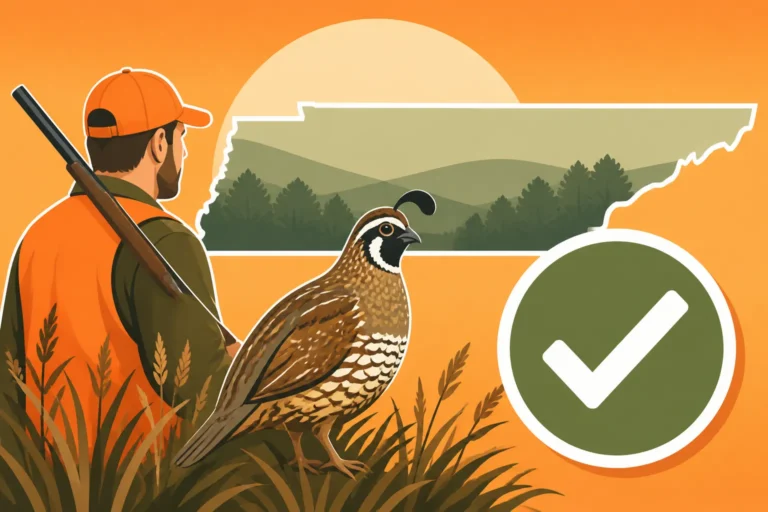
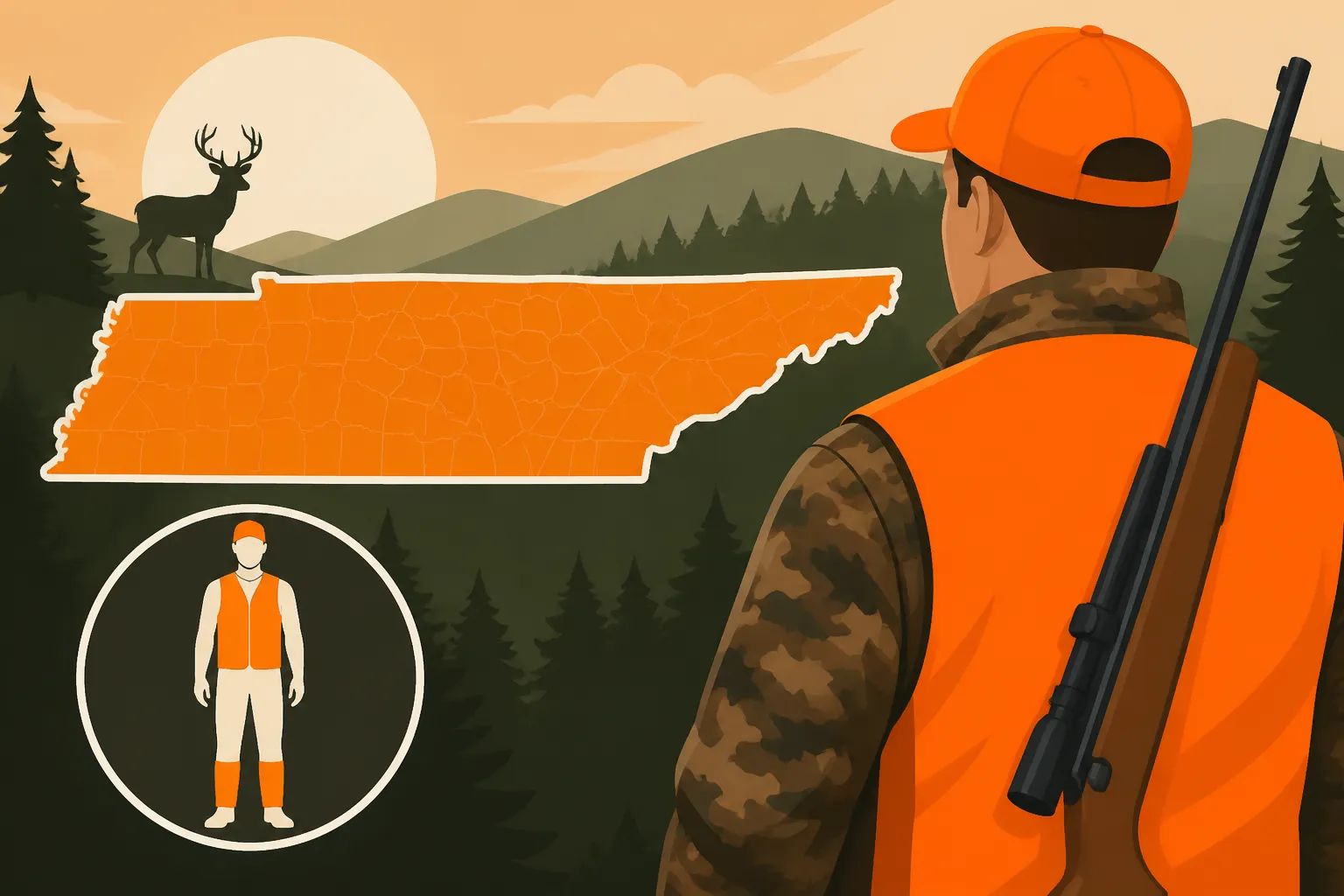
Tennessee's blaze orange requirements vary depending on the season and the game you're pursuing, which is where much of the confusion often arises. The most stringent rules apply during deer gun season. Generally, during any statewide gun season for deer, bear, or elk, hunters on public or private lands are required to wear 500 square inches of solid, unbroken blaze orange on their outer person. This orange must be visible from both the front and the back. Typically, this means wearing a blaze orange vest and a blaze orange hat. It’s not just about the color, but the coverage, ensuring you’re visible from all angles.
For example, when Tennessee's Gun Deer Season Into January opens, or during the Tennessee General Firearms Elk Season Dates, these requirements are strictly enforced. Hunters participating in these seasons must adhere to these minimums. It's crucial to remember that this isn't a suggestion; it's the law. Violations can lead to citations, and more importantly, put you and others at unnecessary risk. Even if you're deep in the woods, far from any roads or other hunters, compliance is key. The unexpected can always happen, and being prepared means being visible.
The Legal Minimums
Let's talk specifics. The 500 square inches of blaze orange might sound like a lot, but it's a very intentional figure. This amount ensures that even if you're partially obscured by brush or terrain, a significant portion of your body remains highly visible. This typically translates to a full vest that covers your torso and a hat. The "unbroken" aspect is also important; vests with large camouflage patterns or small strips of orange don't meet the requirement. It needs to be solid blaze orange.
The visibility from the front and back is equally critical. If you're wearing a backpack, for instance, you need to make sure your blaze orange is still clearly visible on both sides of your pack, or consider attaching an additional piece of blaze orange to your pack itself. Think about how you would appear to another hunter approaching you from any direction. Would they immediately recognize you as a human, not a deer? This is the core principle behind these regulations. Before heading out, always double-check the current Tennessee Blaze Orange Requirements on the TWRA website to ensure you're up-to-date, as regulations can sometimes be adjusted. A valuable tool for hunters, a mapping and regulation platform like GoHunt, often integrates state-specific rules, making it easier to confirm requirements on the fly.
Navigating Exceptions and Special Circumstances
The blaze orange rules aren't a blanket statement for all hunting activities in Tennessee. There are specific exceptions and situations where the requirements change, which can be confusing if you don't know the nuances. Understanding these variations is essential for safe and legal hunting throughout the year.
Archery and Muzzleloader Season Nuances
Here's where it gets a little tricky: it all depends on what other seasons are open concurrently. During archery-only hunts, such as parts of Bowhunting Tennessee's Long Archery Season or the Tennessee Archery Season Opening Day, blaze orange is generally not required. The thinking here is that archery hunting often involves closer ranges and relies on concealment and stealth. However, the moment any gun season for deer, bear, or elk opens in the same county or Wildlife Management Area (WMA), all hunters in that area, including archers and muzzleloader hunters, must wear the required 500 square inches of blaze orange.
This overlap is critical. For instance, during Muzzleloader Deer Hunting in Tennessee, if the general gun season hasn't yet started, you might not need blaze orange. But if Tennessee Muzzleloader Season Dates run at the same time as a general gun deer season, then you absolutely must wear it. The TWRA's primary concern is preventing accidents when firearms are present. So, before you head to your stand, always check the current hunting guide for your specific county or WMA to see what other seasons might be active. Using digital mapping and regulation tools like GoHunt can be invaluable for quickly cross-referencing open seasons and specific WMA rules for the area you plan to hunt.
Small Game and Bird Hunting
The rules for small game and bird hunting also have their own specific set of guidelines. For most small game seasons, such as Squirrel Hunting Tennessee Bottomland Hardwoods or Rabbit Hunting Tennessee Fencerows, blaze orange is generally not required if it's an archery-only small game season, or if no big game gun season is open. However, if you are hunting small game during an open gun season for deer, bear, or elk in the same area, then you, too, must don the required blaze orange. This is a vital point often overlooked by small game hunters.
For bird hunters, the situation is typically different. If you're out Spring Turkey Hunting in Tennessee, you will not wear blaze orange because it could spook the turkeys, which rely heavily on sight. Similarly, during seasons for doves or waterfowl, like Waterfowl Hunting Reelfoot Lake and Beyond, blaze orange is not required. In fact, wearing it would be counterproductive, as these birds have excellent eyesight and would easily spot the bright color. It's about balancing safety with the practicalities of hunting specific species. However, always refer to the official Tennessee Small Game Season Rules to confirm any exceptions or specific area rules.
Blaze Pink Options
In recent years, Tennessee has joined a growing number of states in offering an alternative to traditional blaze orange: blaze pink. This is a fantastic development, particularly for encouraging more women and youth to get involved in hunting, offering a color option that some find more appealing. Under Tennessee law, hunters can legally wear 500 square inches of solid, unbroken blaze pink on their outer person, visible from both front and back, in any situation where blaze orange is required.
The effectiveness of blaze pink in terms of visibility is comparable to blaze orange in many light conditions, and it serves the exact same safety purpose. So, if you or someone you're hunting with prefers blaze pink, rest assured it meets the legal requirements for visibility. It’s another tool in the hunter safety toolbox, providing options while maintaining the core principle of being seen. You can find more detailed information on this topic in articles like Tennessee Blaze Pink Options Under Tennessee Law.
Practical Tips for Staying Visible and Safe
Beyond merely meeting the legal requirements, there are practical considerations for making sure your blaze orange or pink gear truly serves its purpose in the field. Thoughtful selection and integration of your safety clothing can make a real difference in your overall hunting experience and, most importantly, your safety.
Choosing the Right Gear
When it comes to selecting blaze orange or pink gear, don't just grab the cheapest vest you can find. Quality matters, especially when you consider the varied terrain and weather conditions you might encounter in Tennessee. Look for vests, jackets, and hats made from durable, quiet materials. Nothing is worse than a noisy vest that rustles with every movement, potentially spooking game. Brands like Sitka, Kuiu, or even more budget-friendly options from Bass Pro Shops or Cabela's offer a range of blaze orange gear designed with hunters in mind.
Consider the fit as well. A vest that's too tight will restrict movement and layering, while one that's too baggy might catch on branches. For bowhunters who need to wear it during concurrent gun seasons, ensuring your blaze orange doesn't interfere with your bowstring or release is crucial. Opt for options that are easy to put on and take off, especially if you'll be transitioning between areas where it is and isn't required. And remember, the 500 square inches needs to be unbroken blaze orange, so steer clear of camouflage patterns with small orange patches during gun season. For advice on complementary gear, consider checking out resources like Clothing for a Tennessee Late Season to complete your cold-weather setup.
Layering and Accessibility
Tennessee weather can be notoriously fickle, swinging from mild to bone-chillingly cold in a matter of hours. This makes layering essential, and your blaze orange needs to be an integral part of that system. Often, the best approach is to have a versatile blaze orange vest that can be worn over various base layers and insulating jackets. This allows you to adjust to temperature changes without compromising your visibility.
If you're wearing a large hunting pack for a long day out, make sure your blaze orange vest or jacket fits comfortably over it, or consider attaching a blaze orange panel to the back of your pack to maintain visibility from all angles. Some hunters even carry a spare blaze orange vest in their pack, especially if they anticipate moving from an archery-only area into one where gun seasons are open. This ensures you're always prepared and compliant. When you're out in areas like Public Hunting Land in Tennessee, where Hunting Pressure on Tennessee Public Land can be high, being easily seen is not just a legal obligation but a wise safety practice.
Public vs. Private Land
The blaze orange requirements apply to both public and private lands during applicable seasons. However, the practical implications can feel different. On public lands, especially during opening weekends of gun season, you are highly likely to encounter other hunters. This is where your blaze orange is absolutely vital for reducing the risk of accidents. Even with advanced mapping apps like GoHunt, which can show property lines, the sheer volume of hunters on popular WMAs like the Cherokee National Forest means you need to be extra vigilant.
On private land, particularly if you're hunting a small, isolated tract with only a few trusted companions, the perceived risk might feel lower. However, the law still applies, and it's imperative to follow it. Furthermore, trespassers, or even just neighbors walking their property, might not know you're hunting. Your blaze orange acts as a universal sign of a hunter, promoting safety for everyone in the vicinity. Never become complacent about visibility, regardless of where you're hunting. Good hunting practices, which include proper Treestand Safety Gear for Steep Ground and consistent use of blaze orange, are universal.
| Season/Activity | Blaze Orange Required? | Specifics |
|---|---|---|
| Deer Gun Season | YES | 500 sq. inches, solid, unbroken, visible front & back. Includes rifles, shotguns, muzzleloaders (when gun season is open). |
| Deer Muzzleloader Season | YES, if concurrent with gun season. NO, if muzzleloader-only. | If muzzleloader-only, not required. If any gun season (e.g., general gun deer) is open in the same county/WMA, then YES. |
| Deer Archery Season | YES, if concurrent with gun season. NO, if archery-only. | If archery-only, not required. If any gun season (e.g., muzzleloader or general gun deer) is open in the same county/WMA, then YES. |
| Bear Gun/Archery Season | YES | 500 sq. inches, solid, unbroken, visible front & back. Applies to both gun and archery bear hunting when any gun season for bear, deer, or elk is open. |
| Elk Gun/Archery Season | YES | 500 sq. inches, solid, unbroken, visible front & back. Applies to both gun and archery elk hunting when any gun season for elk, deer, or bear is open. |
| Small Game (Squirrel, Rabbit) | YES, if concurrent with big game gun season. NO, otherwise. | If hunting small game while any gun season for deer, bear, or elk is open in the same area, then YES. If small game hunting only (no big game gun season open), then NO. |
| Turkey Hunting (Spring) | NO | Blaze orange is not required, as visual concealment is crucial for turkey hunting. |
| Waterfowl/Dove Hunting | NO | Blaze orange is not required, as visual concealment is crucial for these birds. |
| Coyote/Predator Hunting | YES, if concurrent with big game gun season. NO, otherwise. | If hunting coyotes/predators while any gun season for deer, bear, or elk is open in the same area, then YES. If predator hunting only (no big game gun season open), then NO. This includes during Coyote Calling in Tennessee Farm Country. |
Always remember, safety is paramount. When in doubt, wear blaze orange. It's a small inconvenience for a potentially life-saving benefit. Consult the most current TWRA Hunting and Trapping Guide annually, as regulations can sometimes change.
Disclaimer
Please be aware that hunting regulations, including those concerning blaze orange requirements, can change. While this guide aims to provide accurate and up-to-date information, it is your responsibility to consult the official Tennessee Wildlife Resources Agency (TWRA) regulations directly before engaging in any hunting activities. This content is for informational purposes only and should not be considered legal advice.