Tennessee Duck Phase One and Phase Two Dates
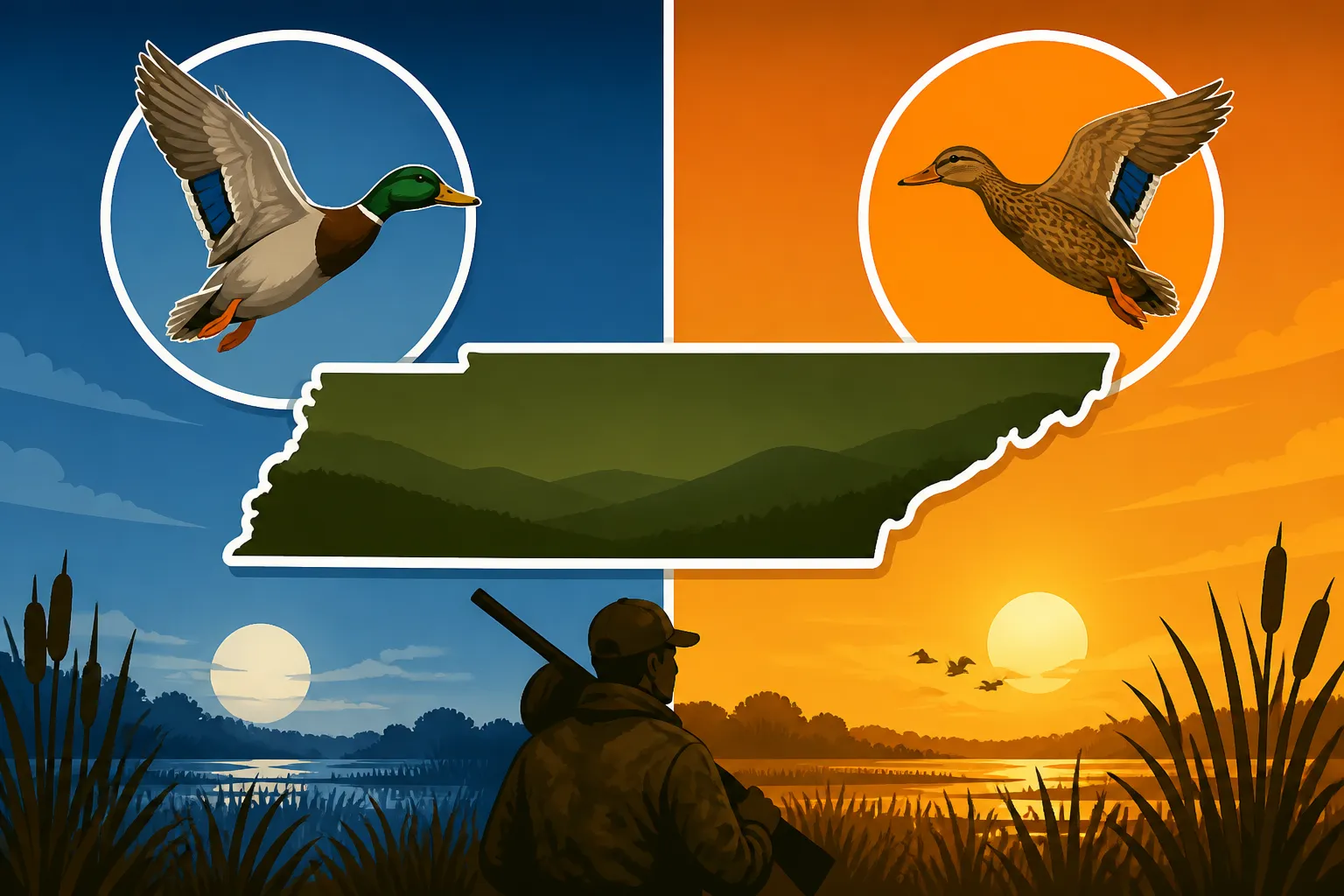
There's nothing quite like the chill of a Tennessee morning from a duck blind, but trying to navigate the ever-shifting sands of waterfowl season dates can feel like a hunt in itself. It's frustrating when you just want to know when to hit the water, only to be met with talk of "phases" and "zones." This guide is here to clear the air, breaking down Tennessee's duck hunting Phase One and Phase Two dates, what they mean for your hunt, and how to make the most of each period across the state.
Decoding Tennessee's Duck Season Structure and Zones
Tennessee's duck hunting regulations, managed by the Tennessee Wildlife Resources Agency (TWRA), can seem a little complicated with their phased approach and distinct zones. But trust me, there's a method to the madness, and it’s all designed to provide hunters with ample opportunity while also ensuring the long-term health of our migratory waterfowl populations. Understanding this structure is your first step toward consistent success in the blind.
The Rationale Behind Phased Seasons
Ducks don't operate on a simple calendar; their movements are dictated by weather patterns, food availability, and the ancient instinct to migrate. A single, uninterrupted duck season across the entire state wouldn't effectively account for the different waves of birds moving through. That's why we have phases. The early part of the season might catch resident birds and early migrators, while the later phases are timed to intercept the main push of northern ducks when cold weather really sets in up north. This segmented approach helps distribute hunter pressure, too, preventing areas from being hammered non-stop for months. It acknowledges that the ducks you see in late November might be completely different birds, with different behaviors, than the ones you're chasing in January. It's a dynamic system for a dynamic quarry. You might even find opportunities to go Waterfowl Hunting Reelfoot Lake and Beyond or Hunting Land Between the Lakes Waterfowl during these different phases.
The Reelfoot Lake Zone Versus Statewide Zone
One of the most critical distinctions to grasp in Tennessee duck hunting is the difference between the Statewide Zone and the Reelfoot Lake Zone. Reelfoot Lake, a natural marvel born from an earthquake, is a renowned wintering ground for waterfowl, acting as a major stopover on the Mississippi Flyway. Its unique ecosystem and historical significance to waterfowl hunting led to it being managed separately.
- Statewide Zone: This covers the vast majority of Tennessee, encompassing all navigable rivers, flooded agricultural fields, and smaller lakes and ponds across East, Middle, and most of West Tennessee. Most hunters will be operating under the Statewide Zone regulations.
- Reelfoot Lake Zone: This special zone specifically pertains to Reelfoot Lake and a few immediately adjacent areas. Because of its immense draw for waterfowl and unique habitat, it often has slightly different season dates, and sometimes even different bag limits or hunting hour restrictions. Hunters specifically targeting Reelfoot need to pay very close attention to its specific rules, which can include unique requirements like the Reelfoot Preservation Permit.
Knowing which zone you’re hunting in is paramount. Imagine setting up your decoys with the wrong dates in mind – that's a mistake you only want to make once!
Tennessee's Phase One Duck Hunting Dates and Early Season Strategies
Phase One of Tennessee's duck season is often a short, sharp burst of opportunity. It's designed to give hunters a crack at birds that have either migrated early or are resident to the state before the major cold fronts really push in. The feeling of anticipation leading up to Phase One is something every duck hunter understands.
Typical Calendar and Target Species for Phase One
Historically, Phase One dates have been strategically placed to coincide with the initial trickling of migratory birds and to offer a weekend hunt before the full winter push.
For example, looking at recent seasons (like 2023-2024), the dates typically shaped up like this:
| Zone | Phase One Start Date | Phase One End Date |
|---|---|---|
| Statewide Zone | Late November | Late November |
| Reelfoot Lake Zone | Mid-November | Mid-November |
| Reelfoot Lake Zone | Late November | Late November |
Dates are approximate and based on recent seasons; always confirm current dates with the TWRA.
What does this mean for the birds you'll encounter? During Phase One in the Statewide Zone, you're often targeting a mix of early-arriving dabblers like Gadwall, American Wigeon, and early-push Mallards. Wood ducks are still very much in play, especially in timbered bottoms, as they haven't completely moved out yet. In the Reelfoot Lake Zone, its first phase is even earlier, sometimes in mid-November, providing an initial opportunity for those first waves of migrating ducks. The second phase for Reelfoot often aligns with the Statewide's Phase One.
The weather during this initial phase is typically milder than what you’d expect later in the season. You might experience crisp, cool mornings, but freezing conditions that lock up water are less common. However, rain can certainly be a factor, which can mean more flooded timber or fields, creating new hunting opportunities. This is a great time to be focusing on Wood Ducks in Tennessee Bottomland.
Strategies and Gear for Phase One Success
Hunting during Phase One requires a slightly different approach than the deep winter grind. The ducks aren't as pressured, but they're also not as concentrated.
- Scouting is King: In this early phase, finding fresh food sources is critical. Ducks might be hitting scattered oak flats for acorns, or newly flooded agricultural fields. Their patterns can be less predictable, so active scouting, even from your truck on back roads, can pay huge dividends. A tool like the GoHunt app can be immensely helpful for identifying potential water bodies, agricultural fields, and property lines as you scout.
- Decoy Spreads: You often don't need massive decoy spreads. A smaller, natural-looking spread can be very effective. Motion decoys, like spinning wings, can be deadly in drawing attention from passing birds, especially if they haven't seen them heavily yet. You might even find success with simple jerk strings.
- Calling: Light, conversational calling is often best. Don't overcall; let the birds work. Early season ducks aren't as "call shy" as late-season birds, but they're also not as desperate.
- Concealment and Mobility: Good camouflage is always essential, but in milder weather, you might not be bundled up as much. Focus on brushing in your blind or finding natural cover. With less ice, you often have more mobility, allowing you to access various spots.
The challenge here is finding the birds that are already in the area, rather than waiting for massive migrations. It's often a game of finesse and keen observation.
The Heart of the Season: Tennessee's Phase Two Dates and Mid-Winter Tactics
After a brief mid-season break, Tennessee's duck hunting typically reopens for its much longer Phase Two. This is when the true cold often sets in, and the main migration pushes down the flyways, bringing vast numbers of ducks to the state. This is often seen as the "prime time" for many Tennessee waterfowlers.
Peak Season Migration and Prime Species in Phase Two
Looking at the same recent seasons (like 2023-2024), Phase Two dates consistently offer the bulk of the hunting season:
| Zone | Phase Two Start Date | Phase Two End Date |
|---|---|---|
| Statewide Zone | Early December | Late January |
| Reelfoot Lake Zone | Early December | Late January |
Dates are approximate and based on recent seasons; always confirm current dates with the TWRA.
For the Statewide Zone, this extended period from early December through January covers the arrival of most northern migrants. Expect to see heavy concentrations of Mallards, Green-winged Teal, Ring-necked Ducks, Scaup (bluebills), and sometimes even impressive numbers of Northern Pintails and other species. This is when you're truly in the thick of the migration. This is the time when Mallards at Reelfoot Lake will be plentiful.
For the Reelfoot Lake Zone, its third phase often aligns with the Statewide's Phase Two, making it a hotspot for late-season action. Reelfoot's ability to hold large numbers of ducks, even in extreme cold, makes it legendary.
The weather during Phase Two is usually much colder and can be quite variable. Expect anything from mild, rainy days to deep freezes, often with snow and ice. These cold snaps are precisely what push more birds south, but they also create challenges, locking up smaller water bodies and concentrating ducks on larger, open water or flowing rivers. Knowing How Many Ducks Winter at Reelfoot Lake helps illustrate just how much activity you can expect.
Advanced Tactics and Essential Gear for Phase Two
Phase Two demands a different mindset and more robust gear. The birds are often more wary, and the conditions are harsher, but the potential rewards are immense.
- Follow the Ice Line: As temperatures drop and smaller waters freeze, ducks will be pushed to larger, deeper, or flowing water. Focus on major rivers, large lakes, and any areas that remain ice-free. Scouting becomes even more critical to find these open pockets. Satellite imagery from a tool like GoHunt can be incredibly useful here for identifying open water or unharvested fields.
- Bigger Spreads, Aggressive Calling (Sometimes): When the birds are pressured and flying high, a larger, more realistic decoy spread can help them commit. More aggressive calling, especially a "hail call" to get their attention, can be effective, but still know when to tone it down as they get closer.
- Field Hunting: If you have access to unharvested or recently cut corn and bean fields, especially with sheet water, late-season ducks can offer incredible Layout Blind Hunting West Tennessee Fields opportunities. Layout blinds are crucial for concealment in these open environments.
- Weather Adaptability: Your gear needs to be up to the task. Heavy-duty, insulated waders are a must. Layering your clothing is key to staying warm during long, cold sits. Hand warmers, insulated boots, and a thermos of hot coffee will be your best friends.
- Ice Management: If you're hunting in areas prone to freezing, consider methods for keeping your spread open. Ice eaters or simply breaking ice by hand or boat might be necessary. Be cautious around thin ice.
The birds you're hunting in Phase Two have seen it all. They've been shot at, called at, and pushed by hunters from Canada all the way down. This means they are smarter and more cautious, requiring patience and meticulous attention to detail.
Key Considerations for All Tennessee Duck Hunters
Beyond knowing the specific dates, there are crucial legal and practical aspects that every Tennessee duck hunter must be aware of to ensure a safe, legal, and successful experience throughout both phases of the season.
Licensing and Certification Essentials
Before you even think about setting up a blind, you need to ensure all your paperwork is in order. It's not just about buying a hunting license; waterfowl hunting has a few extra steps.
- Tennessee Hunting License: This is your foundation. Whether you’re a resident or non-resident, you’ll need the appropriate license. Options range from annual resident licenses to 7-day non-resident options. For many, the Tennessee Resident Hunting License Cost or Tennessee Nonresident Hunting License Cost is a small price for the joy it brings.
- Tennessee Migratory Bird Permit: This state-specific permit is required in addition to your general hunting license for all migratory game birds.
- Federal Duck Stamp: This often-overlooked but absolutely critical stamp is required for anyone 16 years of age or older to hunt waterfowl. It's more than just a permit; 98 cents of every dollar spent on a Federal Duck Stamp goes directly to conserving wetland habitats vital for ducks, geese, and countless other species. It's an investment in the future of our sport. You need to physically sign this stamp across the face.
- HIP Certification: The Migratory Bird Harvest Information Program (HIP) certification is free and simply collects information on hunter participation and harvest. It's mandatory for anyone hunting migratory birds and helps wildlife agencies better manage populations. Getting your Tennessee Migratory Bird Certification is straightforward and can usually be done when you purchase your license.
All these licenses and permits need to be valid for the current hunting year. Don't risk a hefty fine by forgetting any of these crucial elements.
Rules for a Successful and Legal Hunt
Tennessee has specific regulations that apply to all waterfowl hunting, regardless of the phase or zone. Ignoring these can quickly turn a great day into a costly one.
- Nontoxic Shot Requirement: This is non-negotiable. Federal law requires the use of federally approved nontoxic shot for all waterfowl hunting. Lead shot is strictly prohibited. Common nontoxic alternatives include steel, bismuth, and tungsten-alloy shot. Always check your shells to ensure they are marked "nontoxic." Understanding Where Nontoxic Shot Is Required in Tennessee is vital.
- Bag and Possession Limits: These vary by species and are subject to change annually. You need to know the daily bag limit (how many of each species you can harvest in one day) and the possession limit (how many you can have in your possession after multiple days of hunting). The TWRA publishes detailed regulations annually. For example, knowing the Tennessee Reelfoot Duck Bag Limit is different from the Statewide Zone is important.
- Shooting Hours: Legal shooting hours for ducks in Tennessee typically begin 30 minutes before sunrise and extend until sunset. Always carry a reliable light source for walking in and out in the dark.
- Decoy Regulations: While usually quite liberal, it’s important to remember that live decoys are illegal. You can't use recorded or amplified bird calls, either. Motorized decoys that simply stir the water are often legal, but check specific WMA rules.
- Safety: Always prioritize safety. Wear your personal flotation device (PFD) in boats, especially in cold water. Practice safe firearm handling, and be aware of your surroundings, particularly on public lands where other hunters might be present. When navigating regulations, especially on complex topics like bag limits and specific zone restrictions, services that compile and present this information can be a lifesaver. While it doesn't replace official TWRA documents, a comprehensive platform like GoHunt can help you quickly reference state regulations alongside mapping and scouting tools.
Understanding and adhering to these rules not only keeps you legal but also contributes to the ethical pursuit of waterfowl and ensures the tradition continues for future generations.
Tennessee Duck Season Phases at a Glance (Example based on recent seasons)
| Feature | Phase One (Statewide/Early Reelfoot) | Phase Two (Statewide/Late Reelfoot) |
|---|---|---|
| Typical Dates | Late Nov (Statewide), Mid-Late Nov (Reelfoot) | Early Dec – Late Jan (Statewide & Reelfoot) |
| General Weather | Milder, cool, potentially rainy; less ice. | Colder, potential for deep freezes, snow, and significant ice. |
| Primary Species | Wood Ducks, Gadwall, Wigeon, early Mallards. | Mallards, Green-winged Teal, Ringnecks, Scaup, Pintails, divers. |
| Duck Behavior | Less pressured, more scattered; hitting varied food sources. | Highly pressured, concentrated on open water/major rivers; wary. |
| Common Tactics | Active scouting, smaller spreads, natural calling, timber hunting. | Follow ice lines, larger spreads, aggressive (but smart) calling, field hunting. |
| Key Gear Needs | Lighter waders, good camo, spinning wing decoys, calls. | Insulated waders, layered clothing, layout blinds, ice management tools, hot liquids. |
| Hunter Traffic | Can be moderate, especially on opening weekends. | Often higher, especially after cold fronts; birds more educated. |
Disclaimer
Please remember that hunting regulations, including season dates, bag limits, and licensing requirements, can change annually. It is your responsibility as a hunter to consult the most current official Tennessee Wildlife Resources Agency (TWRA) regulations before heading into the field. This guide provides general information and examples based on recent seasons but should not be considered a substitute for official TWRA documentation. Always prioritize safety and ethical hunting practices.