Hunting Land Between the Lakes Waterfowl
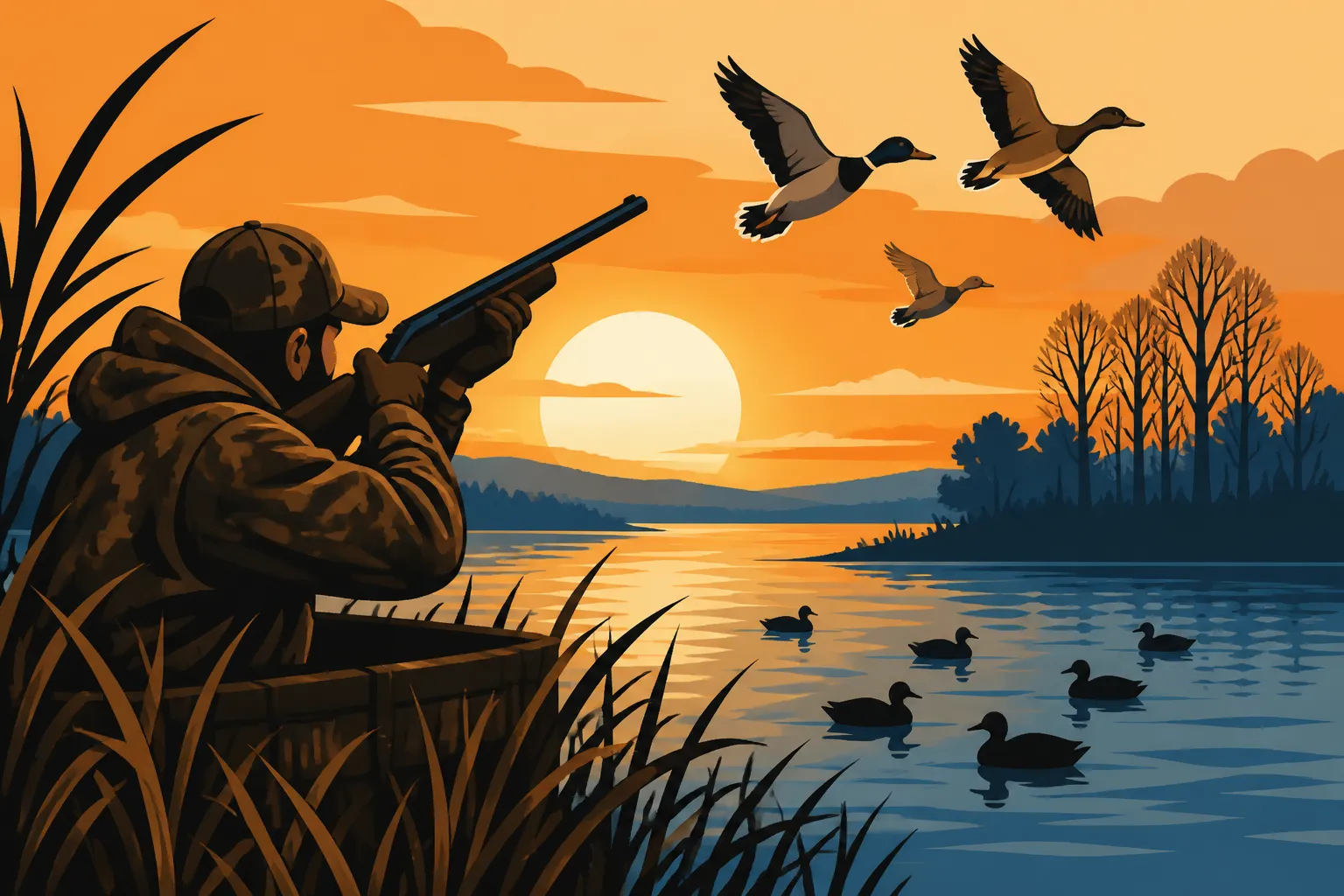
There’s a certain allure to chasing waterfowl across the expansive waters of Land Between the Lakes (LBL), but let’s be real, it can also feel incredibly daunting. This massive recreation area, straddling the Tennessee-Kentucky border, presents a unique set of challenges from understanding specific permits to navigating its diverse habitats. If you’ve ever felt overwhelmed trying to figure out where to even begin, what gear you really need, or how to decode the rules, you’re not alone. This guide aims to clear the waters, so to speak, helping you strategize your next successful waterfowl hunt at LBL.
Understanding the Unique Challenges of LBL Waterfowl Hunting
Hunting waterfowl at Land Between the Lakes isn't like hitting a small private pond or a familiar WMA slough. It's a vast, dynamic environment that demands respect, preparation, and a willingness to adapt. The sheer scale and the dual management across state lines create a complex, yet incredibly rewarding, hunting experience for those who put in the effort.
Navigating the Sheer Scale and Diverse Terrain
One of the first things that strikes any hunter at LBL is just how big it is. This national recreation area encompasses over 170,000 acres of forests, wetlands, and open water, bordered by the mighty Kentucky Lake and Lake Barkley. This isn’t a small tract where you can just wander in; you need a plan, and you need to understand the lay of the land, or rather, the water.
The terrain varies dramatically, from vast expanses of open water where divers like bluebills and canvasbacks might congregate, to flooded timber and cypress swamps perfect for mallards and wood ducks. You'll also find agricultural fields bordering the water, attracting geese and dabblers. Each of these distinct environments requires a different approach, different gear, and a keen understanding of bird behavior. Without careful scouting and mapping, you could spend days fruitlessly motoring around or slogging through mud.
The constantly fluctuating water levels, especially on Kentucky Lake and Lake Barkley, add another layer of complexity. What was a productive shallow flat one week might be a dry mud bar or an inaccessible deep channel the next. This requires hunters to be constantly aware of hydrological conditions, often checking dam releases and lake forecasts to predict where birds might be able to feed and rest. It’s not just about finding ducks; it’s about finding ducks that have food and cover accessible to them given the current water levels. This means your "go-to" spot might only be good for a few weeks a season.
Dealing with Pressure and Seasonal Fluctuations
Given its status as a major public hunting area, LBL can attract significant hunter pressure, especially during peak migration periods and opening weekends. You'll encounter everything from seasoned waterfowlers with elaborate boat blinds to small groups jump-shooting sloughs. This competition means that prime spots are often claimed early, and birds can become very wary very quickly. Success often hinges on getting to your chosen spot well before legal shooting light or finding those overlooked pockets that others pass by.
Moreover, the waterfowl patterns at LBL shift dramatically throughout the season. Early season might see more local wood ducks and resident geese, while the mid-season cold fronts bring in waves of northern mallards, gadwall, and pintails. Late season, when harsh weather grips the region, can be feast or famine. Ducks might raft up in huge numbers on main lakes, making them difficult to approach, or they might pack into small, protected backwaters looking for open water and food. Understanding these migration timings and how different species react to cold, wind, and ice is paramount. For example, during the coldest parts of January, you might find birds piling into small, spring-fed creeks that remain unfrozen, offering unique opportunities if you've done your homework.
Essential Gear and Tactics for LBL Waterfowlers
Success on the vast waters of Land Between the Lakes boils down to having the right tools for the job and knowing how to use them effectively. From decoy spreads that fool wary birds to the right blind for concealment, every piece of your setup plays a crucial role.
Decoy Spreads and Calling Strategies
When hunting LBL, your decoy spread needs to be adaptable. For open water, targeting diver ducks, a large, visible spread with plenty of motion is often key. Think long lines of decoys anchored well to ride the waves, with a few active spinners if legal. For puddle ducks in flooded timber or smaller sloughs, a more compact, realistic spread with mallard, gadwall, and wood duck decoys can be effective. Consider adding feeder butt decoys to simulate feeding, which often makes a spread look more natural and inviting. If you're targeting geese in fields or on large mudflats, a spread of full-body goose decoys, often combined with a few duck decoys, can draw them in. Remember to adjust your spread based on the species you're seeing and the conditions; windy days might require a tighter spread to prevent them from becoming too scattered. For more specific advice, check out guides on Decoy Spreads for Reelfoot Mallards, many of the principles apply here too.
Calling is another art form that needs to be mastered for LBL. For pressured birds, over-calling can quickly send them packing. Start with subtle greetings and soft quacks, increasing intensity only if birds show interest and are working the spread. Learn to make realistic feeding chuckles, which can be very effective in convincing birds to commit. For geese, a mix of deep honks and clucks, mimicking a contented flock, can work wonders. Pay close attention to how the birds respond – if they shy away from loud calls, back off. There's a fine line between enticing and alarming, and experienced hunters at LBL know how to walk it.
Blind Options and Concealment
Your choice of blind will largely depend on where you're hunting. For open water on Kentucky Lake or Lake Barkley, a well-camouflaged boat blind is often essential. These can be elaborate setups built into an aluminum boat or simple flip-over blinds. The key is to break up the boat's outline and ensure it blends seamlessly with the shoreline or aquatic vegetation. If you're setting up on a mud flat or field edge, a layout blind is your best friend. These low-profile blinds allow you to hide effectively in sparse cover, disappearing into the stubble. For insights into this setup, consider reading up on Layout Blinds for Tennessee Cut Corn.
For hunting flooded timber or smaller sloughs, natural cover is often the most effective and simplest solution. Brush yourself into dense shoreline vegetation, behind a fallen log, or within a stand of cypress. Bring a small folding seat or a five-gallon bucket, and use natural materials like limbs, cattails, and leaves to enhance your concealment. Remember to always face your blind away from the sun to prevent glare, and ensure you have a clear shooting lane. The birds at LBL are smart, and any unnatural outline or movement will quickly be spotted.
Recommended Firearms and Ammunition
For waterfowl hunting at LBL, a reliable 12-gauge shotgun is the standard, though a 20-gauge can certainly be effective, especially for younger hunters or those sensitive to recoil. Semi-automatic shotguns are popular for their fast follow-up shots, but pump-actions are equally capable. What truly matters is patterning your shotgun with your chosen ammunition to understand its effective range. This is often overlooked but absolutely critical.
Regarding ammunition, federal regulations mandate the use of non-toxic shot for waterfowl. Steel shot is the most common and affordable option, but modern alternatives like Bismuth, Tungsten-Matrix, or various blends offer superior performance, especially at longer ranges, with less recoil. Consider shot sizes like #2 or #4 for ducks, and BB or BBB for geese, depending on the conditions and expected range. Always carry a variety if you can. Also, ensure you have the appropriate choke for your chosen shot type. A modified or improved cylinder choke is often a good all-around choice, but a full choke might be preferred for late-season, high-flying geese. Before heading out, make sure you understand the requirements for Tennessee Federal Duck Stamp Requirement and your Tennessee Migratory Bird Certification.
| LBL Habitat Type | Recommended Blind Type | Decoy Spread Approach | Key Calling Strategy |
|---|---|---|---|
| Open Water (Main Lake) | Boat Blind, A-frame | Large, visible diver lines; motion | Aggressive hail calls, confidence calls |
| Flooded Timber/Slough | Natural Cover, Boat Blind | Compact, realistic puddle duck spreads; feeders | Soft quacks, feeding chuckles; subtle |
| Field Edge/Mud Flat | Layout Blind, Natural | Full-body geese; scattered ducks; spinners | Goose honks & clucks; soft duck quacks |
| River/Creek Channels | Jump shooting, Natural | Minimal to none (jump shooting) | Locator calls (wood duck whistle) |
Navigating Permits, Regulations, and Access at LBL
Hunting Land Between the Lakes involves a different set of rules and requirements compared to typical Tennessee Wildlife Management Areas. Because it’s managed by the USDA Forest Service as a National Recreation Area, hunters must adhere to both Tennessee state hunting regulations and specific LBL permits and rules. This layered approach can be confusing, but understanding it is non-negotiable for a legal and successful hunt.
Understanding the LBL Hunt Permit System
This is where many hunters get tripped up. In addition to your regular Tennessee Hunting Licenses and What They Cost and your state migratory bird endorsements, you must obtain a specific Land Between the Lakes hunting permit. These permits are crucial for waterfowl hunting within the LBL boundaries in Tennessee. They are typically available online through the LBL website or at designated vendors and cover the specific hunting seasons allowed within the recreation area. Unlike a simple WMA permit that might be included with a Tennessee Sportsman License, the LBL permit is an additional, separate requirement.
The LBL permit system often has different zones and specific regulations for each, particularly for quota hunts for deer and turkey, but also for general waterfowl access. Always check the current year's LBL Hunting and Trapping Guide, which outlines specific open areas, hunt dates, and any special restrictions. Failing to have the correct LBL permit, even if you have all your state licenses, can result in fines and loss of hunting privileges. It’s worth noting that if you were to venture into the Kentucky side of LBL, you’d need a Kentucky hunting license and the corresponding LBL Kentucky permit. However, for our purposes, we're focusing on the Tennessee side.
Access Points and Zones
LBL is crisscrossed with roads, both paved and gravel, offering numerous access points to different parts of the recreation area. However, not all areas are open to waterfowl hunting, and some might have specific entry or exit restrictions. It's vital to study the LBL maps, which clearly delineate hunting zones, refuge areas (where hunting is prohibited), and access points. Online mapping tools, like those offered by GoHunt, can be invaluable here. You can layer public land boundaries, specific LBL zones, and even recent satellite imagery to identify potential hunting spots and how to legally reach them.
Look for boat ramps that provide access to the specific bays, sloughs, or main lake areas you plan to hunt. Some areas might only be accessible by walking in a considerable distance, requiring you to pack light and efficiently. Others might be designated for hunting only from established blinds. Always be aware of safety zones around developed areas, camping grounds (though many hunters enjoy Camping Rules on Cherokee National Forest Land for other hunts, LBL has its own specific rules), and public access points. Respecting these boundaries not only keeps you legal but also maintains a good public image for hunters.
Watercraft Rules and Safety
With so much water, watercraft are indispensable for many LBL waterfowl hunters. However, there are specific rules and safety considerations to keep in mind. All boats must comply with Tennessee boating laws, including registration, proper lighting, and carrying required safety equipment like life jackets for all occupants. On LBL, there might be additional restrictions on motor size in certain areas, particularly smaller, sensitive backwaters or designated refuge zones where only electric trolling motors or paddle craft are allowed.
Navigating the large lakes and numerous backwaters can be treacherous, especially in low light or adverse weather. Always be aware of changing weather conditions, strong winds, and potential hazards like submerged timber or shallow sandbars. Having a reliable GPS unit or a mapping app like GoHunt on your phone is highly recommended to prevent getting lost, especially in the maze of flooded timber. A full tank of gas, extra paddles, and an anchor are also non-negotiable. Furthermore, remember that LBL is a multi-use area. You’ll share the waters with anglers, pleasure boaters, and sightseers, so courtesy and vigilance are paramount.
Scouting and Adaptability for Consistent Success
Waterfowl hunting at Land Between the Lakes is less about finding a secret honey hole and more about consistent scouting and being incredibly adaptable. The birds are constantly moving, driven by weather, food availability, and hunting pressure. Those who consistently fill their straps are the ones who put in the legwork and aren't afraid to change their plans on the fly.
Pre-Season Scouting and In-Season Observation
Effective scouting begins long before opening day. During the off-season, take advantage of the milder weather to explore different areas of LBL. Use tools like the Scouting With the Tennessee TWRA App (though LBL has its own management, the scouting principles apply) and aerial maps to identify potential roosting areas, feeding flats, and travel corridors. Look for old timber stands, hidden sloughs, and agricultural fields that could hold birds. Pay attention to water depths and vegetation types. Even in summer, you can often spot potential blind locations or boat access points that will be crucial when the season rolls around.
Once the season opens, scouting doesn't stop. In fact, it becomes even more critical. Spend time observing bird movements, even when you're not hunting. Where are they flying? What time are they leaving the roost? Where are they feeding? Drive around the periphery of the hunting zones at dawn and dusk, looking for concentrations of birds. Use your binoculars to scan open water and field edges. This real-time intelligence is invaluable. If you're seeing birds consistently in a new area, be prepared to move your setup or even try a completely different tactic, like Jump-Shooting a Tennessee River channel, if the birds are on the move.
Adapting to Weather and Migration Patterns
The weather dictates everything in waterfowl hunting, especially at LBL. A strong cold front pushing down the Mississippi Flyway can bring in thousands of new birds overnight, completely changing the hunting dynamics. Conversely, a spell of warm, calm weather can make birds lethargic and less responsive to calls. Always keep a close eye on the long-range forecast. Anticipate how ducks and geese will react to strong winds, rain, snow, or sudden temperature drops. For instance, high winds will often push birds into more sheltered bays and coves, while sustained cold might concentrate them in the few remaining patches of open water. You can find more detail on migration patterns in articles like Tennessee Waterfowl Migration Timing and Tennessee Waterfowl on the Mississippi Flyway.
Being adaptable means having a backup plan, or even two or three. If your planned flooded timber spot isn't producing because the birds are loafing on open water, do you have a boat blind ready? If the main lake is too rough for safe travel, do you know of a protected slough that might offer jump-shooting opportunities? Successful LBL waterfowlers carry a variety of calls, different decoy spreads, and are prepared to move their entire operation if the situation demands it. This often means waking up extra early, having a trustworthy companion, and being well-versed in Cold-Weather Sitting Strategy in Tennessee for those bitter late-season hunts. Remember, the birds aren't going to come to you just because you set up where you always do; you have to go where the birds are, and be ready for them.
Disclaimer
Please note: Hunting regulations and conditions are subject to change. Always consult the official Tennessee Wildlife Resources Agency (TWRA) regulations and the Land Between the Lakes National Recreation Area hunting guide for the most current and accurate information before planning any hunting trip. Hunter safety is paramount; always follow ethical hunting practices and be aware of your surroundings.