How Many Ducks Winter at Reelfoot Lake
It’s the age-old question that swirls around every duck blind and coffee pot in West Tennessee: just how many ducks are wintering at Reelfoot Lake right now? For generations of waterfowlers, the answer to that question can feel like predicting the lottery – sometimes you hit big, sometimes you’re left wondering if the birds even know Reelfoot exists. The truth is, there isn't one static number, but rather a dynamic, ever-changing population that ebbs and flows with the seasons, the weather, and the subtle shifts in habitat, both near and far. This guide is here to pull back the curtain on how we think about these numbers, what makes Reelfoot such a legendary destination for migratory waterfowl, and what factors truly influence the size of the wintering flocks you’re hoping to find.
The Irresistible Allure of Reelfoot Lake for Waterfowl
Reelfoot Lake isn't just another body of water; it's a geological marvel, born from a series of powerful earthquakes in the early 19th century. This dramatic origin created a shallow, cypress-filled wonderland that has become an absolute magnet for migratory waterfowl traversing the Mississippi Flyway. For a duck, Reelfoot offers a buffet and a fortress all rolled into one, and understanding why they choose this particular spot is key to understanding the sheer volume that can sometimes congregate here.
A Habitat Haven Like No Other
Imagine being a duck, having flown hundreds, if not thousands, of miles south from the breeding grounds of Canada or the northern states. You’re looking for a place to refuel, rest, and escape the relentless pressure of winter. Reelfoot Lake provides an unparalleled combination of food, shelter, and relatively safe open water, even when other areas freeze solid. Its shallow depths mean that aquatic vegetation like submerged pondweed, coontail, and various seeds are easily accessible. The vast stands of flooded cypress trees and buckbrush offer incredible cover, creating pockets of calm water where birds can loaf and roost without constant disturbance.
This unique flooded timber environment, much like what you'd find in Hunting West Tennessee Bottomland Deer, creates a diverse ecosystem that supports not just ducks but a whole host of wildlife. The intertwining roots and fallen logs provide niches for invertebrates, adding another layer to the food chain. When you're sitting in a blind, you're not just seeing ducks; you're witnessing an ancient ecological dance that has played out here for centuries. This rich habitat is the primary draw, making Reelfoot a critical stopover and wintering ground, attracting a diverse range of species from mallards and gadwalls to pintails and ringnecks.
Geographical Significance on the Mississippi Flyway
Reelfoot Lake's location in the northwest corner of Tennessee places it squarely in the heart of the Mississippi Flyway, one of North America's four major bird migration routes. Think of it as a superhighway for ducks and geese. As cold fronts push south from Canada and the Upper Midwest, they funnel millions of birds down this corridor. Reelfoot is positioned perfectly as a southern refuge, often being one of the first major, consistent bodies of water offering quality wintering habitat that migrating birds encounter as they escape freezing conditions further north.
This strategic geographical placement means that even if conditions are less than ideal locally, the sheer volume of birds being pushed south by continental weather patterns can still result in impressive numbers at the lake. Hunters often consult detailed maps and aerial imagery, sometimes using tools like GoHunt, to analyze historical migration corridors and understand how different parts of the lake might act as funnel points or refuge areas for incoming birds. The collective wisdom passed down through generations of local hunters, combined with modern mapping, underscores just how vital this particular stretch of the flyway is.
Estimating the Wintering Duck Population
So, how do we even begin to count these thousands upon thousands of ducks? It's not like they line up for a roll call! Estimating waterfowl populations is a monumental task, but dedicated wildlife biologists and conservation agencies employ various methods to get the most accurate snapshot possible. These estimates are crucial for understanding population trends, setting appropriate harvest limits, and ensuring the long-term health of our migratory bird resources.
Aerial Surveys and Counting Methodologies
The primary method for estimating wintering waterfowl at places like Reelfoot Lake is through aerial surveys. Biologists fly fixed-wing aircraft or helicopters over the lake and surrounding flooded areas, systematically counting visible ducks and geese. This isn't just a casual glance; trained observers use specific transect lines and counting techniques to get reliable data. They often classify birds by species or general groups (e.g., dabblers, divers) and then extrapolate those counts to estimate the total population across the entire survey area.
These surveys are often conducted at regular intervals throughout the winter, typically every few weeks, to track the influx and outflux of birds. The timing is critical because a major cold front can bring a massive wave of new birds overnight, while a warm spell can send some further south or disperse them to other areas. It’s a challenging job, requiring keen eyes, specialized knowledge, and a lot of dedication to brave the winter elements. The data collected from these surveys contributes to larger regional and national waterfowl population assessments, informing important decisions about Tennessee Waterfowl Zones and Seasons and bag limits.
The Dynamic Nature of Population Estimates
It’s vital to understand that any "number" you hear about ducks wintering at Reelfoot is an estimate and a snapshot in time. These aren't static figures. The population can fluctuate wildly week to week, even day to day, based on weather conditions, hunting pressure, and food availability. For example, during a peak migration week in a particularly harsh winter, it wouldn't be uncommon to hear estimates of hundreds of thousands of ducks – sometimes pushing into the half-million range – utilizing Reelfoot and the immediate surrounding areas.
However, during a mild winter with abundant water further north, those numbers might be significantly lower as birds don't feel the need to push as far south. It's a constant dance between the birds and their environment. Hunters often rely on these survey reports, which are usually shared by the state wildlife agency, but seasoned veterans also know to take them with a grain of salt. Nothing beats firsthand scouting or talking to local guides to get a real feel for where the birds are and how many are using specific areas of the lake or nearby flooded fields.
Key Factors Driving Duck Numbers to Reelfoot
Why do some years feel like the whole world of ducks has descended upon Reelfoot, while others leave you wondering if they missed the memo? The answer lies in a complex interplay of environmental factors, both local and continental. These aren't just minor influences; they are the fundamental drivers that dictate the success (or frustration) of a season.
Weather Patterns: The Great Migratory Push
The weather up north is arguably the single biggest factor influencing how many ducks ultimately make it to Reelfoot Lake. When brutal cold fronts sweep down from Canada and the Dakotas, bringing freezing temperatures and widespread ice, ducks are forced to move. They follow the line of open water and available food, often pushing directly down the Mississippi Flyway. Reelfoot, with its massive expanse of shallow water and cypress cover, becomes a natural haven. A series of sustained cold snaps can pack the lake with birds.
Conversely, mild winters further north can mean fewer ducks pushing all the way to Tennessee. If lakes and marshes in Missouri, Illinois, or Arkansas remain unfrozen with ample food, birds might "short-stop" their migration, never reaching the traditional wintering grounds of Reelfoot. This phenomenon can be incredibly frustrating for hunters in Tennessee, as they see strong breeding reports from the north but fewer birds arriving locally. It highlights the interconnectedness of the flyway and how weather far away impacts hunting right here at home.
Habitat Conditions and Food Availability
Beyond the broad strokes of continental weather, local habitat conditions at Reelfoot Lake and the surrounding agricultural landscape play a crucial role. Ducks need food, and lots of it, to sustain themselves through the winter. Reelfoot's natural bounty of submerged aquatic vegetation, seeds from various plants, and small invertebrates is a huge draw. However, the availability of these resources can vary year to year based on water levels, past growing seasons, and even changes in farming practices in the surrounding areas.
Many fields surrounding Reelfoot are also intentionally flooded or left unharvested to provide additional food sources, especially for dabbling ducks like mallards. The presence and condition of these flooded fields, along with the health of the lake's aquatic vegetation, directly impact the carrying capacity of the region. If food is scarce, birds will either push further south or disperse more widely, leading to lower concentrations at Reelfoot. This is where tools like GoHunt can be invaluable, allowing hunters to study historical water flow and agricultural patterns to predict where food sources might be most abundant in a given season.
Hunting Pressure and Refuge Areas
While not a natural factor, hunting pressure is an undeniable influence on duck distribution and behavior. Reelfoot Lake is famous, and with fame comes popularity. The sheer number of hunters during peak season can cause birds to become "skittish" or to seek out refuge areas where hunting is prohibited or restricted. The Reelfoot National Wildlife Refuge, for instance, serves as a crucial sanctuary where ducks can rest undisturbed, conserving energy and allowing them to settle in.
Birds will often move out of these refuge areas at dawn or dusk to feed in other parts of the lake or adjacent fields, only to return to the safety of the refuge during the day. This dynamic creates specific flight patterns and opportunities for hunters set up along these travel corridors. Understanding these movements and knowing the boundaries of Reelfoot National Wildlife Refuge Rules is key to successful hunting and also to ensuring that the birds have the necessary respite to survive the winter. This balance between hunting opportunity and wildlife conservation is a constant management effort by the state wildlife agency and other partners.
Implications for the Reelfoot Hunter
All this talk about numbers and factors might seem academic, but for the boots-on-the-ground hunter, it boils down to one thing: how does this affect my chances of filling a strap? Understanding these dynamics won't guarantee a limit every time, but it will certainly help you manage expectations and plan more effectively.
Managing Expectations and Adapting Tactics
The biggest takeaway for any Reelfoot duck hunter should be flexibility. Don't go into the season expecting a repeat of a banner year from a decade ago. Every season is unique, driven by the factors discussed above. If early reports indicate a mild winter up north, prepare for potentially lower overall numbers and be ready to work harder for your birds. This might mean adapting your Decoy Spreads for Reelfoot Mallards, refining your calling techniques, or focusing more on finding those hidden pockets of birds that haven't been pressured.
Being adaptable also means being ready to change your hunting location. What worked last year might not work this year if water levels are different or food sources have shifted. Using updated aerial imagery or scouting tools like GoHunt can help identify changes in the landscape, such as new areas of flooded timber or recently harvested fields that might be drawing birds. Hunters should also pay close attention to the Tennessee Duck Phase One and Phase Two Dates to understand how season structure might influence bird behavior.
The Joy of the Chase, Regardless of the Numbers
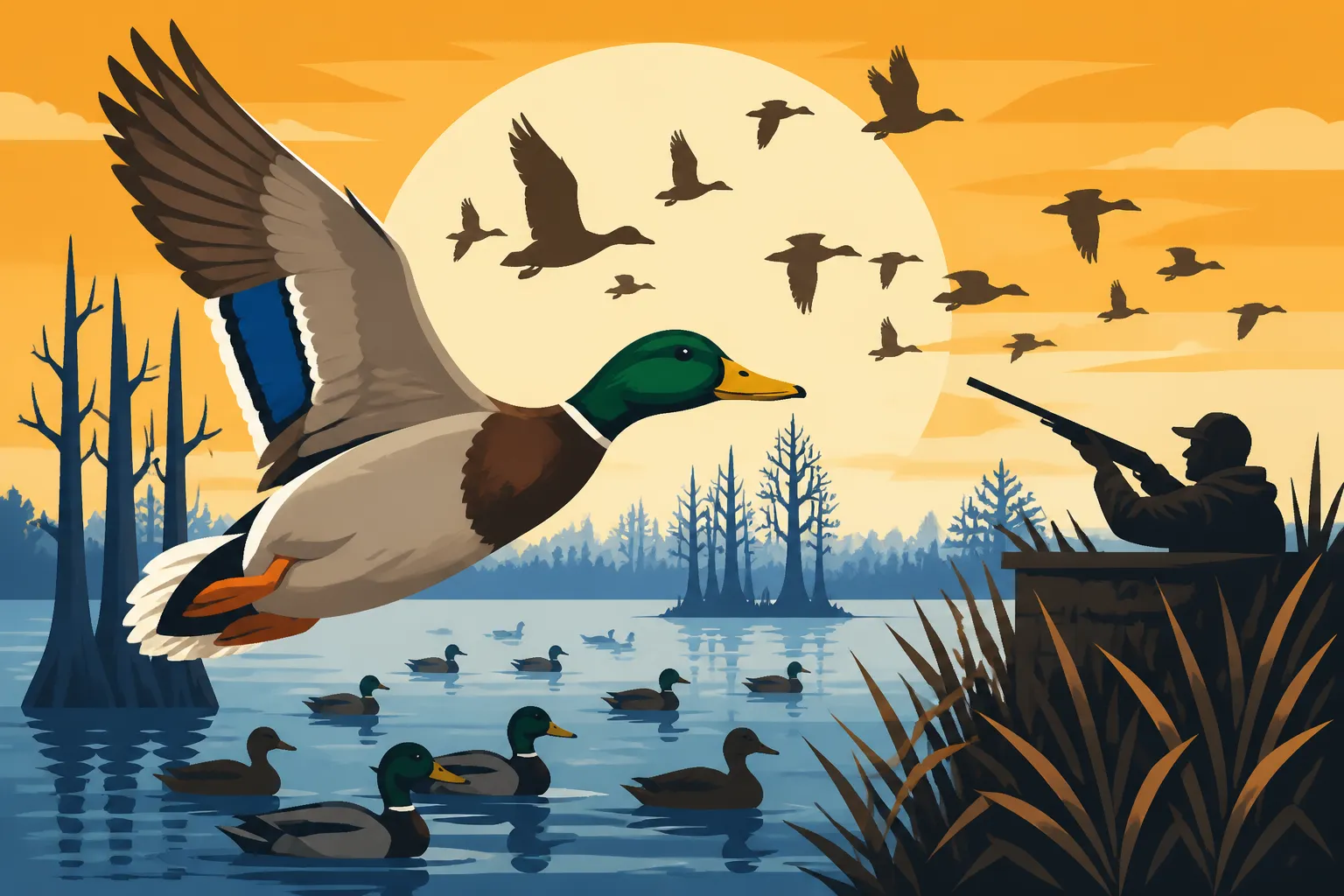
Ultimately, for many of us, duck hunting at Reelfoot Lake isn't just about the numbers; it's about the experience. It’s the chill of the pre-dawn air, the ethereal beauty of a cypress tree silhouetted against a rising sun, the camaraderie in the blind, and the thrill of hearing distant wings. While a massive influx of birds certainly adds to the excitement, even on years with fewer ducks, Reelfoot offers an unparalleled hunting adventure.
The challenge of enticing a few wary mallards into your spread, or the quiet satisfaction of calling in a solitary wood duck among the timber, can be just as rewarding as a banner day. The history and tradition of Hunting Reelfoot's Flooded Cypress Timber run deep, making every trip a connection to something larger than ourselves. So, while we might never have an exact, static number for how many ducks winter at Reelfoot Lake, we know it's enough to keep us coming back, year after year, for the magic that only this incredible place can offer.
| Species Common at Reelfoot Lake | Typical Behavior | Primary Food Sources |
|---|---|---|
| Mallard | Dabbler, feeds in shallow water | Seeds, grains (corn, rice), aquatic vegetation, invertebrates |
| Gadwall | Dabbler, feeds in shallow water | Aquatic vegetation, seeds |
| Northern Pintail | Dabbler, feeds in shallow water | Seeds, grains, aquatic plants |
| Green-winged Teal | Small dabbler, feeds in very shallow water | Seeds, small invertebrates, aquatic plants |
| Wood Duck | Dabbler, often in timber | Acorns, seeds, aquatic insects |
| Ring-necked Duck | Diver, feeds in deeper water | Aquatic vegetation, invertebrates |
| Lesser Scaup | Diver, feeds in deeper water | Mussels, snails, aquatic insects |
| Northern Shoveler | Dabbler, surface skimmer | Zooplankton, small invertebrates |
Disclaimer
This article is for general informational purposes only and does not constitute professional advice. Laws, prices and regulations vary by location and change over time. Consult a qualified professional for guidance on your specific situation.