Tennessee Bear Checking Requirements
There's nothing quite like the adrenaline rush of a bear hunt in Tennessee's rugged mountains, but that excitement can quickly turn to confusion once you've successfully harvested an animal. The regulations surrounding bear checking can feel like a maze, leaving many hunters scratching their heads about what exactly they need to do and by when. This guide is here to untangle those rules, walking you through every step of Tennessee's bear checking requirements to ensure you're fully compliant and your harvest is properly recorded.
Understanding Tennessee's Bear Checking Mandate
Harvesting a black bear in Tennessee isn't just a thrilling personal achievement; it's also a significant event for wildlife management. The Tennessee Wildlife Resources Agency (TWRA) mandates that all harvested bears be checked in, not just to track individual kills, but to gather crucial biological data. This data helps biologists understand the health, population trends, and distribution of Tennessee's black bear population, which is vital for setting future hunting seasons and managing the herd responsibly.
The "Why" Behind Mandatory Checking
Think about it: every bear you take provides a snapshot of the larger population. When you check in your bear, you're contributing to a massive, ongoing study. TWRA biologists use this information to determine how many bears are being harvested, the average age and sex ratios of the take, and even the general health of bears in specific regions, such as the Cherokee National Forest. Without this mandatory checking system, it would be incredibly difficult for the state to make informed decisions about bear conservation. It’s a collective effort, and your compliance directly impacts the future of bear hunting in the Volunteer State. It's not just red tape; it's science in action, ensuring that future generations can also experience the thrill of a Tennessee bear hunt.
Key Information Needed for Reporting
When you go to check your bear, either online or in person, you'll need to have a few pieces of critical information ready. First and foremost, you'll need your valid Tennessee hunting license and the specific big game permit for bear. Make sure these are easily accessible, whether they’re on your phone through the Go Outdoors Tennessee app or a physical copy. You'll also need the date and time of the harvest, the county where the bear was taken, and the method of take (e.g., archery, muzzleloader, modern firearm). Beyond that, you'll need to know the bear's sex, and for biological purposes, you'll typically be asked about its weight and sometimes even its general condition. It's also crucial that evidence of the bear's sex, such as the male genitalia or female udder, remain naturally attached to the carcass until it has been officially checked. This is a non-negotiable rule to prevent misidentification and ensure accurate reporting.
Step-by-Step Guide to Reporting Your Bear Harvest
Once you've made a successful harvest, the clock starts ticking. Tennessee law requires that all bears be checked in within 48 hours of being harvested. This isn't a suggestion; it's a strict rule to ensure timely data collection and compliance. Missing this deadline can lead to fines and other penalties, so it's essential to understand the process and be prepared.
Online Reporting Through Go Outdoors Tennessee
For many hunters, the easiest and most convenient way to check in a bear is through the TWRA's Go Outdoors Tennessee online portal or the accompanying mobile app. This platform has streamlined the process significantly, allowing you to report your harvest from virtually anywhere you have cell service. Once logged in, you’ll navigate to the harvest reporting section, select "bear" as the species, and then input all the required information we discussed earlier: license details, date, time, county, method of take, and the bear's sex. The system will then generate a confirmation number, which you should record and keep as proof of your report.
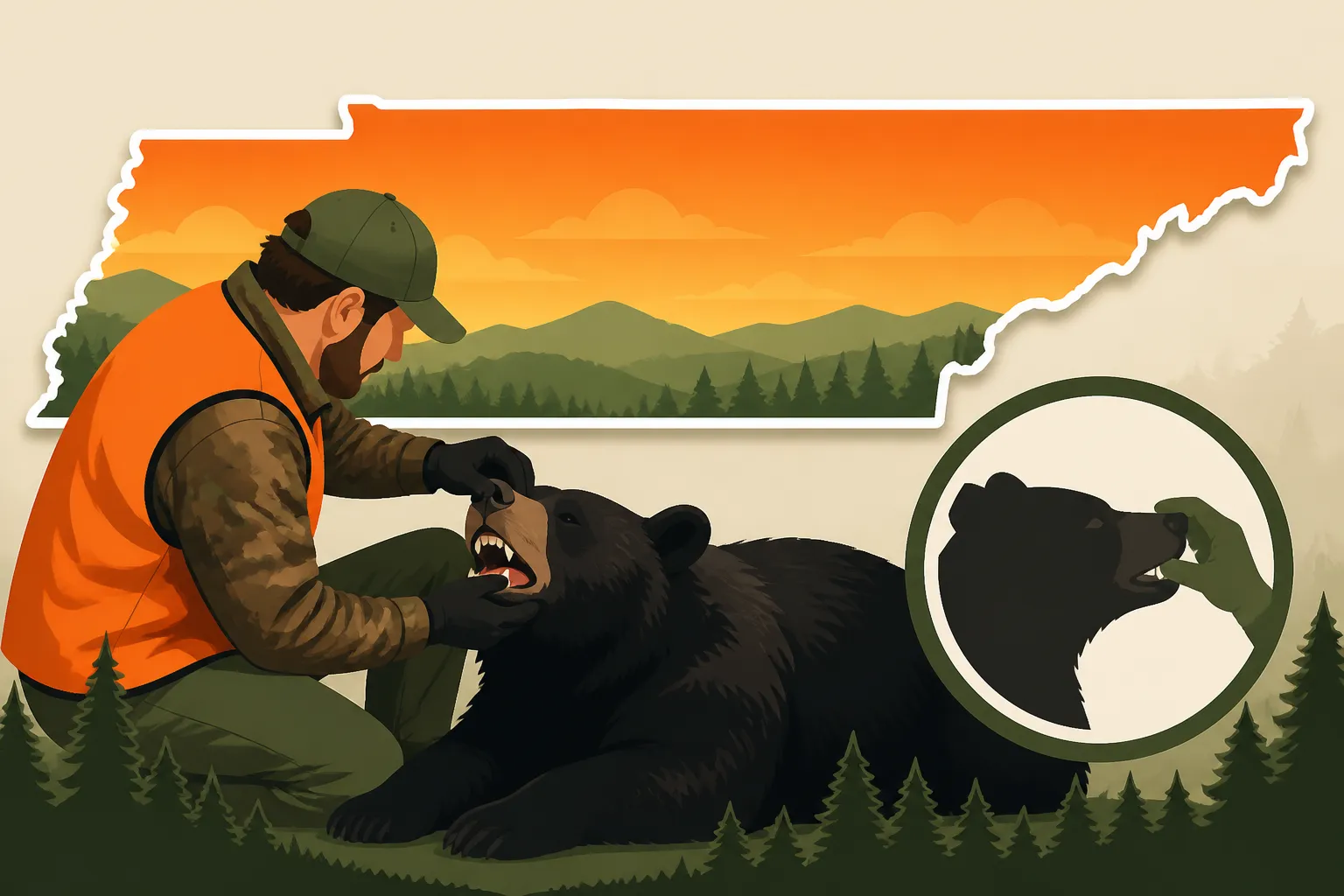
However, the online system is only the first step. For bears, simply reporting online isn't enough. You are still required to surrender the bear's skull (and typically a tooth) for biological sampling. After you've completed the online report, you'll need to contact your regional TWRA office within 72 hours of harvest to arrange for the skull's collection or drop-off. They will guide you on the nearest drop-off location or schedule an appointment with a wildlife biologist. This ensures the TWRA can gather essential data, such as the bear's age, which is determined by examining a cross-section of a specific tooth. Remember, it's your responsibility to initiate this follow-up call.
In-Person Checking Stations and When to Use Them
While online reporting is convenient, there are still situations where an in-person checking station might be necessary or preferred, especially if you're in an area with poor cell service or prefer a direct interaction. TWRA operates various checking stations, often at regional offices, certain wildlife management areas (WMAs), or designated private businesses, particularly during peak hunting seasons. These stations offer a more traditional method of checking, where a TWRA agent will assist you with the paperwork and often collect the biological samples on the spot.
It's particularly important to use an in-person station if you harvest a bear in one of Tennessee's specific bear zones that might have additional requirements, such as Zone 1 (Northeast Tennessee), Zone 2 (Smoky Mountains area), or Zone 3 (South Cherokee). Sometimes these zones might have unique rules, or biologists might be on-site specifically to collect more detailed data from bears taken in those critical areas. Always consult the latest Tennessee Hunting & Trapping Guide for specific instructions related to the zone you're hunting in. The TWRA website or app can also help you find the nearest active checking stations.
Critical Deadlines and Penalties
Adhering to the 48-hour harvest reporting deadline is not just a suggestion; it's a critical component of Tennessee's hunting regulations. This clock starts ticking the moment the bear is down, so planning your extraction and reporting strategy beforehand is crucial. For instance, if you're hunting deep in the backcountry of the Cherokee National Forest Hunting, consider your logistics for getting the bear out and getting to a reporting point or an area with service quickly. After reporting online, don't forget the 72-hour window to contact TWRA for skull surrender.
Failing to meet these deadlines can result in significant penalties. You could face fines, revocation of hunting privileges, or even confiscation of the harvested bear. The TWRA takes these regulations seriously because they are fundamental to effective wildlife management. It’s always better to err on the side of caution, report early, and follow up promptly. Keep a copy of your confirmation number and any communication with TWRA as proof of your compliance.
Special Considerations for Bear Checking
Tennessee's bear hunting landscape is diverse, from the dense forests of the Cumberland Plateau to the rugged peaks near the Great Smoky Mountains. This diversity means there can be special considerations for checking bears depending on where and how you harvest them. Being aware of these nuances will save you a lot of headache.
Checking Bears Taken in Different Zones or Special Hunts
Tennessee is divided into specific bear hunting zones, each with its own set of rules and potentially different harvest quotas or seasons. For example, Tennessee's Three Bear Hunting Zones – Zone 1, Zone 2, and Zone 3 – all have distinct boundaries and management objectives. If you're hunting in Bear Hunting Zone One in Northeast Tennessee, which often has specific dates and methods, the checking process will still follow the general 48-hour rule, but the regional TWRA office might have specific protocols for skull collection due to intensive monitoring in that area.
Similarly, if you're participating in a managed hunt on a particular Wildlife Management Area (WMA), there might be on-site checking requirements that supersede or complement the general statewide rules. Always read the WMA-specific regulations and managed hunt details carefully before heading out. Some areas might even require you to call a TWRA officer before moving the bear from the kill site, especially if it's a specific quota hunt. Always confirm these details in the current hunting guide.
What to Do with the Carcass After Checking
Once your bear has been successfully checked in and all necessary biological samples (skull, tooth) have been surrendered, you're free to process your harvest. For many hunters, this means preparing the meat for consumption and potentially caping the hide for a taxidermist. When it comes to the meat, bear meat is delicious when handled properly. Make sure to cool the carcass quickly, especially during warmer early season hunts, to preserve the quality. Proper field dressing, as detailed in guides like Handling a Bear After the Shot, is crucial.
If you plan to have the hide tanned or mounted, communicate clearly with your taxidermist about the checking process and any tags or documentation they might need. They are often very familiar with the requirements and can offer advice on caping and skinning. Remember, even after checking, it’s a good practice to keep your harvest confirmation number with the meat or hide, especially if you're transporting it across state lines or storing it for an extended period.
| Requirement | Detail | Deadline | Notes |
|---|---|---|---|
| Initial Reporting | Via Go Outdoors TN online/app or in-person check station. | Within 48 hours of harvest | Evidence of sex must remain attached. |
| Skull Surrender | Contact regional TWRA office to arrange drop-off/collection. | Within 72 hours of harvest (after reporting) | Mandatory for biological data (age). |
| Required Information | License details, date/time, county, method, sex, approximate weight. | At time of reporting | Keep confirmation number. |
| Zone-Specific Rules | Consult current TWRA Hunting Guide for special rules in Bear Zone 1, 2, or 3. | Prior to hunting | Some areas may require pre-transport calls. |
| Meat/Hide Care | Proper cooling and handling of carcass. | Immediately after harvest | Follow best practices for food safety and trophy preservation. |
Common Questions and Troubleshooting
Even with the best preparation, questions and unexpected situations can arise when dealing with bear checking requirements. It’s good to have a plan for common troubleshooting scenarios, ensuring you can still comply with the rules.
What if You Lose Your Tag or License?
It happens to the best of us: a license gets misplaced, a tag tears, or you realize you left your wallet back at camp. If you find yourself in the woods with a harvested bear but without your physical license or tag, don't panic immediately. The TWRA's Go Outdoors Tennessee app is an absolute lifesaver in these situations. It provides digital proof of your licenses and permits, which is generally accepted by wildlife officers. You can often access your license details and even report your harvest directly through the app, provided you have cell service.
If you don't have the app or cell service, your next best bet is to carefully retrieve the bear and head to the nearest location where you can access your online account or contact the TWRA. It's always a good idea to have photos of your license on your phone as a backup. Contacting the regional TWRA office as soon as possible to explain the situation is crucial. They can often verify your license status electronically and guide you on the next steps, potentially preventing a misunderstanding or penalty. Remember, honesty and prompt communication are key in these scenarios. You can always refer back to Tennessee Hunting Licenses and What They Cost if you need to quickly understand how to replace or access your license information.
Dealing with Technical Issues During Online Reporting
In our increasingly digital world, relying on online systems means occasionally running into technical glitches. Maybe the Go Outdoors Tennessee website is down, your internet connection is spotty, or the app is giving you an error message. If you encounter technical difficulties while trying to report your bear harvest, do not simply give up. The 48-hour deadline still applies.
Your first step should be to try again after a few minutes, or try a different device (e.g., switch from phone to computer, or vice versa). If the problem persists, document the issue by taking screenshots of error messages or noting the time and date of your attempts. Immediately contact your regional TWRA office via phone. Explain the technical issue you're facing and your attempts to comply with the reporting requirement. They can often guide you through an alternative reporting method or record your attempt to report, which can protect you from penalties. Having their phone number saved in your hunting pack or on your phone is a smart move for any hunter navigating Tennessee's wilderness.
Ultimately, hunting black bears in Tennessee is an incredible experience that comes with the responsibility of ethical harvesting and proper reporting. By understanding these Tennessee Bear Checking Requirements and preparing for various scenarios, you can ensure your hunt concludes successfully and within the bounds of the law, contributing to the continued health of Tennessee's magnificent bear population.
Disclaimer
This article is intended for informational purposes only and does not constitute legal advice. While we strive to provide accurate and up-to-date information, hunting regulations can change. It is the hunter's responsibility to consult the current Tennessee Hunting & Trapping Guide and relevant TWRA resources to ensure full compliance with all applicable laws and regulations before engaging in any hunting activities.