Tennessee Youth Elk Season Rules
The excitement of drawing a Tennessee elk tag is an incredible achievement, and for our young hunters, the opportunity to pursue one of these majestic animals in their home state is a truly unforgettable experience. However, deciphering the specific rules and requirements for the Tennessee Youth Elk Season can often feel like navigating a dense thicket. This comprehensive guide aims to clear the path, walking you through everything from eligibility and the application process to the specific season rules and crucial preparations, ensuring your young hunter is fully equipped for this monumental adventure.
Understanding Tennessee's Elk Program for Youth
Tennessee’s elk herd is a testament to dedicated conservation efforts, primarily centered around the North Cumberland Wildlife Management Area (NCWMA) in the eastern part of the state. While the herd is growing, permits remain exceptionally rare, making any elk tag, especially a youth tag, a highly coveted prize. Understanding the foundational elements of this program is the first step toward preparing for such a unique hunting opportunity.
The Rarity and Value of a Youth Elk Permit
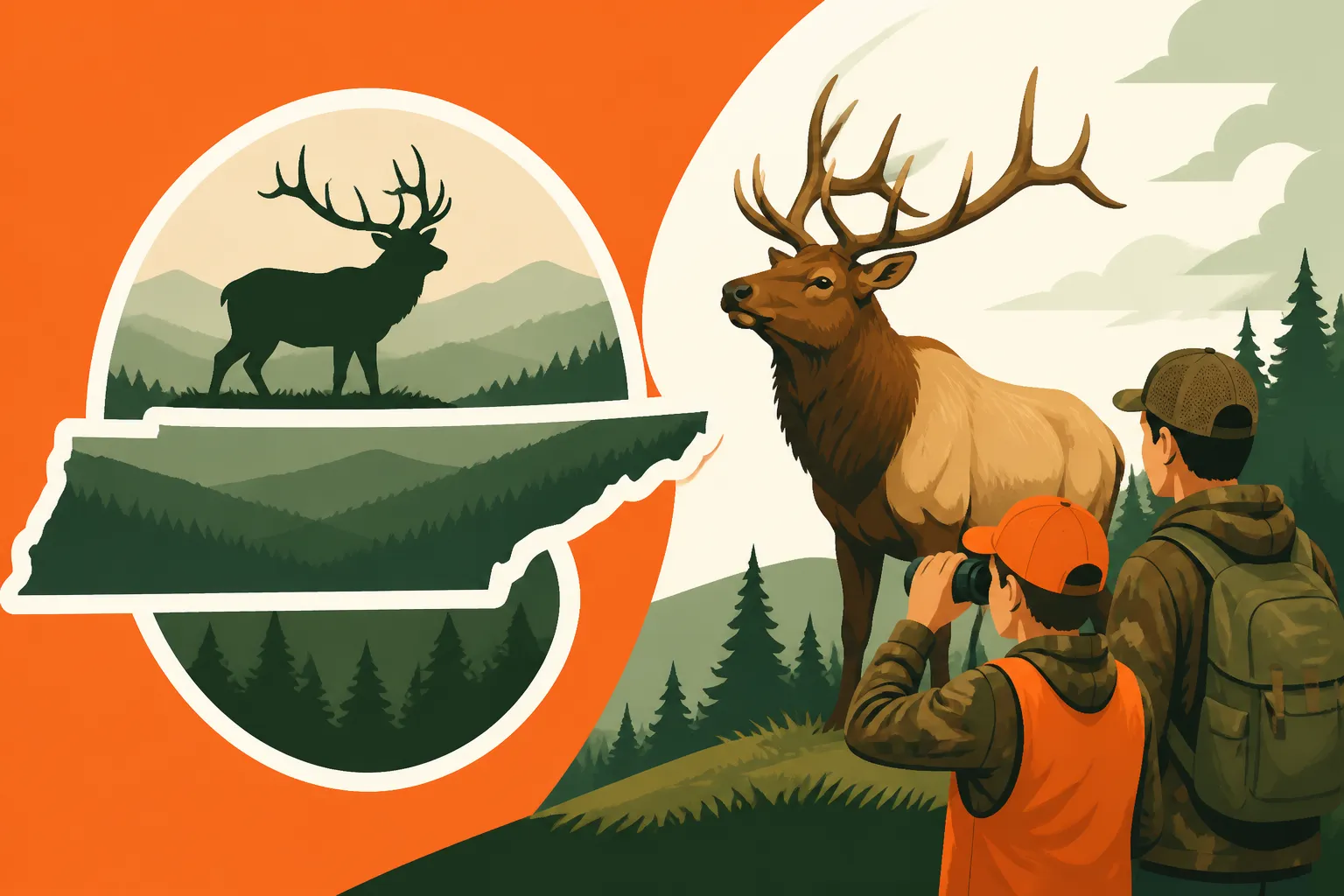
Imagine the thrill of calling in a bugling bull or tracking a massive cow elk through the rugged terrain of the Cumberland Mountains. For a young hunter, this isn't just a hunt; it's an immersive wildlife education and a memory that will last a lifetime. Tennessee’s elk herd, reintroduced in the early 2000s, has steadily grown but is carefully managed through a strict quota system. This means that only a very limited number of tags are issued each year, with only a handful specifically designated for youth hunters. Securing one of these permits is akin to winning the lottery, offering an unparalleled chance to connect with one of North America's most impressive big game animals. The experience goes far beyond the harvest; it’s about spending time in the wilderness, learning patience, tracking skills, and understanding the incredible success story of Tennessee's elk restoration. This limited access underscores the immense value and responsibility that comes with a youth elk permit.
Overall Structure of Tennessee's Elk Hunt
Tennessee manages its elk hunting through a rigorous quota hunt system. This isn't a situation where you can simply buy an over-the-counter tag; instead, hunters must apply and be drawn for a permit. The overall hunt is divided into various categories, including archery-only, muzzleloader, and general firearms seasons, and crucially, specific periods for youth hunters. The youth elk hunt often runs concurrently with or immediately prior to other adult seasons, typically within the North Cumberland Elk Zone. Each permit specifies the hunt unit, weapon type, and dates. This carefully controlled system ensures the herd’s continued health and growth while providing sustainable hunting opportunities. To truly grasp the bigger picture, it's worth reviewing the comprehensive information on Tennessee Elk Quota Hunt Rules to see how the youth season fits into the broader management strategy.
Eligibility and Application Process for Youth Elk Hunts
Getting a youth elk tag in Tennessee involves more than just luck; it requires understanding the specific age requirements, having the correct licenses, and diligently following the application procedures. Missing a single step can mean missing out on this once-in-a-lifetime opportunity.
Who Can Apply for a Youth Elk Tag
The Tennessee Wildlife Resources Agency (TWRA) sets clear guidelines for who qualifies for a youth elk tag. Generally, a youth hunter must be between the ages of 10 and 16 years old by the date of the hunt. This age range ensures that participants are mature enough for the physical demands and ethical responsibilities of an elk hunt, while still falling under the "youth" designation. Additionally, all applicants, regardless of age, must possess a valid Tennessee hunting license and a Big Game permit at the time of application. For those new to hunting or looking to understand the financial commitments, a detailed look at Tennessee Hunting Licenses and What They Cost can be very helpful. It's also paramount that any youth hunter planning to participate has successfully completed a certified Tennessee Hunter Education Requirements course, which instills the crucial safety and ethical principles necessary for any hunting endeavor.
Navigating the Application Window and Draw System
The application process for Tennessee's elk quota hunts, including the youth season, is handled online through the TWRA website. This isn't a year-round application; there's a specific application window, typically in the spring, so it's critical to mark your calendar and stay informed of the exact dates. Once the application window closes, all eligible applicants are entered into a computerized draw system. While the preference point system primarily benefits adult hunters in accumulating points for future draws, the youth hunt often operates with its own specific draw, providing a dedicated pathway for young hunters. Tools like GoHunt can be incredibly valuable here, as they often provide historical draw odds and unit breakdowns that, while mostly geared towards adults, can give you a general sense of the competitive nature of these hunts and help in researching potential areas within the elk zone. Understanding the application nuances is crucial, and you can get more specific details on Applying for a North Cumberland Elk Permit.
Required Licenses and Permits for Youth
Beyond the general hunting license, there are specific permits that a youth hunter absolutely needs for an elk hunt. Here’s a breakdown:
- Annual Hunting License: This is the foundational license. For Tennessee residents, there are various options, but a basic annual hunting license is usually sufficient. Non-residents have different license structures.
- Big Game Permit: This permit is required to hunt species like deer, bear, and elk. It's an add-on to the basic hunting license.
- Tennessee Type 94 Sportsman License: While not strictly required for the elk draw, this all-inclusive license covers all hunting and fishing for an entire year, including big game, small game, and waterfowl. If your young hunter enjoys multiple outdoor pursuits, this can be a cost-effective and convenient option, eliminating the need to purchase individual permits.
- Elk Permit (if drawn): This is the actual permit that allows the hunter to legally harvest an elk, obtained only after a successful draw.
It's vital to have all these documents in order before you apply and before you go afield. Always double-check the current year's TWRA regulations for any changes or additional requirements to avoid any issues.
Specific Rules for the Youth Elk Season
Once that coveted youth elk permit is in hand, understanding the particular rules governing the season itself is paramount. These rules dictate everything from when and where you can hunt to what you can use and how you must conduct yourself in the field.
Season Dates and Zones
The Tennessee Youth Elk Season typically takes place in the fall, often in late October or early November, making for crisp mornings and potentially vibrant fall foliage in the mountains. The specific dates can shift slightly each year, so it’s crucial to consult the most current TWRA hunting guide. All elk hunting in Tennessee occurs within the North Cumberland Wildlife Management Area (NCWMA), which spans parts of Campbell, Claiborne, Scott, Anderson, and Morgan counties. The NCWMA is further divided into specific elk hunt zones, and your youth permit will specify which zone or zones are open to you. It's not a free-for-all across the entire NCWMA; understanding these specific boundaries is key to hunting legally and effectively. A detailed map and review of Tennessee's Ten Elk Hunt Zones will be invaluable for pre-hunt planning and on-the-ground navigation.
Legal Weapons and Bag Limits
For the youth elk season, Tennessee generally permits the use of centerfire rifles, muzzleloaders, and archery equipment. When it comes to rifles, there are typically minimum caliber requirements for big game, and while specifics can vary, most hunters opt for calibers like .270, .30-06, or .300 Win Mag due to their effective range and knockdown power on an animal as large as an elk. Shotguns with slugs are also often legal. It’s always best to consult the current regulations for the exact minimum caliber or energy requirements. You can also refer to Tennessee Legal Firearms for Deer Hunting for a general overview, though elk might have stricter requirements. The bag limit for youth elk hunters is almost universally one (1) elk, and usually, it's restricted to a bull elk. Always verify the specific details on your permit, as there might be rare exceptions. The goal of these conservative bag limits is to manage the herd for long-term health and growth.
Hunter Orange and Safety Requirements
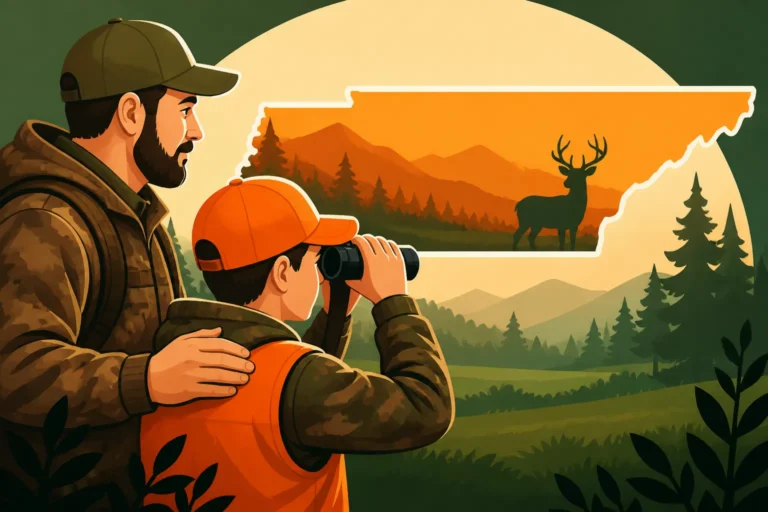
Safety is always the top priority, especially when hunting with youth. During Tennessee's elk season, all elk hunters, including youth, and their non-hunting companions (mentors, parents, etc.) are required to wear a minimum amount of blaze orange. This typically means a solid outer garment above the waist and a cap, both visible from 360 degrees. The bright color significantly reduces the risk of accidental shootings. For specific amounts, such as 500 square inches, always consult the TWRA regulations. Beyond blaze orange, mentors accompanying youth hunters have a profound responsibility:
- Direct Supervision: The mentor must be in a position to take immediate control of the firearm or bow.
- Ethical Guidance: Teach proper shot placement, tracking, and ethical recovery of game.
- Environmental Awareness: Instruct on navigation, weather safety, and respect for the land.
- Physical Preparedness: Ensure the youth is physically capable of handling the terrain and potential long walks.
Adhering to these safety protocols isn't just about legality; it's about fostering a responsible and safe hunting culture for the next generation.
Preparing for a Successful Youth Elk Hunt
Winning an elk tag is just the beginning. The real work starts with preparation, transforming that dream into a tangible, successful hunting experience. This involves extensive scouting, selecting the right gear, and instilling sound hunting tactics.
Pre-Season Scouting and Familiarization
The North Cumberland Elk Zone is vast and rugged, often challenging even for seasoned hunters. Pre-season scouting is absolutely critical. Since the NCWMA is public land, you can visit it well before the season. Look for signs of elk activity: tracks, scat, rub lines on trees, and wallows. Familiarize your young hunter with the specific terrain of their assigned hunt unit. This isn't just about finding elk; it's about understanding the land. Walk the trails, identify potential bedding areas, feeding zones, and water sources. Digital mapping tools, such as the GoHunt app, are indispensable for this kind of planning. They allow you to layer public land boundaries, topo maps, and satellite imagery to identify likely elk hot spots from the comfort of your home, and then verify them on the ground. GoHunt also offers detailed information that can supplement your TWRA resources, helping you understand terrain and access points. Furthermore, checking out our guide on Scouting Tennessee Public Land Before Season will provide broader tips applicable to this mountainous terrain.
Essential Gear for a Young Elk Hunter
Elk hunting demands robust gear, and selecting the right equipment for a youth hunter is crucial for comfort, safety, and success.
- Rifle: Choose a caliber that is powerful enough for elk but manageable for the youth. Practice extensively to ensure proficiency and comfort. Recoil-reducing pads or lighter loads can help.
- Optics: Good quality binoculars (8x or 10x) are essential for spotting elk from a distance in the expansive terrain. A reliable rangefinder will help with accurate shot placement.
- Clothing: The mountain weather in late October/early November can be highly unpredictable, ranging from mild to freezing, sunny to rainy or even snowy. A layering system is key. Think moisture-wicking base layers, insulating mid-layers, and a waterproof/windproof outer shell. Wool or synthetic materials are preferred over cotton. Our comprehensive guide on Clothing for a Tennessee Late Season offers excellent advice on staying comfortable in varying conditions. Don't forget durable, waterproof hiking boots that are well broken-in.
- Backpack: A comfortable daypack is needed to carry water, snacks, extra layers, a first-aid kit, and game processing tools.
- Communication: A fully charged cell phone (though service can be spotty), and possibly a satellite communicator or two-way radio, are vital for safety in remote areas.
- Game Care: Be prepared to field dress and potentially quarter the animal in the field. A sharp knife, game bags, and a sturdy pack frame or game cart will be invaluable for getting the meat out, especially if you harvest a bull deep in a hollow.
On-The-Ground Tactics and Ethical Hunting
When the season finally arrives, a well-thought-out hunting strategy, coupled with a strong ethical compass, is paramount.
- Patience and Persistence: Elk hunting is rarely easy. Long hours of glassing, walking, and waiting are often required. Teach your young hunter the value of patience and the satisfaction of earning the harvest.
- Calling: Learning to use elk calls, such as a bugle tube or cow calls, can be highly effective during the rut. Practice beforehand, and consider reading up on Calling a North Cumberland Bull Elk for specific techniques. However, sometimes silence and stealth are more effective, especially in pressured areas.
- Still Hunting and Spot-and-Stalk: These are common tactics. Move slowly, quietly, and use the terrain to your advantage. Stop frequently to glass and listen. The dense woods and steep terrain of the NCWMA demand slow, deliberate movement.
- Shot Placement: Emphasize the importance of a clean, ethical shot. Practice shooting from various positions (standing, kneeling, sitting) and at different distances before the hunt. Make sure your youth hunter knows exactly where to aim for the vitals.
- Tracking and Recovery: Elk are tough animals. Be prepared for a blood trail and a potentially long track. Having a good light source and marking the last known blood will be crucial.
- Respect for the Animal and the Land: Beyond the harvest, teach the youth about the majesty of the animal, the importance of conservation, and leaving no trace. This experience is about more than pulling a trigger; it's about becoming a responsible steward of our wildlife resources.
| Category | Detail | Notes |
|---|---|---|
| Eligibility | Ages 10-16 by hunt date | Must have valid TN hunting license & big game permit |
| Application | Online via TWRA website (Go Outdoors Tennessee) | Specific window, usually spring; check TWRA annually |
| Hunt Area | North Cumberland Wildlife Management Area (NCWMA) | Permits specify individual hunt zones within NCWMA |
| Season Dates | Typically late October / early November | Consult current year's TWRA guide for exact dates |
| Bag Limit | One (1) elk, usually bull-only | Verify specific permit details; youth specific |
| Legal Weapons | Centerfire rifles (.270 cal or larger recommended), muzzleloaders, archery | Check TWRA regulations for minimum calibers and specific weapon rules |
| Orange Req. | Blaze orange required for hunter & non-hunting companions | Minimum 500 square inches; visible 360 degrees |
| Mentorship | Required; adult must be in a position to take immediate control of firearm | Focus on safety, ethics, and field skills |
Disclaimer
Always check the current year's Tennessee Wildlife Resources Agency (TWRA) hunting regulations for the most up-to-date and complete information. Rules and seasons can change annually, and it is the hunter's responsibility to be fully informed and compliant with all applicable laws and regulations.