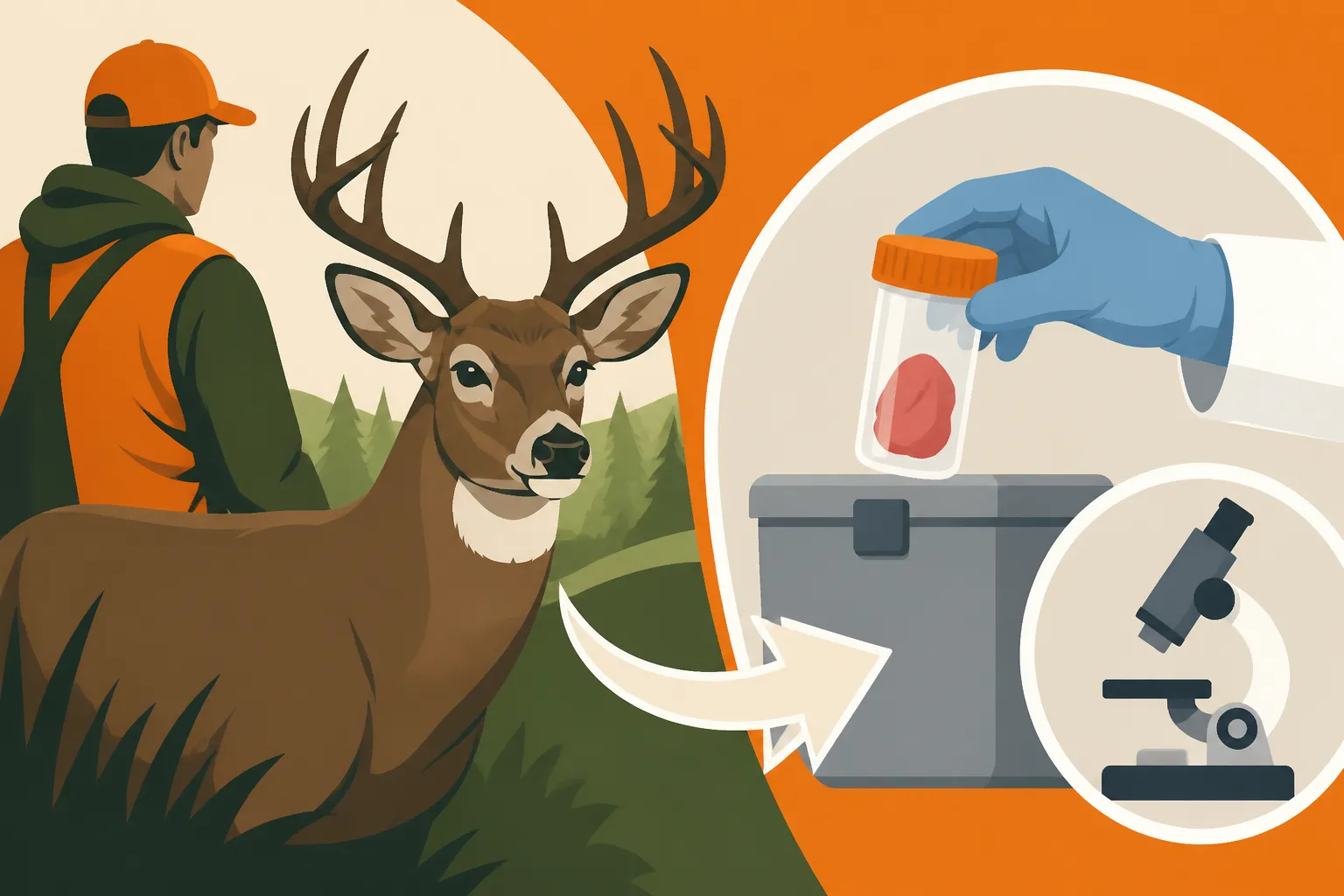
Submitting a Deer for Tennessee CWD Testing
It’s a tough reality for us hunters in Tennessee, but Chronic Wasting Disease (CWD) is a serious concern that impacts our deer herd and, frankly, adds a layer of complexity to our beloved seasons. If you’ve harvested a deer and are wondering what to do next regarding CWD testing, you’re not alone in feeling a bit overwhelmed by the rules and processes. This guide is here to walk you through every step of submitting your deer for testing, helping you navigate the requirements and understand why it’s so crucial for the health of our wildlife.
Understanding the Importance of CWD Testing in Tennessee
Nobody wants to hear about diseases impacting our deer, especially when we’re out in the woods enjoying the chase. But ignoring Chronic Wasting Disease isn't an option. It's a progressive, fatal neurological disease that affects cervids like deer, elk, and moose. It's caused by abnormal proteins called prions, and unfortunately, once an animal contracts it, there's no recovery. The long-term implications for our deer population and the future of hunting in Tennessee are why understanding and participating in CWD testing is so vital.
The Growing Concern of Chronic Wasting Disease
Chronic Wasting Disease is a silent threat because it can take a long time for an infected deer to show noticeable symptoms. When symptoms do appear, they include severe weight loss (hence "wasting"), stumbling, listlessness, behavioral changes, and excessive drooling. The scary part is that these prions can persist in the environment for years, making CWD incredibly difficult to eradicate once it's established in an area. This is why the Tennessee Wildlife Resources Agency (TWRA) has taken proactive steps, establishing Tennessee's Chronic Wasting Disease Management Zone to monitor and manage its spread. As hunters, our involvement in testing is the frontline defense, providing critical data to track the disease and implement effective management strategies. It’s not just about a single deer; it’s about the entire herd’s well-being for generations to come.
How Testing Protects the Herd and Hunters
While there's no evidence that CWD can spread to humans, public health agencies recommend against consuming meat from CWD-positive animals. This alone is a compelling reason for testing, ensuring the venison we bring home to our families is as safe as possible. Beyond that, testing allows the TWRA to map the disease's prevalence, identify hot spots, and adjust hunting regulations accordingly. Think of it as an early warning system. Without widespread testing, we’d be blind to the disease’s progression, potentially leading to much more severe outbreaks and drastic measures down the road. Every sample submitted, especially from Tennessee CWD Prevalence in West Tennessee, contributes to a larger picture that guides conservation efforts, ultimately helping to maintain a healthy and sustainable deer population for all of us.
Navigating Tennessee's CWD Management Zone and Testing Requirements
The first step in understanding your CWD testing obligations is knowing if you've harvested a deer within one of Tennessee's CWD management zones. These zones are established by the TWRA and are dynamic, meaning they can change as the disease spreads or is contained. It's your responsibility as a hunter to be aware of the current boundaries and rules for the area you're hunting in. This information is readily available through the TWRA website or resources like the GoHunt app, which often provides up-to-date mapping and regulations.
Identifying CWD-Positive Counties and Zones
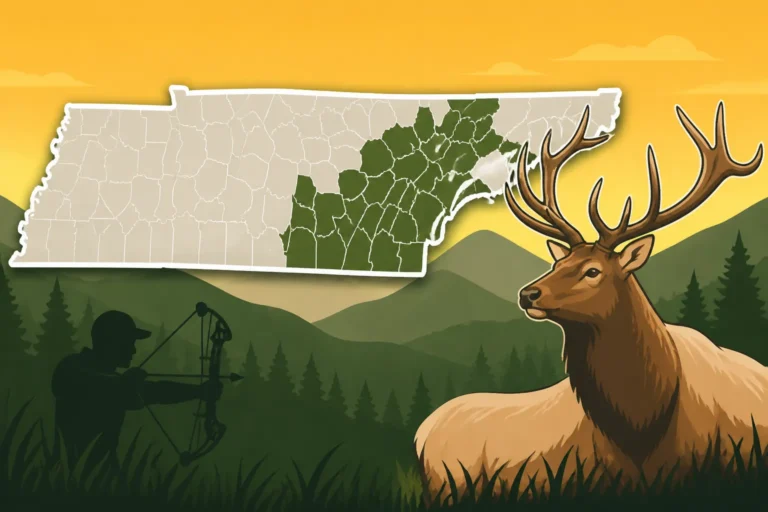
Tennessee's CWD Management Zone is split into two categories: CWD-Positive counties and High-Risk counties. CWD-Positive counties are those where the disease has been confirmed in wild deer. High-Risk counties are those within a 10-mile radius of a CWD-positive county line, serving as a buffer zone. The disease unfortunately started in West Tennessee and has slowly been spreading east, with new counties added periodically. For example, counties like Fayette, Hardeman, and McNairy in West Tennessee were among the first Which County Found Tennessee's First CWD Case, but the zone has expanded to include Tennessee's Twenty-One CWD Counties and others such as Humphreys, Dickson, and Williamson, which were more recent additions.
Here's a simplified overview of how the zones typically break down:
| Zone Type | Definition | Key Counties (Examples) | Testing Status |
|---|---|---|---|
| CWD-Positive | Disease confirmed in wild deer | Fayette, Hardeman, McNairy, Lauderdale, Haywood, Madison | Mandatory (often) |
| High-Risk | Within 10 miles of CWD-Positive county line | Neighboring counties around CWD-Positive areas | Mandatory or Recommended |
| Buffer/Surveillance | Other counties bordering High-Risk zones or targeted | Varies based on monitoring | Voluntary |
It's absolutely critical to check the current TWRA CWD zone map before each season, or even before each hunt if you're hunting near a boundary. The rules and specific testing requirements can vary significantly between these zones, so don't just rely on what you remember from last year.
Mandatory vs. Voluntary Testing Scenarios
In CWD-Positive and High-Risk counties, mandatory testing periods for harvested deer are common. This usually applies to all deer, or sometimes specifically to antlered bucks, depending on the season and specific regulations for that year. During mandatory testing periods, you must submit your deer for testing within a specified timeframe. Failure to do so can result in penalties, and nobody wants that hassle after a successful hunt. These periods are often concentrated during the opening weekends of gun season or during specific portions of the rut when deer movement is high. For deer harvested outside of mandatory testing periods, or in counties not designated as CWD-Positive or High-Risk, testing is generally voluntary but still highly encouraged. Even a voluntary sample provides valuable data to the TWRA, helping them monitor for any new outbreaks and keep a close eye on the herd's health. Always remember to complete your Tennessee Deer Harvest Reporting Rules as well, regardless of CWD testing status.
Step-by-Step Guide to Submitting Your Deer for Testing
Okay, you’ve harvested a deer in a CWD-affected area, or you simply want to contribute to the data. What now? The process might seem daunting at first glance, but the TWRA has tried to make it as straightforward as possible, primarily through self-service kiosks and designated check stations. Having a plan before you head out can save you a lot of headache.
Locating a CWD Sampling Station
The first thing you need to do is find where you can actually submit your deer for testing. The TWRA maintains a comprehensive list of CWD sampling stations on their website, and many hunters find the GoHunt app to be incredibly useful for pinpointing the closest drop-off locations, especially if you’re in an unfamiliar area. These stations are often located at local businesses, TWRA offices, or public hunting areas within the CWD management zone. Some are staffed check stations, but many are self-service kiosks. These kiosks typically consist of a freezer or cooler where you can deposit the deer head. It's a good idea to identify a couple of potential stations near your hunting area before you even go out, just in case one is full or temporarily inaccessible. This proactive approach ensures you can quickly comply with any mandatory testing requirements. You can also find help with Finding a Tennessee CWD Sampling Station through TWRA resources.
The Sampling Process at a Kiosk or Check Station
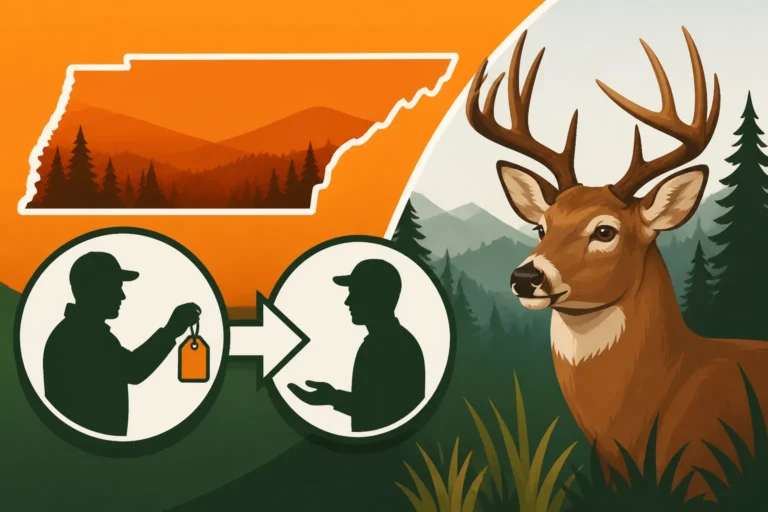
Once you've located a station, the actual submission process is relatively simple. For self-service kiosks, you’ll typically need to remove the deer’s head with at least two to four inches of neck attached. The kiosk will have clear instructions, usually including a unique tag or form you need to fill out. This form will ask for vital information like your hunter ID, date of harvest, county of harvest, and an approximate location (e.g., latitude/longitude, nearest landmark, or WMA name). You'll then securely attach this tag to the deer head and place it in the designated freezer or cooler. It’s crucial that you fill out all information accurately and legibly, as this data is essential for the TWRA to track the disease effectively. If you're at a staffed check station, wildlife officers or trained personnel will assist you with the process, often taking the sample (lymph nodes or brainstem) themselves and handling the tagging. They might also be able to answer any specific questions you have about Tennessee's Chronic Wasting Disease Management Zone or other regulations.
Understanding Your Test Results and Next Steps
After you’ve submitted your sample, the wait begins. The TWRA will send the samples to a lab for analysis. The turnaround time for results can vary depending on the volume of samples and the time of year, but it's typically a few weeks. You can usually check the status of your test results online through the TWRA's Go Outdoors Tennessee portal, using the unique sample ID provided at the kiosk or check station. If your deer tests positive for CWD, the TWRA will contact you directly to discuss the results and recommend next steps, which generally involve discarding the meat and antlers according to specific guidelines. This is a tough phone call to get, but it’s important to remember that by testing, you’ve helped prevent further spread and contributed to the health of the overall herd. If your deer tests negative, you can proceed with processing and consuming the venison with peace of mind.
Practical Tips for Hunters in CWD Zones
Hunting in a CWD management zone definitely adds a few extra considerations to your routine, but with a little preparation, it doesn't have to detract from the experience. These tips are designed to help you navigate the specific challenges and regulations unique to areas affected by Chronic Wasting Disease. It's about being a responsible hunter and contributing to the solution.
Field Dressing and Carcass Transport Regulations
The transportation of deer carcasses, or parts of them, is one of the most critical aspects of CWD management. The prions that cause CWD can be found throughout the deer, but are most concentrated in the brain, spinal cord, lymph nodes, and spleen. To prevent the accidental spread of these prions to uninfected areas, strict regulations are in place regarding how you can move a deer carcass out of a CWD-Positive or High-Risk county. Generally, you can only transport:
- Deboned meat: All bone removed.
- Antlers/Shed Antlers: With all brain and tissue removed.
- Clean skull plates: With all brain and tissue removed.
- Hides: With all head and spinal cord material removed.
- Finished taxidermy products.
This means that if you harvest a deer in a CWD zone and plan to take it to a processor or your home outside that zone, you must adhere to these deboning or cleaning requirements first. Many hunters practice Deboning Venison Before Leaving the CWD Zone right where they harvest the animal to ensure compliance. It's a bit more work in the field, but it's a small price to pay to protect other areas. This is where having a good field dressing kit and a solid plan for handling the carcass comes in handy, especially when you're Field Dressing a Deer in Cold Weather.
Utilizing the Earn-a-Buck Program
In some CWD-Positive counties, the TWRA implements an "Earn-a-Buck" program as a management tool. This program, explained in detail in How the Earn-a-Buck Program Works, is designed to incentivize hunters to harvest antlerless deer and submit them for CWD testing. The idea is that by increasing the harvest of does, especially those that might be unknowingly carrying CWD, the TWRA can help control the population and potentially reduce disease transmission rates. Typically, if you harvest an antlerless deer in a designated Earn-a-Buck county, submit it for CWD testing, and it tests negative, you might earn a bonus antlered deer tag for that particular season. It's a great way to contribute to disease management while potentially getting an extra opportunity to fill your freezer or tag a buck you've been after. Keep an eye on TWRA announcements for specific details each season, as this program can vary.
Staying Informed with the Latest TWRA Updates
The CWD situation is constantly evolving, and so are the management strategies and regulations. What was true last year might not be true this year, or even next month. That's why it's absolutely crucial for every Tennessee hunter to stay informed. The TWRA website is your primary source for the most current information regarding Tennessee Wildlife Disease Monitoring, CWD management zones, testing requirements, and any changes to the Earn-a-Buck program or carcass transportation rules. You can also sign up for email newsletters from the TWRA, follow their social media channels, or consult reputable hunting resources like the GoHunt app for real-time updates. Attend local hunter education courses or community meetings if available, as these are often great opportunities to ask questions directly to wildlife officers and biologists. Being informed isn't just about avoiding penalties; it's about being an active and responsible participant in the conservation of Tennessee's deer herd. Your diligence makes a difference!
Disclaimer
Please note that hunting regulations, including those pertaining to Chronic Wasting Disease (CWD) testing and carcass transportation, are subject to change. Always consult the official Tennessee Wildlife Resources Agency (TWRA) regulations, publications, or website for the most current and accurate information before participating in any hunting activity. This guide provides general information and should not be considered a substitute for official TWRA regulations.