Tennessee Youth Deer Hunt Rules
For many Tennessee families, introducing the next generation to the joys of deer hunting is a deeply cherished tradition. However, trying to navigate the specific rules, dates, and requirements for youth deer hunts can feel like staring at a complex map without a compass, leaving parents and mentors scratching their heads. This comprehensive guide is here to clear up all that confusion, giving you a clear roadmap to ensure a safe, successful, and memorable hunting experience for your young hunter.
Understanding Tennessee's Youth Deer Hunt Structure
Tennessee is committed to fostering a love for hunting in its younger residents, and a big part of that commitment is a dedicated youth deer season. These seasons are designed to give young hunters a fantastic opportunity to get out in the woods with less pressure and more focused attention from their mentors. It’s a chance to learn the ropes, understand deer behavior, and build lifelong memories without the added complexity of a fully open season.
When the Youth Hunts Take Place
Tennessee typically offers two distinct youth-only deer hunting opportunities each season, strategically placed to maximize success and learning. These are usually timed during periods of good deer activity but before the full impact of the general firearms season.
The first youth hunt usually kicks off in late October, often the weekend immediately preceding the statewide muzzleloader season. This timing is fantastic because deer are often still in their early fall patterns, focused on food sources, and less wary than they become once heavy pressure sets in. It’s a perfect scenario for a young hunter, offering them a quieter woods experience and often some mild weather. Imagine sitting in a comfortable blind with your child, watching the woods come alive as the sun rises, without the sounds of distant gunshots echoing through the timber. This early window is designed to be low-pressure and high-opportunity.
The second youth hunt generally occurs later in the year, often in early January, bridging the gap between the close of the general gun season and the absolute end of the deer hunting opportunities. This late-season hunt can be a bit more challenging due to colder weather and deer that have been pressured for months, but it also presents unique opportunities. Deer, at this point, are often concentrated around remaining high-energy food sources, making scouting for these areas critical. It teaches young hunters about perseverance and adapting to changing conditions, finding deer when others have given up. Both periods provide invaluable experience, just in different ways.
Who is Eligible to Participate
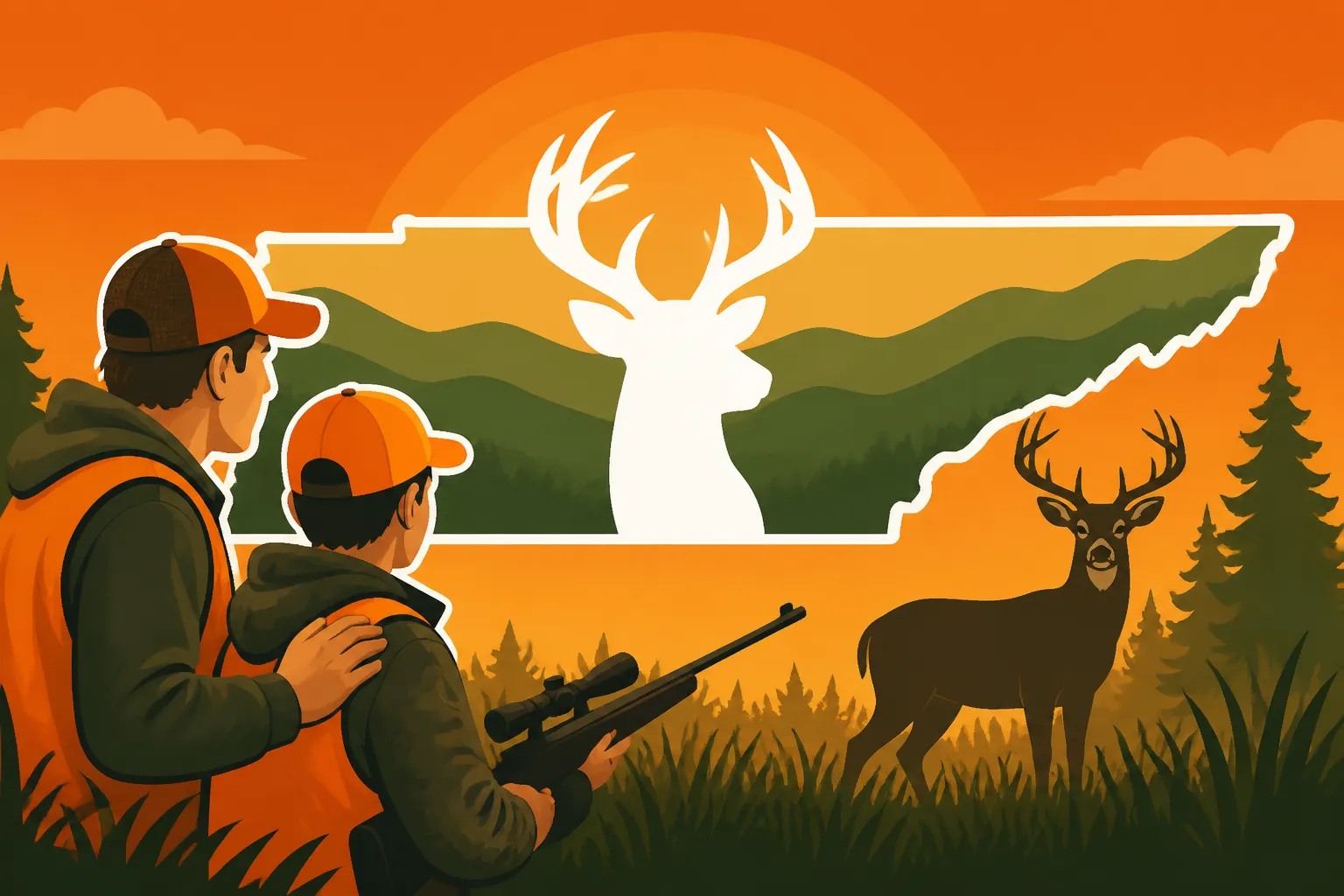
Eligibility for Tennessee's youth deer hunts is straightforward, but it's crucial to understand the age brackets and hunter education requirements. Generally, young hunters between the ages of 6 and 16 (inclusive) are eligible. This wide age range means that even very young children can begin their hunting journey, as long as they are accompanied and directly supervised by a non-hunting adult. The "non-hunting" aspect for the adult is key: during these youth-only weekends, the supervising adult cannot carry a weapon or attempt to harvest a deer themselves. Their sole focus must be on guiding, teaching, and ensuring the safety of the young hunter.
One of the most common questions revolves around hunter education. While hunters born on or after January 1, 1969, generally need to complete a hunter education course to hunt without supervision, youth hunters participating in these special seasons have some flexibility. A young hunter under the age of 10 must always be accompanied by an adult 21 years of age or older. For those aged 10 to 16, they can participate even without a hunter education certificate, provided they are accompanied by an adult who is at least 21 years old and holds a valid hunting license. This provision is part of the state's Tennessee Hunter Education Requirements and is designed to ease newcomers into the sport. It ensures that safety and ethical hunting practices are taught hands-on in the field, making the experience much richer than just reading a manual.
Statewide vs. WMA/Special Hunt Rules
Most of Tennessee's youth deer hunt rules apply statewide, offering broad access across the state's private and public lands. This consistency helps simplify planning for many families. However, it's really important to remember that Wildlife Management Areas (WMAs) and certain other special management areas might have their own specific regulations or even dedicated youth quota hunts. These WMA-specific rules can include different season dates, bag limits, antler restrictions, or even require special permits.
For example, a WMA might open its youth hunt a week earlier or later than the statewide dates, or it might restrict weapon types to archery only, even during a gun-friendly youth weekend. Before planning any hunt on a WMA, always consult the current Tennessee Wildlife Resources Agency (TWRA) Hunting and Trapping Guide or visit the individual WMA's page on the TWRA website. Overlooking these specific rules could lead to an unfortunate violation, which is the last thing you want on a family hunting trip. Places like Catoosa WMA or Land Between the Lakes often have unique stipulations, so double-checking is not just advised, it's essential for a smooth and legal hunt.
Licensing and Permits for Young Hunters
Getting the right license and permit is often where new hunters and their mentors can get tripped up. It feels like there are a million different options, and you want to make sure you're getting the correct one without overspending or missing a crucial requirement. The good news is that Tennessee has streamlined its licensing process to make it quite accessible for youth, especially those just starting out.
Essential Licenses for Youth
For resident youth hunters in Tennessee, the primary license you'll want to look at is the Junior Hunt/Trap/Fish License (Type 002). This annual license is incredibly affordable and covers all hunting, trapping, and fishing activities statewide for residents aged 13 through 15. Once a young hunter turns 16, they'll transition to adult licensing requirements, but for those formative years, this license is a fantastic value. For younger hunters, aged 6 to 12, they don't actually need a license to hunt or fish, though they do still need to comply with all other regulations, like bag limits and hunter education requirements (or being accompanied by a licensed adult as discussed previously).
If you want to simplify things and cover all bases, especially if your young hunter is enthusiastic about other outdoor pursuits, consider the Tennessee Sportsman License Bundle (Type 001). This all-inclusive license covers all hunting, trapping, and fishing activities for residents, including all required supplemental licenses and federal duck stamps. While it's a larger upfront cost, for a truly active young outdoors person, it can be the most convenient and cost-effective option in the long run. You can find more details on these options in a guide like Tennessee Resident Hunting License Options. It removes the headache of figuring out each individual permit needed for different species or activities.
Apprentice Hunter Program for Newcomers
Tennessee's Apprentice Hunter Program is a game-changer for individuals, including youth, who are new to hunting and haven't yet completed their hunter education course. This program allows an unlicensed person (of any age, including youth) to hunt with a licensed, experienced mentor. Specifically for youth deer hunts, this means a young hunter who hasn't completed their hunter education can still participate, as long as they are accompanied by a licensed adult (age 21 or older) who has completed hunter education (if required for them) and is directly supervising the youth.
The rules for this program are designed for safety and hands-on learning. The mentor must stay within an arm's reach of the apprentice when handling a firearm and maintain direct visual and verbal contact at all times. This isn't just about fulfilling a legal requirement; it's about providing invaluable guidance on shot placement, ethical decision-making, and tracking. The beauty of this program, detailed in Tennessee Apprentice Hunter License Rules, is that it removes a significant barrier to entry, allowing young hunters to experience the thrill and responsibility of hunting firsthand before committing to the full hunter education course. It’s an ideal way to gauge their interest and aptitude without a major time commitment initially.
Obtaining Permits and Carrying Proof
The easiest and most common way to obtain these licenses and permits is through the Go Outdoors Tennessee website or by using the Go Outdoors Tennessee mobile app. You can also purchase them from approved license agents across the state, such as sporting goods stores, bait shops, and some county clerks' offices. When purchasing online or via the app, you'll receive a digital copy of your license almost instantly, which is perfectly acceptable as proof of license.
It's absolutely critical that your young hunter (or their mentor, if the youth is very young) has proof of their valid license and any required permits with them at all times while hunting. Whether it's a physical copy, a screenshot on a phone, or via the Go Outdoors Tennessee app, you need to be able to present it if requested by a TWRA officer. I've heard stories of hunters having their phone battery die, or not having cell service, and then struggling to prove their license status. My advice? Always have a physical copy printed out, or at least a screenshot saved, especially if you're venturing into areas with spotty cell service, common on places like the Cumberland Plateau Ridgelines. Planning ahead here can save a lot of headaches and ensure a smooth outing.
Bag Limits and Deer Reporting for Youth Hunts
Understanding bag limits and the mandatory harvest reporting process is non-negotiable for any hunter in Tennessee, and youth hunters are no exception. The TWRA uses these regulations to manage deer populations effectively and ensure sustainable hunting opportunities for everyone, now and in the future. It might seem like a lot to remember, but with a little preparation, it's quite manageable.
Antlered and Antlerless Deer Limits
During the youth deer hunts, the bag limits generally follow the statewide regulations for antlered and antlerless deer, but there might be specific nuances or broader allowances. For antlered deer, youth hunters are typically allowed to harvest one antlered deer during the designated youth seasons. This counts towards their statewide annual bag limit of two antlered deer per license year. It’s important to clarify that "antlered" means a buck with antlers visible above the hairline.
For antlerless deer, the rules can vary quite a bit depending on which of Tennessee's Six Deer Management Units (DMUs) you are hunting in. Some DMUs, particularly those with higher deer populations (like DMU 1, 2, or 3), might allow for multiple antlerless deer harvests, even during a youth hunt. Other DMUs, especially those with lower deer densities (DMU 4, 5, or 6), might have very restricted or even zero antlerless bag limits. Always check the current TWRA hunting guide for the specific county or WMA you plan to hunt. A quick glance at the DMU map is essential before heading out, ensuring your young hunter knows exactly what they can and cannot harvest. This teaches them responsibility and adherence to wildlife management principles from an early age.
Here's a simplified table comparing typical antlerless bag limits by DMU during a general season. Always double-check the current TWRA guide for youth season specifics, as these can be modified annually.
| DMU | General Antlerless Bag Limit (Youth Season may vary) | Typical Counties (Examples) |
|---|---|---|
| 1 | Unlimited (Private Land) | Weakley, Gibson, Carroll |
| 2 | 3 Per Day (Private Land) | Dyer, Crockett, Lauderdale |
| 3 | 2 Per Day (Private Land) | Montgomery, Stewart, Henry |
| 4 | 1 Per Day (Private Land) | Lawrence, Giles, Marshall |
| 5 | 1 Per Season (Private Land) | Cumberland, Fentress, Morgan |
| 6 | 1 Per Season (Private Land) | Johnson, Carter, Greene |
Note: WMAs often have their own specific bag limits overriding general DMU rules.
The Importance of Harvest Reporting
Harvest reporting is not just a suggestion; it's a mandatory legal requirement for every deer harvested in Tennessee, including those taken by youth hunters. Every deer taken, whether antlered or antlerless, must be reported to the TWRA by midnight on the day the deer was harvested. This data is absolutely crucial for wildlife biologists to monitor deer populations, track harvest trends, and make informed management decisions that ensure healthy herds for future generations.
The process is fairly simple thanks to modern technology. You can report your harvest online through the Go Outdoors Tennessee website or using the Go Outdoors Tennessee app. You'll need some basic information, like the county of harvest, the type of deer (antlered/antlerless), and the sex. Make sure you have your license information handy. Failing to report a harvest is a violation, and it undermines the very science that keeps our hunting traditions alive. This is an excellent opportunity to teach young hunters about their role in conservation and responsible wildlife management, highlighting why Tennessee Deer Harvest Reporting Rules are so important. It's not just about taking an animal; it's about contributing to its future.
CWD Zone Considerations for Youth Hunters
Chronic Wasting Disease (CWD) is a serious neurological disease affecting deer, elk, and moose, and it has unfortunately been detected in several counties in Tennessee. If you plan to hunt in or travel through a county designated as part of Tennessee's Chronic Wasting Disease Management Zone (CWD Zone), there are very specific regulations you must follow regarding the movement of deer carcasses and parts. These rules apply to all hunters, including youth.
The primary goal of these regulations is to prevent the further spread of CWD. This usually means that if you harvest a deer in a CWD-positive county, you cannot transport the entire carcass out of that county or the CWD Zone. Instead, you'll need to debone the meat, remove the skull plate (if keeping antlers), and dispose of the remaining carcass parts properly within the CWD Zone. There are usually designated CWD sampling stations in these areas where you can voluntarily submit your deer for testing, which is a great way to contribute to monitoring efforts. Even if you're just driving through a CWD Zone after hunting in a non-CWD county, you might be subject to certain restrictions. Always check the most current TWRA CWD regulations before your hunt to avoid any issues. This is a critical lesson in responsible hunting and disease management for young hunters to understand.
Gear and Safety Essentials for Youth Hunts
Ensuring a youth deer hunt is both fun and safe hinges on having the right gear and, most importantly, instilling proper safety habits. This isn't just about what they carry, but how they carry themselves and how you, as a mentor, prepare them for the field.
Appropriate Firearms and Bows
Choosing the right firearm or bow for a young hunter is paramount. You want something that fits them physically, is comfortable to handle, and has manageable recoil. For firearms, a lightweight rifle chambered in a smaller, low-recoil caliber like a .243 Winchester, 6.5 Creedmoor, or even a .223 (where legal for deer) can be an excellent choice. The goal is accuracy and confidence, not brute power. A heavy-recoiling magnum might deter a young hunter from ever wanting to shoot again. Many manufacturers offer compact models or adjustable stocks specifically designed for smaller frames. Always ensure the firearm is properly sighted in and that your young hunter can safely load, unload, and operate it.
When it comes to archery, youth bows come in a wide range of adjustable draw weights and lengths, allowing them to grow with the archer. A vertical bow is a classic choice, but crossbows are also legal during all archery seasons in Tennessee and can be a great option for younger or smaller hunters due to their ease of use and consistent accuracy. Regardless of the weapon, practice, practice, practice is key. Familiarity builds confidence, and confidence leads to better, safer shooting. Talk through shot scenarios, practice finding a comfortable rest, and emphasize patience and ethical shot placement.
Blaze Orange and Safety Requirements
Safety first, always. How Much Blaze Orange Tennessee Requires is a critical piece of information for all hunters, and especially for those guiding youth. During any statewide deer season where firearms are permitted (including the youth-only firearms hunt), all hunters, including youth, must wear at least 500 square inches of hunter orange or blaze pink on their head, chest, and back. This typically means an orange hat and a vest. The bright color is essential for visibility, making hunters easily identifiable to other individuals in the woods and significantly reducing the risk of accidental shootings.
Beyond the legal requirement, foster a culture of safety. Teach your young hunter the cardinal rules:
- Treat every firearm as if it's loaded.
- Always point the muzzle in a safe direction.
- Be sure of your target and what is beyond it.
- Keep your finger off the trigger until ready to shoot.
- Never climb a tree or cross obstacles with a loaded firearm.
Reviewing these rules before every hunt and constantly reinforcing them in the field will embed these habits for life. A hunting outing with a young person should prioritize safety and learning over everything else.
Mentoring Responsibilities and Best Practices
As a mentor, your role goes far beyond just getting your young hunter to their stand. It's about nurturing a responsible, ethical, and conservation-minded individual. Your primary responsibility is safety, followed closely by teaching. This includes everything from proper weapon handling and shot placement to field dressing, Blood Trailing After Dark in Tennessee, and understanding game laws.
Best practices for mentoring include:
- Prioritize comfort: A cold, uncomfortable kid isn't a happy hunter. Dress them in layers, ensure they have good boots, and bring plenty of snacks and drinks.
- Keep it fun: If the deer aren't moving, pivot. Talk about other wildlife, identify tracks, practice calls, or even play quiet games. The goal isn't just to kill a deer, it's to create positive outdoor experiences.
- Be patient: Young hunters are still developing their skills and patience. Don't push them too hard. Celebrate small victories, like identifying a distant deer or sitting quietly for an extended period.
- Explain the "why": Don't just tell them what to do; explain why you do it. Why do we check the wind? Why is harvest reporting important? Why do we respect private land boundaries?
- Let them lead: Within safe boundaries, allow your young hunter to make decisions, like where to scan, when to make a call, or even where to set up if it's safe. This builds ownership and confidence. Consider taking them Scouting Tennessee Public Land Before Season so they feel invested in the hunt.
Ultimately, your presence and guidance are the most valuable tools you can bring to a youth hunt. It's about connection, teaching, and passing on a legacy, ensuring Tennessee Deer Camp Traditions continue for generations.
Strategies for a Successful Youth Deer Hunt
A "successful" youth deer hunt isn't always about punching a tag. Often, it's about the lessons learned, the time spent together, and the joy of being immersed in nature. However, putting a young hunter in a position to see deer and have an opportunity can greatly enhance that experience. Strategic planning goes a long way.
Scouting and Stand Selection
Effective scouting is the bedrock of any successful deer hunt, and it's an excellent way to involve your young hunter from the very beginning. Before the season, spend time walking the woods with them, looking for deer sign like tracks, rubs, scrapes, and feeding areas. Teach them how to Reading a Ridge for East Tennessee Deer or how to identify Late-Season Food Sources for Tennessee Whitetails. Use tools like a GoHunt mapping app to mark potential stand locations and access routes. Showing them the "invisible" world of deer sign builds excitement and helps them understand deer behavior.
When it comes to stand selection, comfort and safety are paramount for youth. A sturdy ground blind can be an excellent choice, as it offers concealment, protection from the elements, and allows for more movement and communication than a treestand. If using a treestand, ensure it's a two-person stand or that your young hunter is securely tethered and comfortable. Always set up in an area that offers good visibility and a clear shooting lane, but also accounts for prevailing winds. For example, if you're hunting a food plot edge, position yourselves downwind. The goal is to maximize the chances of a close, ethical shot while minimizing discomfort and potential distractions. You can learn more about utilizing these methods in articles like Using a Ground Blind on Tennessee Public Land.
Dealing with Cold Weather and Long Sits
Tennessee weather during deer season can be wildly unpredictable. A comfortable 60-degree morning can quickly turn into a frigid, rainy afternoon. For youth hunters, especially, cold and discomfort are surefire ways to cut a hunt short and sour the experience. Layering is your best friend. Start with a moisture-wicking base layer, add insulating layers (fleece, wool, down), and top with a waterproof/windproof outer shell. Bring extra gloves, hats, and hand warmers. Hot chocolate in a thermos can be a morale booster that can make all the difference.
Long sits can also be challenging for young attention spans. While the ideal is quiet observation, be realistic. Bring quiet snacks, maybe a small book or a simple game they can play quietly if things are slow. Plan for shorter sits if needed, especially with younger children, and don't be afraid to take breaks or move locations if the initial spot isn't producing. A 2-3 hour quality sit is far better than a 6-hour miserable one. Teach them the importance of patience, but also the art of adaptation. It’s a balance between embracing the stillness and knowing when to make a change.
Making the Hunt Educational and Enjoyable
Beyond the pursuit of a deer, the youth hunt is a rich educational opportunity. Talk about the local ecosystem, identify different trees, birds, and other animals. Teach them about conservation, the role of hunters in wildlife management, and the importance of ethical behavior. Explain why you choose certain gear, how you read topographical maps, or even how Wind and Thermals on a Ridge System affect deer movement.
Encourage questions and share stories. These are the moments that truly stick. Even if no deer are harvested, the time spent together, the lessons learned, and the appreciation for the outdoors will be invaluable. The goal is to instill a lifelong passion for hunting and conservation, not just to fill a tag. A successful youth hunt is one where your child leaves the woods with a deeper understanding of nature, a sense of accomplishment, and a desire to return for more adventures with you. It's about building traditions, fostering respect for wildlife, and creating memories that will last a lifetime.
Common Questions and Troubleshooting
Even with all the rules laid out, specific situations can pop up that leave mentors scratching their heads. It’s totally normal to have questions, especially when you’re dealing with the added responsibility of a young hunter. Let's tackle some of those frequently asked questions and common troubleshooting scenarios.
What if My Child Doesn't Have Hunter Ed Yet?
This is perhaps the most common question for parents eager to get their kids into hunting. As we covered earlier, Tennessee has the Apprentice Hunter Program specifically for this scenario. If your child is between the ages of 6 and 16 and hasn't completed their hunter education course, they can still hunt during the youth deer seasons. The crucial requirement is that they must be accompanied and directly supervised by a licensed adult (21 years or older) who has completed hunter education (if required for their own age).
The adult mentor must be within arm's reach when a firearm is being handled and maintain immediate visual and verbal contact. This means no dropping the kid off at a stand alone. Your job is to be right there, guiding them every step of the way. This program is fantastic because it allows new hunters to experience the field and see if hunting truly resonates with them before they commit the time and effort to a full hunter education course. It’s an invaluable gateway to the sport, making Tennessee Hunter Education Requirements less of an immediate hurdle.
Can Youth Hunt on Public Land?
Absolutely! Youth hunters, following all applicable Tennessee Youth Deer Hunt Rules and general regulations, are welcome to hunt on most public lands across the state. This includes Tennessee Wildlife Management Areas (WMAs), Cherokee National Forest, and Land Between the Lakes. However, as mentioned before, it’s imperative to check the specific regulations for the WMA or public land unit you plan to visit. Some WMAs have special youth quota hunts, different dates, or specific weapon restrictions that override general statewide rules.
For example, a particular WMA might require a specific WMA permit in addition to the state hunting license, or it might have a more restrictive antler point limitation than the DMU it sits within. Using the TWRA's online resources or even a mapping app like GoHunt to scout and understand public land boundaries and specific WMA rules is highly recommended. Many public lands offer excellent opportunities, but being informed is key to a legal and enjoyable hunt. Finding good spots on public land means doing your homework on Public Hunting Land in Tennessee and the specific areas you plan to visit.
What if We Harvest a Deer in a CWD Zone?
Harvesting a deer is exciting, but if it happens in one of Tennessee's CWD-positive counties, you need to be prepared for some additional steps. The absolute golden rule is do not transport the entire carcass out of the CWD Zone. This is critical for preventing the spread of the disease.
Here's a general breakdown of what to do, though you should always consult the most current TWRA CWD regulations for specifics:
- Field Dress: You can field dress the deer as usual. The entrails can be left in the woods where the deer was harvested.
- Debone: If you plan to leave the CWD Zone, you'll need to debone the meat. This means separating the meat from the bone, spinal cord, and brain material.
- Skull Plate: If you want to keep the antlers, you can take the skull plate (antlers attached to a small portion of the skull) out of the zone, but the brain matter needs to be completely removed. Taxidermists in CWD zones are familiar with these requirements.
- Disposal: Any remaining carcass parts (spine, skull, etc.) must be disposed of within the CWD Zone, usually at designated CWD carcass disposal sites, or in a certified landfill.
This process, sometimes referred to as Carcass Deboning Requirements, might seem like an extra hassle, but it's a vital part of protecting Tennessee's deer herd. It's a fantastic opportunity to teach your young hunter about the responsibilities that come with conservation and wildlife health.
Disclaimer
The information provided in this guide is intended for educational and informational purposes only and is based on general Tennessee Wildlife Resources Agency (TWRA) regulations. Hunting laws and regulations are subject to change, and specific rules for Wildlife Management Areas (WMAs) or special hunts may vary. It is the hunter's responsibility to consult the most current TWRA Hunting and Trapping Guide or visit the official TWRA website for the exact and up-to-date regulations before participating in any hunting activity. Failure to do so could result in legal penalties.