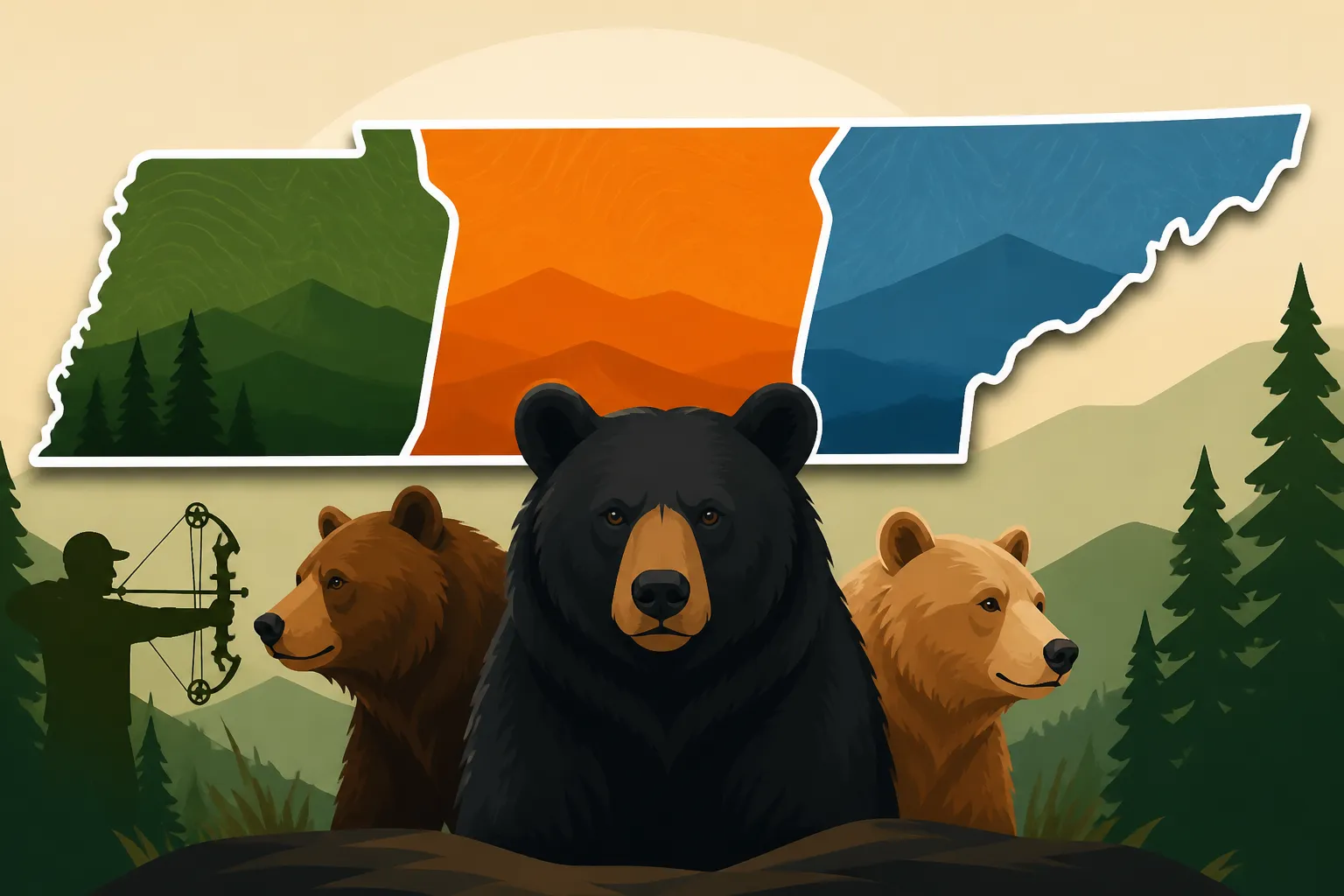
Tennessee’s Three Bear Hunting Zones
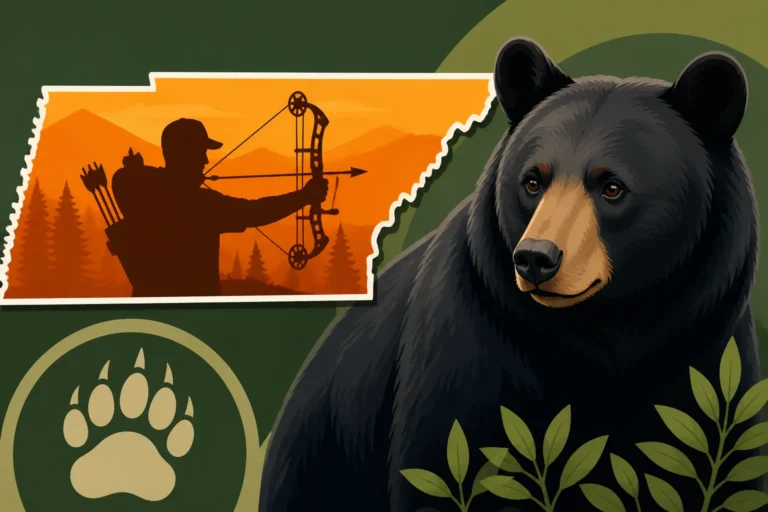
Figuring out exactly where and when you can legally pursue black bear in Tennessee can feel more complicated than finding a Boone and Crockett buck in a clear-cut. With different rules, seasons, and methods varying wildly across the state, it's easy to get turned around. This comprehensive guide is here to untangle the nuances of Tennessee's three distinct bear hunting zones, helping you prepare for a safe and successful hunt.
Understanding Tennessee's Black Bear Comeback and Zones
Tennessee’s black bear population is a true success story, a testament to dedicated conservation efforts over the decades. Once nearly extirpated from much of the state, these magnificent creatures have not only rebounded but are now expanding their range, offering exciting opportunities for hunters. This recovery, however, comes with the need for careful management, which is precisely why the Tennessee Wildlife Resources Agency (TWRA) has implemented a zoned system for bear hunting. It's not a one-size-fits-all approach; instead, it's a dynamic strategy designed to manage populations locally, respond to varying bear densities, and address differing biological and social factors across the state.
The Historical Context of Bear Management
For many years, the presence of black bears in Tennessee was largely limited to the remote, rugged terrain of the Appalachian Mountains, particularly in and around the Great Smoky Mountains National Park and the Cherokee National Forest. Hunting opportunities were scarce and highly regulated, often limited to very short seasons or specific management areas. As the bear population slowly but steadily grew, thanks to protection and habitat improvement, their range began to expand westward from these traditional strongholds. This expansion brought bears into new areas, some more populated, some agricultural, leading to increasing human-bear interactions and, naturally, a demand for more widespread hunting opportunities as a management tool.
This historical journey informs the current zoning system. Each zone reflects a different stage of bear population density, habitat type, and public interaction. Understanding this context helps hunters appreciate why the regulations are structured the way they are and why they can feel so different from one part of the state to another. It’s all about balancing conservation success with effective population control and minimizing conflict. The How Many Black Bears Tennessee Has article provides even more detail on the state's thriving bear numbers and how they've grown over time.
Why Zonal Management Matters for Hunters
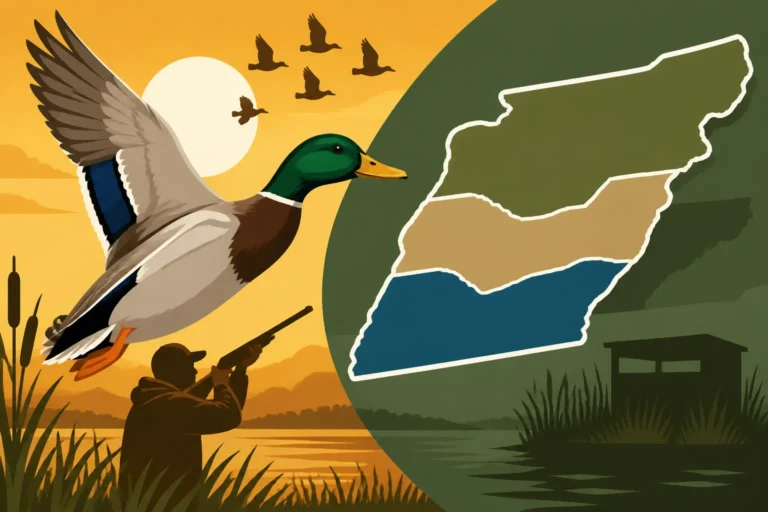
For hunters, understanding these zones isn't just about compliance; it's about strategy. The habitat, bear behavior, and even the hunting culture can differ significantly between Zone One in the northeast, Zone Two bordering the Great Smoky Mountains, and Zone Three in the southern Cherokee. Imagine trying to still-hunt a dense, brushy laurel slick in Zone Two with the same tactics you’d use for a bear foraging on hard mast in an open oak forest in Zone Three – it simply won't work effectively. Each zone presents its own unique set of challenges and opportunities, demanding a tailored approach to scouting, gear, and tactics.
The zones dictate not only where you can hunt but also when and how. This means your bear hunting calendar and preferred method of hunting will largely depend on which zone you choose to focus on. For instance, some zones allow hunting with dogs, while others are strictly still-hunting. The length and timing of archery, muzzleloader, and gun seasons can also vary dramatically. Getting this information straight before you plan your trip is paramount. Using a mapping tool like the GoHunt app can be a game-changer for visually overlaying these zones onto actual terrain, helping you identify potential hunting spots within the correct regulatory framework.
Deep Dive into Bear Zone One: Northeast Tennessee
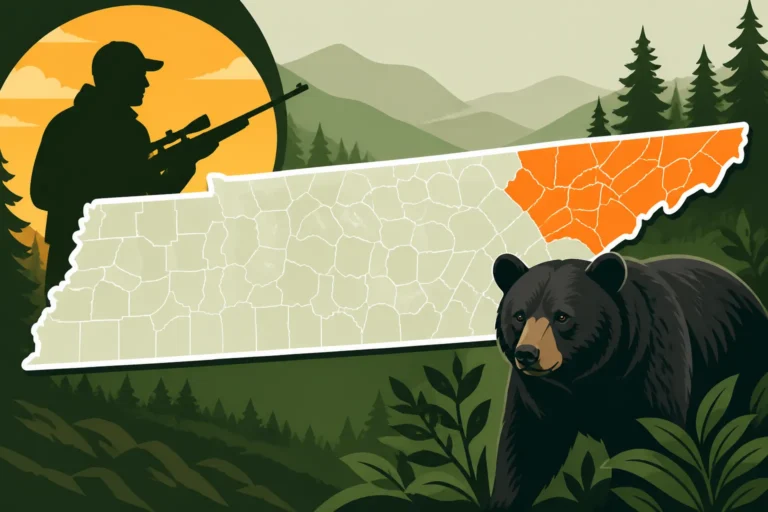
Bear Zone One, often referred to as the Northeast Bear Zone, encompasses a significant portion of Tennessee’s northern Appalachian Mountains, stretching from Greene County all the way up through Johnson and Sullivan counties. This is classic mountain bear country, characterized by vast tracts of national forest and wildlife management areas (WMAs), rugged topography, and a long tradition of bear hunting, particularly with hounds. For many, this zone represents the quintessential Tennessee bear hunting experience, offering expansive public lands and a robust bear population.
Key Characteristics and Season Structure
The counties that typically fall within Bear Zone One include Carter, Cocke, Greene, Hamblen (east of Hwy 160), Hawkins, Johnson, Sullivan, Unicoi, and Washington. It’s a large area, dominated by the Unaka and Roan Mountain ranges, offering varied terrain from steep slopes to deep hollows. The season structure in Zone One is often the most liberal in terms of duration, reflecting a healthy and expansive bear population. Archery seasons usually run for several weeks, followed by muzzleloader and then gun seasons, sometimes including multiple segments.
What truly sets Zone One apart for many hunters is the allowance of hunting with dogs. This traditional method is deeply ingrained in the culture of this region and provides a unique challenge and reward. However, it’s crucial to understand the specific dates for dog hunting versus still-hunting, as these are usually separate. For instance, some periods might be archery-only for still-hunting, while a later period opens up for dog hunters. Always consult the current TWRA regulations for the exact Tennessee Bear Zone One Rules to ensure you're compliant.
Hunting Methods and Specific Challenges
In Bear Zone One, still-hunting and hunting with hounds are the primary methods. Still-hunting here means covering a lot of ground, often targeting mast crops (acorns, beech nuts, wild berries) in the fall, or looking for rubs and scat along ridges and in hollows. The sheer vastness and steepness of the terrain can be daunting. Hunters need to be in excellent physical condition and prepared for long treks far from established roads. Utilizing mapping apps to mark potential bedding areas, food sources, and travel corridors is essential.
For hound hunters, the challenge lies in managing a pack in rugged terrain, tracking bears often for miles, and then safely retrieving the dogs and the bear. This requires specialized gear, well-trained dogs, and a deep understanding of bear behavior. Many areas within Zone One are part of the Cherokee National Forest, which offers extensive public access. However, hunters must also be aware of specific WMA regulations or national forest rules that might supersede general zone rules, such as restrictions on ATVs or designated "bear reserves" where dog hunting might be prohibited or limited during certain times. Finding quality Bear Hunting Gear in Cherokee Forest will be critical for success here, especially if you're navigating the backcountry.
Navigating Bear Zone Two: The Foothills of the Smokies
Bear Zone Two generally encompasses counties that border or are in close proximity to the Great Smoky Mountains National Park, an area renowned for its dense bear population, but also for its significant human-bear interactions. This zone often includes counties like Blount, Sevier, and parts of Monroe, Loudon, and Cocke. The terrain here can be a mix of national forest, smaller private land holdings, and areas heavily influenced by the park's boundary. The regulations in Zone Two are typically designed to manage a very high-density bear population that frequently moves in and out of the protected national park, where hunting is prohibited.
Defining Boundaries and Unique Regulations
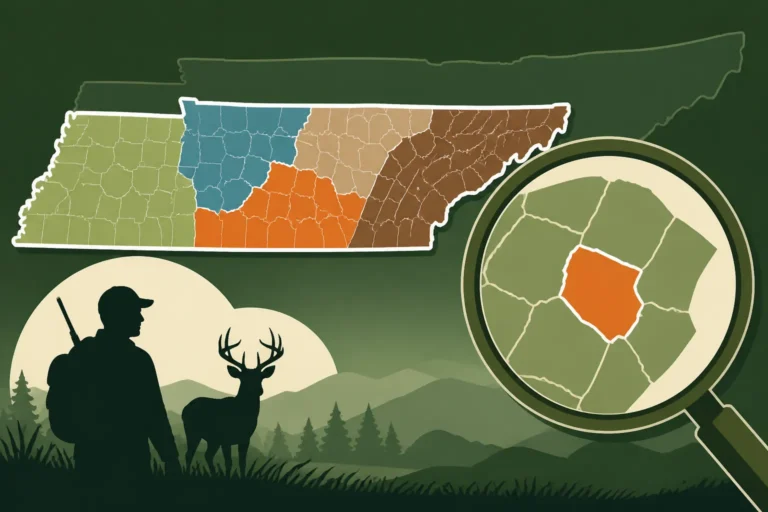
The specific counties and boundary lines for Bear Zone Two are crucial to understand, as straying even a short distance can put you in a different zone or even into the national park, where hunting is strictly forbidden. These boundaries are not always intuitive, sometimes following highways, rivers, or specific topographic features. The TWRA regularly updates these lines, so always refer to the most current hunt guide. The Tennessee Bear Zone Two Rules often reflect the need to manage a population that moves between hunted and unhunted areas.
Season dates in Zone Two might be shorter or have different opening and closing structures compared to Zone One, aiming to control harvest pressure while also considering the proximity to developed areas. Typically, still-hunting is the primary, if not exclusive, method permitted in this zone, with dog hunting often prohibited to reduce conflicts and manage harvest more precisely. This means a different kind of challenge for hunters—one that relies heavily on stealth, patience, and precise shot placement.
Strategies for Hunting Near the National Park
Hunting in Bear Zone Two requires a unique mindset. Bears here are often accustomed to human presence, but they are still wild animals. Many of these bears will spend time foraging within the national park, which acts as a sanctuary, before moving onto adjacent public or private lands. This movement dictates much of the hunting strategy. Hunters should focus on finding travel corridors, food sources (especially mast crops in fall), and bedding areas just outside the park boundaries. Scrutinizing aerial maps and topographic features to identify natural funnels and pinch points where bears might transition is key.
The density of bears can be high, but so can the hunting pressure, especially on public lands like the Cherokee National Forest sections that lie within Zone Two. Finding less-pressured pockets often means hiking further off the beaten path or gaining permission on private lands. Hunters should be prepared for varying terrain, from steep, heavily timbered slopes to gentler, more accessible foothills. Remember that the proximity to towns and residential areas means extra vigilance for safety and landowner relations. If you are hunting on public land, tools like GoHunt can help you identify land ownership boundaries, ensuring you don't accidentally trespass onto private property.
Exploring Bear Zone Three: South Cherokee and the Southeast
Bear Zone Three typically covers the southernmost reaches of Tennessee's Cherokee National Forest, specifically in the Ocoee-Hiwassee Unit. Counties like Polk and Monroe often fall within this zone, characterized by vast expanses of rugged mountain wilderness. While still part of the Appalachian ecosystem, this area has its own distinct habitat features and bear population dynamics, making it a unique hunting proposition. It's often seen as a challenging, remote area, appealing to those who seek a true backcountry experience.
Geographic Scope and Season Framework
The primary counties associated with Bear Zone Three are Polk and parts of Monroe. This region is famous for its whitewater rivers (Ocoee River) and deep, undeveloped forests. The topography is exceptionally steep and challenging, even by Appalachian standards, with dense rhododendron and laurel thickets providing ideal bear cover. The Tennessee Bear Zone Three Rules reflect a management strategy for a robust but potentially more isolated bear population compared to the high-density areas near the Smokies.
Season dates in Zone Three can vary, but generally include archery, muzzleloader, and gun opportunities. Similar to Zone One, traditional dog hunting is often permitted during specific periods, which is a major draw for many. However, it's critical to distinguish between general forest lands and specific bear reserves within Zone Three, such as the South Cherokee Bear Reserve. These reserves have their own, often more restrictive, rules regarding hunting methods and seasons, typically designed to protect critical breeding populations or provide refuges. Always consult the current TWRA guide for these specific boundaries and regulations.
Tactics for Rugged Terrain and Remote Hunting
Hunting in Bear Zone Three is not for the faint of heart. The terrain is brutal, demanding peak physical conditioning and excellent navigational skills. Still-hunting here involves navigating incredibly dense cover, often with limited visibility. Hunters must meticulously scout for bear sign – tracks, scat, claw marks on trees, and disturbed ground where bears have rooted for grubs or tubers. Focusing on riparian corridors, areas with abundant soft and hard mast, and remote clear-cuts can increase your odds.
For hound hunters, the challenges are amplified. Tracking dogs through vertical terrain and thick brush, often miles from the nearest road, requires robust equipment, including GPS collars and two-way radios, and a deep understanding of the local landscape. The remote nature of this zone means that self-sufficiency is paramount. A good mapping system, whether it's a dedicated GPS unit or an app like GoHunt, is non-negotiable for safety and success in these vast, untamed areas. Remember to plan for extended pack-outs, as vehicle access can be severely limited.
Comparing the Zones: Seasons, Methods, and Challenges
Understanding the distinct characteristics of Tennessee's three bear hunting zones is critical for any hunter planning to pursue these magnificent animals. While all zones offer the thrill of the hunt, the specific regulations regarding seasons and permissible methods, combined with the unique terrain and bear behavior, demand different strategies and preparations. Let's break down the key differences to help you decide which zone might be right for your next bear adventure.
A Comparative Look at Seasons and Methods
The most significant differences between the zones often lie in the length and timing of the hunting seasons and whether hunting with dogs is allowed. Zone One and Zone Three typically offer more extensive dog hunting opportunities, reflecting the traditional hunting culture and the vast, rugged public lands in these areas. Zone Two, with its proximity to the Great Smoky Mountains National Park and more human-populated areas, usually restricts hunting to still-hunting methods only.
Here's a simplified overview of how the zones stack up, but always refer to the most current TWRA Hunting and Trapping Guide for precise dates and regulations, as these can change annually.
| Feature / Zone | Bear Zone One (Northeast) | Bear Zone Two (Smokies Foothills) | Bear Zone Three (South Cherokee) |
|---|---|---|---|
| Typical Counties | Carter, Cocke, Greene, Johnson, Sullivan, Unicoi, Washington | Blount, Sevier, parts of Monroe, Loudon, Cocke | Polk, parts of Monroe |
| Season Length | Often longest, multiple segments for archery, muzzleloader, gun | Shorter, often more restricted, especially gun season | Moderate to long, similar to Zone One in some aspects |
| Hunting Methods | Still-hunting, hunting with hounds (designated periods) | Primarily still-hunting only (check for exceptions) | Still-hunting, hunting with hounds (designated periods) |
| Public Land | Extensive Cherokee National Forest, WMAs | Cherokee National Forest, state lands, private land | Vast Cherokee National Forest, incl. South Cherokee Bear Reserve |
| Bear Density | High, widespread | Very high, influenced by GSMNP, frequent human interaction | High, often more remote and concentrated |
| Terrain | Rugged mountains, steep slopes, dense timber | Varied: steep mountains, foothills, some developed areas | Extremely rugged, deep hollows, dense thickets |
Unique Challenges in Each Zone
While bear hunting is inherently challenging regardless of location, each zone presents its own distinct set of hurdles:
- Bear Zone One: The primary challenge here is the sheer size of the territory and the physical demands of navigating remote, mountainous public lands. If hunting with hounds, managing the pack in steep, thick country and dealing with potential long recovery distances for both dogs and bears is a major consideration. Hunters often face significant competition from other hunters, especially on opening days.
- Bear Zone Two: The biggest challenge in Zone Two is undoubtedly the proximity to human population centers and the Great Smoky Mountains National Park. Bears here are often conditioned to human food sources, making their patterns less predictable based solely on natural mast. Avoiding trespass, managing public perception, and dealing with potentially higher non-hunting recreational traffic are significant factors. Still-hunting requires extreme stealth and patience in areas where bears are used to people but not necessarily to being hunted by still-hunters.
- Bear Zone Three: This zone is defined by its extreme ruggedness and remoteness. The physical demands are intense, and navigating the dense laurel and rhododendron thickets can be exhausting and disorienting. Access can be limited, requiring long hikes into true wilderness. Bears may be less accustomed to human scent or sound than in Zone Two, but their home ranges are vast, making them harder to pinpoint. Self-reliance and preparedness for backcountry emergencies are paramount here.
No matter which zone you choose, proper scouting is non-negotiable. Utilizing aerial photography, topographic maps, and even tools like the GoHunt app to mark waypoints, measure distances, and understand terrain features before you ever set foot in the woods will dramatically increase your chances of success.
Essential Bear Hunting Regulations Beyond the Zones
While understanding Tennessee's three bear hunting zones is foundational, successfully and legally harvesting a bear involves adhering to a broader set of regulations that apply statewide or to specific circumstances. These include licensing requirements, harvest reporting, carcass handling, and blaze orange rules, among others. Failing to comply with any of these can result in hefty fines or loss of hunting privileges, so it's vital to be fully informed.
Licensing, Harvest Reporting, and Tagging
First and foremost, to hunt bear in Tennessee, you must possess the appropriate hunting licenses and permits. This typically includes a basic hunting license (resident or non-resident) and a Big Game permit that specifically includes bear. For non-residents, there are various options, including a 7-day or annual non-resident license. You can find more specific details on Tennessee Resident Hunting License Options and Tennessee Nonresident Hunting License Options through the TWRA website or by visiting a licensed vendor.
Once you harvest a bear, the clock starts ticking. Tennessee law requires hunters to report their bear harvest within 48 hours of retrieval. This can usually be done online through the TWRA's Go Outdoors Tennessee portal or by phone. It's crucial to obtain a confirmation number, which acts as your official tag. The Tennessee Bear Checking Requirements are not just bureaucratic hurdles; they are essential for wildlife biologists to gather critical data on population trends, harvest success rates, and bear health, which in turn informs future management decisions. Before reporting, you must ensure you have filled out your physical tag correctly and attached it to the bear.
Carcass Handling and Blaze Orange Requirements
Handling a bear carcass properly is not only a matter of ethics and meat preservation but also often a legal requirement. In Tennessee, there are specific rules regarding the transportation of harvested game. For bears, this usually means ensuring the skull and hide remain attached until checked, or following specific guidelines for quartering in the field. Given that bears are large animals, especially older boars, having a plan for extraction and processing is crucial. Early season hunts in warmer weather demand immediate attention to cooling the carcass to prevent meat spoilage.
Tennessee also has blaze orange requirements for certain hunting seasons and methods. While bear hunting often overlaps with deer season, which mandates blaze orange for gun hunters, it's always best to check the specific requirements for bear season, especially if still-hunting with archery equipment during a period when firearms are also allowed for other species. Generally, a minimum amount of blaze orange (or pink) must be worn on the head and outer torso, visible from 360 degrees. This is a critical safety measure to distinguish hunters from game. For a full breakdown of specific rules, consult the Tennessee Blaze Orange Requirements guidelines.
Preparing for Your Tennessee Bear Hunt
Hunting black bear in Tennessee is an incredibly rewarding experience, but it demands thorough preparation. Beyond understanding the zones and regulations, successful bear hunters spend significant time on physical conditioning, gear selection, and meticulous scouting. Being well-prepared for the unique challenges each zone presents can make the difference between a memorable hunt and a frustrating one.
Physical Conditioning and Gear Selection
Bear hunting in Tennessee, especially in the rugged terrain of Zones One and Three, is a physically demanding endeavor. You'll often be hiking steep grades, navigating dense brush, and potentially dragging or packing out a heavy animal. Starting a fitness regimen months before your hunt, focusing on cardiovascular endurance and leg strength, is highly recommended. The better your physical shape, the further you can go, the more effectively you can hunt, and the safer you'll be.
Your gear needs to be up to the task as well. A reliable rifle in a suitable caliber (.270, .30-06, .308, or larger) with proper ammunition is essential for ethical harvest. Muzzleloaders and vertical bows or crossbows are also viable, depending on the season and zone. Beyond the weapon, consider durable, layered clothing appropriate for unpredictable mountain weather, sturdy hiking boots with good ankle support, and a comfortable pack capable of carrying essentials and potentially game meat. A quality pair of binoculars will aid in scouting distant hillsides and confirming targets. Don't forget a first-aid kit, navigation tools (GPS or mapping app like GoHunt, plus a physical map and compass as backup), a sharp field dressing knife, and a headlamp for early mornings or late evenings. For a more comprehensive look, check out our guide on Bear Hunting Gear in Cherokee Forest.
Scouting and Public Land Access
Scouting is paramount for bear hunting success. Bears are creatures of habit but can be elusive. Prior to the season, spend time in your chosen zone looking for signs of bear activity: tracks, scat, rub trees, overturned rocks or logs, and evidence of foraging. Focus on areas with natural food sources like oak ridges for acorns, berry patches, or areas with wild grapes. Water sources and dense bedding cover (laurel thickets, rhododendron hells) are also key areas to investigate. Using trail cameras in strategic locations can provide valuable intelligence on bear presence and patterns.
Tennessee offers extensive public hunting lands, primarily through the Cherokee National Forest and various Wildlife Management Areas (WMAs). While these areas provide incredible access, they can also experience significant hunting pressure, especially on opening days. Identifying less-pressured areas often means hiking deeper into the backcountry, away from roads and easily accessible trails. For those willing to put in the effort, these remote pockets can hold some incredible opportunities. Always be mindful of public land boundaries, WMA specific regulations, and potential area closures. For specific rules about navigating these areas, consult ATV Rules on Tennessee Forest Roads or our general guide on Public Hunting Land in Tennessee.
Conservation and the Future of Tennessee Bears
Tennessee's black bear population is a conservation success story, but it's an ongoing effort that requires continuous vigilance and responsible management. The zoned hunting system, while complex, is a testament to the TWRA's commitment to maintaining healthy bear numbers across the state while providing hunting opportunities. As hunters, we play a crucial role not only in the sustainable harvest of bears but also in being ambassadors for wildlife conservation.
The Hunter's Role in Bear Conservation
Hunters contribute directly to bear conservation through the purchase of licenses and permits, which fund wildlife research, habitat improvement, and enforcement. Furthermore, the data collected from mandatory harvest reporting is invaluable to biologists who track population trends, health, and age structures. This information helps the TWRA make informed decisions about season lengths, bag limits, and zone boundaries, ensuring that bear populations remain robust for future generations.
Beyond financial contributions and data reporting, ethical hunting practices are fundamental. This includes respecting fair chase principles, striving for clean kills, proper carcass handling, and adherence to all regulations. Hunters are often the first to notice changes in wildlife populations or habitat, making our observations on the ground incredibly valuable. Reporting unusual bear sightings, signs of disease, or any poaching activity helps the TWRA protect this valuable resource.
Challenges and Future Outlook for Tennessee Bears
While the bear population in Tennessee is thriving, there are ongoing challenges. Human-bear conflicts, particularly in areas like Bear Zone Two, are a constant concern as bears expand their range into more populated regions. Habitat fragmentation due to development also poses a long-term threat. Chronic Wasting Disease (CWD), while currently a deer disease, is a reminder of the constant need for vigilance against wildlife diseases that could impact other species.
The future of black bears in Tennessee looks bright, largely due to adaptive management strategies and the dedication of wildlife professionals and hunters alike. As bears continue to expand into Middle and even West Tennessee, new management strategies and potentially new hunting zones or regulations may emerge. Staying informed, participating in public comment periods, and continuing to practice responsible hunting will ensure that the majestic black bear remains a vibrant part of Tennessee's wild heritage for years to come.
Disclaimer
Please remember that hunting regulations are subject to change. While this guide provides comprehensive information, it is your responsibility to consult the most current Tennessee Wildlife Resources Agency (TWRA) Hunting and Trapping Guide or visit the official TWRA website before planning or engaging in any hunting activities. Always prioritize safety and ethical hunting practices.