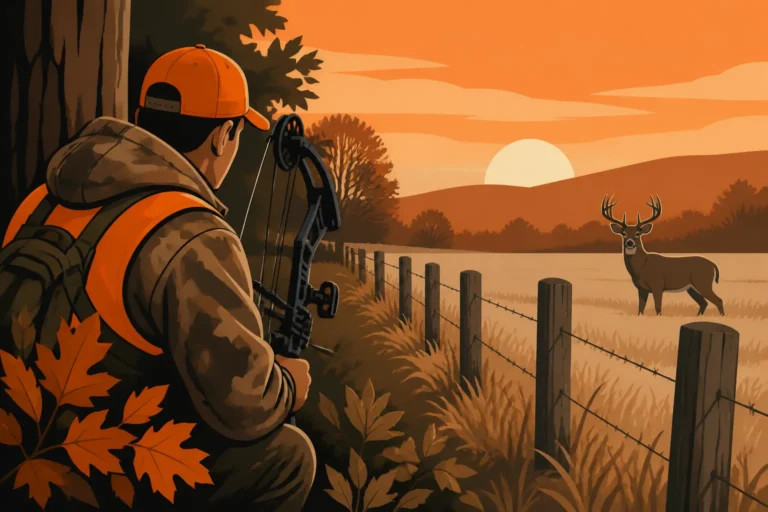
Hunting Pressure on Tennessee Public Land
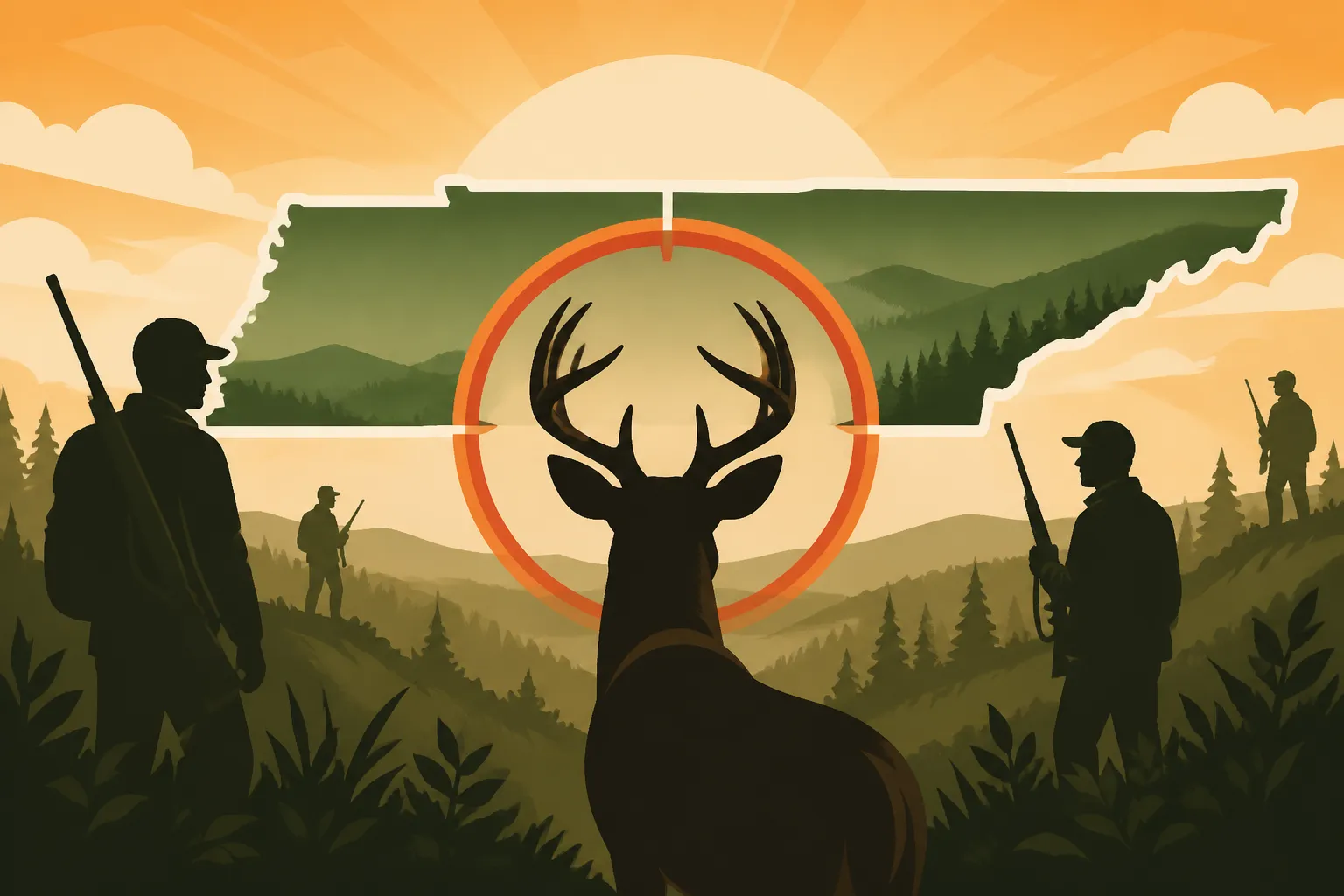
It's no secret that finding peace and solitude, let alone a mature buck, on Tennessee's public hunting lands can feel like a genuine uphill battle. The frustration of arriving at your carefully scouted spot only to find another truck already parked, or worse, walking in on another hunter, is a familiar sting. This guide is here to walk you through understanding hunting pressure and, more importantly, equip you with the strategies to navigate it, ensuring your time afield is both productive and enjoyable.
Understanding the Reality of Public Land Pressure in Tennessee
Why Public Lands See High Traffic
Tennessee is blessed with incredible natural resources, and a passionate hunting community to match. While we have a good amount of public land, it's not boundless, and certain areas naturally draw more attention. Think about the accessibility factor: easy road access, established trails, and well-known food sources often become hotspots. During peak seasons, like the opening weekend of gun season, these areas can feel more like a crowded park than a wilderness. Hunters, myself included, often gravitate towards what seems "easy" or "obvious," and deer, being creatures of habit, also use these same features. This creates a cycle where popular spots get hit hard, and deer learn to adapt, making it tougher for everyone. It's a fundamental challenge when a large number of hunters are pursuing finite game in shared spaces.
Furthermore, the rising popularity of hunting, especially for deer, means more boots on the ground. When folks are looking for opportunities, and private land access is limited or expensive, public land becomes the go-to. This isn't a bad thing in itself; it's a testament to the draw of the wild. However, it means we all need to be smarter, more strategic, and perhaps even more adaptable than ever before. It's not just about the number of hunters, but also their behavior – those who stick to the edges or the first ridge are part of the problem, but also part of the solution if you understand why they do it. The sheer number of hunters utilizing shared spaces like the Tennessee Wildlife Management Areas simply means you've got to work a little harder to find unpressured game.
The Psychological Impact of Crowds
Beyond the physical presence of other hunters, there's a significant psychological effect on both deer and hunters. For deer, constant human intrusion alters their patterns. They become more nocturnal, move into thicker cover, and avoid open areas during daylight hours. A buck that might have moved freely during legal shooting light in an unpressured area will often become a ghost, only venturing out under the cover of darkness or in the thickest, nastiest spots on public land that most hunters avoid. This makes hunting incredibly challenging, as you're no longer just outsmarting a deer's natural instincts, but also its learned evasive behaviors driven by human interaction.
For us hunters, the psychological toll can be equally frustrating. It chips away at our motivation when we keep seeing orange vests, hearing distant shots, or finding fresh boot prints. It can lead to feelings of discouragement, making us question our scouting, our tactics, and even our commitment. You start wondering if it's even worth the effort to Scouting Tennessee Public Land Before Season when it feels like everyone else has already been through your spot. It's easy to get caught in a cycle of negativity, but recognizing this impact is the first step toward overcoming it. It means shifting your mindset from expecting solitude to strategizing around shared space, and understanding that finding success means differentiating yourself from the typical public land hunter.
Strategies for Locating Unpressured Areas
Leveraging Maps and Technology for Scouting
The first step to escaping the crowds is knowing where the crowds are likely to be, and more importantly, where they aren't. This is where modern mapping applications become an invaluable tool. Services like GoHunt, HuntStand, or OnX Hunt provide detailed satellite imagery, topographic maps, and even public land boundaries that can give you a significant edge. When you're Reading Aerial Photos for Cumberland Plateau Deer, look for areas that are difficult to access. This could mean deep ravines, steep ridge lines, dense thickets, or areas far from established roads and parking. If you see a parking lot, draw a mental circle around it; that's your high-pressure zone.
Beyond just identifying remote pockets, use these tools to plan your entry and exit routes. Can you cross a creek that most hunters wouldn't bother with? Is there a subtle saddle or bench on a ridge that requires a difficult climb, but might offer a sanctuary? Look for pinch points or funnels that are a long way from any easy access. I've spent countless hours digitally scouting the vast expanses of the Cherokee National Forest, identifying potential overlooked spots before I ever set foot in them. A good GoHunt subscription is worth its weight in gold for this kind of reconnaissance. The more difficult an area looks on a map, the higher the probability it sees less human activity, and the higher the chance you'll be Finding Ground Others Walk Past.
The Importance of Physical Effort and Distance
This might sound obvious, but it's perhaps the most crucial strategy for finding unpressured deer: walk farther than everyone else. Most hunters, especially on public land, don't venture more than a quarter to half-mile from their vehicle or a main trail. That's a hard truth, but it's also your biggest opportunity. Deer, particularly mature bucks, will gravitate towards areas of less human disturbance. If you're willing to put in the effort, you can find them. This might mean an extra mile or two hike into a remote hollow or up a steep ridge, but the reward of finding a relatively untouched sanctuary can be immense.
Don't be afraid to How Far to Walk From a Forest Road. Those "ugly" looking sections of timber, the thick briar patches, or the swamps that seem impenetrable on a map are often exactly where pressured deer will hide. When scouting, look for tracks and sign in these difficult-to-reach places. If you're finding fresh rubs and scrapes a mile deep in, odds are you're onto something good. This strategy isn't just about physical endurance; it's about mental toughness and the willingness to push beyond the comfortable limits of other hunters. Remember, deer are creatures of efficiency; they'll take the path of least resistance unless that path leads to consistent human encounters. They'll then take the path of most resistance to avoid you, which usually means heading to the deepest, thickest parts of the Cherokee National Forest Hunting or other public areas.
Adapting Hunting Tactics to Pressured Environments
Timing Your Hunts to Avoid Crowds
One of the most effective ways to mitigate hunting pressure is to simply not be there when everyone else is. This means adjusting your hunting schedule. The weekends, especially opening weekends of any season, are almost guaranteed to be crowded. If you have the flexibility, try to hunt weekdays. Early mornings, before other hunters have made their way in, and late evenings, as others are heading out, can also be prime times. Deer are often most active during these low-light periods, and you might catch them moving just as the pressure from other hunters is at its lowest or highest ebb, or as they move during Tennessee Public Land Hunting Hours.
Consider hunting during less popular times of the season as well. While Hunting the Tennessee Rut in Early November is famous, the late season can be incredibly productive, especially after some initial pressure has pushed deer into predictable patterns around dwindling food sources. You'll find fewer hunters out in the biting cold of January, but deer still need to eat. Understanding Hunting the Late-Season January Lull can give you a distinct advantage. Also, don't overlook bad weather days. A drizzling rain, light snow, or even just a very cold day can keep fair-weather hunters at home, leaving the woods more open for those willing to brave the elements and find success.
Utilizing Overlooked Habitat Features
Pressured deer become masters of using overlooked or difficult terrain to their advantage. They will often bed in the thickest, nastiest cover available, even if it's not far from human activity, simply because most hunters won't push into it. This could be a dense clear-cut, a thorny briar patch, a steep laurel thicket, or a small island of cover surrounded by open timber. Instead of hunting the open, easy woods, focus your efforts on these less inviting areas. Look for subtle travel corridors on the edges of these sanctuaries or pinch points where deer are funneled as they transition between bedding and feeding areas.
Another overlooked feature is water. Creeks, swamps, and even small drainage ditches can act as natural barriers, creating areas that see less pressure. Deer will often use creek bottoms as travel routes, especially when the uplands are being heavily disturbed. Similarly, small, isolated patches of cover, like a stand of pines in a hardwood forest or a small brushy draw that cuts through a field, might seem insignificant but can be high-traffic areas for deer trying to stay hidden. My GoHunt mapping application often helps me identify these subtle shifts in habitat, like a small, isolated thicket that's only a few acres but becomes a deer magnet because it's too much trouble for most hunters to navigate.
Silent Movement and Stand Placement
In pressured environments, every sound you make carries, and every mistake is amplified. Moving silently through the woods is paramount. This means slow, deliberate steps, wearing quiet clothing (wool or fleece is often better than noisy synthetics), and avoiding any metallic clinks or unnecessary noise. Think about your entry and exit routes – can you use natural depressions, creek beds, or even a noisy logging road to mask your approach? The goal is to be a ghost, leaving no trace of your presence until it's too late for the deer.
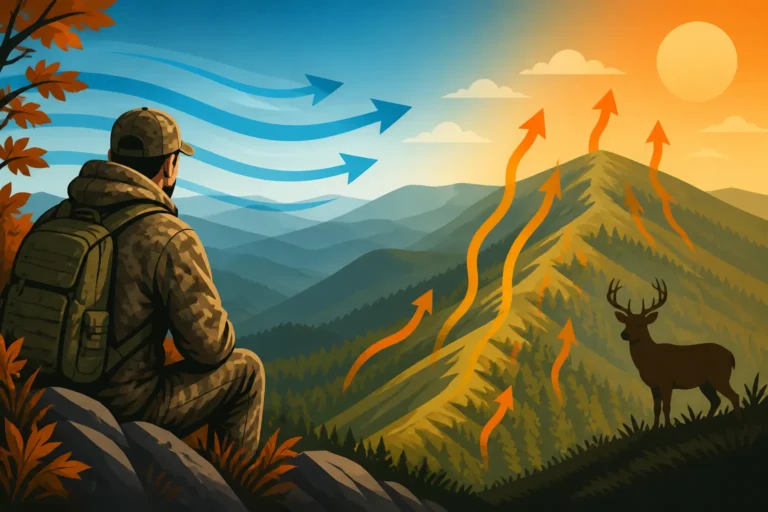
Stand placement also needs to be strategic. Instead of setting up on obvious trails, try to intercept deer further back in the cover, closer to their bedding areas, as they slowly filter out towards feeding. Consider Treestand Setups in Cherokee National Forest or Using a Ground Blind on Tennessee Public Land that allow you to blend seamlessly into the environment. Pay meticulous attention to the wind and thermals, especially in mountainous or hilly terrain. Deer will use these to their advantage, circling downwind of perceived danger. Your setup must account for the primary wind direction, but also how thermals might shift throughout the day, particularly during those crucial morning and evening hours when deer are moving. A good understanding of Wind and Thermals on a Ridge System is critical to ensuring your scent doesn't betray you.
Minimizing Your Own Impact and Maximizing Success
Ethical Considerations in Shared Spaces
Hunting on public land comes with a unique set of responsibilities. We all share these precious resources, and our actions directly impact the experience of others, as well as the behavior of the game we pursue. One of the biggest mistakes hunters make is blowing out an area by being too aggressive, too noisy, or simply not respecting the space of others. If you see another hunter, acknowledge them with a friendly wave or nod, and then try to give them as wide a berth as possible. Sometimes, even if you had a spot picked out, it's better to quietly adjust your plans and move to an alternate location rather than crowd someone or inadvertently push deer into them, or worse, out of the area entirely.
Always adhere strictly to blaze orange requirements, which typically involve wearing 500 square inches of solid, unbroken blaze orange or pink during gun seasons, to ensure safety. Also, be mindful of your scent. Pressured deer are incredibly sensitive to human odor. Use scent control measures diligently, including showering with scent-free soap, using carbon clothing or scent sprays, and storing your hunting clothes away from household odors. Even a hint of human scent can send a pressured buck into high alert and make him completely nocturnal. The goal is to leave as little sign of your passing as possible, for both the deer and the next hunter. This consideration helps maintain the quality of hunting for everyone in public lands like the North Cumberland Wildlife Management Area.
Post-Hunt Analysis for Future Success
Every hunt, successful or not, is a learning opportunity, especially on pressured public land. After each outing, take the time to analyze what you saw, what you heard, and what you didn't see. Did you find fresh sign in a new area? Did deer react negatively to your presence? Did you notice other hunters pushing deer in a certain direction? Use your mapping app, like GoHunt, to mark down observations: bedding areas, travel corridors, fresh sign, and even where you encountered other hunters. This data is invaluable for building a mental map of deer movement and hunter patterns in that specific public area.
Think about how you can refine your approach for next time. Perhaps you need to walk another half-mile, change your entry route, or adjust your stand location slightly to account for prevailing wind patterns or a newly discovered bedding area. This continuous learning and adaptation are what separate consistently successful public land hunters from those who constantly struggle. By being methodical in your post-hunt analysis and willing to change your strategy, you'll slowly but surely unlock the secrets to Hunting Where the Antlerless Limit Drops to Two or even targeting a trophy buck in even the most pressured landscapes.
| Public Land Scenario | Typical Pressure Level | Hunter Behavior & Deer Reaction | Recommended Tactic |
|---|---|---|---|
| Opening Weekend / Accessible Areas | Very High | Many hunters, deer go nocturnal, seek thick cover immediately. | Hunt deep, far from access, or focus on fringes of thickest cover. |
| Mid-Week / Mid-Season | Moderate | Fewer hunters, deer may resume limited daylight movement, still cautious. | Target overlooked pockets, transition zones; hunt midday. |
| Late Season (Jan) / Bad Weather | Low | Very few hunters, deer driven by food. | Focus on key food sources, brave the weather, hunt all day. |
| Remote, Steep Terrain | Low to Very Low | Few hunters, deer follow natural instincts, can be found bedding high. | Hike farther, use topo maps, hunt subtle benches and saddles. |
| Deep Bottomlands / Swamps | Moderate to Low | Hunters avoid wet/thick areas; deer use them as refuge. | Don't shy from the wet; look for travel lanes through dense cover. |
Disclaimer
Hunting is an inherently dangerous activity. Always prioritize safety, adhere to all Tennessee Wildlife Resources Agency (TWRA) regulations, and obtain proper licenses and permits before heading afield. The information provided in this guide is for informational purposes only and should not replace proper training or official guidelines. Always confirm current regulations with the TWRA.