Why Only Nineteen Elk Permits Are Issued
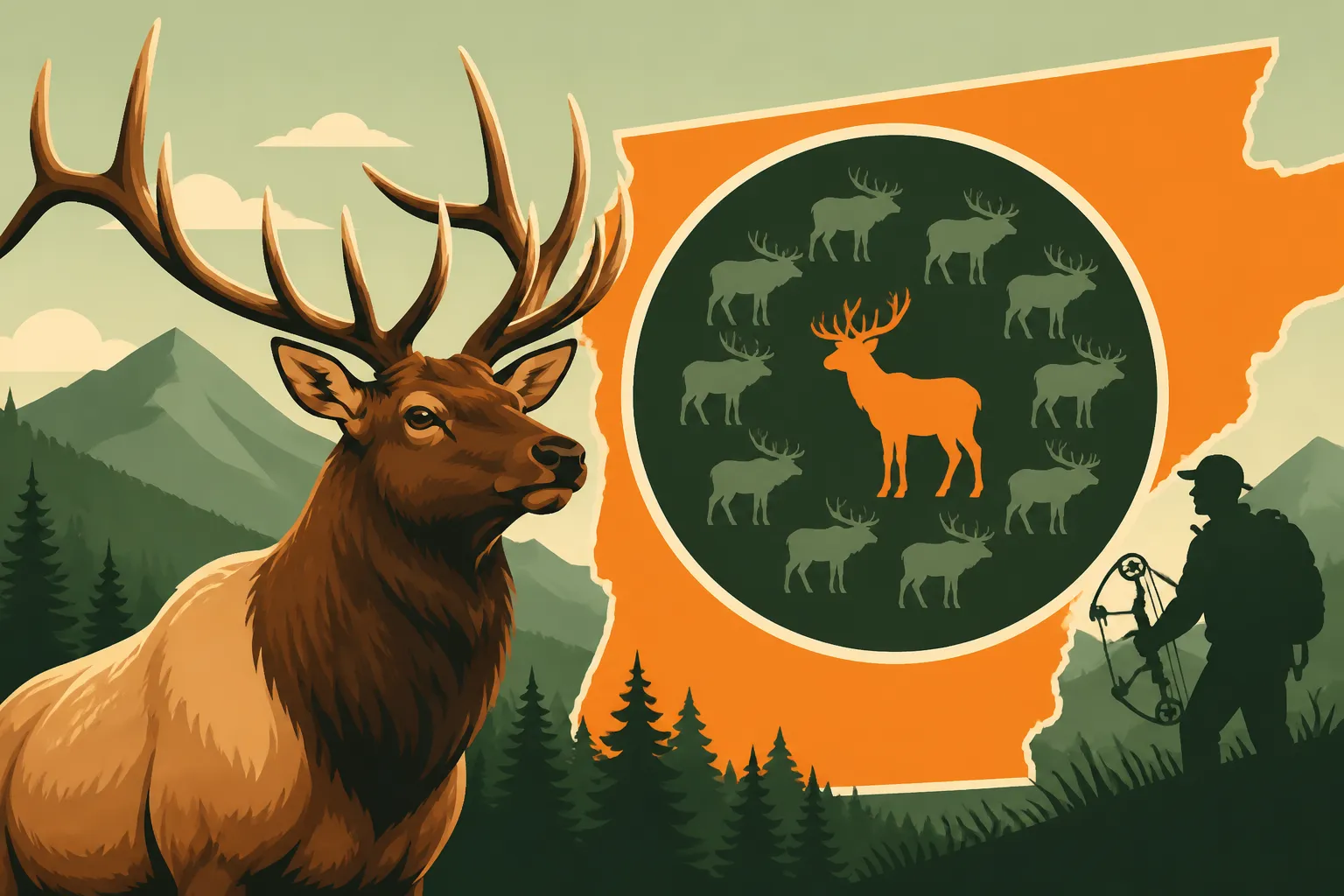
For many Tennessee hunters, the dream of pursuing an elk in their home state feels almost mythical. With only nineteen coveted permits issued each year, the chances seem incredibly slim, leading to understandable frustration and curiosity about such a restrictive system. This comprehensive guide will pull back the curtain on the Tennessee Wildlife Resources Agency's (TWRA) rationale, diving deep into the history, management goals, and the intricate process behind why only nineteen elk permits are issued for the North Cumberland Elk Restoration Zone.
The Rebirth of Elk in Tennessee: A History of Restoration
The story of elk in Tennessee is a remarkable one, a testament to dedicated conservation efforts after these majestic animals vanished from the landscape centuries ago. Understanding the journey of their return is crucial to grasping why their hunting opportunities remain so tightly managed today.
From Extinction to Reintroduction
Elk once roamed freely across Tennessee, a vital part of the state's natural heritage, but by the mid-19th century, unregulated hunting and widespread habitat loss led to their complete extirpation from the region. It wasn't until the early 2000s that the dream of bringing elk back began to materialize, spearheaded by the TWRA and various conservation partners. Through careful planning and significant investment, a core group of elk, primarily from Canada, was reintroduced into the North Cumberland Wildlife Management Area. This initial reintroduction was a monumental undertaking, aimed at establishing a self-sustaining population that could thrive once more in their ancestral lands.
These initial animals, totaling about 200, were released into the rugged terrain of Campbell, Claiborne, Scott, Morgan, and Anderson counties, areas that offered suitable habitat and limited human encroachment. The early years were critical, focusing entirely on monitoring herd health, tracking dispersal, and ensuring the animals could adapt. The success of this reintroduction laid the groundwork for future management strategies, but it also instilled a deep understanding of how fragile a newly established herd can be. This cautious approach taken during those foundational years continues to profoundly influence current permit numbers, prioritizing the long-term success of How North Cumberland Elk Were Reintroduced.
Building a Sustainable Population
The primary goal post-reintroduction wasn't just to see elk in Tennessee again, but to cultivate a robust, healthy, and self-sustaining herd that could eventually support limited hunting. This meant careful attention to population growth, calf recruitment, and overall herd health. The TWRA set conservative population objectives, aiming for a steady, controlled increase rather than rapid expansion that might outstrip habitat capacity or lead to human-wildlife conflicts. Achieving these goals requires allowing the herd to mature and expand naturally, which inevitably means limiting external pressures like hunting in these early stages.
Part of this sustainability also involves actively managing potential disease risks and ensuring genetic diversity within the herd. Every decision regarding population management, including the number of hunting permits issued, directly ties back to this core objective of long-term health and growth for Tennessee's Restored Elk Herd. It’s a delicate dance between letting nature take its course and strategically intervening to support the herd's success, making every single permit a carefully considered variable in a much larger ecological equation focused on building a resilient population.
The Science of Scarcity: TWRA's Management Philosophy
The Tennessee Wildlife Resources Agency (TWRA) operates with a clear, science-backed philosophy when it comes to managing the elk herd. This isn't about making hunting difficult for the sake of it; it's about safeguarding a precious, restored resource and ensuring its future. The limited number of permits issued is a direct reflection of these core management principles.
Conservative Population Targets
The TWRA has established specific population targets for the elk herd within the North Cumberland Elk Restoration Zone. These targets are not arbitrary; they are based on extensive biological research, habitat assessments, and a desire to maintain ecological balance. Currently, the herd is estimated to be around 400-500 animals, and the long-term goal is a slow, controlled growth to a manageable size that the available habitat can comfortably support without negative impacts on other wildlife or local communities. Issuing too many permits too early could easily derail years of dedicated conservation work, potentially pushing the herd back to precarious numbers or even threatening its long-term viability.
Imagine a small, rare garden you've nurtured from a few precious seeds; you wouldn't harvest all the produce in the very first year if your goal was to have a flourishing garden for decades to come. The same principle applies here. Each permit represents a potential impact on the breeding population, and given the relatively small size of the herd, every animal is incredibly valuable to the overall genetic health and growth. This conservative approach is fundamental to ensuring that future generations of Tennesseans can experience the thrill of elk in the wild and that the Tennessee Elk Herd Size Today continues its positive trend.
Habitat Capacity and Elk Distribution
Another critical factor in the TWRA's management philosophy is the carrying capacity of the habitat. The North Cumberland region, while wild and expansive, has a finite amount of prime elk habitat. This includes suitable forage, reliable water sources, and essential cover. Overpopulating an area with elk can lead to overgrazing, habitat degradation, and increased conflict with agricultural interests or even dangerous vehicle collisions. The TWRA carefully monitors habitat conditions and elk distribution to ensure the herd doesn't outgrow its welcome or negatively impact the broader ecosystem. This also directly influences how elk spread and thrive across Tennessee's Ten Elk Hunt Zones.
The current permit numbers are intentionally low to allow for continued herd expansion into new areas within the zone, helping to distribute the animals more evenly and utilize available resources efficiently. It's a proactive measure to prevent future problems rather than having to react to an ecological imbalance. By keeping the herd within healthy carrying capacity, the TWRA ensures the animals remain robust and the habitat pristine. Hunters wanting to understand these dynamics often use mapping tools like GoHunt to scout and analyze habitat types before even considering applying for these limited tags, giving them a deeper appreciation for the complex ecosystem.
Balancing Opportunity with Conservation
The tension between providing meaningful hunting opportunities and ensuring robust conservation is a constant challenge for wildlife agencies. For Tennessee elk, conservation undeniably takes precedence. The decision to issue only nineteen permits reflects a deep commitment to the long-term health and growth of the herd above all else. These permits are not designed to satisfy a widespread demand for elk hunting, but rather to allow for a highly controlled harvest that provides valuable biological data, supports management objectives, and offers an extremely high-quality, once-in-a-lifetime hunting experience for a fortunate few.
The concept of a "trophy" animal or a prime hunting experience often comes with scarcity. The low number of permits ensures that successful hunters contribute to the management effort while also respecting the immense investment and delicate balance required to maintain this restored population. This approach allows the TWRA to gather crucial information on herd demographics, health, and genetics from harvested animals, all while minimizing impact on overall population numbers.
The Exclusive Draw: Understanding the Permit Allocation
The process of obtaining one of Tennessee's coveted elk permits is highly competitive and built around a lottery system, designed to be as fair as possible given the extreme scarcity. This section dives into the mechanics of how these few permits are distributed.
The Application and Drawing System
Each year, hopeful hunters eagerly await the Tennessee Elk Application Window Dates. The application period is typically in the spring, and hunters apply through the TWRA's Go Outdoors Tennessee portal. This online system is the sole gateway for anyone dreaming of a Tennessee elk hunt. It's not just about applying; understanding the intricacies of the Tennessee Elk Preference Point System is crucial for anyone serious about drawing a tag. For every year an applicant is unsuccessful, they accumulate a preference point, which incrementally increases their statistical odds in subsequent drawings, thereby rewarding persistence.
The drawing itself remains a random lottery, but those preference points significantly improve an applicant's mathematical chances over time. It’s a transparent system, designed to give everyone a fair shot, but realistically, given the numbers, the odds are long. Many hunters meticulously track their application status and research draw odds, sometimes leveraging resources like GoHunt to analyze past drawing data for different states and species, even though Tennessee's numbers are uniquely low. The limited number means that even with maximum preference points, a draw is never guaranteed, adding to the almost mythical status of a Tennessee elk tag.
Hunt Zones and Specific Permit Types
While there are only nineteen permits overall, they are typically divided among specific hunt zones and permit types within the North Cumberland WMA. The TWRA designates these zones to help manage hunting pressure and achieve specific harvest objectives in different areas of the restoration zone. For instance, there might be permits allocated for the general firearms season, with specific Tennessee General Firearms Elk Season Dates, or specialized Tennessee Archery-Only Elk Season Dates, and often a permit reserved for youth hunters. These allocations are based on biological data, herd observations, and an effort to distribute hunting opportunities across different methods and demographics while staying true to the overall Tennessee Elk Quota Hunt Rules.
The nineteen permits usually break down into categories such as:
- General Hunter Permits: The majority of permits, typically allocated through the preference point lottery system.
- Youth Permits: A special permit dedicated to youth hunters, fostering the next generation of conservationists and ensuring they have a chance at this unique experience.
- Landowner Permits: A permit set aside for landowners within the restoration zone, acknowledging their crucial role in habitat stewardship and the presence of elk on their property.
This nuanced breakdown ensures a multifaceted approach to permit distribution, addressing various stakeholder interests while still maintaining strict control over the total harvest. Each permit comes with specific regulations, including which of the designated Tennessee's Ten Elk Hunt Zones it's valid for, further refining the management strategy.
The Rationale Behind the Number Nineteen
So, why exactly nineteen? It’s not a round number, and it often raises eyebrows, leading people to wonder if there's a hidden meaning. The specific number of permits issued each year is a direct result of the TWRA's biological assessments and population models. It's a highly calculated decision based on a multi-factor analysis:
| Factor | Rationale for Limited Permits |
|---|---|
| Herd Size & Growth | Current population (approx. 400-500) requires minimal harvest to ensure continued growth and genetic health. |
| Bull-to-Cow Ratio | Maintaining a healthy ratio is vital for breeding. Permits are often weighted towards bulls to protect the breeding core. |
| Hunter Success Rates | Low permit numbers contribute to high success rates, reflecting the quality and rarity of the hunt experience. |
| Biological Data | Each harvested elk provides invaluable data (age, health, genetics) for future management, with 19 offering a sufficient sample size. |
| Habitat Impact | Limits prevent overgrazing and maintain ecological balance within the North Cumberland Elk Restoration Zone. |
The number isn't static but is reviewed annually by biologists. If the herd continues to grow and thrive consistently, that number could slowly increase in the future, but only if the comprehensive biological data definitively supports it. It's a living, breathing management plan, constantly adjusted based on the health, trajectory, and overall success of this magnificent restored population.
The Weight of a Tag: Impact and Future Outlook
The extreme rarity of a Tennessee elk permit bestows upon it a unique significance, shaping everything from hunter expectations to the very future of elk hunting in the state. Understanding this impact helps appreciate the TWRA's cautious yet successful approach.
The Prestige and Responsibility of a Tennessee Elk Tag
Drawing one of the nineteen Tennessee elk permits is, for many, the pinnacle of their hunting career. It’s an incredibly rare privilege, transforming from a distant dream into a tangible reality. This scarcity imbues the tag with immense prestige, but also significant responsibility. Hunters who successfully draw a tag are often deeply invested, not just financially, but emotionally, in the preparation for their hunt. They scout meticulously, often using tools like GoHunt to pore over topographic maps and satellite imagery of the North Cumberland Wildlife Management Area to plan their approach. They know they are participating in a unique event, contributing to the ongoing story of elk restoration.
This responsibility extends beyond the hunt itself. Each successful hunter becomes an ambassador for the program, demonstrating ethical hunting practices and contributing valuable data through harvest reporting. The high-quality experience associated with these limited tags also helps to foster continued public support for elk restoration and management, showcasing the benefits of controlled hunting in a conservation context. It's not just a hunt; it's a profound connection to a thriving wilderness success story, offering a truly unique experience that few others in the country get to participate in. For those who don't draw, opportunities like Elk Viewing in the North Cumberland Zone still offer a chance to connect with these magnificent animals.
What the Future Holds for Tennessee Elk Hunting
The future of elk hunting in Tennessee, while still limited, holds the potential for gradual expansion. The TWRA's primary objective remains the long-term health and sustainable growth of the herd. As the population continues to expand and solidify its presence across the restoration zone, and as more of Tennessee's Ten Elk Hunt Zones become more fully utilized by the growing herd, there may be opportunities to slowly increase the number of permits issued. However, this will always be a measured, data-driven process, never a rapid or unchecked expansion. The agency will continue to monitor the Tennessee Elk Herd Size Today, habitat conditions, and human-wildlife interactions closely to ensure any changes are ecologically sound.
There’s also an ongoing effort to manage the natural expansion of the herd into suitable unoccupied habitats. This natural dispersal, coupled with sound management, could eventually lead to even more localized hunting opportunities or specialized permits down the line, potentially even expanding beyond the immediate restoration zone if conditions permit. For now, the focus remains squarely on nurturing this precious resource. Hunters should continue to apply, build their preference points, and stay informed about TWRA updates, because while the odds are long, the reward of a Tennessee elk hunt is truly unparalleled, a direct result of this carefully crafted scarcity.
Disclaimer
Hunting regulations and wildlife management plans are subject to change. Always consult the latest Tennessee Wildlife Resources Agency (TWRA) regulations and official publications before planning any hunting activity. This content is for informational purposes only and should not be considered legal advice.