Hunting Bear Zone Three on South Cherokee
Hunting black bears in Tennessee's South Cherokee National Forest, specifically Bear Zone Three, isn't just a walk in the woods; it's a test of grit, preparation, and sheer determination. The rugged, unforgiving terrain and the elusive nature of these incredible animals can make you feel like you're constantly fighting an uphill battle, both literally and figuratively. This guide is here to unravel the complexities of hunting this challenging zone, offering practical insights and strategies to help you navigate its unique demands and hopefully, bring home a bear.
Understanding Bear Zone Three: A Realm of Steep Challenges
Bear Zone Three, often simply referred to as the South Cherokee Bear Zone, is a beast of its own. It’s not your typical flatland deer hunt, nor is it even comparable to some of the milder parts of the Cherokee National Forest. This area is characterized by immense elevation changes, dense timber, and a genuine wildness that demands respect. If you’re heading here, know that you’re stepping into an arena where the bears have a significant home-field advantage, making it one of Tennessee's Three Bear Hunting Zones that truly tests your mettle.
Geographical Specifics and Boundaries
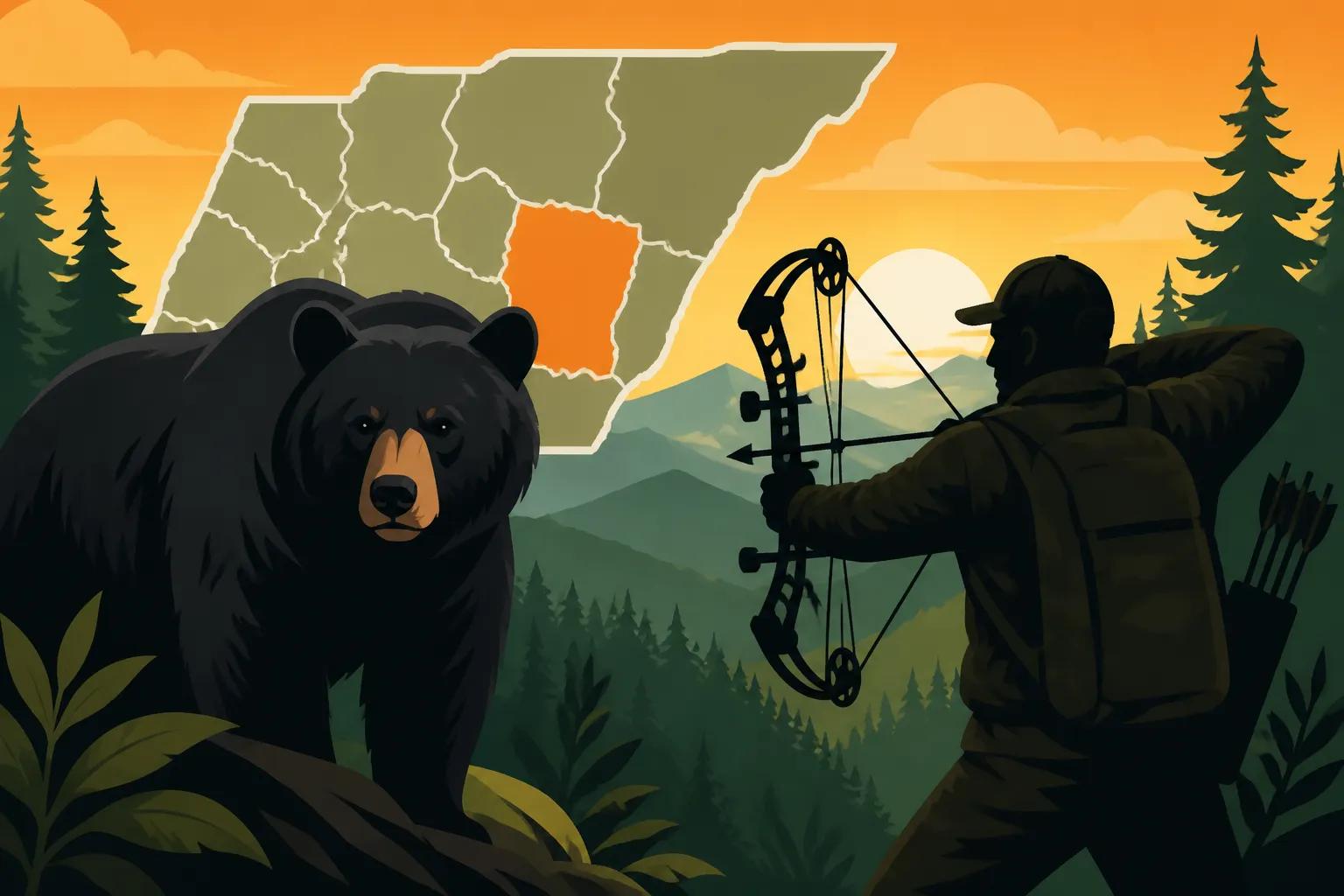
The South Cherokee Bear Zone primarily encompasses parts of Monroe, Polk, and McMinn counties, stretching across the southern reaches of the Cherokee National Forest. We're talking about serious mountains here—the southern Appalachian front range, with its deep hollows, endless ridges, and thick, often impenetrable rhododendron thickets. Unlike some other zones, this area doesn't have the same level of accessibility; many roads are gravel, and you'll often find yourself parking on the side of a forest service road, facing a daunting climb just to get to where the bears might be. The topography is brutal, with sheer rock faces, tangled downed timber, and creek bottoms that can turn into raging torrents after a heavy rain.
Navigating this complex landscape requires more than just a passing glance at a map. Understanding the precise boundaries is critical, and tools like the GoHunt app can be invaluable for pinpointing exactly where you are and ensuring you're within the legal hunting zone. These apps, with their satellite imagery and topographic overlays, can highlight the subtle changes in elevation and vegetation that might indicate a bear travel corridor or a secluded feeding area. You certainly don't want to accidentally step into a no-hunt zone or private land after a long, grueling hike, especially with a bear on the ground.
These mountains are also home to some of the oldest forests in Tennessee, meaning the timber can be dense and mature, creating a canopy that shades out much of the undergrowth in places, only to give way to impenetrable rhododendron hells in others. This mosaic of habitats means bears can disappear quickly and quietly, making visual tracking exceptionally tough. You'll need to develop an eye for subtle changes in terrain and cover that might offer a momentary advantage in sight or sound.
Season Dates and Regulations
The season dates and specific regulations for Tennessee Bear Zone Three Rules can vary slightly year to year, so always, always consult the latest Tennessee Wildlife Resources Agency (TWRA) hunting guide well in advance of your trip. Generally, this zone has unique rules, often centered around specific opening and closing dates for both still-hunting and hunting with hounds. For instance, there might be periods designated for archery-only, rifle seasons that follow, and even specific windows for dog hunting. It's not uncommon for these seasons to be shorter or have more restrictive bag limits compared to other areas, reflecting the TWRA's careful management of this significant bear population.
The bag limit is typically one bear per calendar year, and bears must be checked with the TWRA promptly after harvest. This isn't a "fill multiple tags" kind of hunt; it's a dedicated pursuit for a single, hard-earned animal, often the culmination of years of effort. Be aware of any special permits or draw requirements, as some specific areas or hunts within the zone might have additional application processes. You absolutely need to have all your licenses and permits in order before you even step foot in the woods, or you risk losing your harvest and facing penalties.
Furthermore, there are specific requirements for blaze orange during certain phases of the season, even if you’re still-hunting, so double-check those details before you head out. These safety regulations are in place for a reason, especially on public land that might see significant hunter traffic during peak periods. Knowing when and where blaze orange is mandatory, and adhering to those rules, is a fundamental part of responsible and safe bear hunting in South Cherokee. It's a small detail that can have a huge impact on your safety and the safety of others.
Understanding Bear Behavior in This Zone
Bears in South Cherokee are true mountain dwellers. They're accustomed to steep climbs, dense cover, and often, significant human pressure. Unlike bears in more agricultural areas that might feed heavily on crops, these bears rely heavily on natural mast – acorns, berries, and other forest fruits. Their movements are often dictated by food availability and the need for security cover. During the early season, they might be found higher on the ridges, feasting on ripening berries or early mast. These higher elevations provide both sustenance and a natural barrier from human activity below.
As fall progresses and acorns drop, they’ll shift their patterns, often favoring oak flats or areas with heavy acorn production. This seasonal migration to different food sources is a critical piece of the puzzle. A bear that was high on a ridge in September might be deep in a valley by October, following the food. Understanding these seasonal shifts is paramount. You need to be where the current food source is, or you'll be wasting precious hunting time in empty woods.
A good scouting trip, preferably before the season opens, using resources like the Scouting Tennessee Public Land Before Season guide, can give you a crucial edge, helping you locate recent sign, such as scat, claw marks on trees, or overturned rocks. Modern e-scouting tools, including those available through the GoHunt platform, can augment your physical scouting by allowing you to identify potential mast areas, dense cover, and travel corridors from the comfort of your home, saving you countless hours of hiking in rough terrain. Look for areas where different mast-producing trees converge, or where dense bedding cover is close to a food source, as these are often prime spots for bears.
Effective Tactics for South Cherokee Bears: Outsmarting Mountain Monarchs
Hunting bears in this rugged country requires a blend of physical stamina, mental fortitude, and adaptable hunting strategies. You can't just sit in a stand over a feeder; this is a true hunt, demanding you go to the bear. Success often hinges on your ability to read the landscape, understand bear patterns, and adapt on the fly.
Still Hunting and Spot-and-Stalk Approaches
For the hunter who prefers a quieter, more solitary pursuit, Spot-and-Stalk Tactics for Cherokee Forest Bears and still-hunting are your primary methods in South Cherokee. Still-hunting involves moving slowly and deliberately through the woods, pausing frequently to observe, listen, and scan. This is incredibly challenging in the dense rhododendron thickets and steep terrain, where visibility can be limited to just a few yards. Every rustle of leaves, every snapped twig, can be the sound of a bear or just a squirrel, demanding extreme patience and careful discrimination. Focus on areas with good mast crops, creek bottoms, and saddles between ridges. Look for fresh sign – tracks in soft soil, fresh scat, or overturned rocks indicating a bear has been foraging.
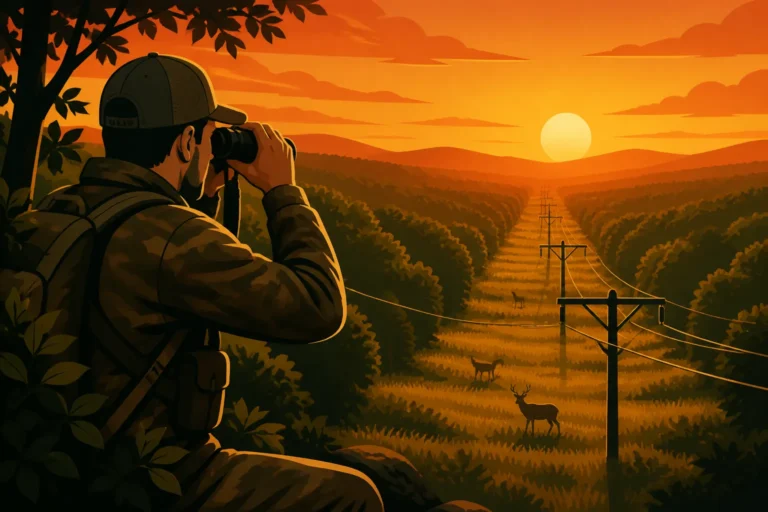
Spot-and-stalk can be effective in more open timber or powerline cuts, but truly open areas are rare here. It requires getting to a high vantage point at first light or last light, glassing distant slopes and clear-cuts with good binoculars or a spotting scope. If you spot a bear, the real work begins: planning an approach that accounts for wind, terrain, and the bear's likely escape routes. This often means moving down into a hollow, crossing a creek, and climbing another steep slope, all while trying to stay undetected. It's physically demanding, and you need to be realistic about closing the distance in such formidable terrain. One wrong move, one gust of wind, and the bear is gone, often melting into the thick cover as if it were never there.
The ability to read the wind and thermals, especially in mountainous country, is non-negotiable for both still-hunting and spot-and-stalk. Thermals tend to rise in the morning as the sun warms the slopes and fall in the evening as the air cools. Understanding these air currents and using them to your advantage – always keeping the wind in your favor – is critical for avoiding detection by a bear's incredibly keen sense of smell. You'll often find yourself trying to loop around a ridge or drop into a hollow to get a favorable wind before making your final approach, adding even more distance and difficulty to an already arduous task.
The Role of Bear Hounds in South Cherokee
For many, Running Hounds for Cherokee Forest Bears is the quintessential method for hunting black bears in this challenging zone, and it's a deeply ingrained tradition in the Appalachian mountains. Houndsmen use highly trained dogs to track and tree or bay bears, allowing hunters to close in for a shot. This method requires an immense amount of dedication, specialized equipment (like GPS collars), and a deep understanding of dog behavior and bear movement. It’s a demanding, high-energy pursuit that relies heavily on a dedicated team and well-trained dogs.
The advantage of using hounds in South Cherokee is undeniable: they can navigate the dense cover and steep terrain far more efficiently than a human hunter, pushing bears out of areas where they might otherwise remain hidden. When a bear is bayed or treed, it provides a much more controlled and ethical shot opportunity for the hunter. However, it's not without its challenges. Dogs can cover vast distances, leading to long, arduous chases up and down mountains. Retrieving dogs, and eventually, the bear, from remote, steep terrain is a monumental task that often takes hours, if not an entire day, requiring significant physical endurance from the hunting party.
The camaraderie and teamwork among hound hunters are a significant part of this experience, as it often requires multiple people to manage dogs, track the chase, and assist with recovery. It’s a collective effort, built on trust and shared hardship. If you're considering this method, ensure you understand all the specific regulations for Tennessee Bear Zone Three Rules regarding dog hunting, including any restrictions on certain days or areas. Respect for the dogs, the bears, and the land are paramount, and ethical hound hunting is a highly skilled and disciplined endeavor.
Setting Up in Natural Mast Areas
Regardless of your chosen method, understanding the importance of natural food sources is paramount for Hunting Bears Over Natural Mast in the Mountains. In South Cherokee, this almost always means mast crops. White oak acorns are a primary draw due to their lower tannin content, but bears will also hit red oak acorns, hickory nuts, and various berry patches (blackberry, blueberry, serviceberry, wild grape) throughout the late summer and fall. The timing of these mast crops is crucial – what’s hot in September might be picked clean by October, forcing bears to move to new feeding grounds.
Scouting before the season is absolutely vital to identify these productive mast areas. Look for signs of bear activity – disturbed leaves, broken branches from climbing, scat laden with berry seeds or acorn caps. These areas, particularly those near dense cover or water sources, become prime hunting spots. Bears need both food and security, so a productive oak flat adjacent to a rhododendron thicket or a steep, inaccessible bedding area is a goldmine. Pay attention to south-facing slopes in early fall, as they often get more sunlight and ripen mast earlier.
For still-hunters, slowly working through an active oak flat at dawn or dusk can be incredibly productive. Hunters with hounds will often release their dogs in or near these areas, knowing the scent of a feeding bear is likely to be fresh. The key is finding the current food source, as bear movements can shift dramatically as different mast crops become available. This demands constant adaptation and scouting, even during the season, as you try to stay one step ahead of the bears' ever-changing diet.
Essential Gear and Preparation for the Rugged Hunt
Successfully hunting Bear Zone Three isn't just about knowing bear behavior; it's about being physically prepared and equipped with the right gear to handle the brutal conditions. Skimping on quality here can mean the difference between a successful hunt and a miserable, potentially dangerous, experience. Your gear needs to be as tough and reliable as the mountains themselves.
Firearms and Optics for Mountain Bears
When it comes to firearms for Tennessee black bears, reliability and adequate power are key. Most hunters opt for a centerfire rifle with good stopping power, such as a .30-06, .308, or .300 Winchester Magnum. These calibers offer a good balance of energy and manageable recoil, essential when you might be taking a shot after a grueling climb. Accuracy is paramount, as shot opportunities can be fleeting in dense timber, often at close range, but sometimes across a hollow. Practice shooting from various positions – standing, kneeling, off a pack – mimicking the unstable situations you might encounter in the mountains. For specific recommendations, check out our guide on Rifle Calibers for Tennessee Bear.
Optics are equally critical. A good quality rifle scope with clear glass, a wide field of view, and a reliable illuminated reticle will serve you well in the low light of deep hollows or at dawn and dusk. Variable power scopes (e.g., 3-9x or 4-12x) offer versatility for both close-range encounters and longer shots across a hollow, but avoid overly high magnification that can narrow your field of view in thick cover. Beyond your rifle scope, a pair of rugged binoculars (8x or 10x) is indispensable for scanning distant slopes and evaluating bear sign. They need to be waterproof and fog-proof; nothing is worse than having your glass fog up when you finally spot a bear.
A laser rangefinder, while not always useful in extremely dense cover, can be a lifesaver for confirming distances in more open patches or clear-cuts, helping you make an ethical shot. Even if you're primarily hunting in thick timber, knowing the distance to the edge of a clearing or a specific tree can be invaluable. GoHunt also provides integrated mapping and satellite imagery, which can help pre-identify areas where longer-range glassing might be possible, allowing you to optimize your optic choices and determine if a spotting scope might even be worthwhile for specific high-vantage points.
Clothing and Footwear for Rugged Terrain
The South Cherokee Mountains will chew up inadequate gear and spit you out. Your clothing system needs to be built for severe temperature swings, precipitation, and rough abuse. Layering is king here, allowing you to adapt to the constant changes in activity level and weather:
- Base Layers: Moisture-wicking synthetics or merino wool are essential to keep sweat away from your skin, preventing chilling when you stop moving. Avoid cotton at all costs; it holds moisture and will make you cold.
- Mid Layers: Fleece or insulated jackets provide warmth, easily added or shed as activity levels change. A puffy jacket that compresses small in your pack is a great option for warmth during glassing sessions or breaks.
- Outer Shell: A durable, waterproof, and breathable jacket and pants are non-negotiable. Think Gore-Tex or similar quality. You will encounter rain, sleet, or even snow, and staying dry is crucial for comfort and safety. These outer layers also need to be tough enough to withstand snagging on briars and rhododendron branches.
- Blaze Orange: Remember the specific blaze orange requirements for the season you're hunting. A blaze orange vest or hat is often mandatory, even for archery hunters during certain periods, and it's always a good idea for safety on public land, especially during rifle season.
Footwear is arguably the most critical clothing item. You need sturdy, waterproof hiking boots with excellent ankle support and aggressive tread. Brands like Salomon, Kenetrek, or Schnee's are popular for a reason – they're built for this kind of terrain, offering the stiffness and support needed to traverse steep, uneven ground while carrying a heavy pack. Break them in well before your hunt to avoid debilitating blisters; a multi-day test hike is a wise investment. Gaiters are also a smart addition to keep mud, snow, and debris out of your boots, especially when slogging through rhododendron, creek crossings, or areas with deep leaf litter. Your feet are your engine in this country, and keeping them dry and comfortable is paramount.
Packs and Navigation Tools
A reliable hunting pack is your mobile base camp. For a day hunt in South Cherokee, you'll need a pack large enough to comfortably carry your layers, food, ample water, a First Aid Kits for Remote Cherokee Forest Ground, game bags, and potentially, a bear quarter or two on the way out. Look for packs with sturdy frames, good lumbar support, and adequate compression straps to keep loads stable during steep climbs and descents. Examples might include Mystery Ranch or Kifaru, known for their rugged construction and ability to haul heavy loads comfortably. For more specific advice, our guide on Packs for a Cherokee Forest Day Hunt can offer valuable insights.
Navigation in this dense, unroaded country is paramount. Cell service is often nonexistent, rendering phone GPS apps unreliable without pre-downloaded maps. A dedicated GPS unit (like a Garmin inReach or Alpha for hound hunters) loaded with detailed topo maps is a must. Supplement this with a physical compass and paper map – batteries die, electronics fail, and sometimes simple is best. Knowing how to use these analog tools is a skill every hunter in this terrain should possess; it's a fallback that could save your life. Consider a satellite communication device like a Garmin inReach Mini for emergency two-way communication and SOS capabilities, giving you peace of mind when deep in the backcountry, especially when hunting alone.
GoHunt's mapping features allow you to pre-plan routes, mark waypoints for bear sign, food sources, and potential stand locations, and crucially, download maps for offline use. This turns your smartphone into a powerful navigation tool, but it should always be backed up by a dedicated GPS and physical map. A quality headlamp with extra batteries is also essential for navigating in the dark, whether you're heading out before dawn or packing out a bear after sunset.
Conquering the South Cherokee Terrain and Weather
The South Cherokee Bear Zone is beautiful, but it's also relentlessly challenging. You'll often hear veteran hunters talk about the "Cherokee crawl" – referring to the arduous movement through thick undergrowth and up sheer faces. This isn't just hyperbole; it's a testament to the physical demands of hunting here.
Steep Climbs and Dangerous Descents
The sheer elevation changes are the defining characteristic of hunting in this zone. You might start your day at 1,500 feet, climb to 3,000 feet, drop into a hollow, and then climb another peak, all before lunch. This isn't just tiring; it's dangerous. Loose rocks, slippery leaves, and unseen roots create constant tripping hazards. Coming down can be even harder on the knees and ankles than going up, especially with a heavy pack, as the force of gravity works against you. The steepness can be so extreme that you're literally using your hands to pull yourself up, or sliding down on your backside.
To mitigate these dangers:
- Pace yourself: Don't try to sprint up a mountain. Find a comfortable, sustainable pace that you can maintain for hours, remembering that you'll need energy for the hike out.
- Use trekking poles: These are absolute game-changers for stability, distributing weight, and reducing impact on your joints, especially on descents. They provide two extra points of contact with the ground, invaluable on slippery or uneven surfaces.
- Watch your footing: Every step needs to be deliberate, checking for unstable ground, loose rocks, or rotten logs that could give way. A momentary lapse in concentration can lead to a serious fall.
- Know your limits: Don't push yourself into a situation you can't get out of, especially if you're alone or inexperienced in mountain travel. It's always better to turn back and try another route than to risk injury.
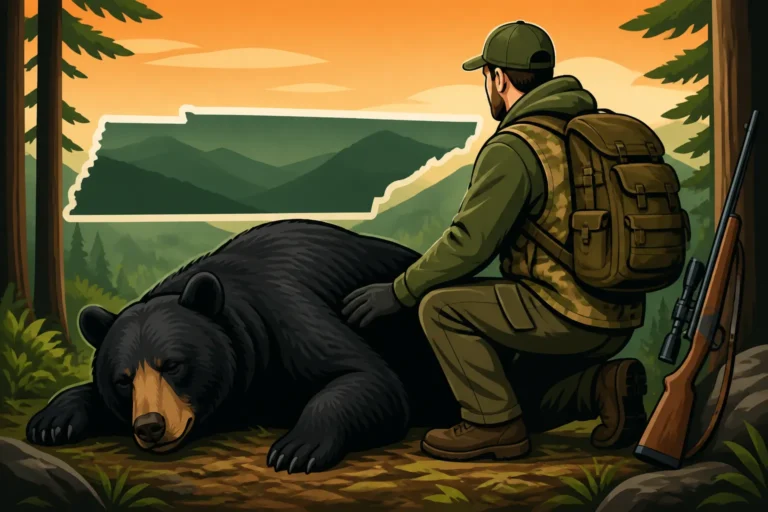
Retrieving a downed bear from a steep hollow is an entirely different beast. This is where teamwork truly shines, as you may need to debone the animal on the spot and pack it out in pieces. Read up on Recovering a Deer From a Steep Hollow – the principles apply even more intensely to a bear, which can weigh several hundred pounds and often lands in the most inconvenient, steepest, and thickest spot imaginable. The physical and mental effort involved in packing out a bear from these mountains can be one of the most brutal experiences a hunter will ever face.
Weather Extremes and Their Impact
Tennessee weather, especially in the mountains, can be incredibly unpredictable. You might start your day with crisp, clear skies and warm temperatures, only to be hit by a sudden downpour, a cold front, or even an unexpected snow squall by afternoon. These rapid changes demand a versatile clothing system and constant vigilance.
- Rain: Frequent and often heavy. Waterproof outer layers are a must, as discussed, but also consider waterproof pack covers and dry bags for essential gear like extra clothing, electronics, and food. Prolonged exposure to rain, combined with physical exertion and then sitting still, can lead to hypothermia, even in relatively mild temperatures.
- Temperature Swings: Early fall can see warm daytime highs and near-freezing nights. Later in the season, snow and ice are possible, making footing even more treacherous and adding another layer of challenge. Layering is your best defense against these fluctuations, allowing you to regulate your body temperature as conditions change. You need to be able to shed layers when climbing and add them back on when glassing or resting.
- Fog and Clouds: Mountain fog can roll in quickly, drastically reducing visibility and making navigation even harder. If this happens, slow down, use your GPS, and consider waiting it out if you're in a particularly precarious spot, like a steep bluff. Disorientation in thick fog can be terrifying and dangerous.
Always check the local forecast before heading out, but be prepared for anything. Have extra warm layers, a reliable source of fire (waterproof matches, lighter, fire starter), and emergency shelter (a lightweight tarp or space blanket) in your pack. These simple items can make a life-saving difference if you unexpectedly get caught out overnight or have an emergency.
Water Sources and Emergency Preparedness
Hydration is critical, especially when expending so much energy climbing. While there are often natural springs and creeks in South Cherokee, don't rely solely on finding potable water on the go. Always carry ample water, and consider a portable water filter (like a Sawyer Squeeze) or purification tablets to replenish from natural sources safely. Giardia or other waterborne pathogens are not a risk you want to take, especially miles deep in the backcountry. A full hydration bladder in your pack is often the best way to carry sufficient water for the day.
Your emergency kit should go beyond just water and fire. A comprehensive First Aid Kits for Remote Cherokee Forest Ground is essential, including bandages, pain relievers, blister treatment, and any personal medications. Beyond medical supplies, a reliable headlamp with extra batteries, a sturdy knife, at least 20 feet of rope or cordage, and a loud whistle for signaling are also critical. A signaling mirror is also a good, lightweight addition.
Perhaps most importantly, tell someone exactly where you are going and when you expect to return. This "float plan" is a non-negotiable safety measure for any remote hunting, especially in a place as wild as South Cherokee. Include details like your vehicle description, parking location, and planned route. Should something go wrong, this information can drastically speed up any search and rescue efforts, potentially saving your life. Remember, you are a long way from help in much of this country.
Post-Harvest Protocol and Responsible Stewardship
Successfully harvesting a bear in Bear Zone Three is a tremendous accomplishment, but the work doesn't stop when the animal hits the ground. Ethical retrieval, proper processing, and adherence to regulations are crucial parts of the hunt, ensuring respect for the animal and responsible management of the resource.
Field Dressing and Extraction Challenges
Let's be real: bears are big, heavy animals, and the terrain often makes getting them out intact nearly impossible. Handling a Bear After the Shot in this steep country is a monumental task that requires physical strength, proper tools, and often, the help of a partner or two. You'll likely need to perform a field dressing, and often, quarter the bear on the spot, especially if you're miles from the nearest road and facing a daunting climb out.
- Field Dressing: While not strictly necessary for meat quality in cooler weather, removing the entrails immediately significantly reduces weight and helps the carcass cool faster, which is crucial for preserving the meat. Be prepared for a bloody, messy job, and make sure you have disposable gloves and plenty of wipes. Properly dispose of the entrails away from trails and water sources.
- Quartering: For larger bears, especially in remote, steep locations, quartering the animal is the most practical way to get it out. This involves breaking the bear down into manageable pieces – usually four quarters, backstraps, and tenderloins – which can then be packed out in game bags. A sturdy, sharp knife with extra blades, and perhaps a small bone saw, are essential. Good quality game bags will protect the meat from dirt, insects, and plant matter during the arduous pack out, which can take many hours.
- Utilize a Pack Frame: This is where a robust external frame pack or a quality internal frame pack with a meat shelf truly earns its keep. Distributing 50-100+ pounds of bear meat and hide over uneven terrain is one of the most physically demanding aspects of mountain hunting. Practice with a weighted pack before the hunt to build the necessary stamina and strength.
Remember that bear fat can spoil quickly, especially if the weather is warm. Cooling the meat as rapidly as possible is vital. If you're fortunate enough to have friends with you, their assistance will be invaluable for both the field dressing and the packing out. Many hands make lighter work, and it's a shared accomplishment when a bear is finally brought off the mountain.
Reporting Your Bear and CWD Concerns
Tennessee has strict requirements for reporting harvested big game, and black bears are no exception. Once your bear is down and processed, you must report it to the TWRA within 48 hours of harvest or before the bear leaves the state, whichever comes first. This can typically be done online through the TWRA's Go Outdoors Tennessee website or app, or by phone. Make sure you have your license and permit information handy, as well as the county of harvest, sex of the animal, and method of take. This data is crucial for the TWRA's ongoing management efforts.
While Chronic Wasting Disease (CWD) is a significant concern for deer hunters in Tennessee, it's not currently known to affect black bears in the same way. However, other wildlife diseases can occur. The TWRA continually monitors the health of its bear population. If you notice anything unusual about the bear’s health or condition – such as lesions, unusual behavior before the shot, or extreme emaciation – it's always best to report it to the agency when you check your bear. This responsible reporting helps the TWRA manage healthy wildlife populations across the state, ensuring the long-term viability of the resource.
Your harvest data, combined with that of other hunters, provides critical information for wildlife biologists. They use this information to determine population trends, harvest success rates, age structures, and overall health of the bear herd. By diligently reporting your harvest, you're directly contributing to sound scientific management that ensures future hunting opportunities. It’s a civic duty as much as it is a regulatory requirement, and it underscores the hunter’s role in conservation.
Dealing with Other Wildlife Encounters
While bears are your primary focus, South Cherokee is teeming with other wildlife, and you'll undoubtedly encounter it during your hunt. You might spot white-tailed deer traversing a ridge, hear wild turkeys gobbling in the spring, or see a variety of small game scurrying through the underbrush. Keep an eye out for interesting tracks and sign; it adds to the overall wilderness experience and can sometimes give you clues about other predators or larger game moving through the area.
Be aware that the area is also home to venomous snakes, particularly timber rattlesnakes and copperheads, especially during warmer months. Always watch where you step and where you place your hands when moving through thick cover, overturning logs, or climbing over rocky terrain. While these snakes typically want to avoid humans, an accidental encounter can be dangerous. Knowing basic snakebite first aid and having a plan is part of responsible backcountry travel.
Remember that you're in wild country, and respecting all wildlife, big or small, is part of being a responsible hunter. Avoid disturbing non-target species, and always maintain a safe distance from any animals you encounter. Never feed wild animals, as this can habituate them to humans and lead to dangerous situations. The goal is to minimize your impact on the environment while maximizing your hunting success, leaving the wilderness as undisturbed as possible for the next visitor and the resident wildlife.
The Unique Challenges and Unforgettable Rewards
Hunting Bear Zone Three is not for the faint of heart. It presents some of the most formidable challenges a hunter can face in Tennessee, but with those challenges come equally profound rewards – experiences that forge character and create lifelong memories.
High Hunter Pressure and Finding Solitude
Because it's public land and relatively accessible compared to some other truly remote wilderness areas, South Cherokee can experience significant hunter pressure, especially during opening weekends and peak season dates. This can be frustrating, especially when you're working hard to get deep into the woods. You might encounter other hunters, hear distant shots, or even cross paths with hound teams. The illusion of solitude can be shattered by a reminder that you're sharing this wild space.
The key to mitigating hunter pressure is often simply walking further. Most hunters won't venture more than a mile or two from a road, as the terrain quickly becomes exhausting. If you're willing to put in the extra miles and climb into the nastiest, steepest terrain, your chances of finding unpressured bears and true solitude increase dramatically. This is where your physical conditioning truly pays off. Using detailed topographic maps from sources like GoHunt to identify remote ridges, deep hollows, or hard-to-reach benches can help you find those overlooked pockets that other hunters simply bypass.
Hunting during weekdays or later in the season can also offer a more solitary experience, as many weekend warriors have either filled their tags or given up. Remember, respect other hunters, and be mindful of your presence in the woods. A simple nod or polite greeting goes a long way. This is a shared resource, and courtesy ensures a positive experience for everyone. Finding peace in the mountains, even amidst other hunters, is a skill in itself.
Conservation Efforts and Bear Management
The black bear population in Tennessee, particularly in the eastern mountain regions, is a true conservation success story. Through dedicated management efforts by the TWRA, habitat protection, and responsible hunting regulations, bear numbers have rebounded significantly from historical lows. This is a testament to what dedicated conservationists, including hunters, can achieve when working towards a common goal.
Your hunting license fees and any bear tags you purchase directly contribute to these ongoing conservation programs, helping to fund research, habitat improvements, and law enforcement. Every dollar spent on hunting licenses goes back into managing wildlife and their habitats, benefiting not just bears, but all wildlife species in the state. Hunters are often the most ardent conservationists, and participating in a bear hunt in South Cherokee means you're part of this important legacy, actively contributing to the health and future of Tennessee's wild places.
The data collected from hunter harvests, including information on age, sex, and health of bears, provides crucial insights for wildlife biologists to ensure sustainable management. This is why accurate and timely reporting is so important. It's about taking part in a healthy ecosystem, not just taking an animal. It's about being a steward of the land and its resources, ensuring that future generations can also experience the thrill of a bear hunt in the wild Appalachian mountains.
The Unforgettable Experience of a South Cherokee Bear
Despite the grueling climbs, the thickets that try to tear your clothes off, and the unpredictable mountain weather, hunting a bear in Zone Three is an experience that stays with you forever. It's a primal test of skill, endurance, and perseverance against an incredibly smart and resilient animal in truly wild country. Many hunters consider a South Cherokee bear the ultimate trophy, not just for its size, but for the sheer difficulty of the hunt.
The quiet moments spent glassing a distant ridge as the sun rises, the heart-pounding rush of cutting a fresh track, the camaraderie and teamwork with fellow hound hunters, or the solitary satisfaction of a hard-earned stalk – these are the moments that define the hunt. It's about pushing your physical and mental limits, adapting to the challenges, and learning something new about yourself and the wilderness with every step. The feeling of accomplishment when you finally stand over a bear that you’ve harvested through fair chase in such demanding terrain is unlike anything else.
Bringing a black bear out of the South Cherokee mountains isn't just about the meat or the hide; it's about the profound connection to the wilderness, the respect for a powerful animal, and the deep sense of accomplishment that comes from meeting such a formidable challenge head-on. It's an opportunity to immerse yourself completely in one of Tennessee's wildest places and come away with stories that will last a lifetime. For more on the overall experience, consider reading about Bear Hunting Cherokee National Forest.
Comparison of Bear Hunting Methods in South Cherokee
| Feature | Still-Hunting / Spot-and-Stalk | Hunting with Hounds |
|---|---|---|
| Physical Demands | Very High (constant, deliberate movement, often silent) | Extremely High (fast-paced pursuit, rigorous recovery) |
| Required Equipment | Rifle, quality optics, rugged gear, pack, reliable navigation, trekking poles | GPS collars, specialized dog gear, vehicles, rifle, rugged gear, pack, navigation, radio communication |
| Patience Required | Extremely High (hours of slow movement, glassing) | Moderate (action can be fast once a track is cut) |
| Solitude Level | High (can be done alone or with a single partner) | Low (team-based activity, often with multiple people and dogs) |
| Terrain Challenge | Direct human navigation of dense cover and steep terrain, relying on stealth | Dogs navigate thickest cover; human follow-up is still very challenging and often involves steep climbs |
| Success Rate | Lower (requires keen observation, stealth, and ideal conditions for a shot) | Higher (dogs excel at finding and pushing bears to a treed or bayed position) |
| Unique Challenges | Spotting bears in extremely thick cover, closing distance undetected, long and solitary pack outs | Managing dog pack, long chases over vast distances, difficult dog and bear recovery from remote areas |
| Ethical Considerations | Focus on clean, ethical shot; minimizing impact on non-target species | Ensuring dog safety, preventing conflicts with non-target wildlife, ethical dispatch of treed/bayed bear |
Disclaimer
Always consult the latest Tennessee Wildlife Resources Agency (TWRA) regulations before engaging in any hunting activities. Hunting laws and seasons can change, and it is the hunter's responsibility to be aware of and comply with all current rules and regulations. This guide is for informational purposes only and does not supersede official TWRA guidelines.