Dog Vests for Cold Water Retrieves
For any of us who share our passion for hunting with our canine companions, there's nothing worse than seeing them shiver after a retrieve, or worse, struggle through icy water in search of a downed bird. Tennessee's waterfowl seasons can be brutally cold, especially on those big lakes and rivers, and a dog's health and performance hinge on staying warm. This guide will walk you through everything you need to know about outfitting your best hunting buddy with the right dog vest for those bone-chilling cold water retrieves.
Why a Dog Vest is Non-Negotiable for Cold Water Retrieves
Let's be honest, our dogs are tough, but they aren't invincible. When that mercury drops and the wind howls, sending shivers up your spine even in your best insulated gear, imagine what your dog feels like repeatedly diving into frigid water. A dog vest isn't just a piece of accessory gear; it's a vital part of protecting your hunting partner, ensuring their comfort, and extending their hunting career.
Protecting Against Hypothermia and Exposure
The dangers of cold water for a retrieving dog are real, and they can set in faster than you might think. While many waterfowl breeds have thick coats, that natural insulation can be quickly compromised once thoroughly wet, especially in sustained exposure to cold water and wind. Think about those icy mornings on Hunting the Reelfoot Lake Duck Blinds or retrieving geese from the choppy, frigid Tennessee River; your dog is doing hard work, burning calories, and rapidly losing body heat.
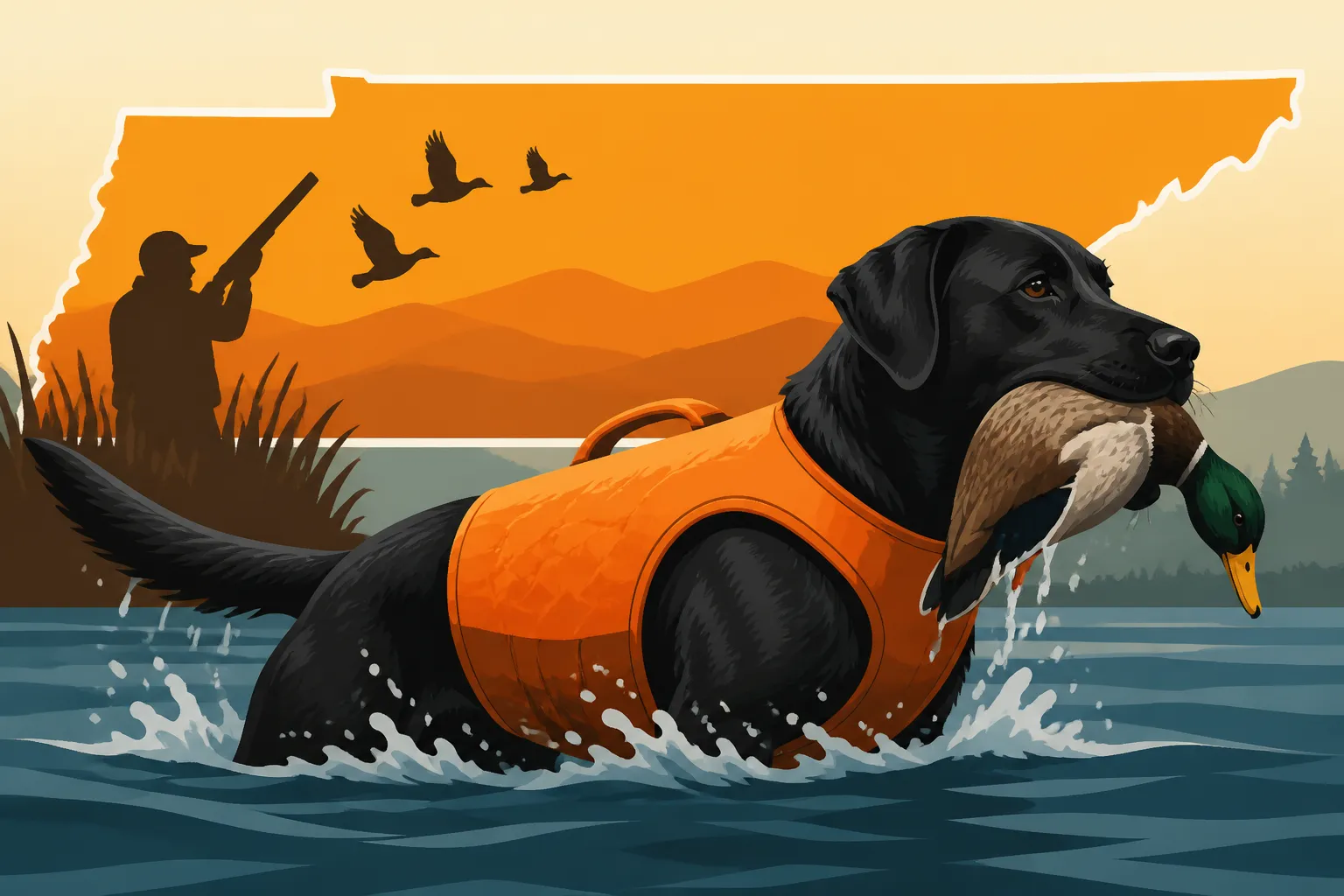
A quality dog vest acts as a wetsuit for your canine, providing a critical layer of thermal insulation. It traps a thin layer of water against their body, which their body heat then warms, preventing rapid heat loss. Without this protection, your dog risks hypothermia, which can manifest as shivering, lethargy, muscle stiffness, and in severe cases, can be life-threatening. Beyond just temperature, the vest also offers a barrier against biting wind, reducing the wind chill factor when your dog climbs back into the boat or blind. This isn't just about their comfort; it’s about their survival and long-term health, ensuring they're ready for the next retrieve and the next hunting season.
Guarding Against Abrasions and Hazards
Tennessee's waterways and hunting environments are beautiful, but they're also full of hidden dangers for a dog working hard. Flooded timber, submerged stumps, ice shards, jagged rocks, and even discarded trash can pose significant threats during a retrieve. We’ve all seen a dog get a cut paw or a scraped side from an unseen obstacle, and in cold water, those injuries are not only painful but can become severely infected or contribute to faster heat loss.
A good dog vest offers a robust physical barrier. Many vests come with reinforced chest plates or extra padding in vulnerable areas, like the chest and belly. Imagine your retriever smashing through thin ice on a duck pond or navigating a maze of tangled roots in Hunting the Mississippi Flyway Backwaters; that vest is taking the brunt of the impact, protecting their skin from punctures, cuts, and scrapes. This added protection means less worry for you, and more focus on the hunt, knowing your dog is safeguarded from the unseen hazards that lie beneath the surface. It’s an investment in their safety and your peace of mind.
Key Features to Look for in a Quality Dog Vest
Choosing the right dog vest can feel a bit overwhelming with all the options out there. But when you break it down, a few core features really stand out as essential for cold water retrieves in places like Tennessee. It's about finding that sweet spot between warmth, mobility, durability, and a proper fit.
Material, Insulation, and Buoyancy
The heart of any good cold water dog vest is its material, and for insulation, neoprene is king. This is the same material used in human wetsuits for a reason. Neoprene traps a thin layer of water, which is then warmed by the dog's body heat, creating an insulating layer.
- Thickness: Neoprene vests typically come in varying thicknesses, often 3mm or 5mm. For the genuinely cold, late-season hunts on Tennessee Waterfowl Zones and Seasons or those icy early mornings, a 5mm vest offers superior thermal protection. If you're hunting in slightly milder conditions or if your dog generates a lot of heat, a 3mm might suffice, offering a bit more flexibility.
- Closed-Cell Foam: Many vests also incorporate closed-cell foam panels, particularly in the chest and back. This not only enhances thermal insulation but also adds buoyancy, which is incredibly helpful for a dog constantly swimming. Added buoyancy can reduce fatigue, especially for long retrieves or when navigating strong currents, letting your dog work more efficiently and safely.
- Flexibility: While warmth is crucial, the material needs to allow your dog full range of motion. A stiff, uncomfortable vest can hinder their swimming and retrieving ability. Look for high-quality neoprene that offers a good balance of insulation and flexibility. A good starting point for comparing models might be to check out some of the detailed gear reviews you find on platforms like GoHunt, as they often break down these material differences.
Fit, Durability, and Design
Even the warmest vest is useless if it doesn't fit right or falls apart after a few retrieves. A snug, durable, and thoughtfully designed vest is paramount.
- Snug Fit: This is perhaps the most critical factor after material. A vest that's too loose will chafe, allow cold water to flush in and out, and can snag on brush or timber. One that's too tight will restrict movement and breathing. The vest should fit like a second skin, allowing full range of motion without gaping or bunching. Pay close attention to the neck and chest areas; these are key for warmth retention.
- Durability: Your dog is going to put this vest through its paces. Look for vests with reinforced stitching, especially around the seams and any closures. Heavy-duty zippers, robust Velcro, or sturdy buckles are essential to withstand repeated use and abuse in harsh environments. Many vests feature a chest plate, often reinforced, which provides extra protection against sharp objects like submerged branches or ice.
- Design Elements:
- Grab Handle: A sturdy grab handle on the back is invaluable for helping your dog in and out of the boat, over obstacles, or simply to gain control in challenging situations.
- D-Ring: A D-ring attachment point for a leash can be handy, although some hunters prefer to attach leashes directly to a collar.
- Camo Patterns: While less about function and more about blending in, vests often come in various camouflage patterns to match your hunting environment. Whether you're in the cattails of Reelfoot or a blind along a west Tennessee field edge, a matching pattern can help your dog remain unseen by wary waterfowl.
When you're researching options, a site like GoHunt can be invaluable for detailed product comparisons and user reviews, helping you discern which vests truly stand up to the rigors of Tennessee hunting.
Sizing, Care, and Training with a Dog Vest
Even the best dog vest won't perform if it doesn't fit properly or isn't cared for. Getting these details right ensures your investment pays off in comfort, safety, and longevity for your hunting partner.
Getting the Right Fit and Measuring Your Dog
You wouldn't buy yourself a pair of waders without trying them on, right? The same logic applies to your dog's vest. An ill-fitting vest can be worse than no vest at all, causing chafing, restricting movement, or failing to provide adequate insulation.
The most accurate way to size a vest is by carefully measuring your dog. Here’s how:
- Neck Circumference: Measure around the widest part of your dog's neck, typically where a collar would sit or slightly lower.
- Chest Girth: This is the most critical measurement. Measure around the deepest part of your dog's chest, right behind their front legs. This area needs to be snug but not restrictive.
- Body Length: Measure from the base of the neck (between the shoulder blades) to the base of the tail. While less critical for warmth than the chest, it helps ensure the vest covers enough of their body.
Always compare these measurements to the manufacturer’s sizing chart. If your dog is between sizes, it's often better to go with the larger size, as long as it can be cinched down for a snug fit, to prevent restriction. A vest that's too tight will limit blood flow and restrict movement, making your dog uncomfortable and less efficient.
Here's a general guide, but always defer to the specific brand's chart:
| Vest Size | Neck (inches) | Chest (inches) | Length (inches) | Common Breeds (Examples) |
|---|---|---|---|---|
| Small | 14-16 | 20-24 | 16-18 | Cocker Spaniel, Beagle |
| Medium | 16-18 | 24-28 | 18-20 | English Setter, Brittany |
| Large | 18-20 | 28-32 | 20-22 | Lab, Chessie, GSP |
| XL | 20-22 | 32-36 | 22-24 | Larger Labs, German Shorthaired Pointer |
| XXL | 22-24 | 36-40 | 24-26 | Giant Breeds, Larger Labs |
Remember, these are just averages. Don't forget to check resources like GoHunt for their sizing guides and specific brand recommendations, as they often provide detailed reviews that include fit insights from other hunters.
Maintenance for Longevity and Scent Management
A good quality dog vest is an investment, and like any hunting gear, it needs proper care to last. Neglecting your vest can lead to premature wear and tear, and perhaps more importantly, can make it less effective.
- Rinse After Every Use: After a day on the water, especially if it's saltwater (though less common in Tennessee, it's good practice), mud, or stagnant pond water, thoroughly rinse the vest with fresh water. This removes dirt, debris, and any chemical residues that could degrade the neoprene or stitching.
- Thorough Drying: Hang the vest to dry completely, ideally in a well-ventilated area out of direct sunlight. Never store a wet or damp vest; this is a surefire way to encourage mildew growth, which not only smells terrible but also breaks down the material.
- Storage: Once dry, store the vest flat or loosely rolled to prevent creasing or permanent compression of the neoprene, which can reduce its insulating properties over time.
- Scent Management: Dogs are designed to be scent hounds, but we don't want them carrying human or synthetic odors into the blind. Periodically wash the vest with an odor-neutralizing detergent designed for hunting gear. Even a simple rinse will help reduce natural dog odor buildup, which can be an alert for wary waterfowl.
- Inspect Regularly: Before and after each season, and periodically during, inspect the vest for any signs of wear, such as fraying stitching, weak Velcro, or tears in the neoprene. Addressing small issues early can prevent bigger problems down the line.
Acclimating Your Dog to Their New Gear
Just like we break in new boots, our dogs need to get used to new gear. Don't wait until opening day of Tennessee's Gun Deer Season Into January to introduce the vest. Your dog needs to be comfortable and confident wearing it, especially in the water.
Start by introducing the vest in a positive, low-stress environment. Let your dog sniff it, reward them with treats, and then try putting it on for short periods indoors. Gradually increase the time they wear it. Once they're comfortable inside, move to the yard, then to a training scenario with water in milder temperatures.
Practice retrieves while your dog is wearing the vest. Watch for any signs of discomfort or restricted movement. You want them to feel as natural as possible. Making the vest a routine part of their training and hunting preparation will ensure they associate it with positive experiences and readily accept it when the real hunt begins. It’s all about building that confidence so when the ducks start flying over, the vest is just another part of their job, keeping them warm and safe.
When and Where Dog Vests Make the Biggest Difference in Tennessee
Tennessee offers a wide array of hunting environments, and while a dog vest is generally a good idea for any water work, there are specific times and places where it truly becomes indispensable.
Waterfowl Seasons and Specific Locations
When you think about cold water retrieves in Tennessee, your mind likely jumps straight to waterfowl hunting. And you'd be right. The seasons, particularly the later phases of duck and goose season, are prime examples of when a dog vest is absolutely critical.
- Reelfoot Lake: This iconic waterfowl destination is renowned for its flooded cypress timber and shallow, often frigid waters. Dogs are constantly in and out of the water, navigating stumps and ice. A vest here isn't just about warmth; it's about protection from the abrasive cypress knees and the sharp edges of ice. It ensures your dog can handle repeated retrieves in conditions that would otherwise lead to rapid heat loss and potential injury. Don't forget to read up on Getting a Reelfoot Preservation Permit if you plan to hunt this unique area.
- Mississippi Flyway Backwaters: Along the Mississippi River and its associated floodplains in West Tennessee, you'll find countless sloughs, oxbow lakes, and flooded fields. These areas can be incredibly cold, especially when north winds sweep down the flyway. Ducks and geese often fall in dense cover or across open water, requiring dogs to swim significant distances. The vest helps maintain core body temperature during extended exposure and provides vital buoyancy, particularly in deep, muddy conditions.
- Large Reservoirs and Rivers: The Tennessee River, Cumberland River, and vast reservoirs like Kentucky Lake and Chickamauga can get incredibly cold and choppy during winter. Retrieving from a layout blind on the edge of a frozen field or working from a boat on open water exposes your dog to constant cold. A vest helps ward off the chill, protects against hypothermia, and offers added visibility in potentially challenging retrieval scenarios.
Beyond Waterfowl: Other Cold Weather Uses
While waterfowl hunting is the most obvious application, the utility of a dog vest isn't strictly limited to duck blinds. There are other scenarios where having this protective gear on hand can be incredibly beneficial for your hunting dog.
- Early Season Training: Even in early fall, Tennessee mornings can be surprisingly brisk, and water temperatures can be quite chilly, especially if you're training a young dog that isn't yet fully conditioned to cold water. Using a lighter vest for training can help acclimate them to the gear and provide some warmth before the full brunt of winter hits.
- Tracking in Inclement Weather: While not primarily designed for it, if you're tracking a wounded deer or hog through dense, wet brush or across a shallow creek in cold, rainy weather, a vest can offer an additional layer of warmth and protection from thorns, briars, and abrasive cover. It's not a substitute for a full deer hunting setup, but it’s a consideration for those unexpected cold, wet situations that can arise. Think of those wet, cold days that make you wish you had your best Cold-Weather Sitting Strategy in Tennessee for yourself!
- Cold Snaps During Upland Season: While upland birds like grouse or quail typically don't involve water retrieves, a surprise cold snap with sleet or freezing rain can soak a dog to the bone. If your dog is working hard in dense cover and getting wet, a vest could provide some much-needed warmth, though it might reduce their agility somewhat in thickets.
Ultimately, a dog vest is a versatile piece of equipment that prioritizes your dog's safety and well-being. Investing in a good one and understanding its proper use is a testament to the partnership we share with our loyal hunting companions.
Disclaimer
This article is for general informational purposes only and does not constitute professional advice. Laws, prices and regulations vary by location and change over time. Consult a qualified professional for guidance on your specific situation.