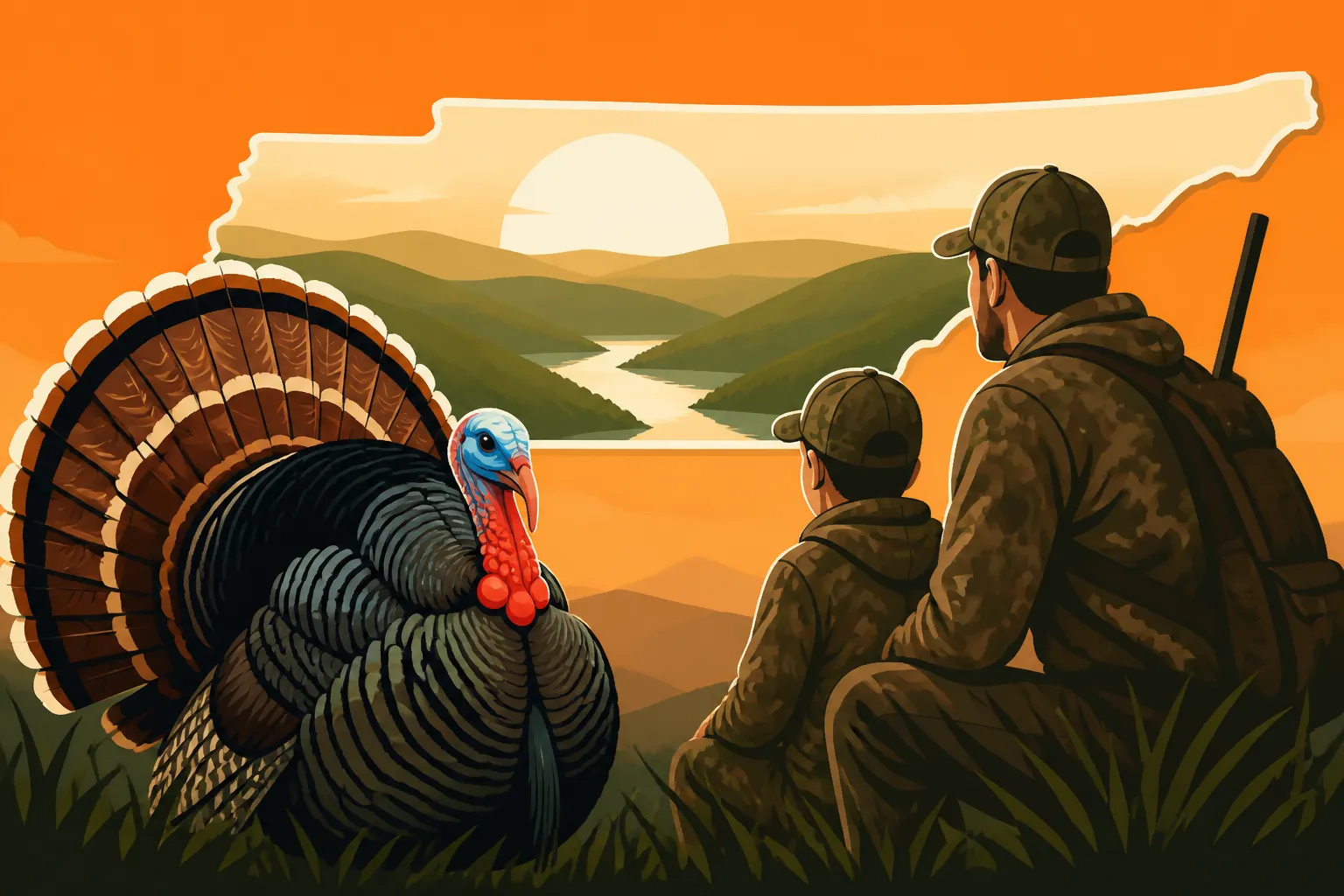
Hunting the Young Sportsman Turkey Weekend
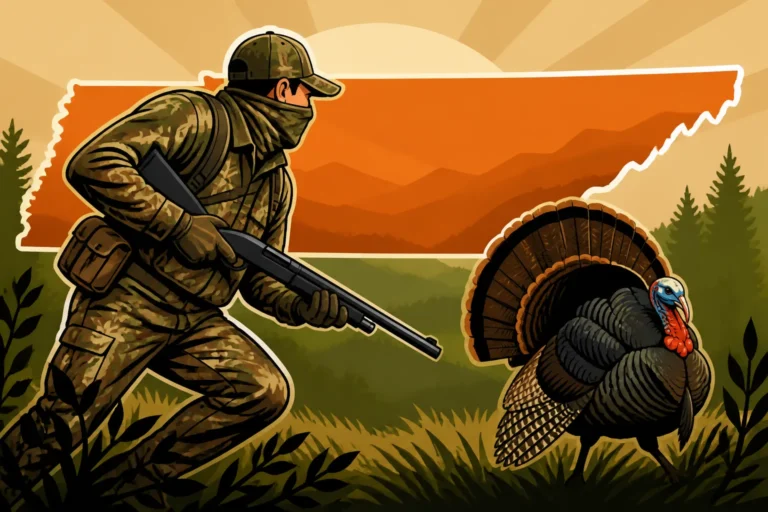
That first dedicated youth turkey hunt weekend in Tennessee is something truly special, filled with anticipation and often a healthy dose of chaos! Many parents and mentors feel a lot of pressure to make it perfect, to ensure their young hunter connects with a gobbler and has a memorable experience. But let’s be real, managing expectations, keeping a youngster engaged in the quiet woods, and teaching them critical skills while trying to seal the deal on a wary tom can be a serious challenge. This guide is here to walk you through everything you need to know, from understanding the specific rules to setting up for success and, most importantly, making unforgettable memories during the Young Sportsman Turkey Weekend.
Understanding the Young Sportsman Turkey Weekend Rules
Navigating the regulations for any specialized hunting season in Tennessee can feel like deciphering ancient texts, and the Young Sportsman Turkey Weekend is no exception. It's not just about knowing when it opens, but who can participate, what licenses they need, and how the bag limits work. Getting this right is crucial for a legal and enjoyable hunt.
Eligibility and Licensing Requirements
First off, let's talk about who can actually participate in this special weekend. The Tennessee Wildlife Resources Agency (TWRA) sets specific age limits for youth hunters. Generally, this hunt is open to youth ages 6 to 16. It’s important to remember that these young hunters must be accompanied by an adult, who may not hunt but is there solely to supervise. That means no sneaking a shot in for yourself, no matter how tempting it might be when a big tom struts in!
When it comes to licenses, it's pretty straightforward, but you absolutely cannot overlook it. Every hunter, regardless of age, needs a valid Tennessee hunting license. For residents, this usually means a Junior Hunting License (Type 002) for those 13-16, or a Lifetime Sportsman License if they're lucky enough to have one. For younger kids (under 13), they're typically covered under their parent's license as long as they meet the accompanying rules. However, every turkey hunter, including youth, also needs a Tennessee Migratory Bird Permit (Type 007) and a Federal Duck Stamp, even for turkeys, if they are 16 or older. It's always best to double-check the current regulations on the TWRA website or through an app like GoHunt which often provides up-to-date summaries. Non-residents have their own specific license structures, usually involving a Junior Nonresident Hunting (Type 070) and a special Nonresident Junior Big Game (Type 071) permit, plus the migratory bird permit. Make sure all paperwork is squared away before you head out to avoid any last-minute stress. You can learn more about Tennessee Resident Hunting License Options and Tennessee Nonresident Hunting License Options to ensure you're fully covered.
Season Dates and Bag Limits
The beauty of the Young Sportsman Turkey Weekend is that it often provides an early crack at gobblers, usually a week or so before the statewide season opens. This can offer a less pressured environment, which is a huge advantage for new hunters. The specific dates vary slightly each year, so make sure to confirm the exact dates on the TWRA calendar. Generally, it's held on a Saturday and Sunday in late March or early April. Knowing these dates well in advance allows you to plan accordingly, especially if you have other commitments. You can always find the exact dates for the Tennessee Young Sportsman Turkey Weekend on the TWRA site.
Now, let's talk limits. During this special weekend, youth hunters are typically allowed to harvest one bearded turkey. This means only a gobbler or a jenny (hen) with a visible beard. The one-bird limit for the youth weekend is part of the overall statewide bag limit of two bearded turkeys for the entire spring season. So, if your young hunter is successful on this weekend, they've used one of their two tags for the year. It's a great opportunity to get a bird under their belt and build confidence for future hunts. Remember, harvesting a jake (a young gobbler) counts towards their overall limit, just like an older, more mature tom. The TWRA has specific guidelines on Tennessee Statewide Turkey Bag Limit Rules, so familiarize yourself with them to avoid any confusion during the season.
Pre-Season Scouting and Preparation with Your Young Hunter
The success of any turkey hunt, especially one with a young hunter, often boils down to the effort put in before the season even opens. This isn't just about finding birds; it's about building excitement, teaching foundational skills, and strengthening the bond between mentor and youth.
Locating Active Roosts and Strutting Areas
Scouting for turkeys is half the fun, and doing it with your young hunter can be incredibly educational. Before the season, focus on finding active roosting sites. Turkeys typically roost in tall trees, often near water sources or on prominent ridges. You might look for white droppings, shed feathers, or even hear gobblers sounding off at dawn or dusk during your scouting trips. Identifying these roosts gives you a starting point on hunt day. Knowing where they sleep is crucial for a successful morning setup.
Beyond roosts, identifying strutting areas is key. These are often open areas like field edges, logging roads, or ridgetops where gobblers feel safe displaying for hens. Look for tell-tale signs like distinct "strut marks" in the dirt or mud – these are drag marks from their wing tips as they fan out. You might also find fresh droppings that are larger and more "J-shaped" than those of hens. If you’re hunting public land, detailed mapping tools, available through resources like GoHunt, can help identify potential roosting and strutting areas from aerial photos, pointing out ridge saddles, creek bottoms, and field transitions that often attract birds. This is where you can educate your young hunter on how to "read" the land, teaching them what to look for and why certain spots are more appealing to turkeys. Even if you don't find a bird every time, the process of searching is invaluable. For more detailed strategies, consider checking out our guide on Roost Hunting Tennessee Gobblers.
Setting Up Comfortable and Concealed Blinds
Comfort and concealment are paramount when hunting with kids. Let's be honest, young hunters have shorter attention spans and less patience for sitting still than seasoned adults. A comfortable setup can make or break their experience. Ground blinds are almost always the best option for youth turkey hunting. They offer excellent concealment, allowing for small movements, whispers, and even a quick snack without spooking a keen-eyed gobbler. They also protect against wind, light rain, and keep the sun out of their eyes.
When choosing a spot for your blind, prioritize concealment from the turkeys' approach. You want to place it where you expect birds to come in, but also where it blends into the natural surroundings. Think about backdrops – a thick cedar patch, a hedgerow, or the base of a large oak can make your blind disappear. Clear shooting lanes are vital, but don't over-trim and make the blind stand out. Position your blind so that the sun won't be shining directly into your shooting window in the morning, which can cause harsh shadows or glare. Allow your young hunter to help set up the blind, brush it in with natural vegetation, and practice sitting inside it. This involvement makes them feel more invested and familiar with the space. For ideas on where to place your blind on different terrain, our article on Brushing In a Blind on a Field Edge offers great tips.
Essential Gear and Setups for Youth Turkey Hunting
Getting the right gear for a young turkey hunter isn't just about safety and success; it's about making the experience enjoyable and comfortable enough to foster a lifelong love for the outdoors. Choosing appropriate firearms, calls, and apparel can significantly impact their time in the field.
Youth-Appropriate Shotguns and Ammunition
When it comes to shotguns, fit is everything for a young shooter. A full-sized 12-gauge can be too heavy and have too much recoil for a smaller frame, leading to flinching and a negative shooting experience. Youth models, often in 20-gauge, are specifically designed with shorter stocks and lighter frames, making them much easier for kids to handle. Brands like Mossberg, Remington, and Winchester all offer excellent youth models. The goal is a shotgun that fits snugly into their shoulder without stretching or straining, allowing them to shoulder it comfortably and consistently.
- Gauge: A 20-gauge is generally ideal. It delivers plenty of knockdown power for turkeys within reasonable ranges (20-35 yards) but with significantly less recoil than a 12-gauge.
- Choke: A full or extra-full choke is essential for turkey hunting, as it keeps the shot pattern tight for a lethal head and neck shot.
- Ammunition: Modern turkey loads, often featuring dense tungsten super shot (TSS) or similar alloys, can make a 20-gauge perform like a 12-gauge of old. Look for loads specifically designed for turkeys, such as Federal Premium Heavyweight TSS or Winchester Long Beard XR. These specialized loads, while more expensive, dramatically improve pattern density and effective range, increasing the chances of a clean kill and boosting confidence. Practicing with the actual hunting load before the season is critical for familiarization and confidence. For more details on patterning, check out Turkey Shotguns and Chokes.
| Shotgun Type | Ideal Youth Age | Pros | Cons | Recommended Gauge |
|---|---|---|---|---|
| Pump-Action | 8-16 | Reliable, relatively inexpensive | Manual cycling, recoil can be moderate | 20-gauge |
| Semi-Automatic | 10-16 | Reduced recoil, faster follow-up shots | More expensive, requires cleaning | 20-gauge |
| Single-Shot | 6-12 | Simplest operation, very safe, light | Only one shot, recoil can be sharper | 20-gauge |
Calls, Decoys, and Comfort Accessories
Beyond the firearm, the right accessories can turn a frustrating wait into an exciting encounter.
- Turkey Calls: Don't overload your young hunter with complex calls. Start simple. A slate call or a box call is fantastic for beginners because they are easy to learn and produce realistic sounds quickly. Let your young hunter practice clucks, yelps, and purrs at home. Their involvement in calling, even if it’s just one or two simple notes, makes the hunt more engaging. Having a mouth call (diaphragm call) for yourself as the mentor is useful for hands-free calling when a bird is close, but it’s a difficult call for young hunters to master immediately. Explore our guide on Turkey Calls Worth Carrying in Tennessee for more options.
- Decoys: Decoys are often game-changers, especially for pressured birds or when hunting in open fields. A simple jake and a hen decoy setup can be incredibly effective. The jake decoy can act as a challenge to dominant gobblers, while the hen provides a visual draw. Position them where turkeys will see them from a distance, usually 20-30 yards from your blind, giving you a perfect shot window. Decoys can draw a gobbler's attention away from your blind, allowing for critical small movements from your young hunter. Check out Decoy Placement for Pressured Tennessee Birds for setup tips.
- Comfort Accessories: This is where you really earn your stripes as a mentor.
- Padded Seats/Cushions: Essential for long sits in a blind.
- Snacks and Drinks: Non-negotiable! Pack favorites, but avoid anything noisy.
- Entertainment: Small, quiet activities like a book, drawing pad, or even a low-volume game on a phone (if signals allow and used discreetly) can save the day during slow periods. Just be ready to put it away instantly.
- Warm Clothing: Even in spring, mornings can be chilly. Layers are key. A youth-sized turkey vest can organize these items, and many even come with a built-in kickstand seat, perfect for Turkey Vests With a Kickstand Seat.
- Bug Spray: Don't forget bug spray, especially if you're in an area known for ticks or mosquitoes.
Tactics for Engaging Young Hunters on the Hunt
Keeping a young hunter engaged and excited, especially when turkeys are being cagey, is a genuine skill. It requires patience, adaptability, and a willingness to prioritize their experience over bagging a bird.
Patience and Managing Expectations
This is arguably the most critical aspect of hunting with a youngster. Turkeys don't always cooperate, and there will be slow mornings. It's vital to set realistic expectations from the outset. Explain to your young hunter that just seeing a turkey, hearing a gobble, or even just spending time in nature is a victory. The goal isn't just to kill a bird; it's to learn, observe, and enjoy the process.
- Slow Down: Don't rush. Let them take their time walking, observing, and setting up. Point out interesting things like tracks, birdsongs, or unusual trees.
- Encourage Questions: Foster their curiosity. Answer every question, no matter how simple it might seem to you. This builds their understanding and keeps them mentally active.
- Celebrate Small Victories: Did they make a good call? Spot a squirrel? Sit still for a long stretch? Acknowledge and praise these efforts. "That was some really good calling, buddy!" goes a long way.
- Be Flexible: If they're getting restless, take a short break to stretch, eat a snack, or quietly walk a different area if conditions allow. Sometimes a change of scenery is all it takes to reset their focus. Remember, it's their hunt, and their enjoyment is the priority.
Calling Strategies and Decoy Placement
Calling for turkeys with a young hunter involves a bit of a balancing act. You want to be effective, but also involve them without overwhelming them.
- Mentor Does Most Calling: As the adult, you'll likely do the bulk of the calling, especially when trying to pinpoint a bird or draw it closer. Use a variety of calls – yelps, clucks, purrs – but don't overcall. Listen more than you call, letting the turkeys dictate the conversation. Our guide on Calling a Tennessee Gobbler Off the Roost provides excellent starting points.
- Youth Involvement: Let your young hunter use a simple slate or box call for basic clucks or yelps when the action is slow, or when you've got a bird talking that's still a good distance away. This active participation makes them feel like a crucial part of the team.
- Strategic Decoy Placement: Decoys are your best friend for youth hunters. Place them 20-30 yards out from your blind, making sure they are clearly visible to approaching gobblers. A jake and hen combination often works well, as a jake can often draw in dominant gobblers looking for a fight. The decoys give the gobbler something to focus on other than your blind, allowing your young hunter to get into position and settle their nerves without being detected. This distraction is invaluable. When turkeys are on a field edge, proper Turkey Tactics for Farmland Field Edges can make all the difference.
Teaching Field Craft and Ethical Shots
This weekend is a prime opportunity to instill fundamental hunting ethics and field craft.
- Shot Placement: Before the hunt, review shot placement thoroughly. Use a turkey target to show them where to aim (head and neck, not body). Emphasize waiting for a clear, ethical shot. A quick, clean kill is always the goal.
- Gun Safety: Reinforce gun safety rules constantly. Muzzle control, trigger discipline, and knowing your target and what's beyond it are non-negotiables. Remind them that the safety stays on until it's time to shoot, and only when the gun is pointed safely downrange.
- Reading the Woods: Teach them to spot movement, identify different bird calls, and understand turkey behavior. "See that red head over there? That's a gobbler!" These are teachable moments that build their knowledge base.
- Patience and Waiting: Explain why you might wait for a bird to get closer or turn a certain way. "We want him to get a little closer, so we get a better shot." This teaches restraint and good decision-making. If you're on public land, learning Scouting Tennessee Public Land Before Season can help pinpoint these critical teachable moments.
Safety First: Priorities for the Young Sportsman Weekend
Safety should always be the absolute top priority, especially when hunting with youth. The Tennessee Young Sportsman Turkey Weekend is a fantastic educational opportunity, but it demands meticulous attention to safety protocols from both mentor and young hunter.
Blaze Orange and Visibility Rules
While spring turkey hunting doesn't have the same blaze orange requirements as deer hunting, there are still critical safety considerations regarding visibility, especially when moving through the woods.
- No Blaze Orange While Hunting Turkeys: It's important to note that during spring turkey season, wearing blaze orange or blaze pink is not required when stationary and actively hunting turkeys, as turkeys have excellent eyesight and can spot bright colors easily. In fact, most turkey hunters wear full camouflage.
- Blaze Orange for Movement: However, if you are moving through the woods to or from your hunting location, or scouting, it's a wise safety precaution, especially on public land that might have other hunters. Consider carrying a blaze orange vest or hat to wear while walking and then remove it once you are set up in your blind or against a tree. This greatly reduces the risk of being mistaken for game by another hunter. On public lands, where hunter density can be higher, this precaution is even more vital.
- Hunter Education: Ensure your young hunter has completed their Tennessee Hunter Education Requirements. This course covers fundamental safety principles, ethics, and regulations, giving them a solid foundation before they even step into the woods. If they haven't, consider the Tennessee Apprentice Hunter License Rules which allow them to hunt under the direct supervision of a licensed mentor. Remember, the mentor must always remain How Close a Tennessee Mentor Must Stay to the apprentice hunter.
Handling Shotgun Recoil and Proper Shooting Form
One of the biggest hurdles for young hunters is managing shotgun recoil. Improper technique can lead to flinching, missed shots, and a lasting aversion to shooting.
- Proper Fit is Key: As mentioned earlier, a youth-model 20-gauge with a shortened stock is crucial. A shotgun that fits poorly will exacerbate felt recoil.
- Stance and Grip: Teach your young hunter a solid, athletic stance. They should lean slightly forward into the shot, with their weight evenly distributed. The stock needs to be pulled firmly into the shoulder pocket, not just rested on the arm. A firm, but not white-knuckled, grip on the forend and pistol grip helps control the gun.
- Cheek Weld: Emphasize a consistent cheek weld – their cheek should be firmly pressed against the stock. This ensures proper eye alignment with the sights and helps absorb some recoil.
- Practice, Practice, Practice: Before hunting day, spend time at the range. Start with light target loads to get them comfortable with the gun and build good habits. Gradually work up to the actual turkey hunting loads. Only shoot a few of the heavier turkey loads to avoid bruising or discomfort. The goal is confidence, not endurance.
- Recoil Reduction Devices: Consider adding a recoil pad (like a Limbsaver or Pachmayr) to the stock of their shotgun. These can dramatically reduce felt recoil and make shooting a much more pleasant experience. Some youth models come with advanced recoil pads built-in.
Situational Awareness and Mentor Responsibilities
As the accompanying adult, you hold a massive responsibility for the safety of your young hunter and those around you.
- Constant Vigilance: Be aware of your surroundings at all times. This includes knowing where other hunters might be, identifying potential hazards (like steep terrain or water), and being mindful of property lines. Using an app like GoHunt can help you quickly identify public land boundaries and avoid trespassing issues.
- Supervision: Your role is to supervise, not to hunt. Your focus should be 100% on the young hunter's actions, safety, and experience. This means keeping an eye on their muzzle control, anticipating their movements, and being ready to intervene if a safety issue arises.
- Target Identification: Always verify the target. Before your young hunter takes a shot, you must confirm it is a legal, bearded turkey and that there's a safe backdrop beyond it. Never allow a shot at movement or sound alone.
- Communication: Maintain clear and calm communication. Use pre-arranged signals if a bird is approaching. Explain your decisions (e.g., "We're going to wait for him to clear that tree"). This transparency builds trust and understanding.
- Emergency Preparedness: Carry a small first-aid kit, a fully charged cell phone (though service can be spotty in some areas), and know your location using a GPS device or mapping app. Plan your entry and exit routes. Having a backup plan for severe weather or unexpected circumstances is always a good idea. Remember, for unsupervised hunting, there is a Minimum Age for Unsupervised Tennessee Hunting, but for the youth weekend, supervision is mandatory regardless of age.
Post-Hunt Procedures and Making Lasting Memories
The hunt doesn't end when the shot is fired. The moments immediately after a harvest, and the actions taken to properly care for the bird, are just as crucial for solidifying the young hunter's experience and respect for the animal.
Ethical Recovery and Field Dressing
Successfully harvesting a turkey is an exhilarating moment, but it's vital to handle it with respect and teach proper recovery techniques.
- Approach with Caution: After the shot, emphasize waiting a few moments, then approaching the bird cautiously. A wounded turkey can still put up a fight or even run off. If the bird is still alive, a quick, humane follow-up shot to the head or a swift blow to the neck is necessary. This teaches ethical hunting practices and minimizes suffering.
- Field Dressing Basics: For turkeys, field dressing usually involves removing the entrails to help cool the bird quickly. This is especially important on warmer spring days to preserve the meat. While it can be a bit messy, it's a fantastic hands-on lesson. Explain why you're doing it (to prevent spoilage) and guide your young hunter through the process, even if they just watch or hold parts.
- Document the Experience: Take photos! These memories will last a lifetime. Get a photo of your young hunter with their bird, celebrating their success. These pictures aren't just for bragging rights; they're tangible proof of their achievement and effort. Our guide on Tennessee Turkey Checking Requirements will cover the legal steps once the bird is ready.
Reporting and Taxidermy Considerations
The legal requirements post-harvest are just as important as the pre-hunt prep.
- Mandatory Reporting: In Tennessee, all harvested turkeys must be checked in with the TWRA. This can typically be done online through the TWRA website or using the Go Outdoors Tennessee mobile app. You'll need information like the county of harvest, date, and sex of the bird. Teach your young hunter how to report their harvest; it's a critical part of being a responsible hunter and contributes to wildlife management data.
- Taxidermy: If your young hunter has harvested a particularly nice gobbler, consider having it mounted or at least preserving the beard and spurs. This creates a lasting trophy that serves as a constant reminder of their success. Discuss this option with them before the hunt so they know what to expect and can make a decision if they're successful. A fan, beard, and spurs display is a popular, less expensive option than a full mount and still provides a great memory.
- Meat Care: After field dressing, get the bird on ice or refrigerated as soon as possible. Plucking and butchering the bird for the table is another excellent opportunity to teach nose-to-tail utilization of the animal. Many hunters prefer to simply breast out a turkey, but taking the legs and thighs provides more delicious meat. Discuss the best-eating parts of the bird and how to prepare them. For tips on preparing your harvest, refer to our guide on Cooking a Wild Turkey Breast.
Reflecting and Building Future Hunters
The moments after the hunt, whether successful or not, are crucial for nurturing a passion for hunting.
- Debrief the Hunt: Talk about what went well and what could be done differently next time. "Why do you think that gobbler hung up?" "What did you learn today?" This critical thinking reinforces lessons learned.
- Focus on the Experience: Even if no bird was harvested, emphasize the positive aspects: the time spent together, the beautiful sunrise, the sounds of the forest, the glimpse of other wildlife. "We didn't get a bird today, but wasn't it cool when that owl hooted right over our heads?"
- Plan the Next Adventure: Immediately start talking about next year's hunt, or even other hunting or fishing opportunities. Keep the excitement alive. This reinforces that hunting is a journey, not just a single event. It's about building a connection to nature and a lifelong pursuit. These experiences build memories far beyond the trigger pull, creating a foundation for future Spring Turkey Hunting in Tennessee.
Disclaimer
Please remember that hunting regulations, seasons, and licensing requirements can change. Always consult the official Tennessee Wildlife Resources Agency (TWRA) regulations directly for the most current and accurate information before planning any hunting trip. This guide is for informational purposes only and should not be considered a substitute for official legal guidelines. Stay safe and hunt responsibly.