Packs for a Cherokee Forest Day Hunt
Heading into the rugged, beautiful expanse of the Cherokee National Forest for a day hunt can be an incredible experience, but it also presents a unique set of challenges. One of the biggest frustrations many hunters face is figuring out what to carry and, more importantly, how to carry it comfortably and efficiently for miles over steep terrain. This guide will walk you through everything you need to know about choosing and packing a day pack specifically for those demanding Tennessee mountain hunts, ensuring you're prepared for anything the backcountry throws your way.
Why a Proper Day Pack Matters in Cherokee Forest
Hunting in a place like the Cherokee National Forest isn't like sitting in a stand on a flat farm field. This is big, wild country with steep hollows, dense timber, and unpredictable weather. A poorly chosen or poorly packed day pack can quickly turn an enjoyable hunt into a miserable ordeal, or even a dangerous one. It's not just about carrying your lunch; it's about carrying everything you need to stay safe, effective, and comfortable from dawn till dusk, and sometimes beyond.
The Challenge of Mountain Hunting
The terrain in the Cherokee National Forest is often relentless. You're climbing, descending, and traversing uneven ground, sometimes miles from the nearest road. Every ounce in your pack feels like five by the end of the day. A heavy, unbalanced pack can throw you off kilter, lead to fatigue, and make an already challenging walk even harder. Think about those long, uphill grinds to reach a promising ridge line before daylight, or the even longer, slower trek back to the truck after a successful hunt. Your pack needs to be an extension of your body, not a burden. It needs to hold up to briars, sharp rocks, and the occasional unplanned slide down a loose embankment.
Moreover, the sheer vastness of the forest means help isn't always around the corner. You might be hours from cell service, let alone a paved road. This isolation elevates the importance of self-sufficiency, and your day pack is your portable lifeline. It's where your water, snacks, first aid, and emergency gear reside. If your pack fails, or if you simply don't have the right gear because you didn't plan for the environment, you could find yourself in a real bind.
Avoiding Overpacking and Underpacking
There's a fine line between being prepared and carrying unnecessary weight. Overpacking can lead to exhaustion, missed opportunities because you're too tired to cover ground, and general discomfort. We've all been there, lugging around gear "just in case" that never sees the light of day. Conversely, underpacking can leave you vulnerable to sudden weather changes, an unexpected injury, or getting turned around in unfamiliar territory.
The key is to think critically about what you truly need for a full day in the Cherokee National Forest. Consider the season, the expected weather, your specific hunting style, and how far you plan to venture from your vehicle. For instance, an early season archery hunt demands different considerations for meat care than a late-season muzzleloader hunt. Your pack should reflect these variables. It's about efficiency – carrying the right tools for the job, nothing more, nothing less. Often, a good scouting app like GoHunt can help you assess the terrain and plan routes, influencing what you might need to carry. Scouting Tennessee Public Land Before Season is an excellent resource for planning these trips.
Key Features to Look for in a Day Pack
When it comes to choosing the right day pack for the Cherokee National Forest, you'll want to prioritize durability, comfort, and smart organization. This isn't the time to grab just any old backpack out of the closet. Investing in a pack designed for hunting or serious outdoor use will pay dividends in the long run.
Capacity and Size
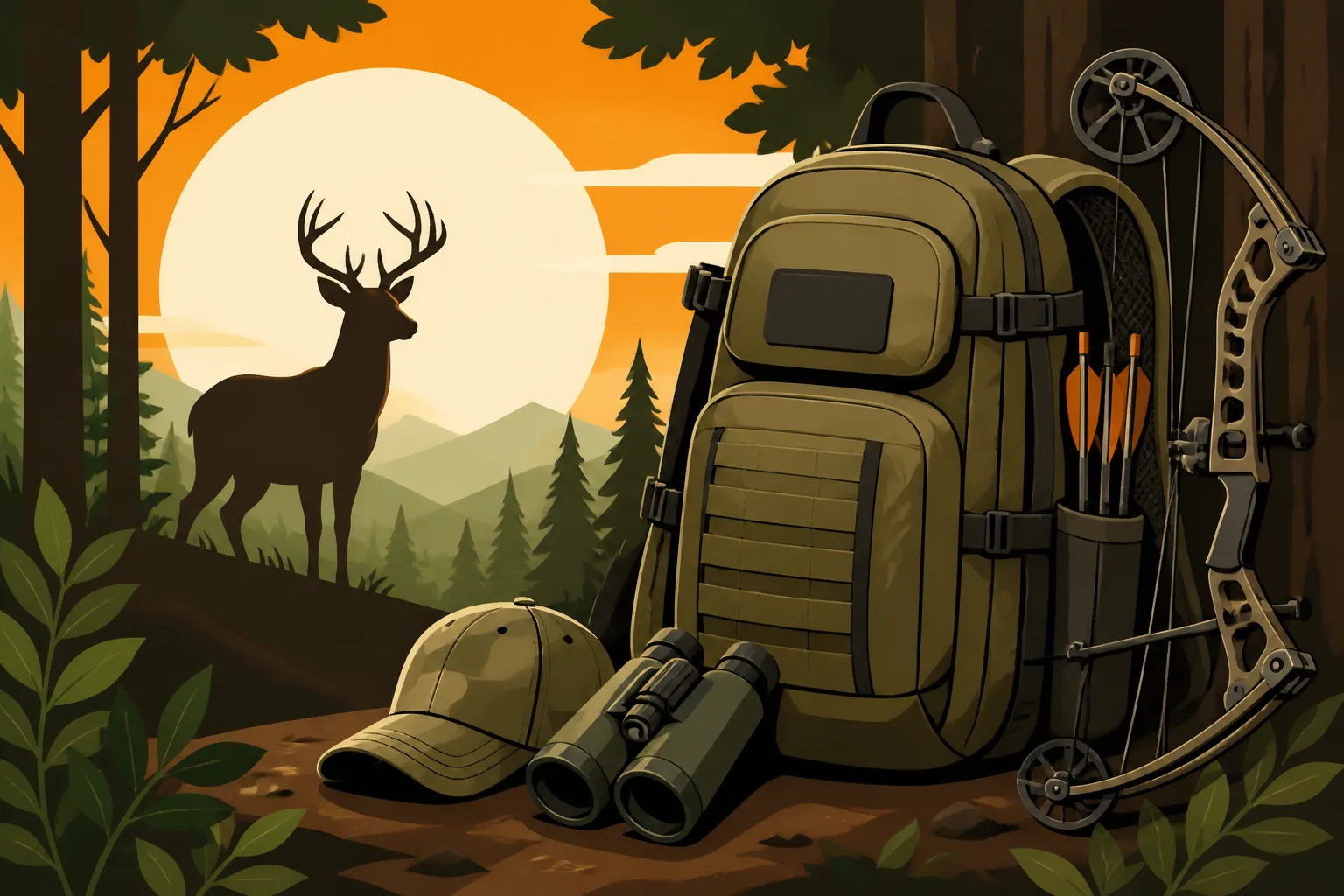
For a full day hunt, a pack in the 1800-3000 cubic inch range is often ideal. This size provides enough room for your essentials without becoming overly bulky or heavy. A pack that's too small will force you to leave critical items behind, or cram everything in, making it impossible to find anything quickly. A pack that's too large, on the other hand, encourages overpacking and can become cumbersome in dense timber or when trying to squeeze through tight spots.
Consider your personal gear needs. Do you carry a spotting scope, or a larger camera for documenting your hunts? These items will push you towards the higher end of the capacity spectrum. Many modern hunting packs also feature external compression straps or pockets, allowing you to cinch down loads or expand the pack slightly if you need to carry a shed antler or some extra layers after the morning chill wears off. It's about having enough room for your layers, water, food, first-aid kit, and any specific hunting tools, while maintaining a sleek profile.
Material and Durability
The Cherokee National Forest is tough on gear. Think about pushing through Rhododendron thickets, scrambling over rock falls, or navigating downed timber. Your pack needs to withstand this abuse. Look for packs made from rugged, abrasion-resistant materials like Cordura nylon or similar heavy-duty fabrics. Ripstop fabrics can also be a good option, as they help prevent small tears from spreading.
Beyond the fabric, pay attention to the zippers, buckles, and stitching. YKK zippers are generally considered top-tier for their reliability. Buckles should be robust and easy to operate, even with cold hands. Reinforced stitching at stress points, like where shoulder straps attach to the main pack body, is crucial. While a completely waterproof pack might be overkill (and expensive), water-resistant materials or an integrated rain cover are highly beneficial for those unexpected mountain showers. You can't predict when Rain Gear for a Tennessee Downpour will be needed, but it's always good to have that level of protection for your gear.
Comfort and Fit
This is arguably the most critical aspect. A pack that fits poorly will create hot spots, rub you raw, and make you miserable. Look for packs with adjustable shoulder straps, a padded hip belt, and a sternum strap. The hip belt is especially important as it shifts much of the pack's weight from your shoulders to your hips, where your body is better equipped to carry it. Ensure the hip belt is positioned correctly, typically over the top of your hip bones.
Adjustable torso length is a feature found on many higher-end packs, allowing you to fine-tune the fit to your specific body dimensions. Load lifter straps, which connect the top of the shoulder straps to the top of the pack, help pull the load closer to your body, improving stability and comfort on uneven terrain. Try on several packs with some weight in them and walk around the store (if possible) to get a feel for how they ride. A comfortable fit means less fatigue, allowing you to focus on the hunt, not on your aching shoulders.
Access and Organization
Fumbling around for a critical item when you need it most is a huge time-waster and can even spook game. Look for packs with multiple pockets, both internal and external, to help organize your gear. Side pockets are great for water bottles or spotting scopes. A front shove-it pocket can be handy for quickly stashing a discarded layer or a rain jacket.
Top-loading packs are common, but some packs offer full-zip panel access or multiple access points, which can be a lifesaver when you need something from the bottom of your pack without unpacking everything. Dedicated pockets for a rangefinder, GPS, or a small first-aid kit can ensure these items are always at your fingertips. Some packs even incorporate a hydration sleeve, making it easy to carry a water bladder.
Here's a quick comparison of common day pack features:
| Feature | Ideal for Cherokee Forest | Less Ideal / Considerations |
|---|---|---|
| Capacity | 1800-3000 cubic inches | Too small (under 1500 ci) or too large (over 3500 ci) |
| Material | Heavy-duty nylon (Cordura), ripstop, water-resistant | Thin, easily torn fabrics, non-water-resistant |
| Frame | Internal frame for support and flexibility | External frame (bulky), frameless (lacks support for heavy loads) |
| Pockets | Multiple, easily accessible (side, front, hip belt) | Single main compartment, hard-to-reach pockets |
| Comfort | Padded, adjustable shoulder straps & hip belt, sternum strap | Minimal padding, non-adjustable, no hip support |
| Hydration | Hydration sleeve/port or large side pockets for bottles | No designated water storage |
| Compression Straps | Essential for securing loads and carrying extra gear | Absent or poorly placed |
| Rain Cover | Integrated or easily deployable | None, requiring separate purchase |
Organizing Your Pack for Efficiency
Once you've got your perfect pack, the next step is learning how to load it efficiently. This isn't just about fitting everything inside; it's about making sure your pack balances correctly, items are protected, and you can access what you need quickly without a major excavation project.
The "10 Essentials" Plus More
The traditional "10 Essentials" for outdoor safety are a great starting point, and you should absolutely carry them in the Cherokee National Forest: navigation (map, compass, or GPS like a GoHunt app), sun protection, insulation (extra clothing layers), illumination (headlamp), first-aid supplies, fire starter, repair kit/tools, extra food, extra water, and emergency shelter. First Aid Kits for Remote Cherokee Forest Ground is a vital read for packing this section.
Beyond these, hunters often add:
- Game Processing Gear: field dressing knife, gloves, game bags. Field Dressing Knives Worth Carrying are a must-have.
- Optics: binoculars, rangefinder.
- Calls: for deer, turkey, or whatever you're pursuing.
- Scent Control/Attractants: if applicable to your hunting style.
- Weapon Accessories: extra ammo, release aid, broadhead wrench.
- Power Bank: for charging phones, GPS devices, or Headlamps for Walking Out After Dark.
The key is to think about priority. What do you need most often? What do you need in an emergency? What can stay buried until a kill is on the ground?
Layering and Accessibility
Weight distribution is paramount for comfort and balance, especially in steep terrain. Heavy items should be placed close to your back, ideally between your shoulder blades, to keep your center of gravity stable. Lighter, bulkier items can go lower or on the outside.
Think about accessibility:
- Hip Belt Pockets: Best for small, frequently accessed items like your rangefinder, wind checker, chapstick, or a small snack.
- Top Pocket/Lid: Great for items you might need quickly, like a headlamp, gloves, hat, or small map.
- Side Pockets: Ideal for water bottles, a spotting scope, or a folded rain jacket for quick deployment.
- Main Compartment (Top): Layers that you might shed or add throughout the day, like a fleece jacket or soft shell. Layering for a Tennessee Deer Stand emphasizes the importance of adaptable clothing.
- Main Compartment (Bottom/Back): Less frequently used items, like your full first-aid kit, emergency fire starting supplies, or extra food rations.
By organizing with purpose, you'll minimize wasted time and energy, allowing you to focus on the hunt.
Special Considerations for Cherokee Forest Terrain
Hunting the Cherokee National Forest isn't just about what you carry, but how that gear interacts with the environment. The rugged, often wet, and isolated nature of this region demands a few extra considerations for your pack and its contents.
Water and Hydration
Hiking up and down the steep ridges of the Cherokee can be incredibly dehydrating, even in cooler weather. You'll likely be exerting more energy than you realize, and reliable hydration is non-negotiable for sustained performance and safety. A general rule of thumb is to carry at least two liters of water for a day hunt, and more if it's hot or you plan to be out for extended periods.
Many hunters prefer a hydration bladder system within their pack, with a hose easily accessible over their shoulder. This allows for continuous sipping without stopping or reaching for a bottle. However, carrying backup water bottles in side pockets is also wise, especially if a bladder system fails or freezes in colder temperatures. Consider bringing a small water filter or purification tablets as an emergency backup if you know there are reliable water sources in your hunting area, though always purify any natural water. Dehydration can lead to poor decision-making and serious health issues far from help.
Dealing with Weather Swings
Tennessee weather, especially in the mountains, is notoriously fickle. You can start the morning in freezing fog, experience a mild, sunny afternoon, and then be hit with a sudden downpour or even snow by late day. Your pack needs to be ready for these rapid changes.
Ensure all critical gear is protected from moisture. Even if your pack is water-resistant, using dry bags or heavy-duty Ziploc bags for sensitive electronics, extra clothing, and fire-starting materials is a smart move. An integrated rain cover for your pack is a huge bonus, but a separate one will work just as well. Your extra layers, detailed in Layering for a Tennessee Deer Stand, need to be easily accessible but also securely protected from the elements. A sudden change in wind or temperature on a ridge can quickly turn a comfortable sit into a shivering nightmare without proper insulation.
Meat Care for Early Success
There’s nothing quite like the thrill of taking an animal, especially deep in the backcountry of the Cherokee. But then the real work begins. If you're successful, your day pack needs to be capable of handling the initial stages of meat care. This usually means packing out the tenderloins and backstraps, if not more, especially if you're far from the truck or hunting in warmer weather.
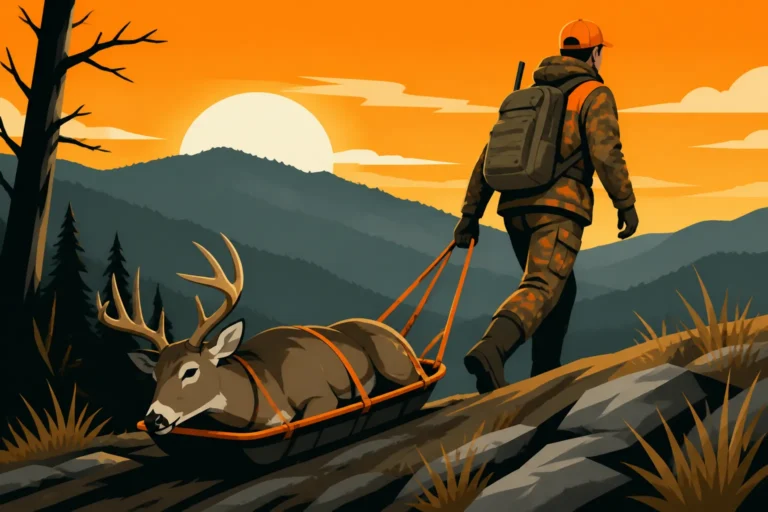
Consider a pack with a dedicated meat shelf or a "load sling" system that allows you to carry quarters or deboned meat between the frame and the main pack bag. Even if your pack doesn't have this, robust compression straps can help secure game bags externally. Always carry heavy-duty game bags (not just plastic trash bags) to protect the meat from dirt, insects, and to allow it to cool. Clear plastic gloves and some paper towels or wet wipes for cleanup are also invaluable. Having a plan for Dragging a Deer Out of a Steep Hollow or even boning it out on the spot is crucial, and your pack needs to support that plan. Coolers for an Early Archery Kill might be waiting at the truck, but getting the meat there efficiently is the challenge.
Packing for Unexpected Situations
While we always hope for a smooth, uneventful hunt, being prepared for the unexpected is a hallmark of a responsible hunter. A well-equipped day pack can make the difference between a minor inconvenience and a full-blown emergency in the remote stretches of Cherokee National Forest.
Emergency Gear and First Aid
Your first-aid kit, as highlighted in First Aid Kits for Remote Cherokee Forest Ground, should be comprehensive enough to handle common hunting injuries: cuts, scrapes, blisters, sprains, and insect bites. Beyond the basics, consider adding pain relievers, anti-inflammatory medication, allergy medication, and any personal prescriptions. Make sure someone else knows where your first-aid kit is located in your pack and what's inside.
Beyond medical needs, emergency gear could include:
- Whistle: For signaling if you're injured or lost.
- Emergency Blanket/Bivy: Lightweight and critical for staying warm if you get stuck overnight.
- Fire Starter: Waterproof matches, lighter, ferro rod, and some tinder are non-negotiable.
- Knife/Multi-tool: Always good to have a backup.
- Duct Tape: For gear repair, first aid, anything.
- Signaling Mirror: For attracting attention from afar.
Think about worst-case scenarios: What if you twist an ankle an hour from the truck at dusk? What if a sudden storm drops temperatures and you're soaked? Having these items readily available in your pack provides a significant peace of mind.
Communication and Navigation
In the Cherokee National Forest, cell service can be spotty at best and non-existent at worst. Relying solely on your phone for navigation or emergency calls is a gamble. Your pack should hold redundant navigation tools and communication methods.
- GPS Device/App: A dedicated handheld GPS unit or a robust GPS app like GoHunt on your phone is essential. Always download offline maps before heading out, as cell service won't cut it. GPS Units Versus Phone Apps discusses the pros and cons.
- Map and Compass: These are your ultimate backups. Know how to use them! Even if you love your digital tools, a waterproof paper map of the area and a reliable compass are non-negotiable.
- Two-Way Radios: If hunting with a partner, these can be invaluable for staying in touch, especially across hollows where line of sight is broken.
- Satellite Messenger/PLB (Personal Locator Beacon): For truly remote hunts, or if you hunt alone frequently, a satellite messenger (like a Garmin inReach or Zoleo) can send texts and, crucially, an SOS signal with your exact location even when out of cell service. This is a game-changer for safety in isolated areas.
Ensure all electronic devices are fully charged before you leave and consider carrying a power bank for recharging. A dead phone or GPS unit is just extra weight. Double-check your planned route against a map, know your escape routes, and always tell someone where you're going and when you expect to return. This level of preparation ensures that you can focus on Finding Sign in Big Cherokee Forest Timber and enjoy your hunt, knowing you're ready for whatever comes your way.
Disclaimer
This article is for general informational purposes only and does not constitute professional advice. Laws, prices and regulations vary by location and change over time. Consult a qualified professional for guidance on your specific situation.