Tellico WMA Bear and Deer Access
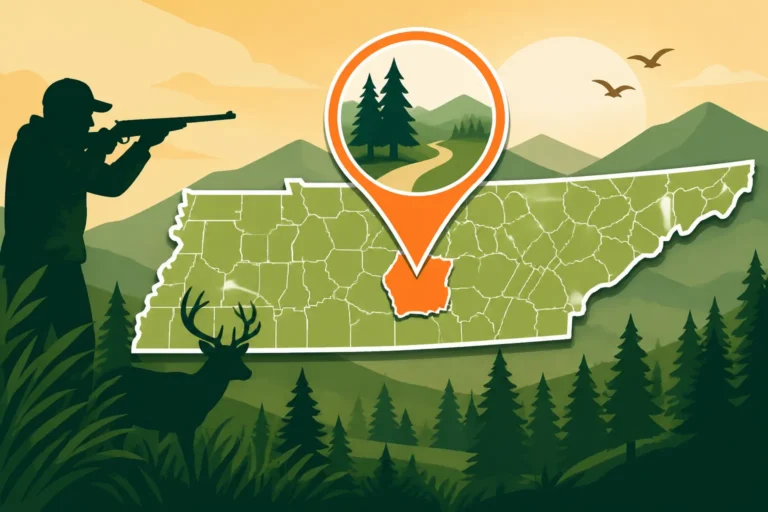
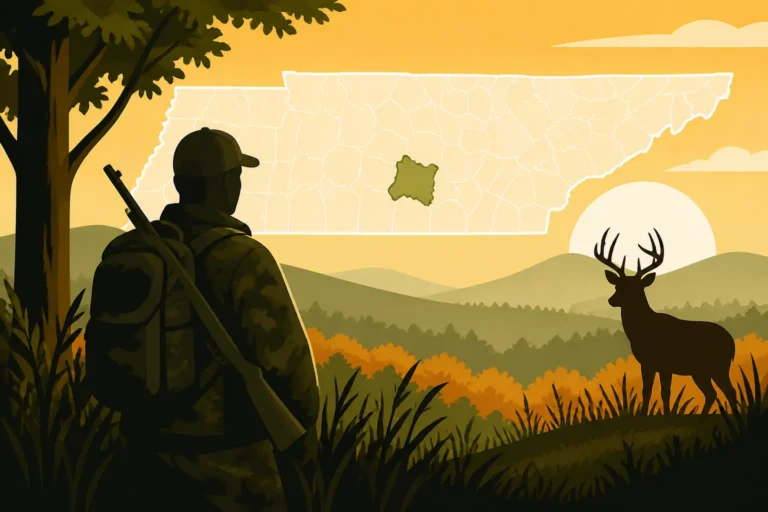
Hunting in the vast and rugged expanse of Tellico Wildlife Management Area can be an incredible experience, but it comes with its own unique set of challenges. This wild corner of the Cherokee National Forest, tucked away in the mountains of southeast Tennessee, demands a different approach than hunting flatter, more agricultural lands. For those of us hoping to fill a tag on either a wily whitetail or a formidable black bear here, understanding the terrain, regulations, and best access strategies is absolutely crucial for a safe and successful hunt.
Navigating the Rugged Landscape of Tellico WMA
Tellico WMA isn't your average hunting ground; it's a place where the mountains truly meet the sky, presenting both breathtaking beauty and formidable obstacles. The sheer scale and elevation changes here mean that "easy access" is a relative term, and preparedness is paramount.
Understanding the Terrain Challenges
When you look at a map of Tellico WMA, you'll immediately notice the dramatic topography. This isn't gently rolling hills; we're talking steep, often heavily timbered ridges, deep hollows, and rushing creeks that can swell significantly after a good rain. Elevations can vary widely within a single mile, making any hike a serious workout. The ground underfoot can be uneven, littered with loose rock, slick leaves, or muddy sections, particularly in the lower elevations and creek bottoms. This ruggedness means that a two-mile walk in Tellico often feels like five miles on flatter ground, and it will challenge even the most seasoned hunter's physical conditioning. Expect to gain and lose significant elevation, often multiple times, just to get to a preferred hunting spot. This is why having reliable Boots for Tennessee Hollows and Creek Bottoms is non-negotiable.
The dense timber, primarily hardwoods and some scattered pines, also plays a role in access. While beautiful, it can limit visibility and make navigation tricky without a good map and compass, or a reliable GPS unit. Logging roads and old skid trails exist but aren't always well-maintained or marked, and some might be closed to vehicular traffic. Knowing which roads are open and which are for foot traffic only is vital for planning your entry and exit routes, especially when considering game retrieval. Finding Sign in Big Cherokee Forest Timber can be a challenge in such a vast area, requiring keen observation skills.
WMA-Specific Regulations and Access Points
Unlike statewide seasons, Tellico WMA operates under its own set of regulations and dates, which can be found in the current Tennessee hunting guide. It's absolutely critical to consult these specific rules before planning your hunt. For instance, deer hunting may be open during different periods than the general statewide season, and specific antler restrictions or bag limits might apply to help manage the local herd. The same goes for bear hunting, which often has very limited windows and specific requirements for checking game.
Access to Tellico WMA is primarily off established roads, but many of these are gravel and can be rough, requiring a vehicle with decent ground clearance, especially after inclement weather. Popular access points might include areas along the Tellico River or other main forest service roads that snake through the mountains. However, these more accessible spots often see higher hunting pressure, so getting away from the crowds usually means putting in more legwork on foot. Some areas might have designated parking spots, while others require careful roadside parking, ensuring you don't block gates or private access. Always be mindful of posted boundaries, as private inholdings do exist within and adjacent to the WMA. Understanding Tennessee Wildlife Management Areas and their unique rules is a foundational step.
Deer Hunting Strategies in Tellico's Mountains
Hunting whitetails in the vastness of Tellico WMA is a different beast than hunting the farmlands of West Tennessee. Here, you'll need to adapt your scouting and hunting tactics to the steep, timbered terrain and the deer's response to pressure.
Scouting for Whitetails in Vast Timber
Effective scouting in Tellico means getting boots on the ground, but you can save a lot of time by doing some e-scouting first. Tools like onX Hunt are invaluable for identifying likely funnels, saddles, benches, and potential bedding areas on steep ridges. Look for areas where the topography naturally bottlenecks deer movement, such as narrow saddles connecting two ridges or benches along a steep slope where deer might travel. Creek bottoms, while often thick and hard to navigate, can also serve as natural travel corridors, especially if they offer consistent water sources. Reading a Ridge for East Tennessee Deer is a skill you'll want to master here.
Once you have some promising spots identified on your map, it's time to hike in and look for actual sign. This includes rubs, scrapes, and most importantly, trails. In such dense timber, deer trails might not be as obvious as in open country, but they're there if you look for them. Focus on areas with varied habitat, like transitions between different timber types, or where older clear-cuts are starting to grow back, providing thicker cover and browse. Don't be afraid to push into areas that look "too steep" or "too thick" – often, that's exactly where older bucks will try to evade pressure. Remember, Scouting Tennessee Public Land Before Season gives you a massive advantage.
Tactics for Stiff Mountain Climbs
Deer in Tellico WMA are constantly dealing with gravity, and their travel patterns often reflect this. They'll use the path of least resistance when possible, which often means benches and saddles. When planning your hunt, consider thermals. In the mornings, air currents typically rise up the mountain, while in the evenings, they fall back down. This means your approach and stand placement need to account for how your scent will carry with these changing winds, especially on your climb in and out.
Sitting near a well-used trail in a saddle or on a bench that connects different drainages can be highly effective, especially during the rut. Deer will use these natural highways to cruise for does without expending too much energy. Consider both still-hunting and setting up treestands. If you choose to still-hunt, move slowly, glassing ahead, and listen intently. The crunch of leaves can be loud in these woods, so picking your steps carefully is key. For treestand hunters, a lightweight climbing stick and portable stand setup is often necessary due to the long walks in and the varying tree diameters. For those tough uphill treks, a quality hunting pack is essential, as detailed in Packs for a Cherokee Forest Day Hunt. Consider trying Hunting Smoky Mountain Foothill Deer tactics as many apply here.
Bear Hunting in Tellico's Wilderness
Tellico WMA is part of Tennessee's prime black bear country, and hunting these animals is an entirely different adventure compared to deer. It requires specific knowledge of bear behavior, habitat, and a heightened sense of awareness.
Identifying Bear Habitat and Food Sources
Black bears in Tellico, much like throughout the Tennessee's Black Bear Population, rely heavily on natural mast crops like acorns, hickory nuts, and berries. During early season, focus on areas where these food sources are abundant. South-facing slopes often warm up earlier in the season, promoting early mast production, while north-facing slopes might hold mast later into the fall. Creek bottoms and areas with dense rhododendron thickets offer excellent cover for bears, providing security and bedding areas. Look for signs like scat, claw marks on trees, and overturned rocks or logs where bears have been foraging.
Bears are incredibly adaptable and will traverse vast distances, often utilizing the same natural travel corridors as deer. They are also drawn to water sources, especially during warmer periods. Scouting for bear sign in the summer and early fall, before the leaves drop, can give you a significant advantage, but remember that food sources can change quickly, so recent intel is always best. Hunting Bear Zone Three on South Cherokee provides relevant insights, as Tellico is within this general region.
The Physical Demands and Safety Considerations
Bear hunting in Tellico WMA is physically demanding. These animals can be found almost anywhere in the WMA, often in the steepest, thickest, and most remote sections. A successful bear hunt might involve hours of climbing and navigating difficult terrain, followed by an even more challenging pack-out of a very heavy animal. Therefore, excellent physical condition is non-negotiable.
Safety is paramount when hunting bears. While black bears are generally shy, a wounded bear can be dangerous. Always carry bear spray, make noise as you move through dense cover to avoid surprise encounters, and hunt with a partner if possible. Be aware of your surroundings at all times, especially in thick bedding areas. Given the remote nature of much of Tellico, carrying a first-aid kit and knowing how to use it is also critical. Always have a plan for game retrieval, which might involve multiple trips or a team of hunters. For a more direct approach, Spot-and-Stalk Tactics for Cherokee Forest Bears can be effective, but require patience and stealth.
Essential Gear and Scouting Tools for Tellico Success
Hunting Tellico WMA requires more than just a rifle or a bow; it demands a well-thought-out gear list and a strategic approach to scouting.
Must-Have Equipment for Backcountry Hunting
The remoteness and ruggedness of Tellico necessitate a robust gear list designed for backcountry hunting. Beyond your weapon of choice, here's a quick rundown of essentials:
| Item | Importance in Tellico WMA | Notes |
|---|---|---|
| Mapping Device | Critical for navigation, identifying terrain features, and property lines. | GPS unit (Garmin inReach), smartphone with offline maps (onX Hunt), and a physical compass/map. |
| Headlamp | Essential for early morning hikes in and late-night pack-outs. | Bring extra batteries; getting caught in the dark without light is dangerous. |
| Water Filter/Supply | Hydration is key on steep climbs; water sources can be unreliable. | Carry enough for your planned trip, plus a filter for refills from streams. |
| First-Aid Kit | Remote location means help is far away. | Include essentials for cuts, blisters, sprains, and any personal medications. First Aid Kits for Remote Cherokee Forest Ground are specialized. |
| Appropriate Clothing | Layering is crucial for changing mountain weather and exertion levels. | Moisture-wicking base layers, insulating mid-layers, and waterproof outer shell. Blaze orange as required. |
| Game Retrieval Aid | Getting a deer or bear out of a hollow is tough. | Game bags for deboning, a strong rope, or a game cart if terrain allows for partial use. |
| Bear Spray | Essential safety item when bear hunting. | Know how to use it and carry it in an easily accessible holster. |
A good pair of binoculars, like an 8×42 or 10×42, will be invaluable for picking apart distant ridges and spotting subtle movement in the timber. A rangefinder is also crucial for confirming shot distances in varying terrain. For any Tennessee Deer Camp Traditions that involve an overnight stay, ensure you have appropriate camping gear as well.
Leveraging Technology for Informed Decisions
In today's hunting world, technology can be your best friend, especially in areas like Tellico. As mentioned, a robust mapping application like onX Hunt is an absolute game-changer. It allows you to download offline maps, mark waypoints for stand locations, scout promising terrain features from home, and track your movements in real-time, even without cell service. You can identify private land boundaries, WMA boundaries, and even historical satellite imagery to spot old clear-cuts or changes in timber, which can be critical for deer and bear habitat.
While primarily known for western big game, platforms like GoHunt sometimes offer detailed insights into public land management trends and data layers that can inform your broader e-scouting process, helping you analyze terrain, habitat, and historical data, even if it's not specific to Tennessee. By combining these digital tools with boots-on-the-ground scouting, you can drastically reduce wasted time and increase your chances of success. Just remember to always have a backup, whether it's a physical map or a fully charged secondary device, because batteries can die and electronics can fail in the backcountry.
Disclaimer
This article is for general informational purposes only and does not constitute professional advice. Laws, prices and regulations vary by location and change over time. Consult a qualified professional for guidance on your specific situation.