National Forest Camping Near Your Stand
One of the most appealing aspects of hunting Tennessee's vast public lands is the immersive experience of truly being out there, far from the hustle and bustle. But let's be honest, those early morning drives can really wear you down, stealing precious sleep and adding unnecessary stress to your hunt. This guide is all about embracing the wild by showing you how to strategically camp close to your hunting stand in a national forest, maximizing your time in the woods and minimizing travel fatigue, all while staying within the rules.
The Allure and Logistics of Camping Near Your Stand
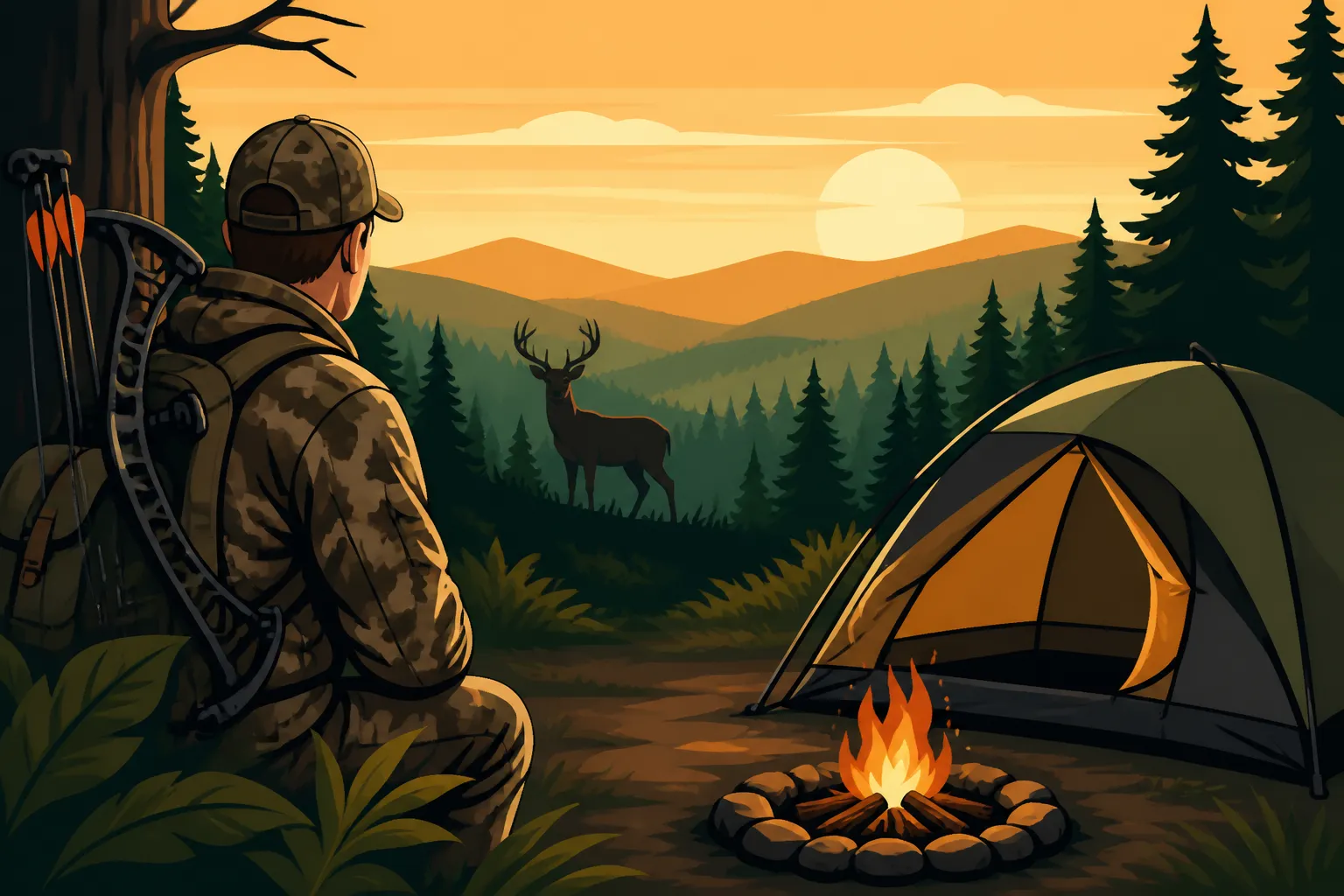
There's something uniquely satisfying about waking up with the forest around you, the faint sounds of the woods already stirring, knowing your stand is just a short, quiet walk away. It’s not just about convenience; it’s about becoming a more integrated part of the environment you're hunting.
Why Camp Near Your Stand?
The primary advantage of setting up camp close to your stand is the sheer efficiency it offers. Imagine not having to set an alarm for 3 AM to drive an hour, then hike another mile in the dark. Instead, you can wake up a bit later, enjoy a warm cup of coffee, and be in your stand well before legal shooting light, completely unhurried and with minimal scent left on your approach. This early access is invaluable, especially during the rut when bucks are on the move at dawn and dusk. Being able to slip in and out undetected, long before other hunters arrive or after they've left, can make all the difference.
Beyond the practicalities, there’s a deeper connection you forge with the land. Spending more time in the woods, even just sleeping there, allows you to observe the forest more closely. You’ll notice subtle changes in animal movement, listen to the sounds of the night, and feel the temperature shifts that can influence deer activity. This immersive experience is what many of us chase as hunters – that feeling of being truly embedded in nature, away from the distractions of everyday life. Plus, it significantly aids in scent control; a short walk from a minimalist camp means less sweat and fewer foreign odors carried into your hunting zone compared to a longer, more strenuous hike after a car ride.
Dispersed Camping Versus Designated Sites
When considering camping in a national forest, you generally have two main options: designated campgrounds or dispersed camping. Designated campgrounds, like those found in the Cherokee National Forest, offer amenities such as picnic tables, fire rings, and often vault toilets or even flush toilets and potable water. They're great for families or if you prefer a more comfortable, predictable setup. However, they can sometimes be a bit of a drive from prime hunting spots, and they tend to have more people, which isn't ideal for a stealthy hunting camp.
Dispersed camping, on the other hand, is all about self-sufficiency and solitude. This means camping outside of developed campgrounds, typically along forest roads or in designated areas, often with no amenities whatsoever. This is usually the go-to option for hunters looking to be as close to their stand as possible. The key here is checking local forest regulations regarding where dispersed camping is permitted. Sometimes there are specific rules about how far you must be from roads, water sources, or designated recreation areas. Always practice Leave No Trace principles when dispersed camping, packing out everything you pack in, and leaving your site as if no one was ever there.
| Feature | Dispersed Camping | Designated Campground |
|---|---|---|
| Location | Remote, often near forest roads, away from amenities | Established sites with facilities |
| Amenities | None (no water, toilets, tables) | Picnic tables, fire rings, toilets, sometimes water |
| Privacy | High | Moderate to low (shared spaces) |
| Cost | Free | Fees typically apply |
| Proximity to Stand | Often very close | May require a drive or longer walk |
| Regulations | Specific rules vary (e.g., distance from roads/water) | Posted rules for each site |
| Best For | Stealthy hunting camps, solitude, self-sufficiency | Family camping, comfort, convenience, first-timers |
Packing Smart for a Multi-Day Hunt
The gear you bring for a multi-day hunt where you're camping near your stand is a delicate balance. You want enough to be comfortable and safe, but not so much that it becomes a burden to pack in or manage. Think lightweight, versatile, and essential. Your tent should be small and blend in with the environment, or you might opt for a bivy sack or hammock system if the weather allows and weight is paramount. A good sleeping bag rated for the lowest expected temperatures is non-negotiable, along with a comfortable sleeping pad to insulate you from the cold ground.
For cooking, a small, efficient backpacking stove and minimal cookware are usually sufficient for heating water for coffee, rehydrating freeze-dried meals, or warming up a can of stew. Don't forget a reliable water filter or purification tablets, as natural water sources might be your only option. Of course, all your hunting gear – your bow, rifle, calls, rangefinder, and especially your Packs for a Cherokee Forest Day Hunt – needs to be meticulously organized and easily accessible. A well-chosen pack will make the difference between a miserable slog and a manageable hike.
Navigating Rules and Regulations in Tennessee's National Forests
Understanding the rules and regulations is paramount when planning to camp and hunt in a national forest, especially in places like the Cherokee National Forest. Ignorance of the law is never an excuse, and violating regulations can lead to fines, loss of privileges, or even more serious consequences.
General National Forest Camping Rules
Tennessee's national forests, primarily the Cherokee National Forest, have specific rules designed to protect both the natural environment and visitors. These rules often dictate things like how long you can stay in one spot (typically 14 days in a 30-day period for dispersed camping), how far you must be from developed roads, trails, and water sources (often 100-200 feet), and campfire regulations. Always check for current fire restrictions, especially during dry periods; sometimes only gas stoves are permitted, or fires are banned entirely. It’s always a good idea to practice Leave No Trace principles, which means packing out all trash, minimizing impact on vegetation, and properly disposing of human waste.
Furthermore, some areas within the national forest might be designated as wilderness areas or special management areas with even stricter rules. Before heading out, make sure you know the specific regulations for the precise area you intend to hunt and camp. The Cherokee National Forest website is an excellent resource for this, or you can call the district ranger office for clarification. They can provide detailed maps and answer any questions you might have about Camping Rules on Cherokee National Forest Land or other specific local regulations.
Specific Hunting and Camping Overlap Rules
When your camping trip doubles as a hunting excursion, additional rules come into play. For instance, Tennessee has blaze orange requirements during certain gun hunting seasons, even if you're not actively hunting but are just in the woods. While the specific amount of blaze orange might vary, it's generally a good idea to wear it when moving through areas where gun hunting is active, even if you're just walking to or from your stand from camp. This is crucial for safety, especially on opening weekends when other hunters might be out.
You'll also need to be aware of firearms in camp. Most national forests allow firearms for self-defense or hunting purposes, but they must be handled safely and stored properly. This means unloaded, secured, and out of reach of children. Never discharge a firearm carelessly or unsafely in or around your campsite. Also, remember that a general national forest permission to camp doesn't automatically mean you can hunt there. Always ensure you have the appropriate Tennessee hunting licenses and permits, and understand the specific season dates and bag limits for the Cherokee National Forest Hunting area you are in.
Understanding Bear Country Safety
The Cherokee National Forest is bear country, and it's essential to take precautions to prevent conflicts, both for your safety and the bears'. The biggest rule is proper food storage. All food, trash, and scented items (like toothpaste, deodorant, and even chapstick) must be stored in a bear-resistant container, a bear bag hung properly from a tree, or in a vehicle's hard-sided trunk where bears cannot access them. Never, ever store food in your tent. The goal is to eliminate any attractants that might draw a bear into your camp.
Beyond food, be aware of your surroundings. Carry bear spray and know how to use it. Make noise while hiking, especially in dense cover, to avoid surprising a bear. If you encounter a bear, never approach it. Make yourself look as large as possible, make noise, and slowly back away. If a bear approaches your camp, make loud noises and try to scare it away. Understanding Bear Hunting Cherokee National Forest rules and knowing bears are present means being extra vigilant about keeping a clean and scent-free camp.
Scouting, Setup, and Staying Stealthy
Successfully camping near your stand for a hunt isn't just about throwing up a tent; it's about strategic planning and execution to ensure minimal disturbance and maximum hunting opportunity.
Pre-Season Scouting for Camp and Stand Locations
Your pre-season scouting isn't just for locating deer sign or potential stand trees; it's equally important for finding the perfect, stealthy campsite. Start with maps. Digital mapping tools like onX Hunt are indispensable here. You can identify potential dispersed camping areas, locate water sources (crucial for longer stays), and assess the terrain for suitable tent spots – flat, well-drained, and out of sight from main trails or roads. Look for areas that are accessible but don't require you to bust through thick cover to get to your stand.
Pay attention to elevation changes and prevailing wind patterns. You want your camp to be downwind or crosswind from your primary hunting area, minimizing the chance of your camp scent blowing into where the deer are moving. Identify clear, quiet access routes from your camp to your chosen stand locations. This is also the time to decide if a traditional tent camp or a more minimalist bivy or hammock setup will work best for your chosen spot. Many hunters also use resources like GoHunt to research specific areas, understanding game movements and habitat patterns that might influence both stand placement and a suitable camp location, getting a broader picture of the game you're after.
Stealthy Camp Setup and Approach
Once you've picked your spot, the setup itself needs to be as quiet and low-impact as possible. Arrive during daylight hours to avoid unnecessary noise and fumbling in the dark. Choose a campsite that is naturally screened by vegetation to keep it out of sight. Avoid cutting down live vegetation for camp construction; use fallen limbs or existing features. When setting up your tent, do so quietly, avoiding loud banging or talking. Keep gear organized and minimize clutter to avoid tripping or making noise when moving around camp.
The approach to your stand from camp is perhaps the most critical part of this strategy. You've gained the advantage of proximity, don't squander it with a noisy entry. Plan your route to take advantage of terrain features, thick cover, or natural drainages that will conceal your movement. Walk slowly, deliberately, and quietly. Use a high-quality headlamp with a red-light setting to preserve your night vision and minimize disturbance as you walk to your Treestand Setups in Cherokee National Forest or Using a Ground Blind on Tennessee Public Land. Always consider the Wind and Thermals on a Ridge System as you approach, even from camp, to ensure your scent is not blowing into the bedding or feeding areas you hope to hunt.
In-Season Adjustments and Contingency Planning
No matter how well you plan, things can change. Weather patterns, unexpected hunting pressure, or shifts in deer movement might necessitate adjustments to your plan. Keep a close eye on the forecast; sudden cold fronts or heavy rain can make a poorly prepared camp miserable or even dangerous. Pack extra layers and good rain gear. Have a contingency plan for high winds or unexpected heavy snow if you're hunting late season.
Be flexible enough to move your camp if your primary hunting area isn't producing or if you find better sign elsewhere. The beauty of a lightweight, mobile camp is that it allows you this flexibility. Always have a fully charged phone and a backup power bank, or a satellite communication device if you're truly off the grid, especially since cell service can be spotty in the mountains. Carry a robust First Aid Kits for Remote Cherokee Forest Ground kit and know basic wilderness first aid. Being able to adapt and react to changing conditions is the mark of a seasoned hunter and ensures both safety and success when camping near your stand in Tennessee's national forests.
Disclaimer
This article is for general informational purposes only and does not constitute professional advice. Laws, prices and regulations vary by location and change over time. Consult a qualified professional for guidance on your specific situation.